







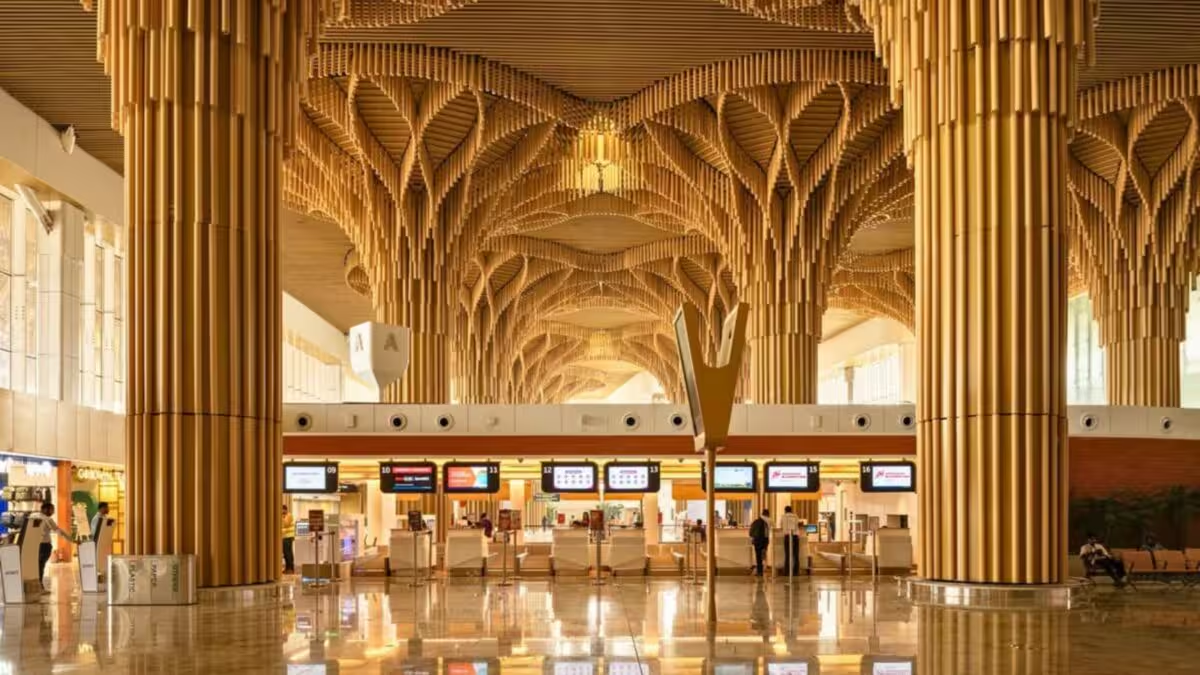
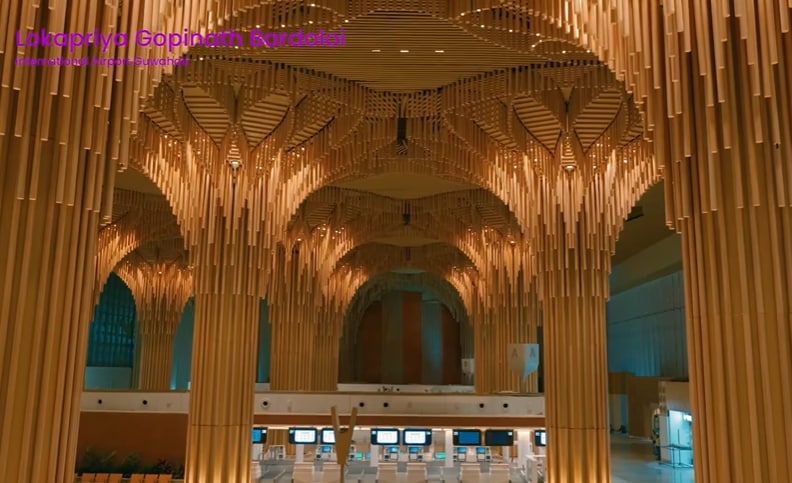
Guwahati just got a major moment on the world stage. The new Terminal 2 of Lokpriya Gopinath Bordoloi International Airport has been named one of the World’s Most Beautiful Airports 2026 by the Prix Versailles — a prestigious global award that recognises outstanding architecture and design. The honour places Guwahati in rare company worldwide, celebrated for combining architectural excellence, sustainability, innovation, and a genuinely elevated passenger experience. The terminal was designed by architect Nuru Karim as a kind of living forest — a structure where nature guides form, material, and movement rather than the other way around.
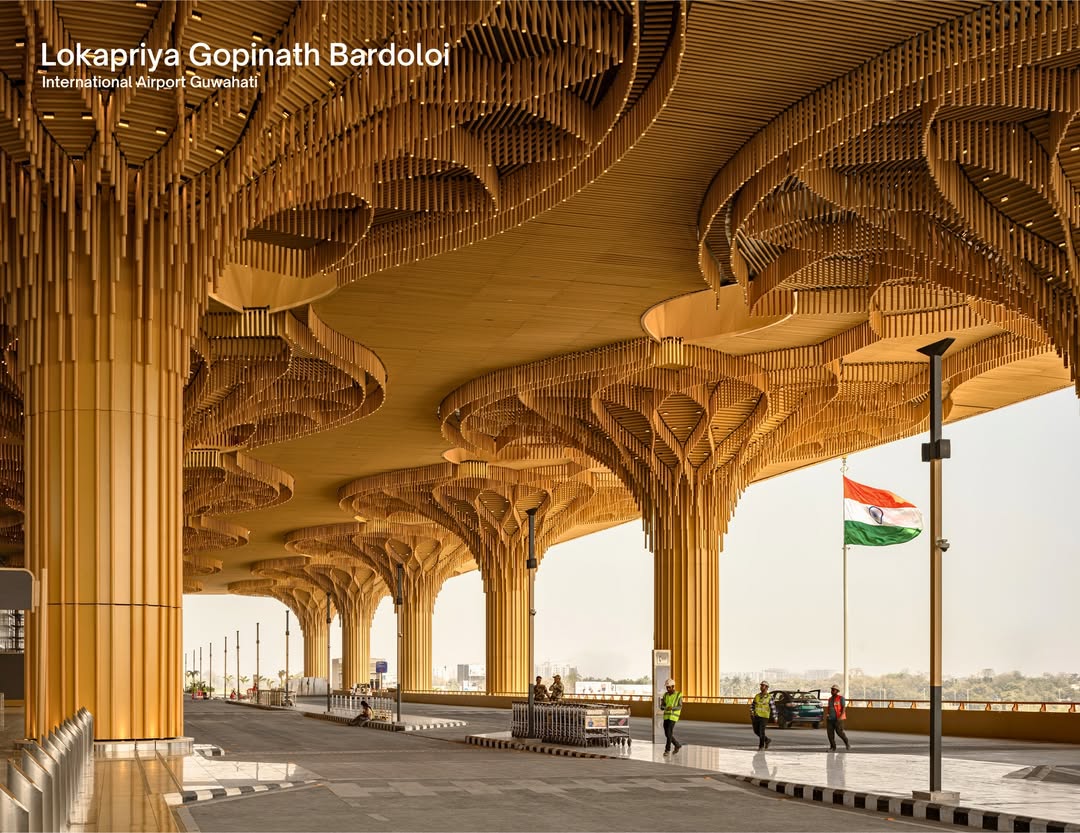
Terminal 2 doesn’t look like most airports. Drawing inspiration from the Bamboo Orchid — a symbol of the Northeast’s extraordinary biodiversity — and the floodplain landscapes of Kaziranga National Park, architect Nuru Karim created a space where ecology and architecture genuinely coexist. Foxtail orchids, indigenous bamboo, and Assam’s natural heritage are woven into the visual language of the building. The result is a terminal that feels rooted in where it actually is — not a generic glass-and-steel structure dropped onto the landscape, but something that grows out of it. Many have described it simply as a living forest. It’s easy to see why.
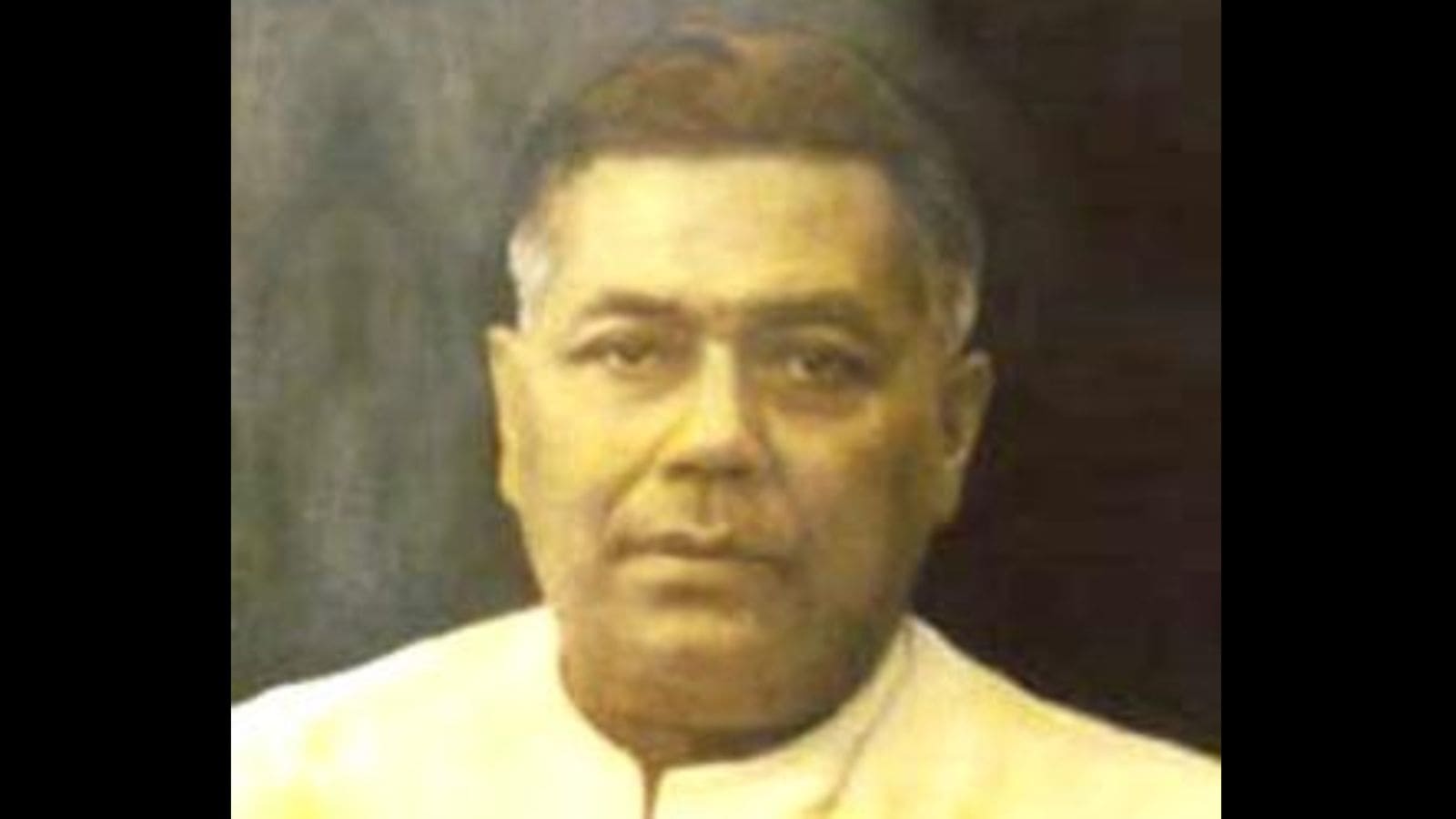
The airport’s full name — Lokpriya Gopinath Bordoloi International Airport — carries a story as rich as its design. Gopinath Bordoloi was born on 6th June 1890 in Raha, Assam. He studied Arts at Scottish Church College in Calcutta before pursuing law and setting up legal practice in Guwahati. By 1936, he had entered politics, elected as leader of the opposition in the Assam Legislative Assembly. Two years later, in 1938, he became the Chief Minister of Assam. After resigning from the post of Chief Minister of Assam in 1939, Bordoloi was jailed twice; he was eventually released in 1944. In the 1946 Assembly elections, he was once again elected as the Premier of Assam.
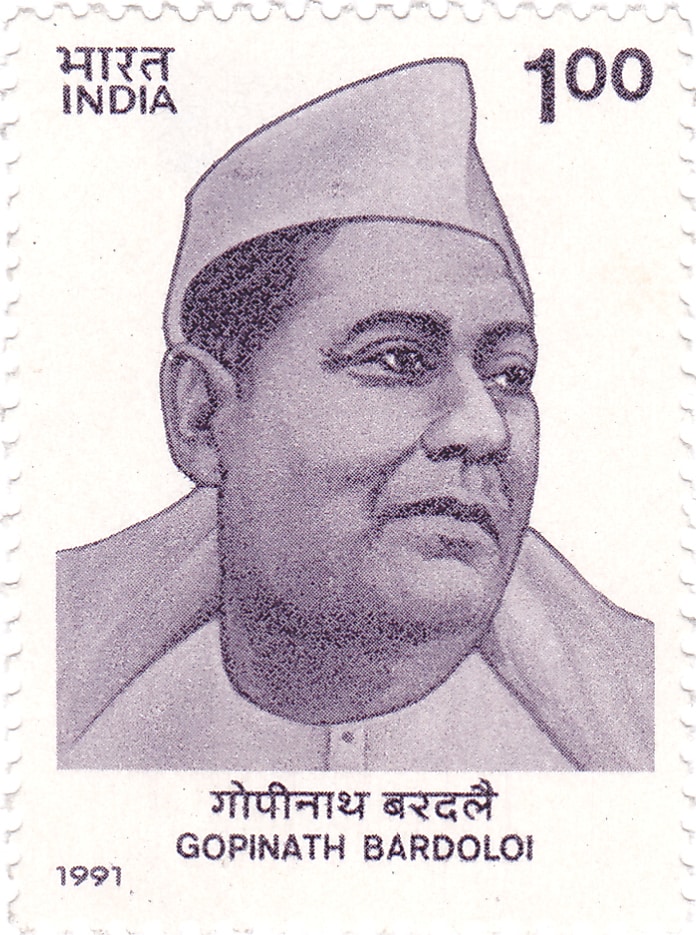
When India gained independence in 1947, Bordoloi became the first Chief Minister of Assam. In office, he implemented progressive industrial and educational policies and established several universities, including Gauhati University. He also played a crucial role in the Constituent Assembly, intervening on issues of tribal rights, Lok Sabha representation, and taxation — ensuring that the Northeast had a voice in shaping the country’s foundational document. He passed away in 1950, still in office. The Governor of Assam, Jairamdas Daulatram, posthumously conferred on him the title Lokpriya — meaning loved by all. In 1999, he was awarded the Bharat Ratna, India’s highest civilian honour.

An airport named after a freedom fighter. A terminal designed like a living forest. A global award that puts a northeastern Indian city on the world’s architectural map. Guwahati’s airport is remarkable for all of these reasons at once. But perhaps what makes it most special is how seamlessly the name and the building speak to each other — both rooted in Assam, both carrying its identity with quiet confidence into the world. Every traveller who passes through Terminal 2 walks through a space that honours both the land and the man who fought to keep it free. That’s not something most airports can claim.