









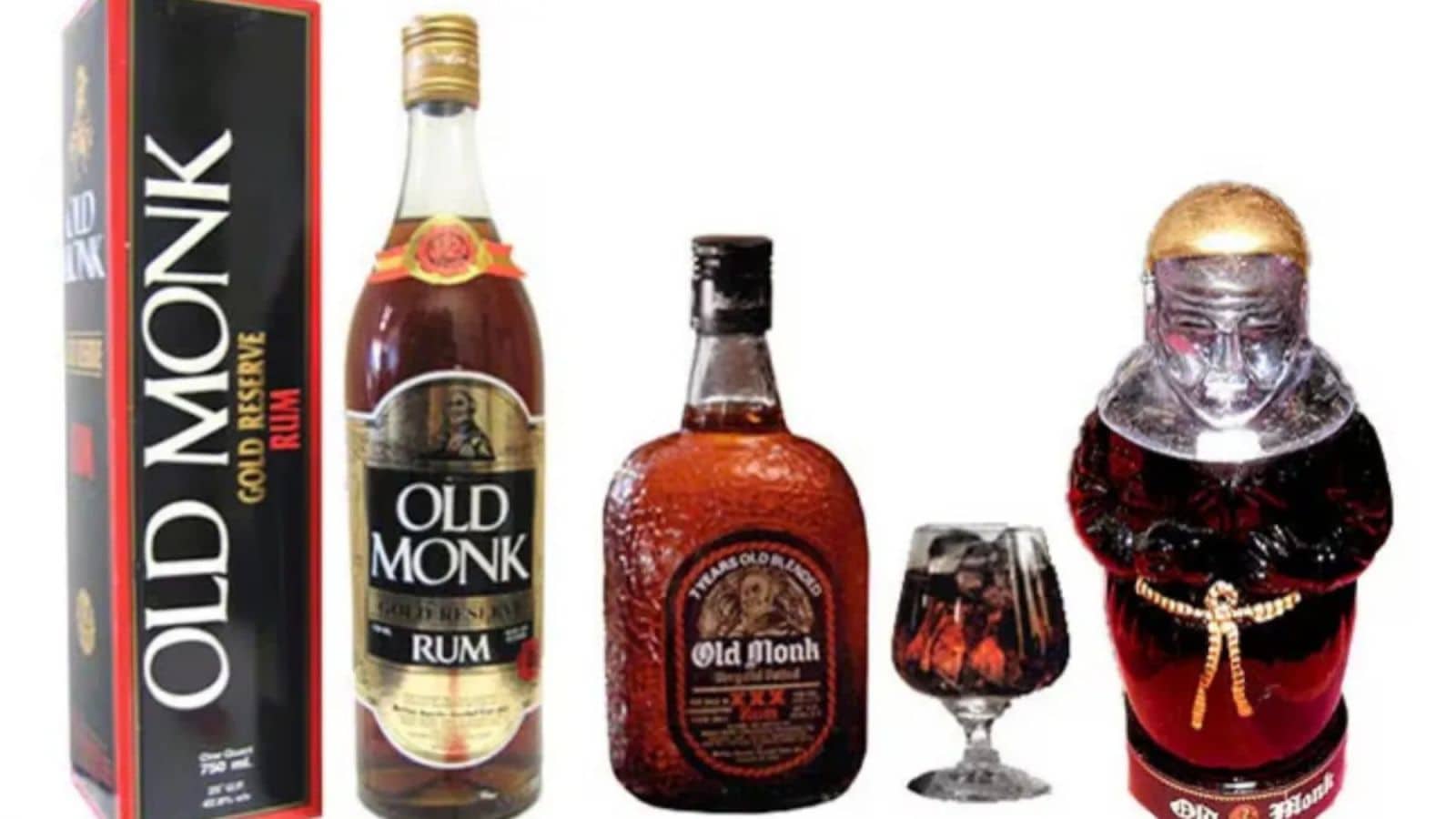
There are few bottles in India that inspire the kind of loyalty Old Monk does. It has survived changing drinking habits, flashy international labels and generations of consumers, all without celebrity endorsements or glossy advertising campaigns. Walk into almost any bar, military canteen or neighbourhood liquor store, and chances are you’ll find the familiar squat bottle sitting on the shelf. On World Rum Day, its story is worth raising a glass to—not least because it defies almost every marketing rule in the book.
Old Monk’s biggest strength has always been consistency. Since it first appeared in the 1950s, its signature dark rum has remained remarkably unchanged. The rich caramel notes, hints of vanilla and chocolate, and its unmistakable smooth finish have made it the drink of choice for millions. While brands constantly reinvent themselves to stay relevant, Old Monk quietly stayed the same—and that may have been its greatest innovation.
(Credit: Wikimedia/FE.com)
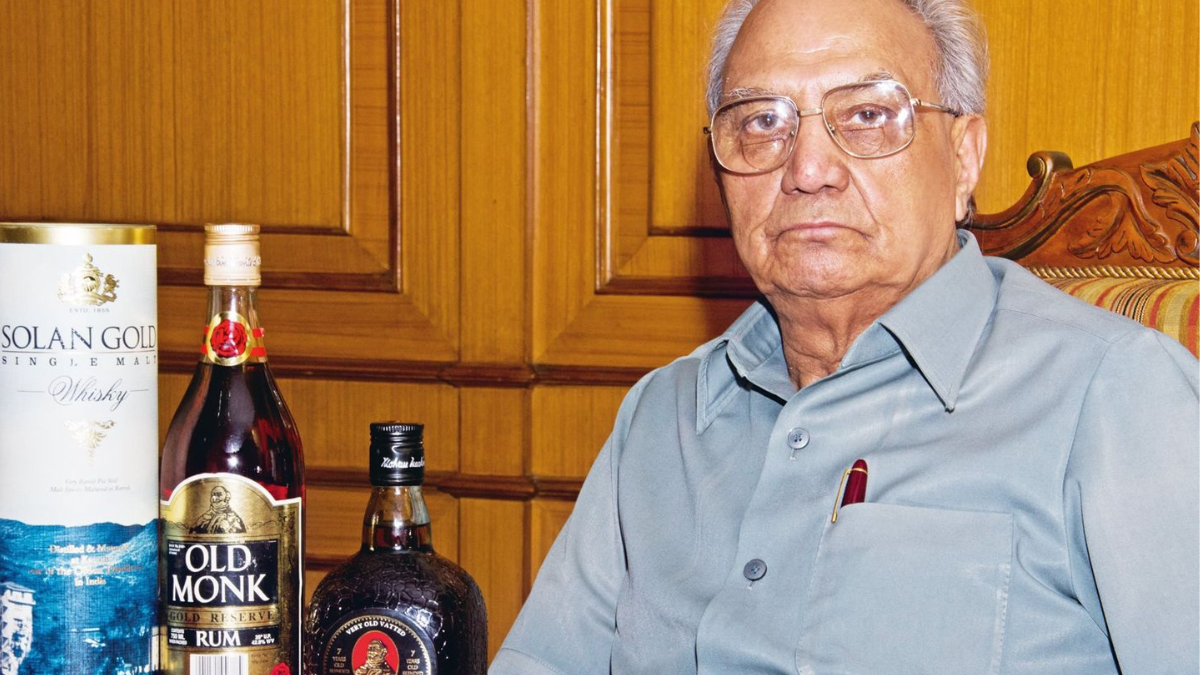
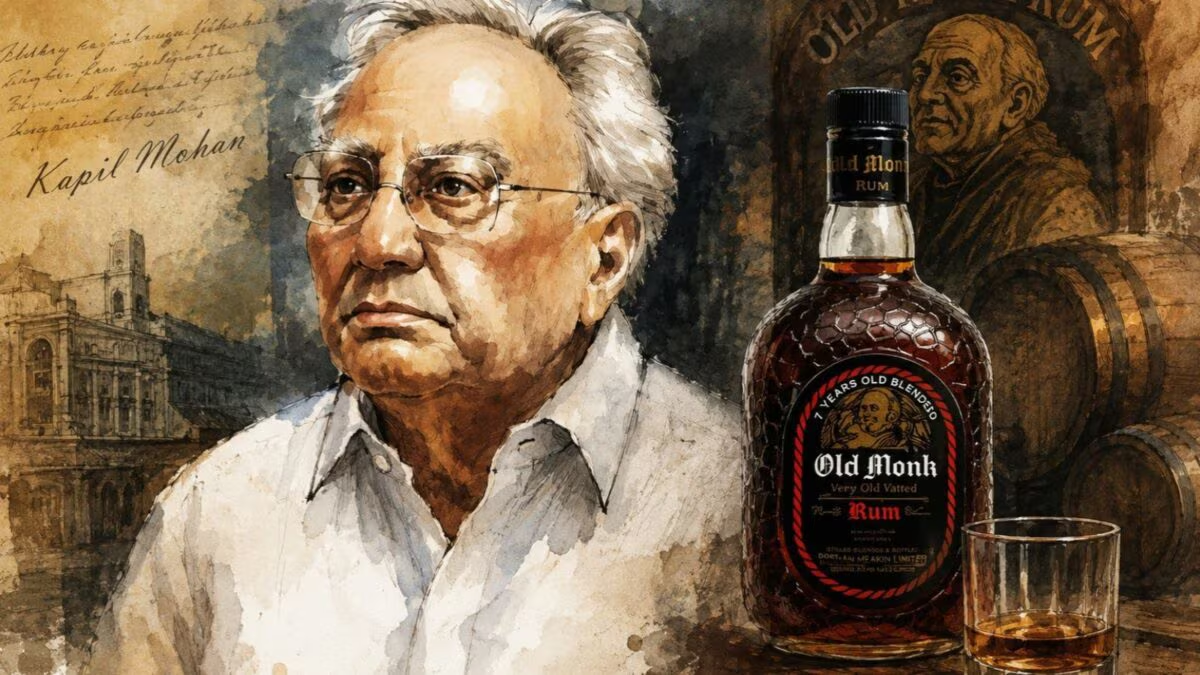
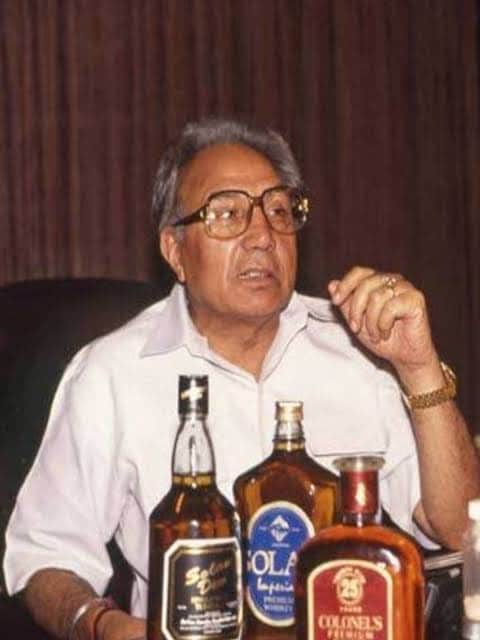
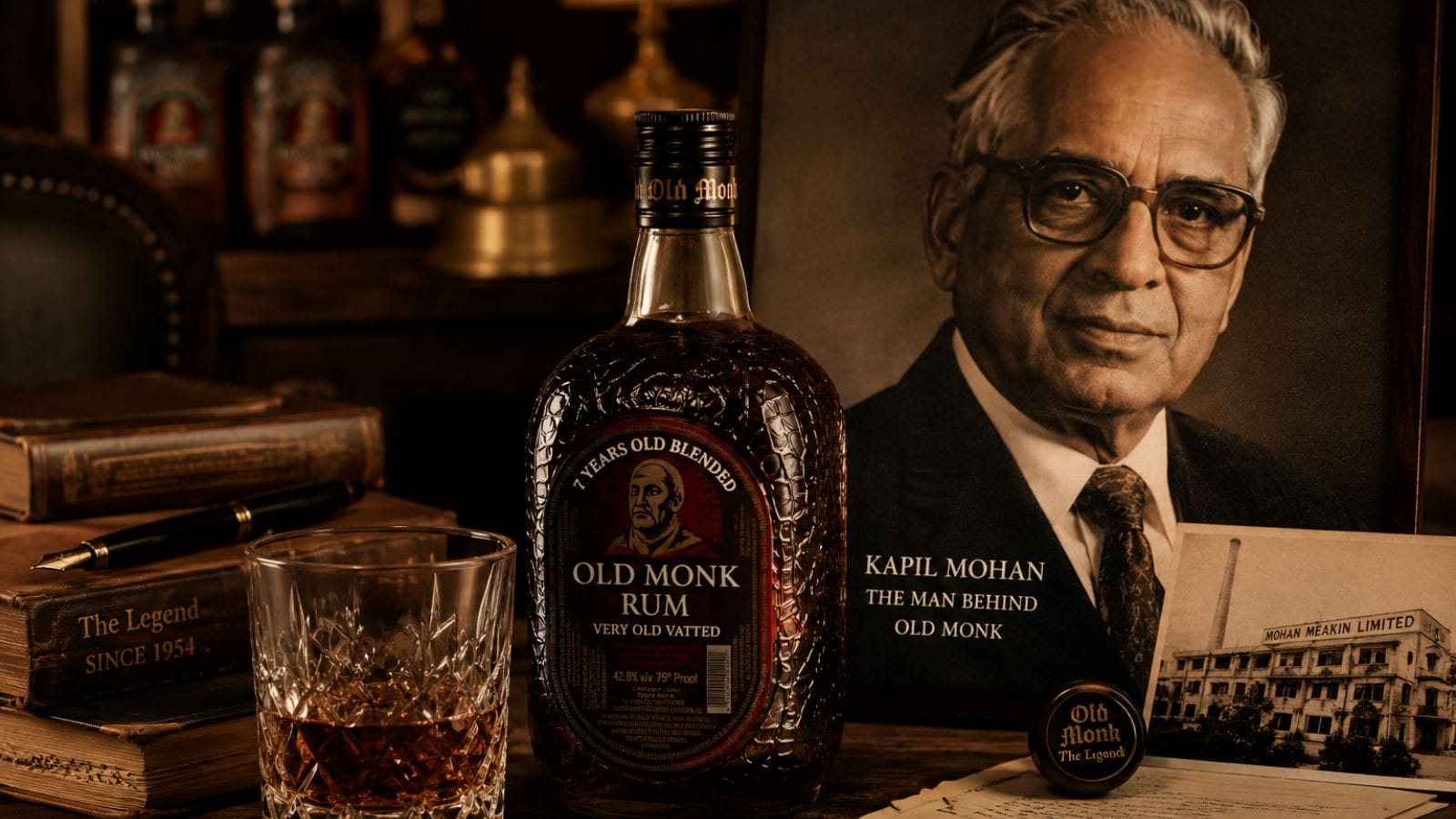
Perhaps the most surprising chapter in the Old Monk story is the man who made it famous. Kapil Mohan, the former chairman of Mohan Meakin, never drank alcohol. A retired Army officer and a devoted tea lover, he took over the family business after the death of his elder brother Ved Ratan Mohan, who had created the rum. Under Kapil Mohan’s leadership from the early 1970s, Old Monk transformed from a popular Indian spirit into the world’s best-selling dark rum by 2000. (Credit: Facebook)
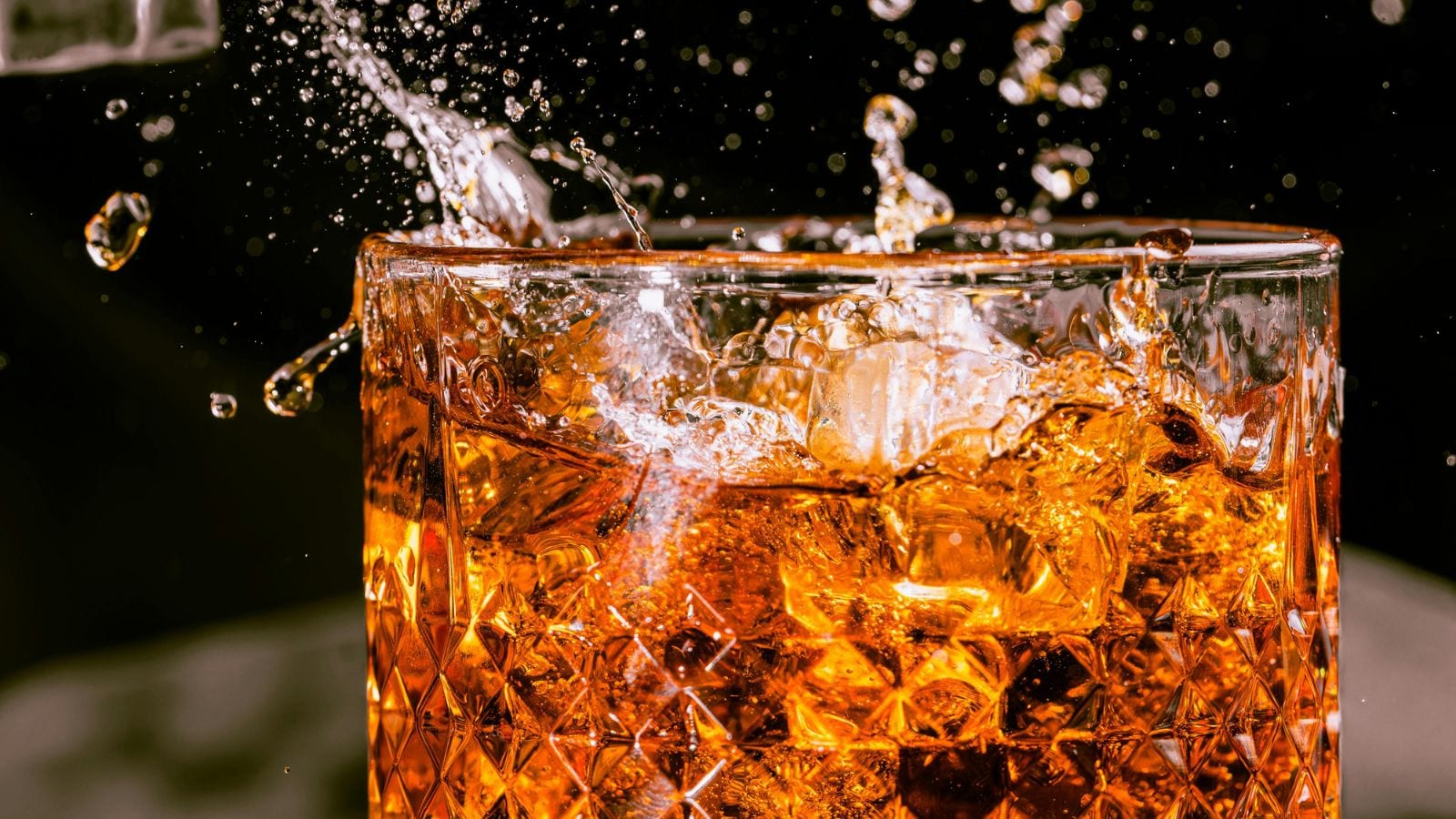
The mystery surrounding Old Monk only adds to its legend. No one knows for certain how it got its name. Some believe it references the wooden barrels traditionally stored in monasteries, while others say the mature, complex flavour reminded its creators of the wisdom of an old monk. Even its iconic bottle has barely changed over the decades, becoming instantly recognisable to generations of Indians who associate it with winter evenings, old friendships and family celebrations.
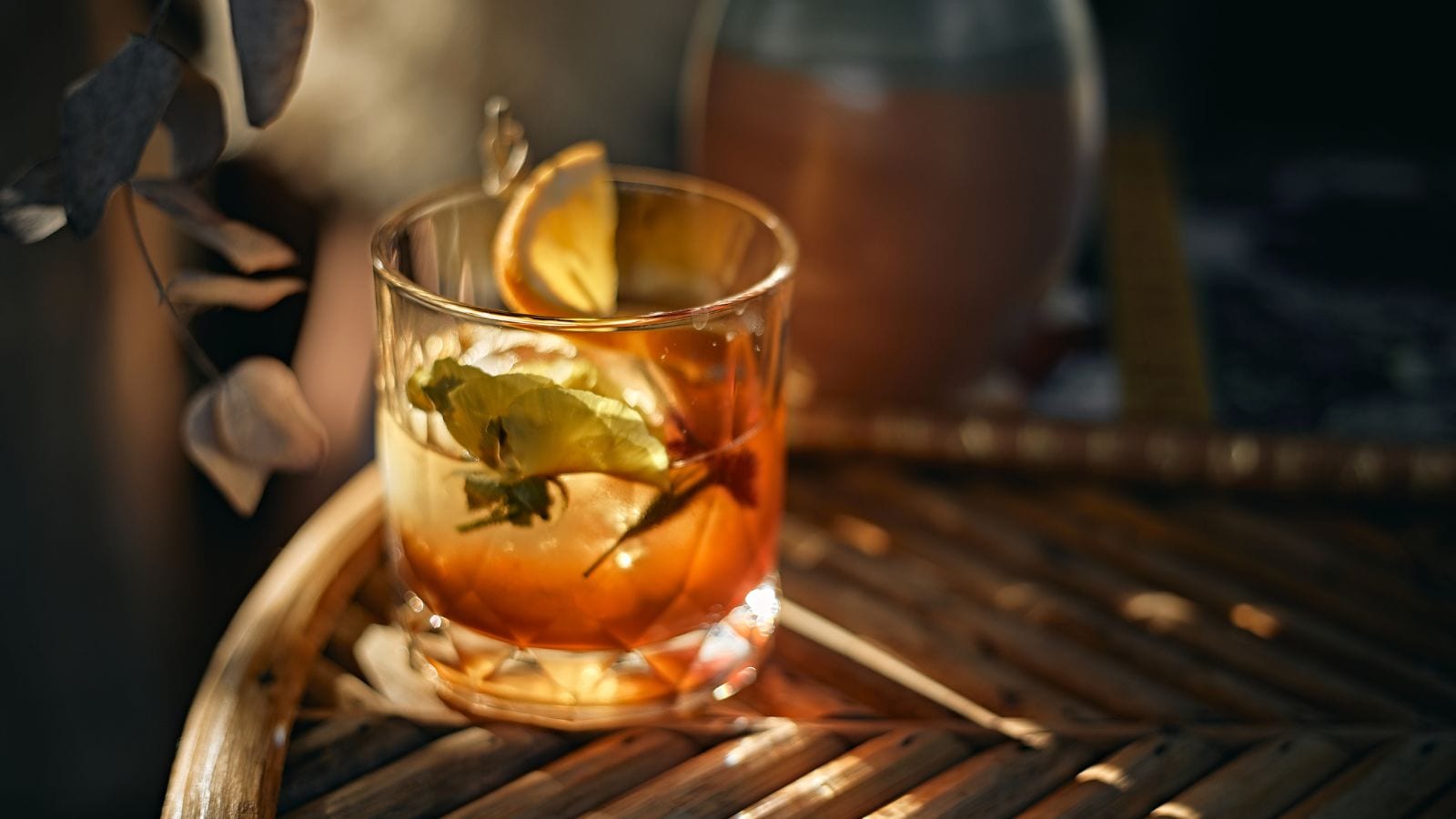
Even more unusual was how the brand chose to grow. Old Monk never relied on advertising. In fact, Kapil Mohan deliberately stopped actively promoting it, believing the rum should earn its reputation through quality rather than marketing. It worked. Stories, recommendations and nostalgia did the heavy lifting. Rumours of Old Monk being discontinued even triggered panic among loyal fans years ago, forcing the company to publicly clarify that production wasn’t stopping
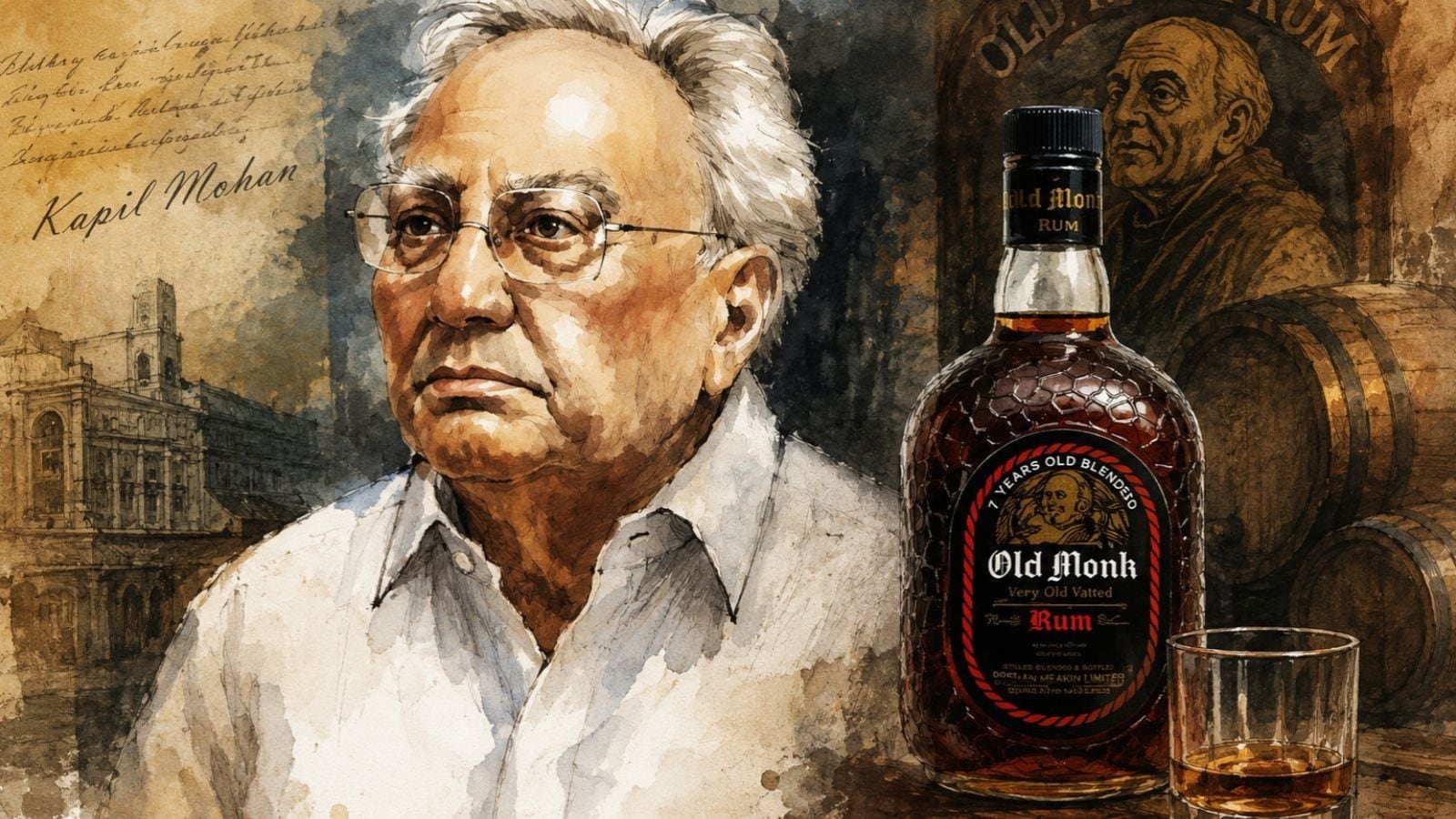
Old Monk’s roots stretch back to colonial India. Mohan Meakin traces its history to a brewery established in 1885 before becoming an Indian-owned company after Independence. Over time, the rum found admirers in more than 50 countries, including the UK, the US, Japan, Germany, Canada and the UAE. At its peak, it became one of the world’s most successful dark rums, proving an Indian spirit could compete globally without changing its identity.
(AI-generated)
In an era when brands chase trends, influencers and viral campaigns, Old Monk remains refreshingly old-school. Its recipe has endured, its bottle still sparks nostalgia and its reputation continues to spread the way it always has—from one satisfied drinker to another. On World Rum Day, that’s perhaps the biggest lesson of all: sometimes, the strongest brand story is the one that never needed to be sold. (AI-generated)