







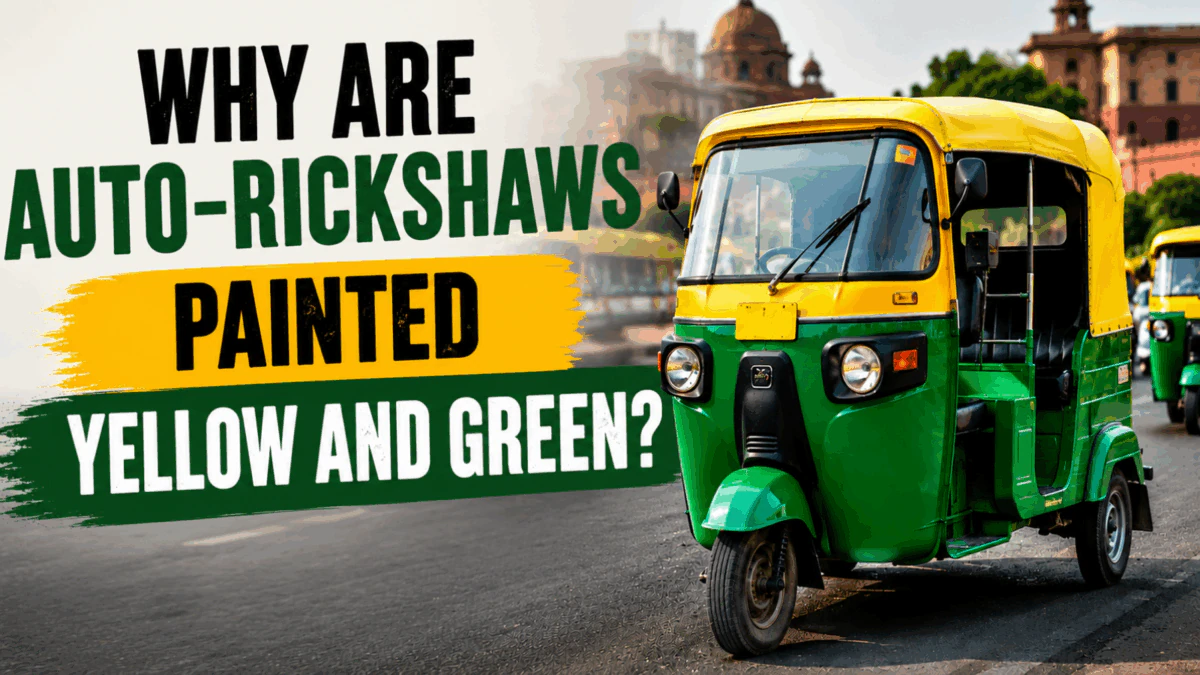
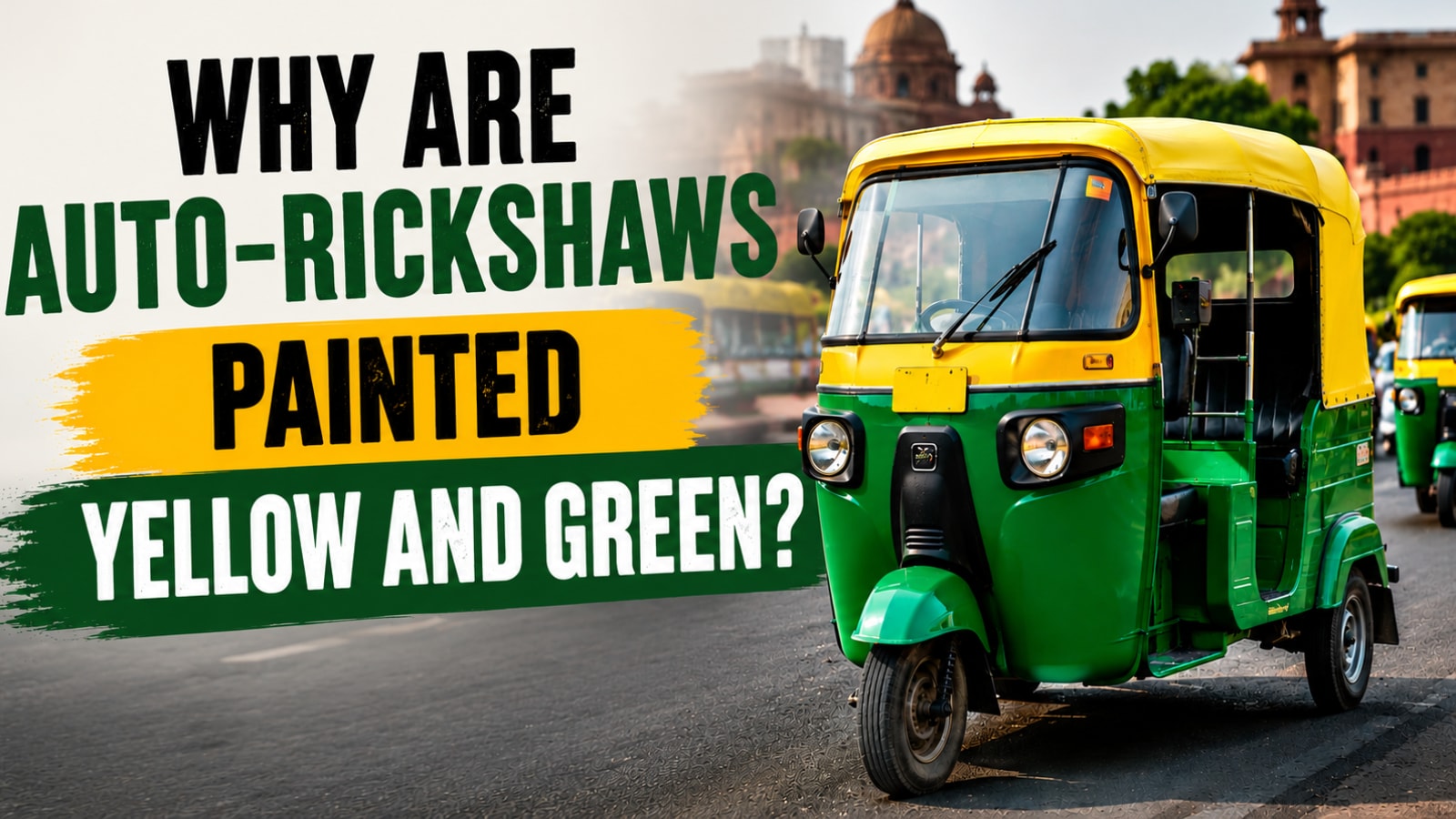
Auto-rickshaws are among the most recognisable sights on Indian roads. But have you ever wondered why so many of them have the same yellow-and-green colour combination? (Image-AI)
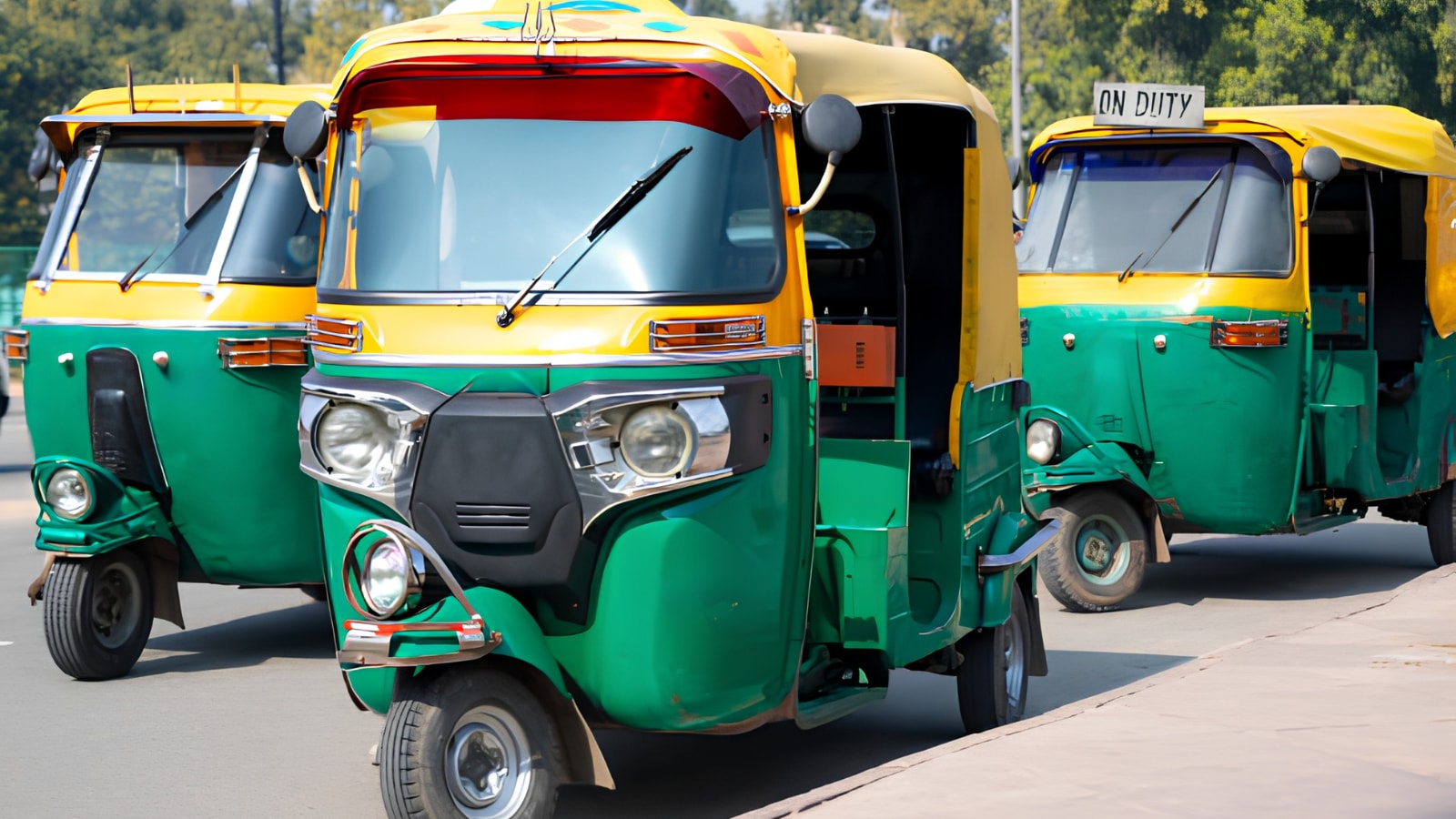
The familiar paint scheme was not chosen merely for aesthetics. Over the years, transport authorities introduced specific colour codes to help identify commercial three-wheelers across cities. (Image-Canva)
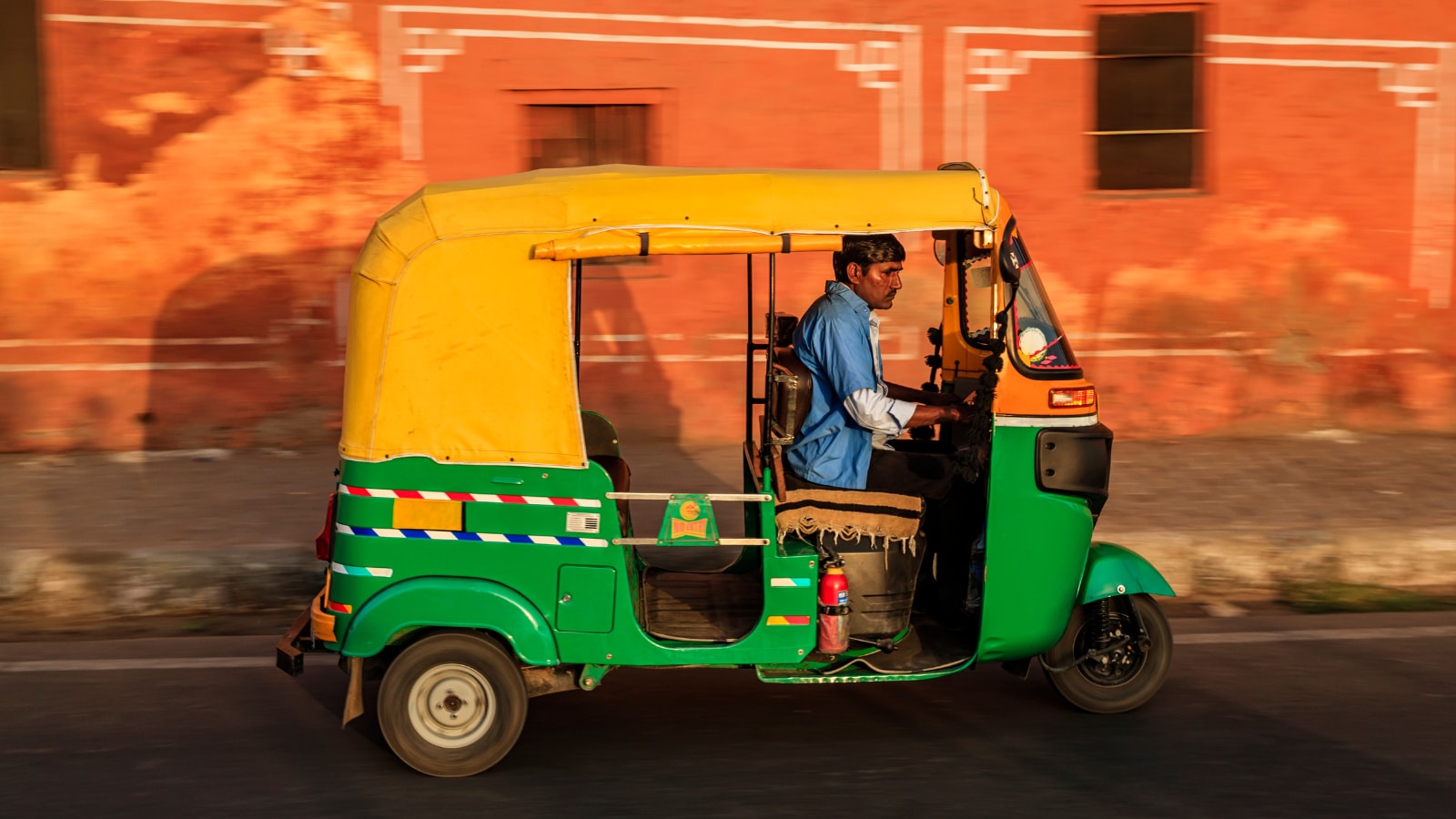
One key reason behind the colour choice is environmental awareness. Several states adopted the yellow-and-green look while encouraging auto-rickshaws to switch to cleaner fuel alternatives. (Image-Canva)
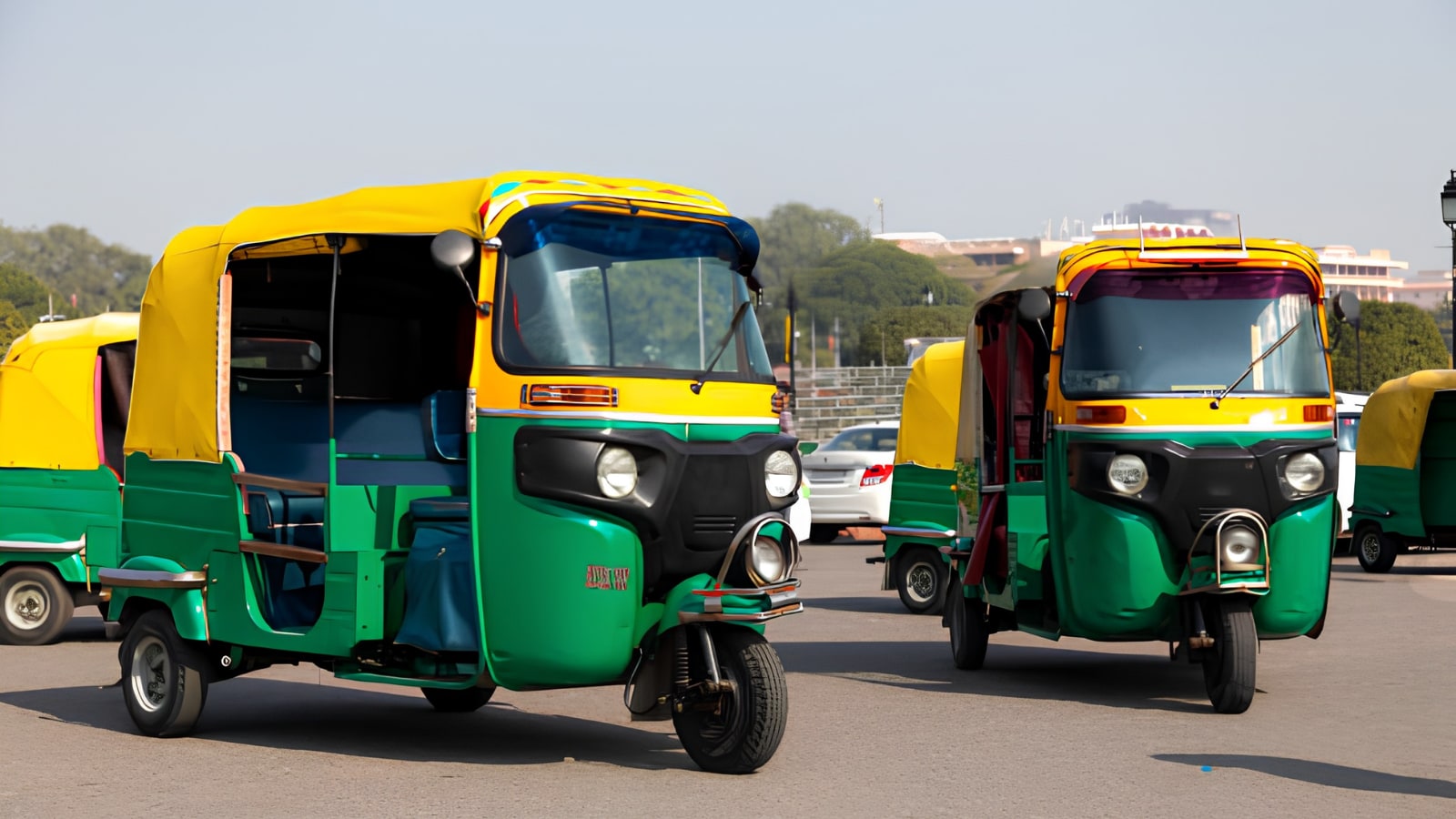
Green became associated with eco-friendly transport, particularly vehicles running on CNG, LPG, or electric power. The colour helped distinguish cleaner autos from older fuel-powered versions. (Image-Canva)
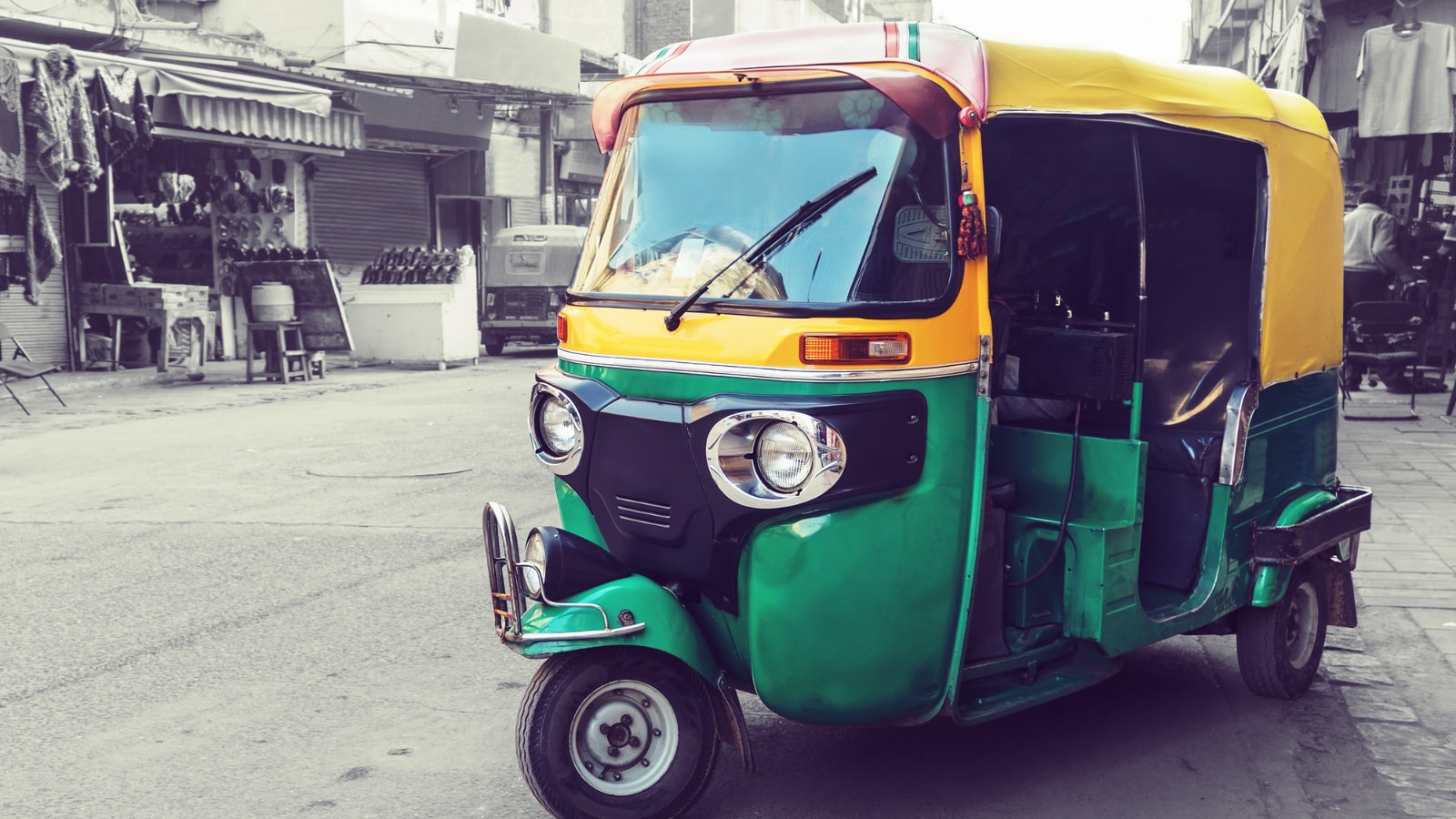
The bright yellow roof serves a practical purpose too. Its high visibility makes auto-rickshaws easier for passengers, pedestrians, and motorists to spot in crowded traffic conditions. (Image-Canva)
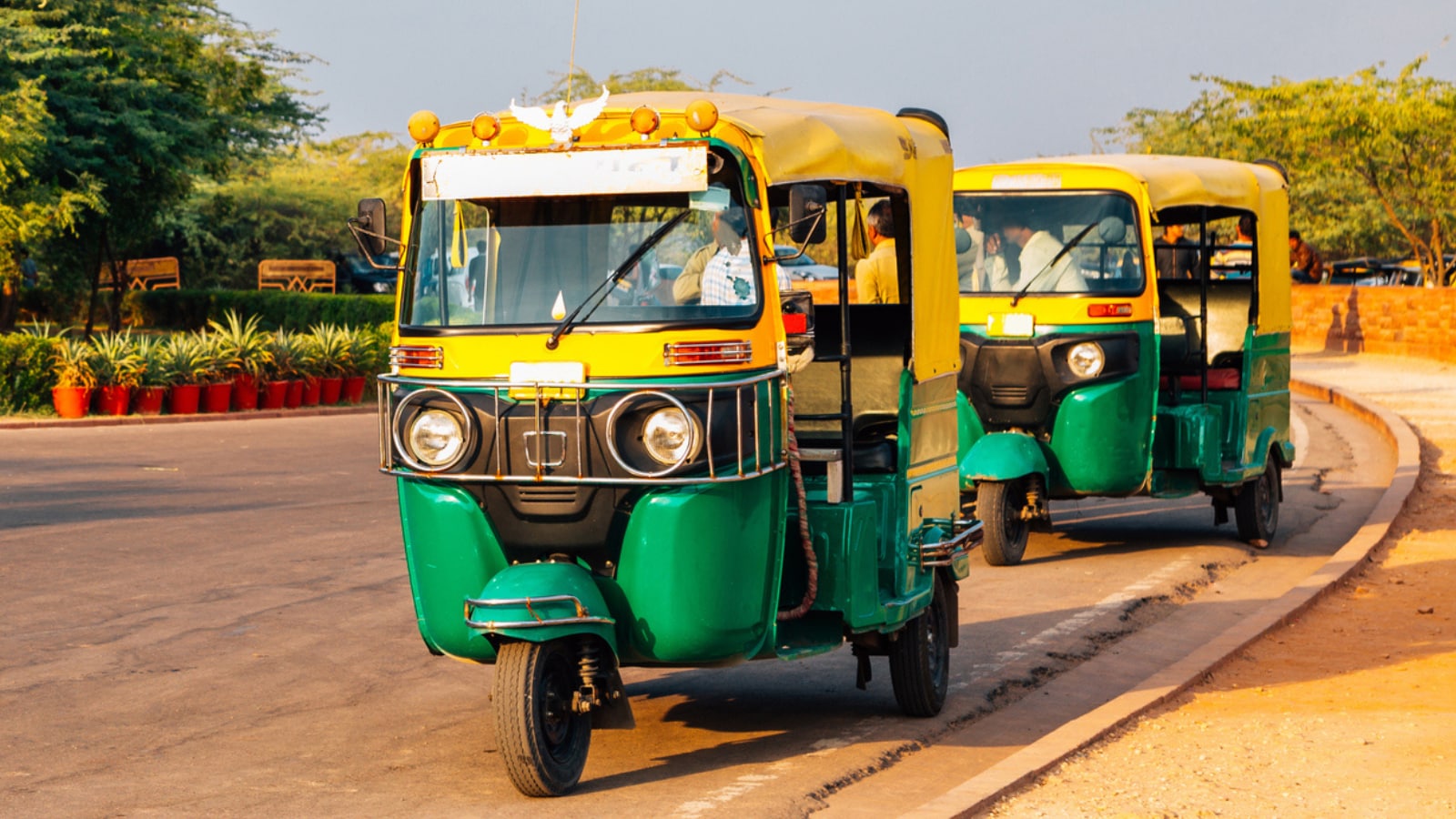
Different cities have followed different transport policies over time. While some retained older colour patterns, others introduced green-and-yellow liveries alongside clean-fuel conversion programmes. (Image-Canva)
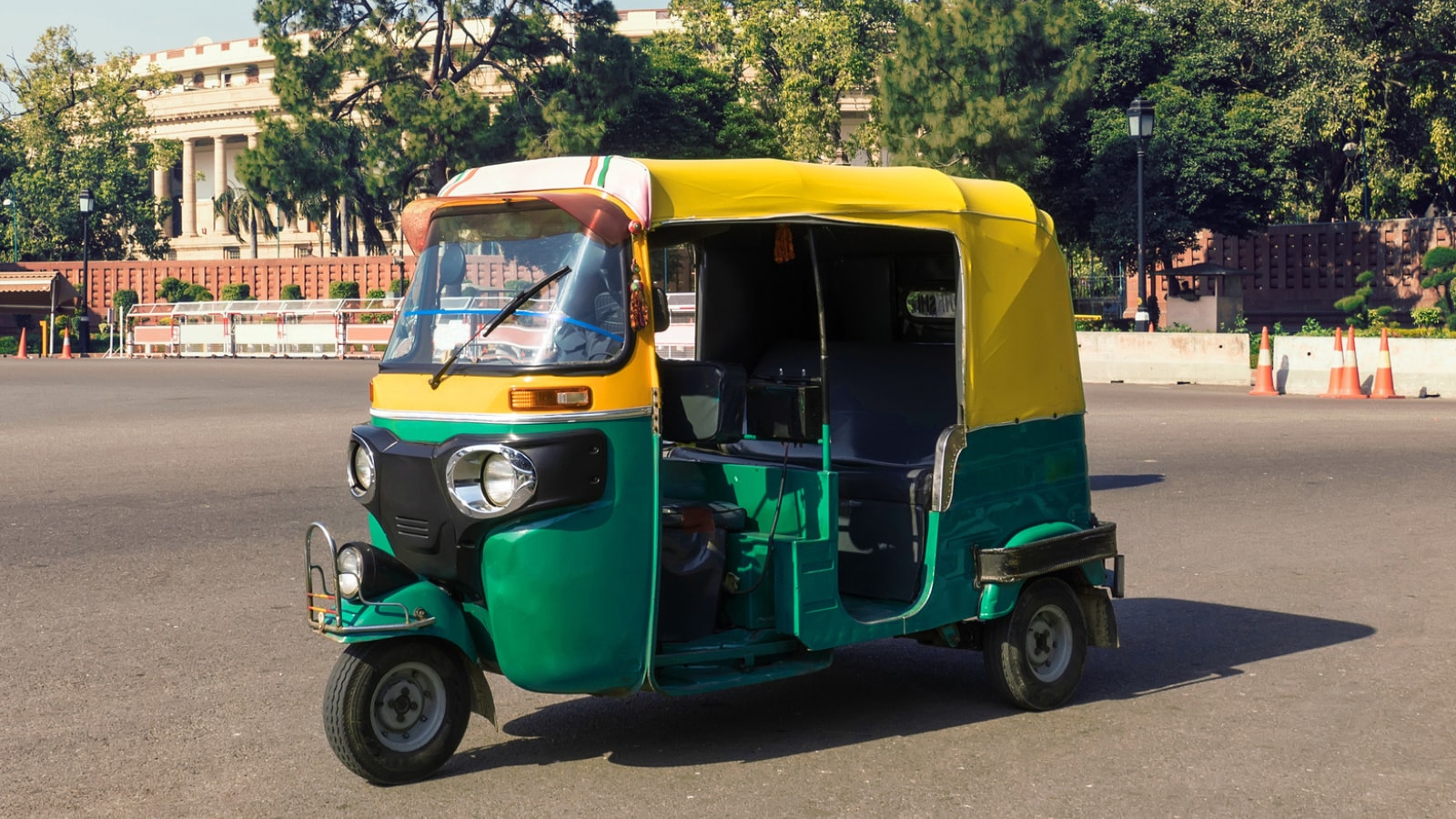
Although variations exist across India, the yellow-and-green auto-rickshaw remains the most iconic. It reflects a blend of safety, regulation, and the push towards greener urban mobility. (Image-Canva)