







The Rajya Sabha recently passed the Prevention of Insults to National Honour (Amendment) Bill, 2026, extending the same statutory protection to Vande Mataram as India’s National Anthem. As our national song makes headlines once again, here’s a look at six lesser-known facts about its history, origins and enduring legacy.
The phrase Vande Mataram (also spelt Bande Mataram) translates to “I bow to thee, Mother” or “I praise thee, Mother.” Here, Mataram refers to the motherland, personified as Bharat Mata (Mother India) and, in the context of Bengal, Bangamata (Mother Bengal).

Bankim Chandra Chattopadhyay composed Vande Mataram around 1875, decades before India gained Independence. It was first published in the literary magazine ‘Bangadarshan’ before becoming part of his celebrated Bengali novel ‘Anandamath’ in 1882. The original composition was written in Sanskrit.
‘Vande Mataram’ was first performed publicly at the 1896 session of the Indian National Congress, where Nobel laureate Rabindranath Tagore sang it. The performance introduced the song to a wider audience and helped cement its place in India’s freedom movement.
Although ‘Vande Mataram’ has six stanzas, only the first two are officially recognised as India’s National Song. These verses celebrate the beauty and spirit of the motherland and were adopted to ensure the song remained inclusive.
Featured in ‘Anandamath’, ‘Vande Mataram’ soon became a rallying cry for freedom fighters resisting British rule. Over time, it evolved from a literary composition into one of the most enduring symbols of patriotism.
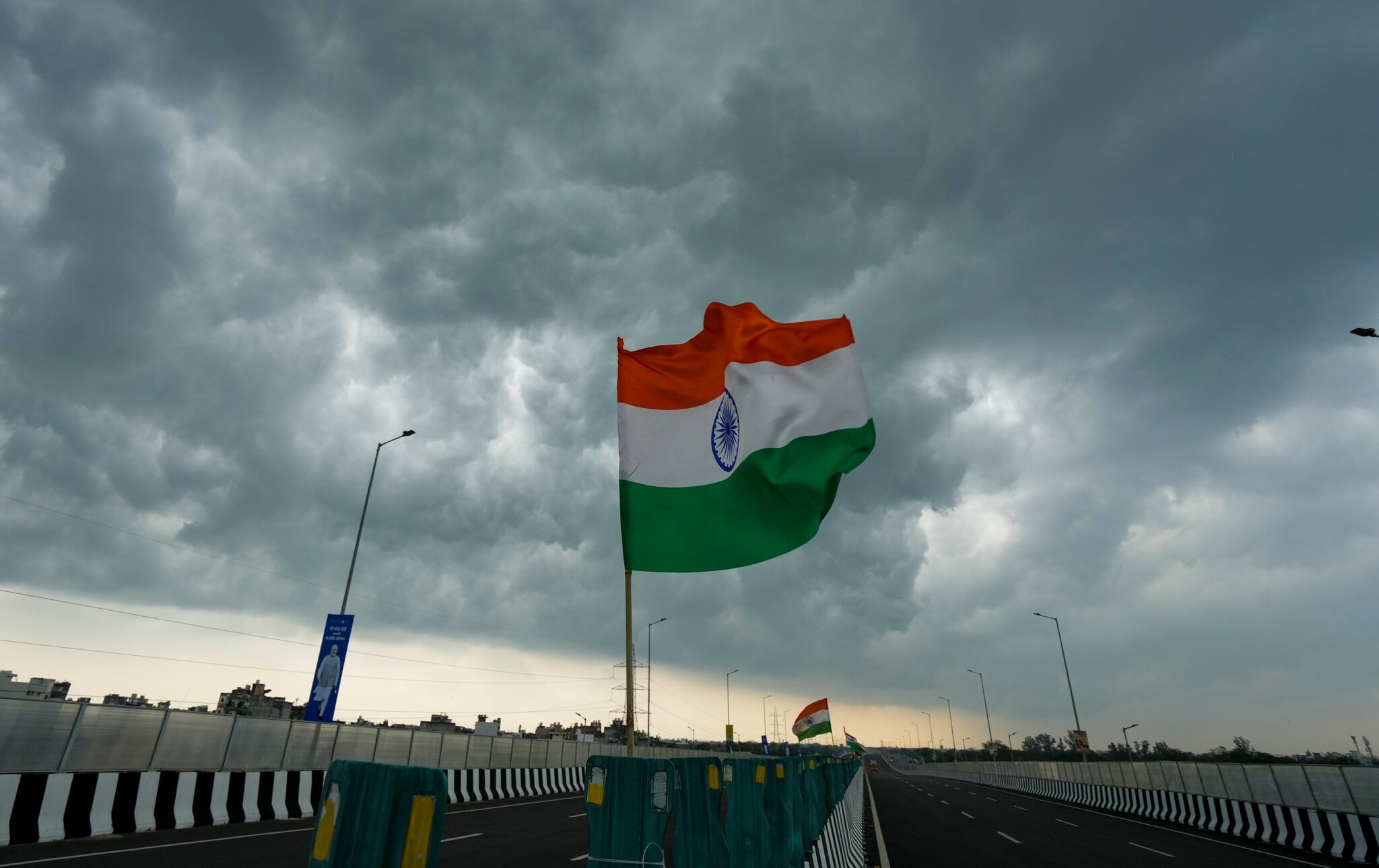
On January 24, 1950, Constituent Assembly President Dr. Rajendra Prasad announced that while ‘Jana Gana Mana’ would be India’s National Anthem, ‘Vande Mataram’ would continue to enjoy equal honour as the National Song in recognition of its historic role in India’s freedom movement.