


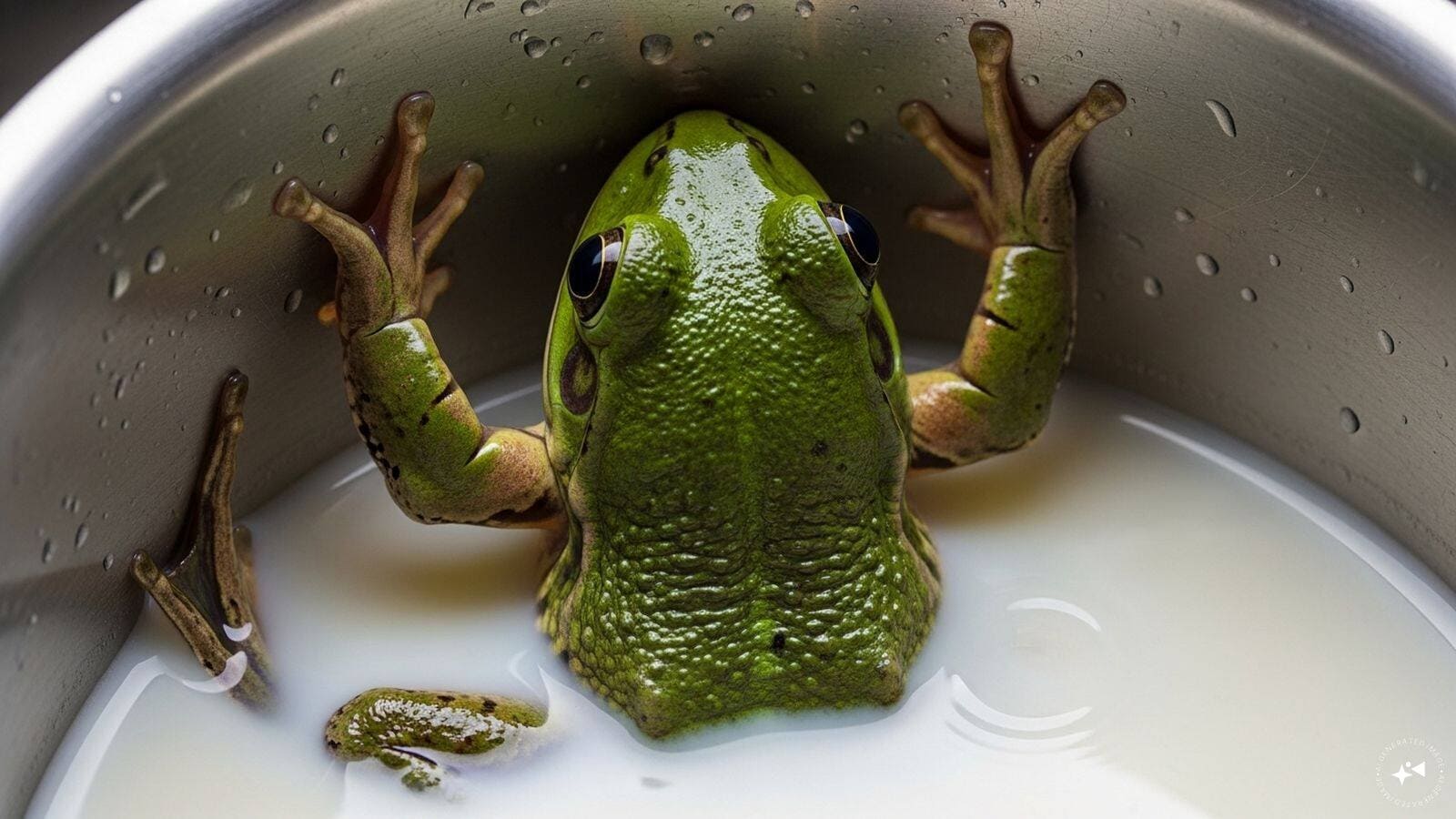
Today, refrigerators make it easy to keep milk fresh for days. But long before modern cooling technology existed, people in some parts of Russia and Finland relied on an unusual method to prevent milk from spoiling: they placed a live frog inside the milk container.
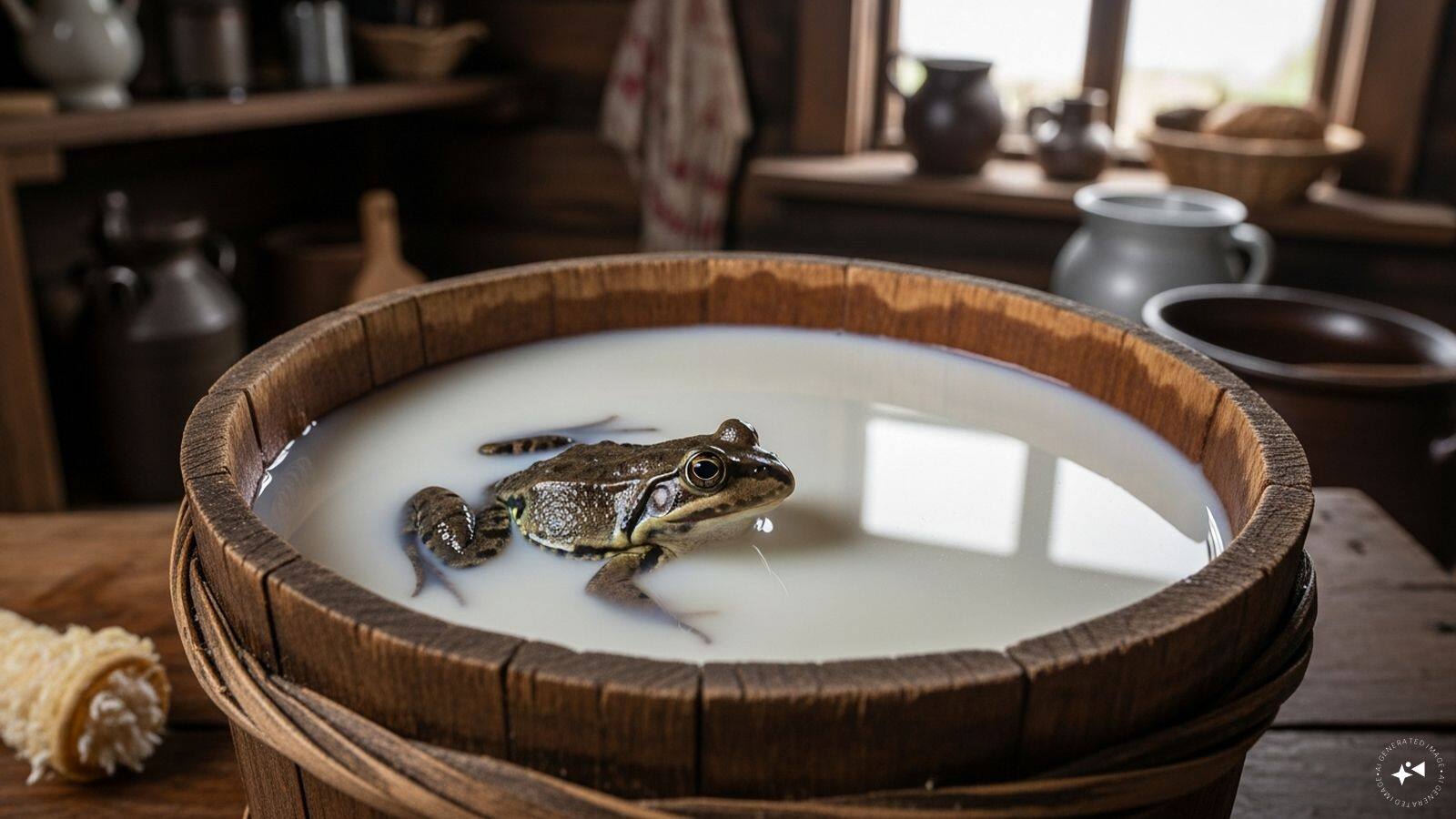
While the practice may sound bizarre by modern standards, researchers say it was not based on superstition or folklore alone. Scientific studies have suggested that there may have been a genuine biological reason behind the centuries-old tradition.
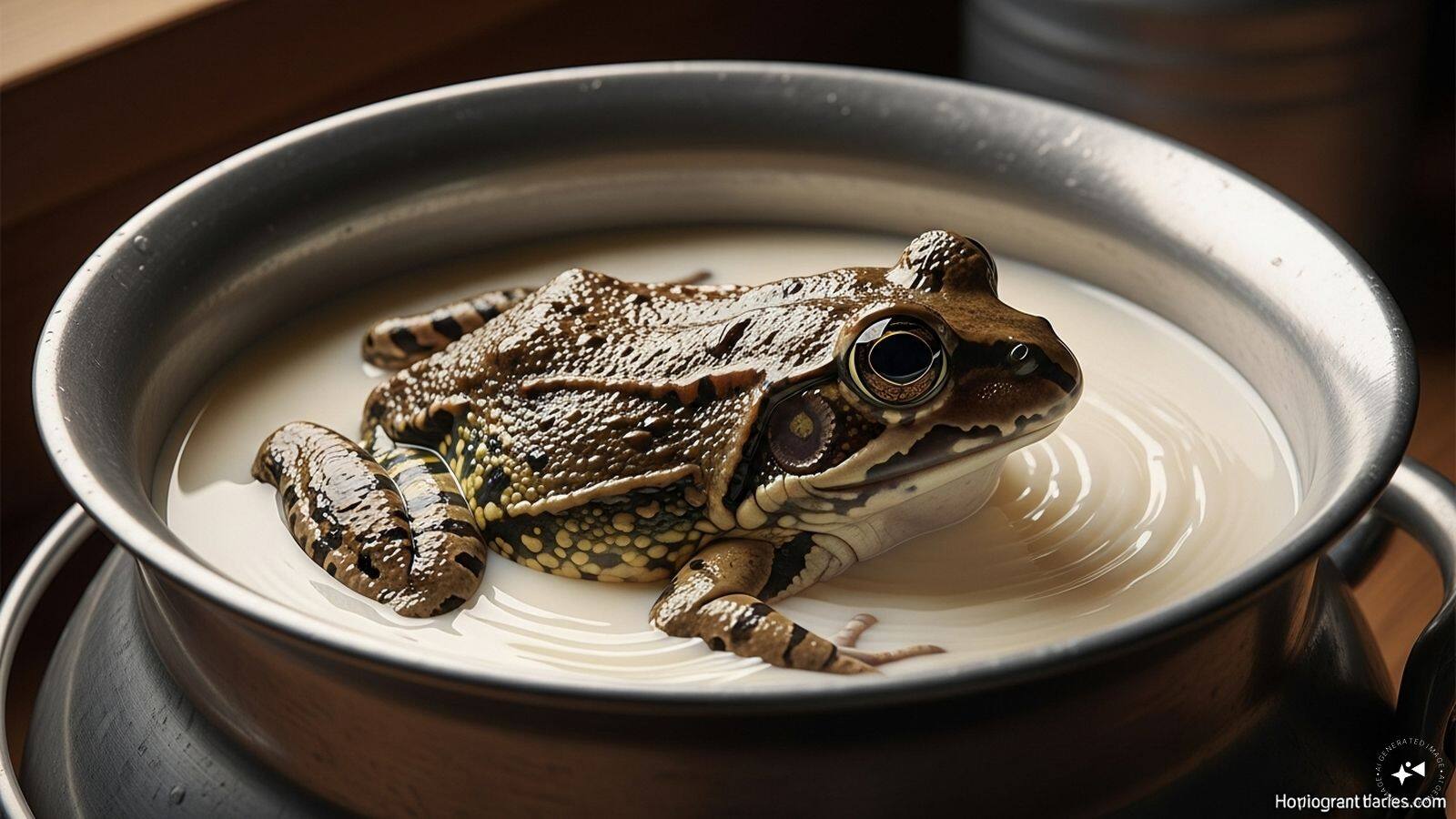
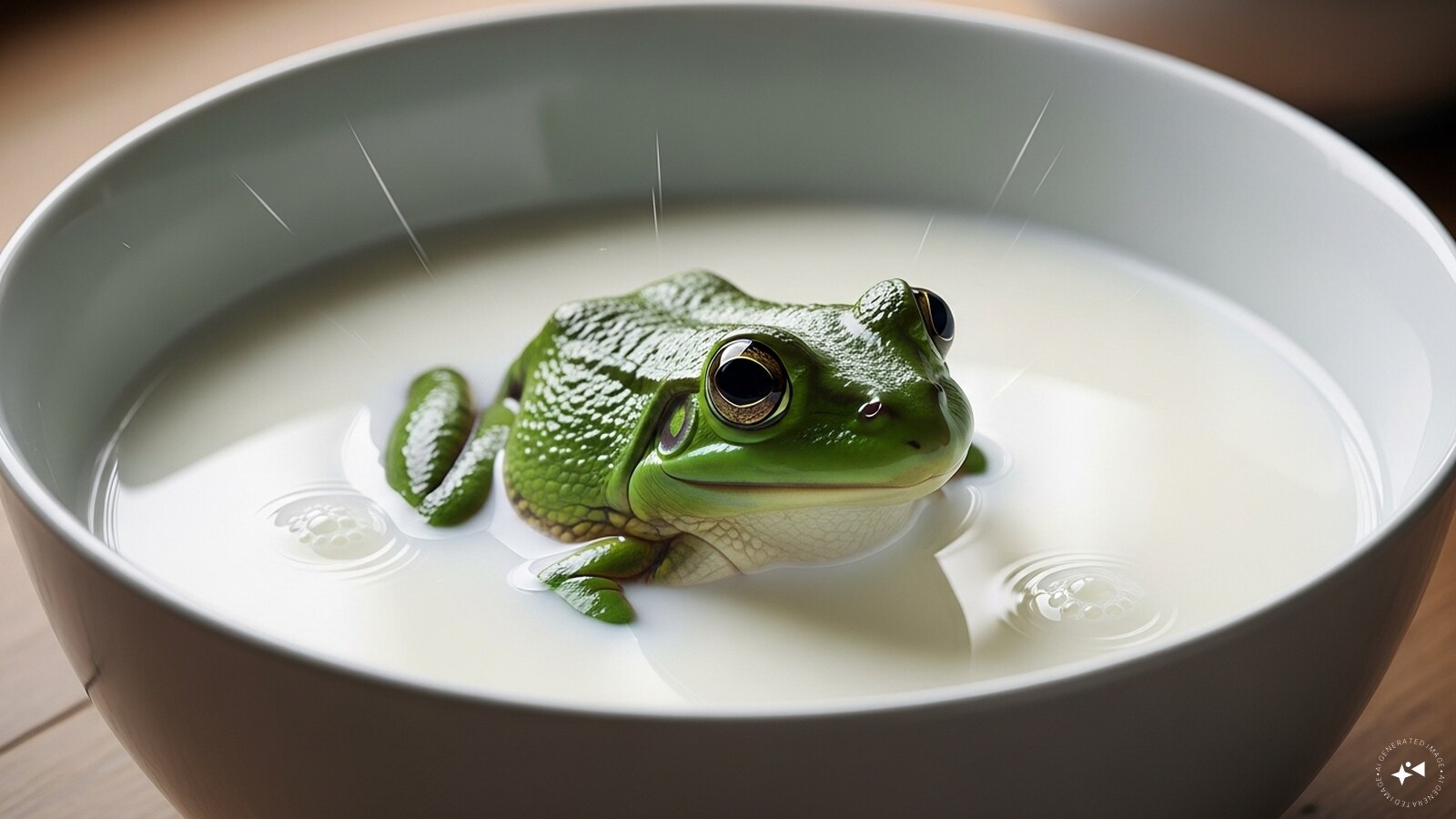
According to historical accounts, rural communities in Russia and Finland often used the common brown frog (Rana temporaria) to help preserve milk. The frog would be placed in a container of milk and later removed unharmed. The belief was that this helped keep the milk fresh for a longer period, especially in an era when refrigeration and air conditioning were unavailable.
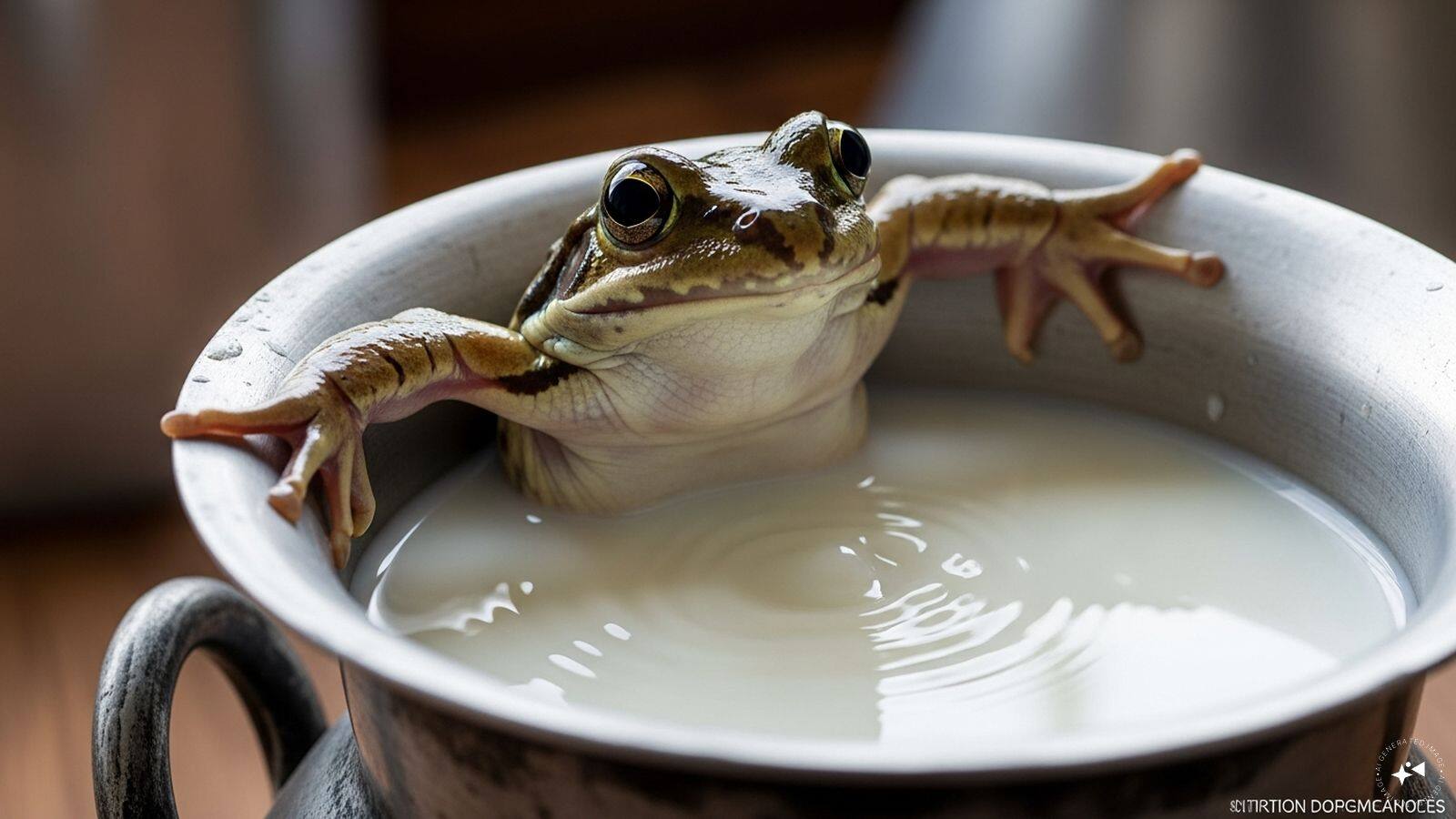
The scientific basis for this practice came into focus in 2012 when researchers from Moscow State University investigated the phenomenon. Their study found that the skin of the brown frog produces antimicrobial peptides, small protein molecules capable of fighting bacteria and fungi. These natural compounds can inhibit the growth of microorganisms that cause milk to spoil.
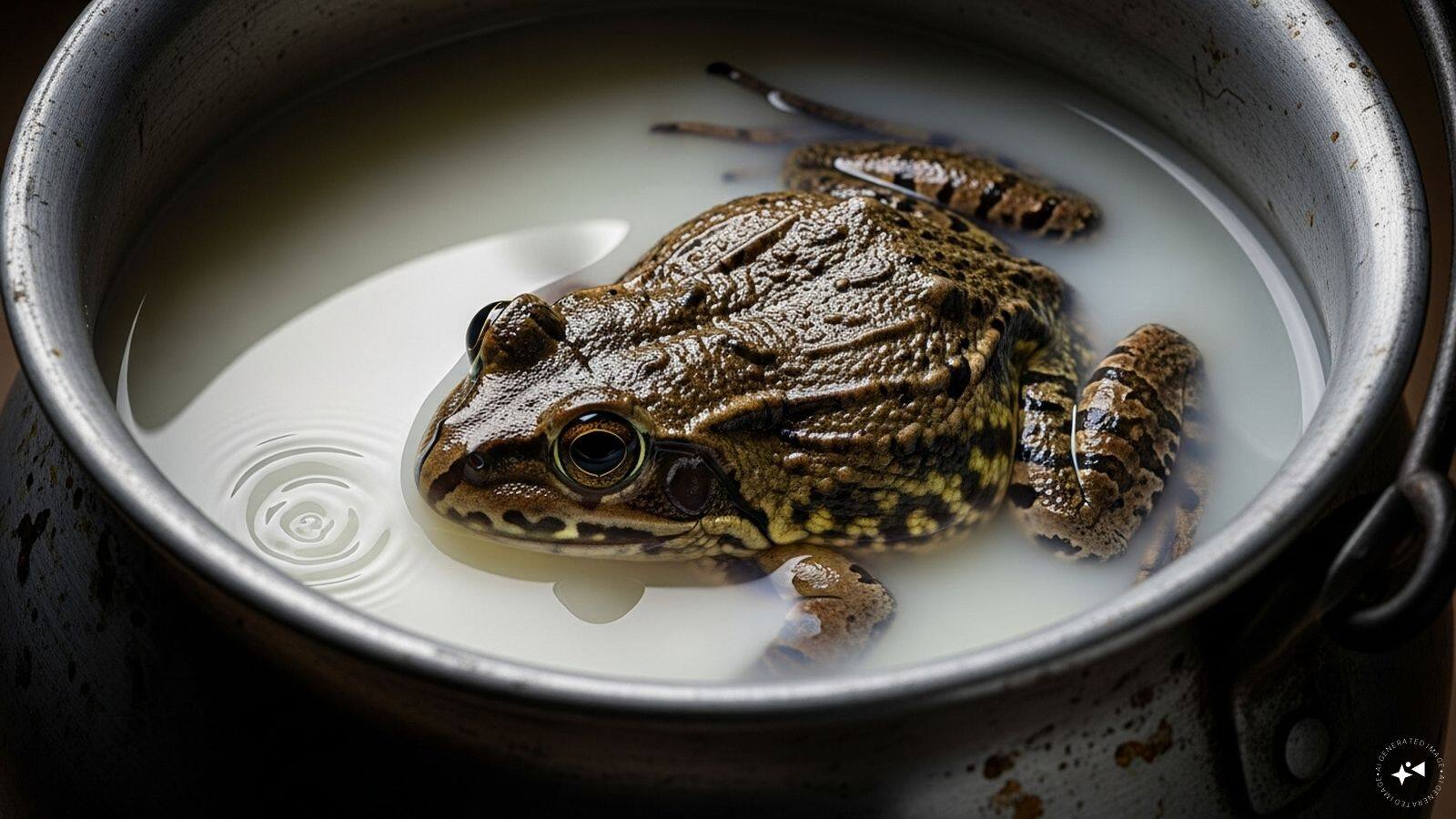
Scientists identified more than 70 previously unknown antimicrobial peptides in the frog’s skin. Several of these compounds were found to be effective against harmful bacteria. By slowing bacterial growth, the peptides may have helped delay the souring of milk and extend its freshness.
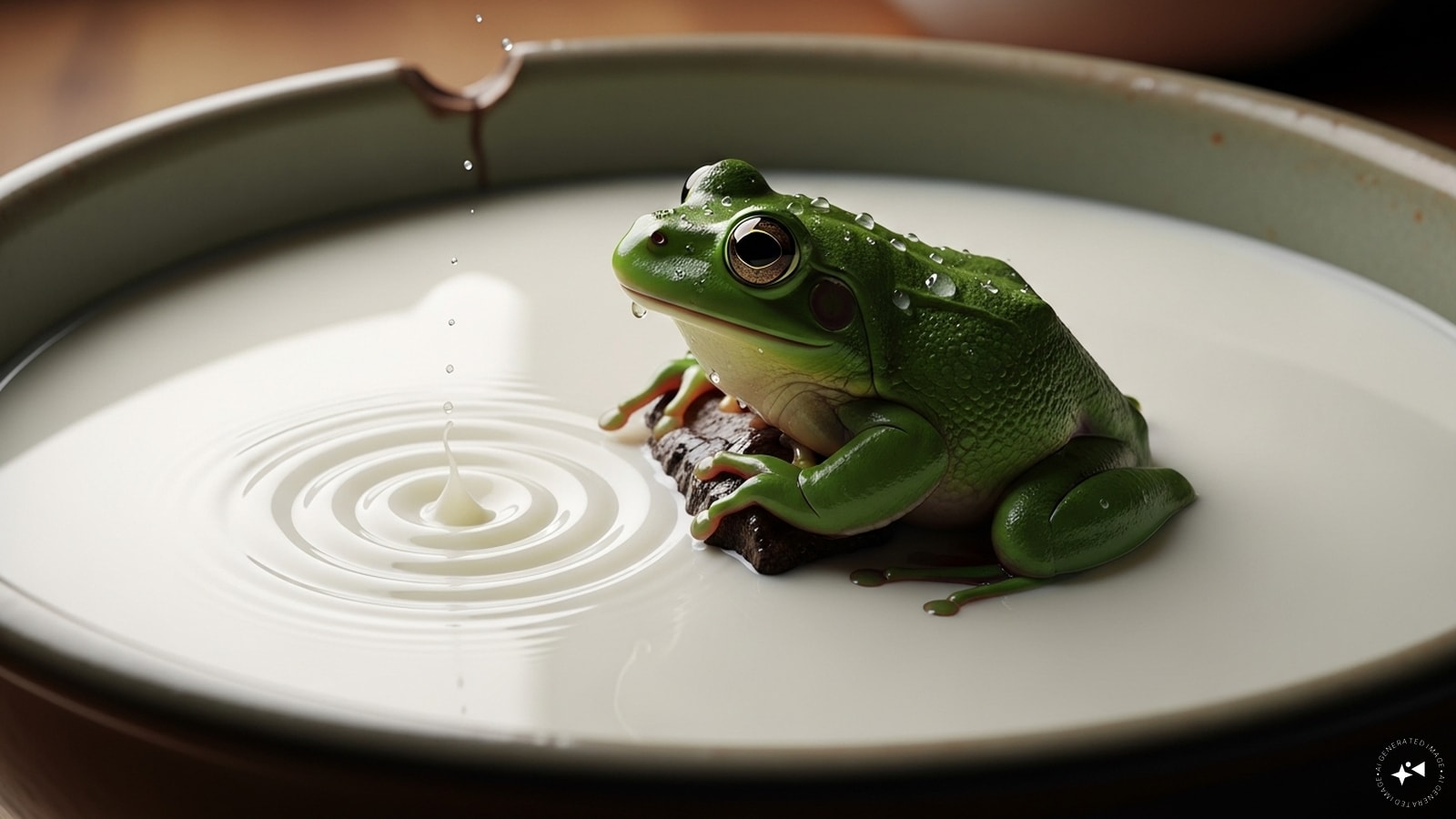
Researchers believe that the frog continuously releases these protective compounds into the milk, creating an environment less favourable for microbial growth. This may explain why the method remained popular in some rural communities for generations.
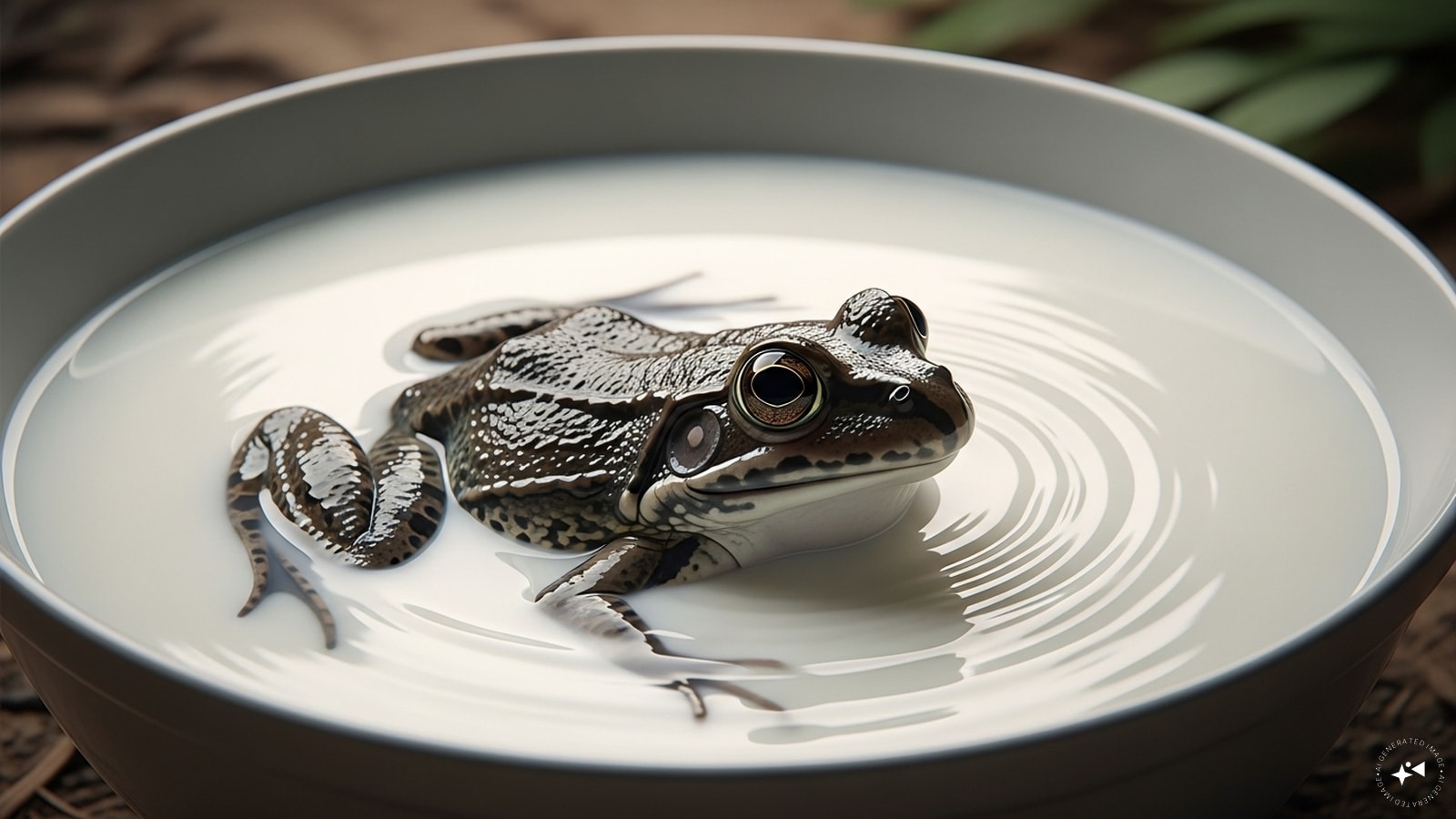
The discovery has attracted scientific interest beyond food preservation. Experts are now studying these antimicrobial peptides as potential candidates for the development of new antibiotics, particularly at a time when many bacteria are becoming resistant to existing drugs.
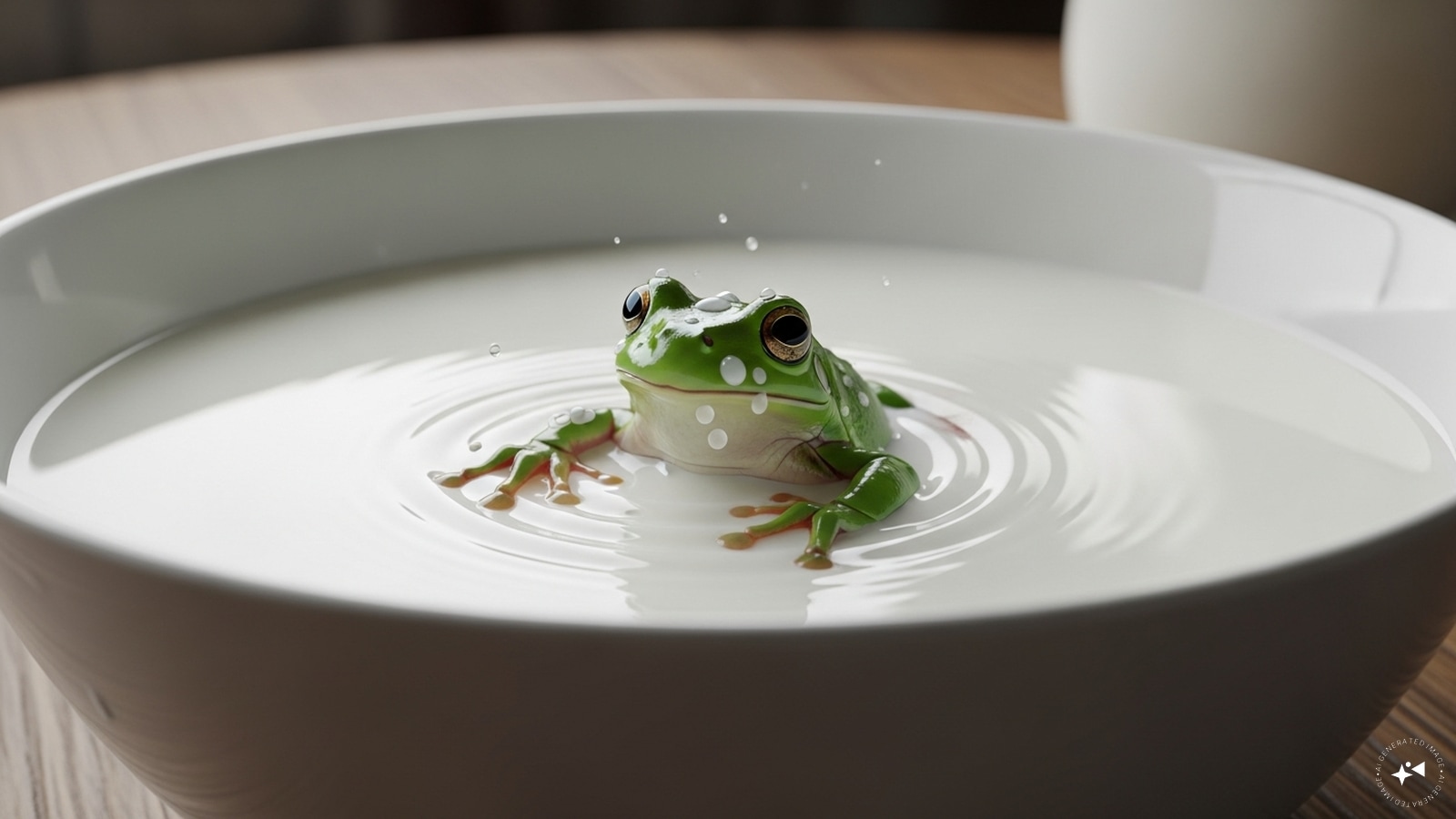
Research on frog-derived antimicrobial compounds has been discussed in scientific journals and by organisations such as the American Chemical Society. Scientists say these naturally occurring substances could have applications in both medicine and food preservation technologies in the future.
However, experts strongly caution against attempting this practice today. Modern food safety standards and hygiene requirements make such methods unsuitable and potentially risky. Instead, the fact serves as a fascinating example of how traditional knowledge sometimes aligns with scientific discoveries made centuries later.