








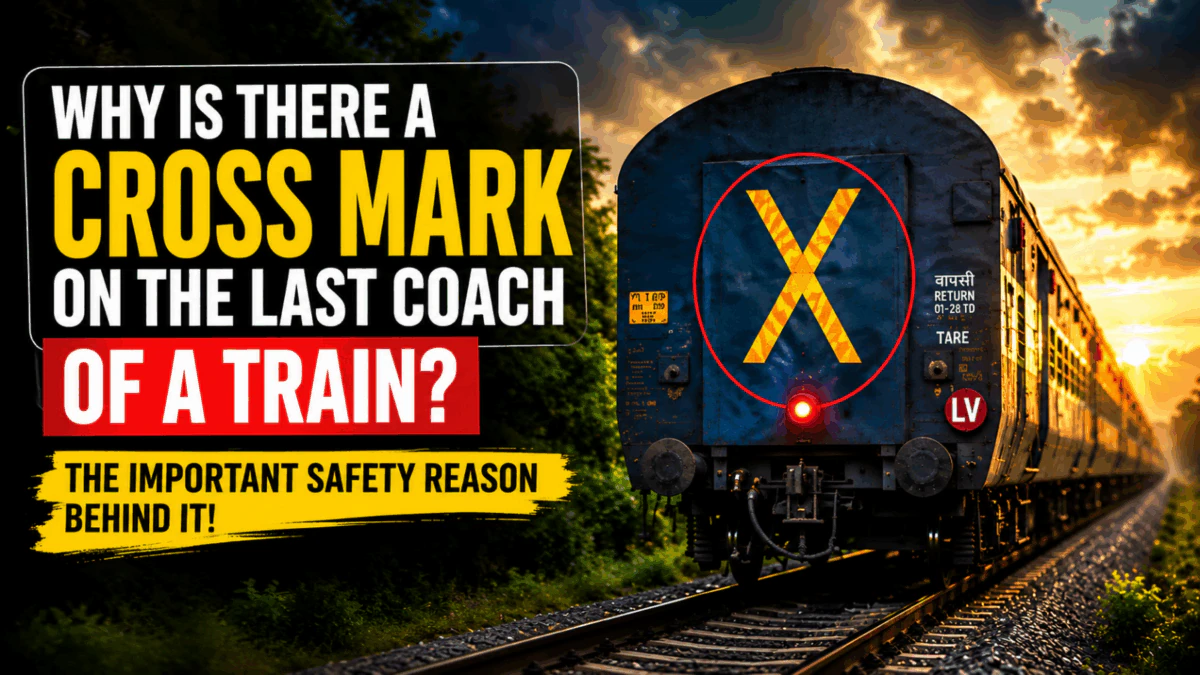
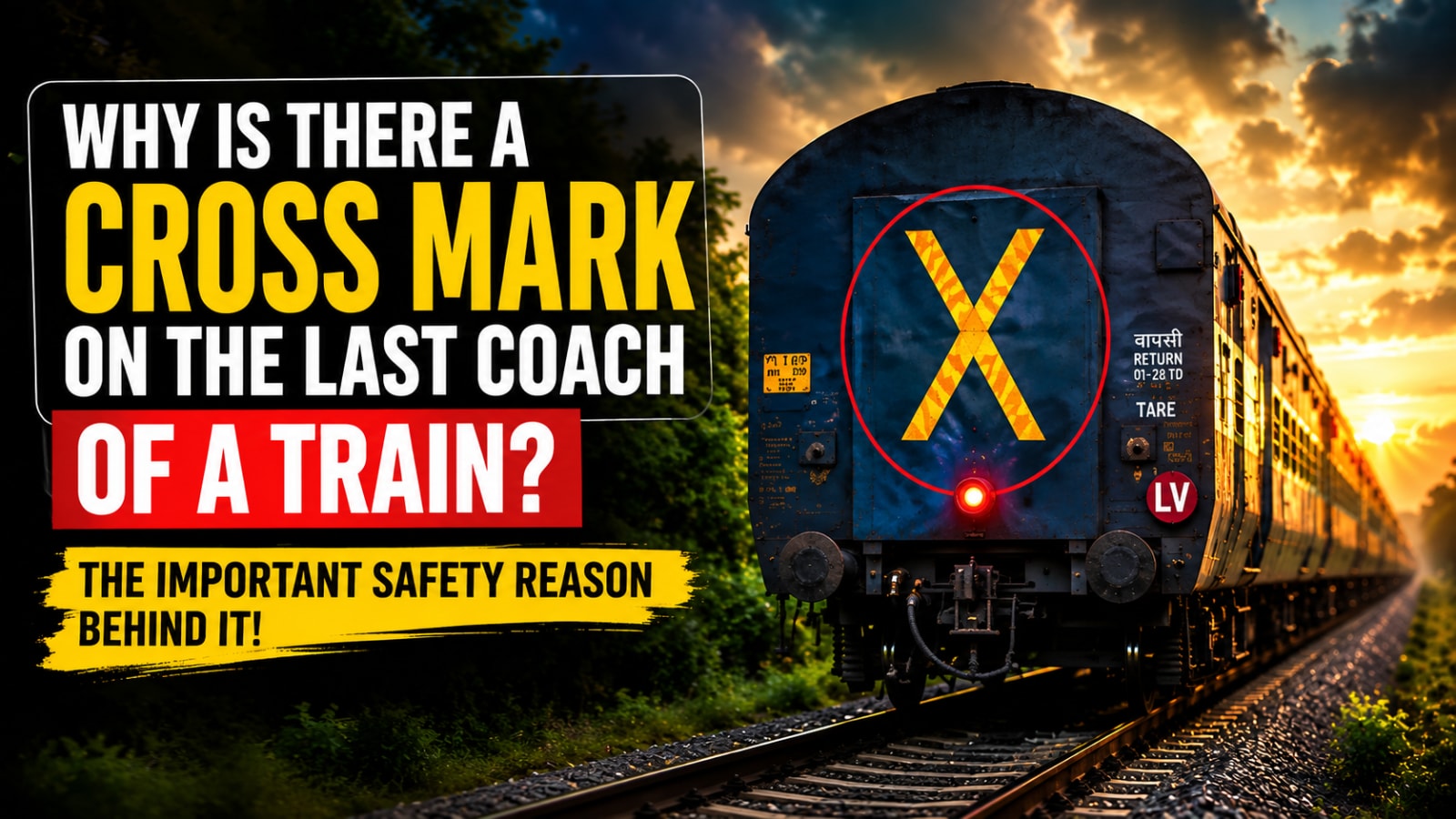
If you’ve ever travelled by train, you may have noticed a large white or yellow “X” painted on the final coach. While many passengers overlook it, this seemingly simple marking serves a far more important purpose than most realise. (Image-AI)
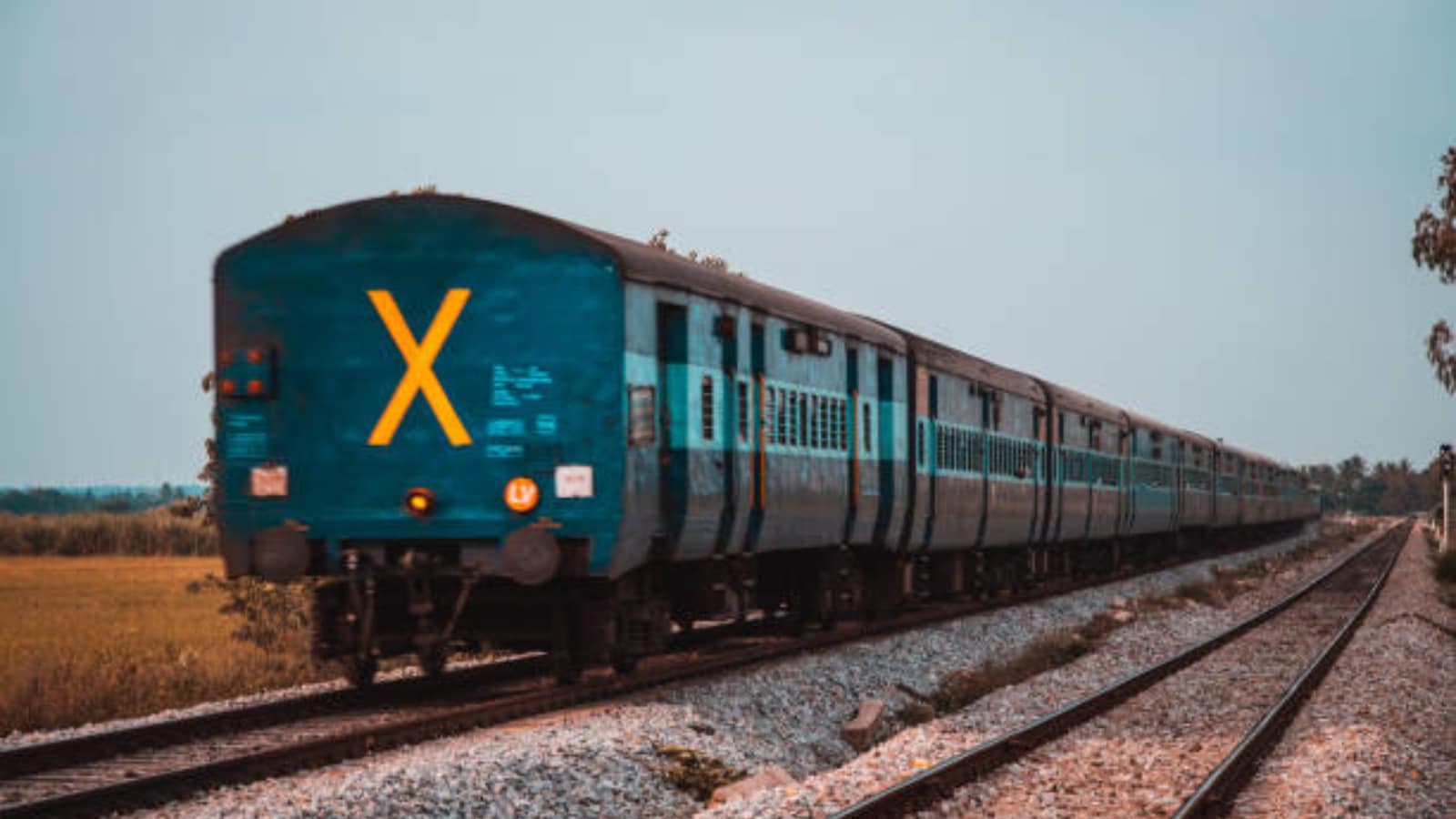
The “X” is not a decorative feature or a random railway tradition. It is a vital safety marker used by railway staff to identify the last coach of a train and verify that the entire train has safely passed through. (Image-Canva)
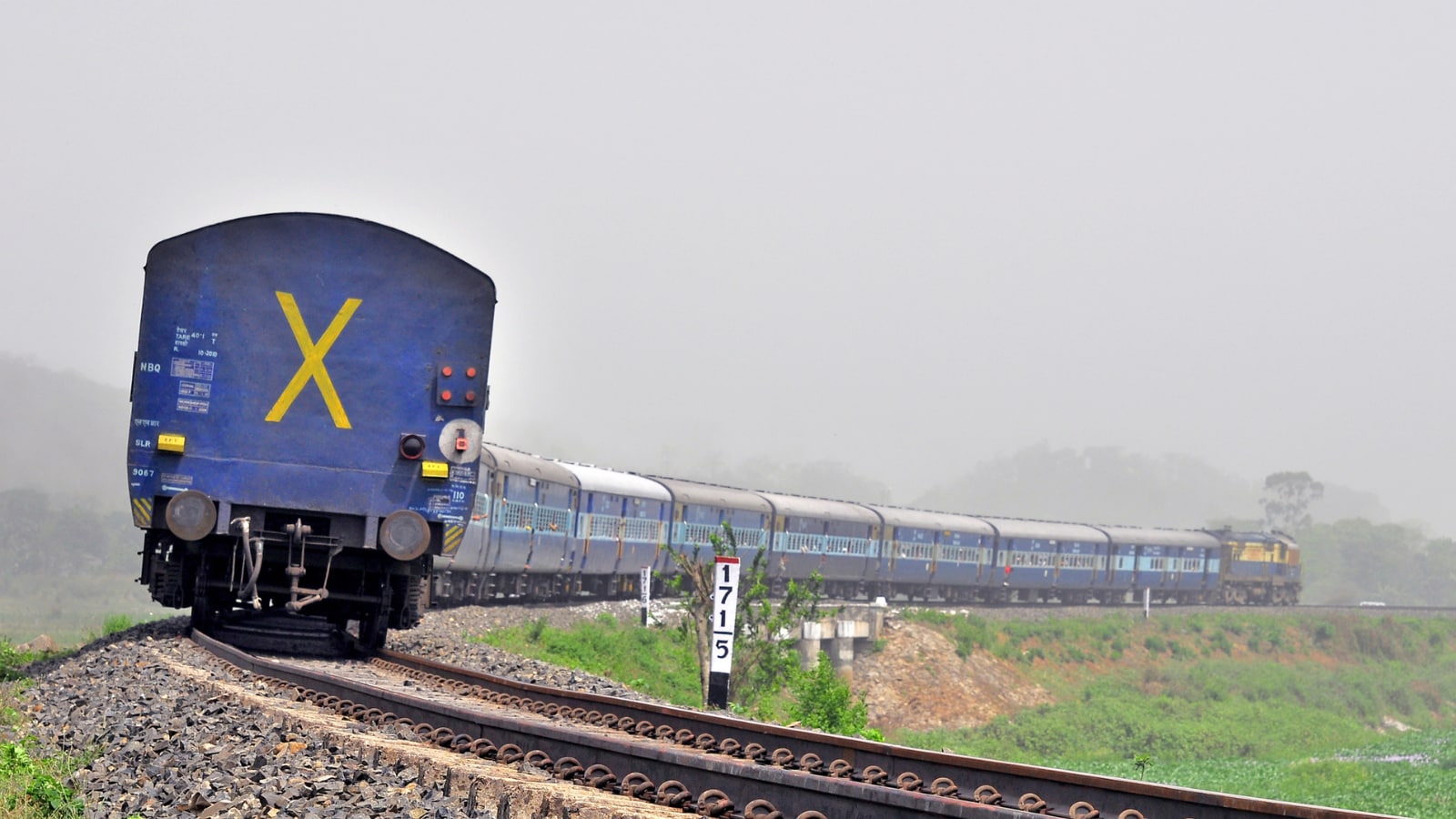
One of the primary functions of the “X” mark is to assure station staff and railway officials that no coach has been left behind. Once the marked coach passes, authorities know the train has cleared the section completely. (Image-Canva)
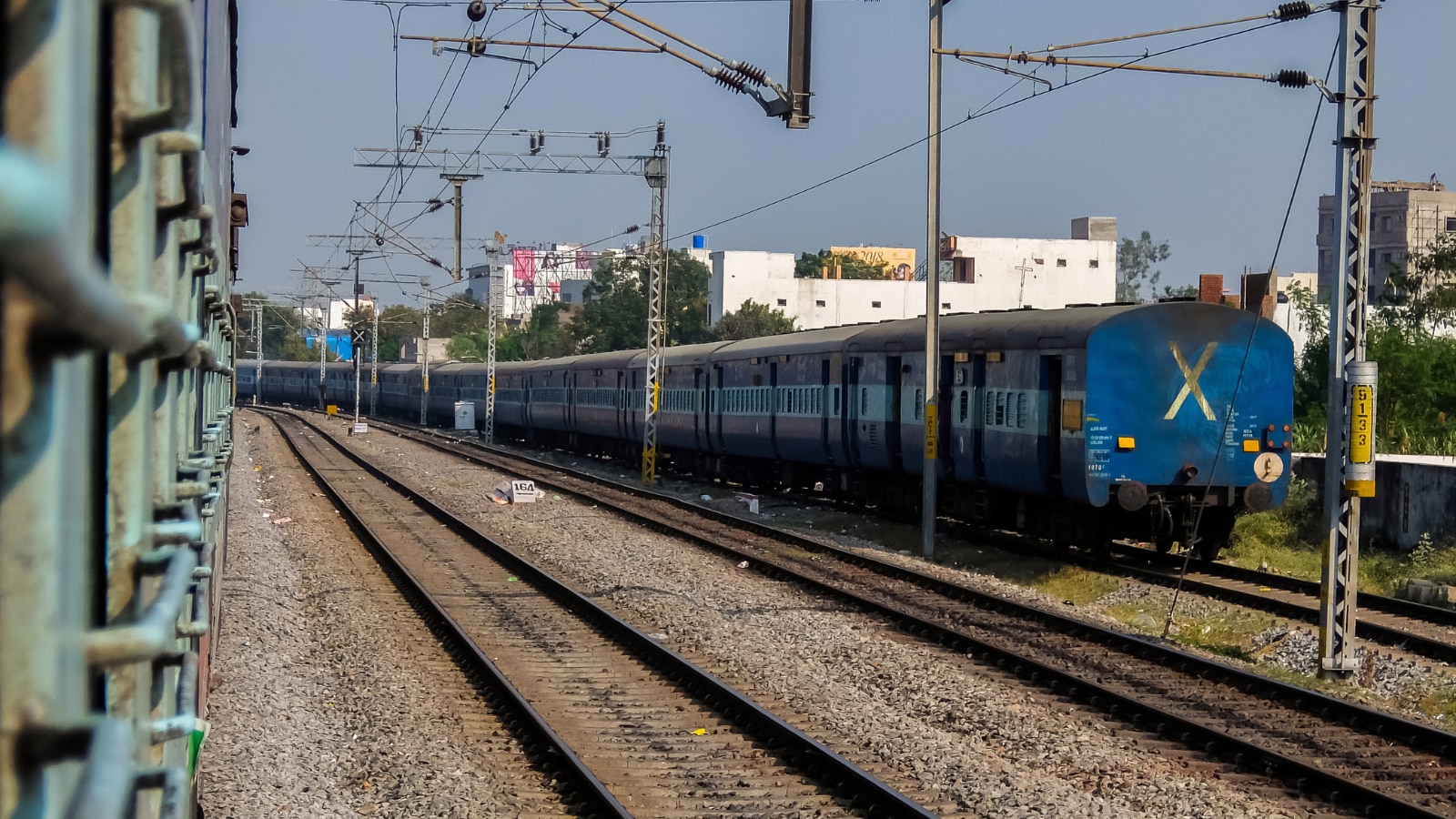
The marking becomes especially important in situations where visibility is poor, such as during fog, heavy rain, or nighttime operations. It provides a simple visual confirmation that helps prevent confusion and operational errors. (Image-Canva)
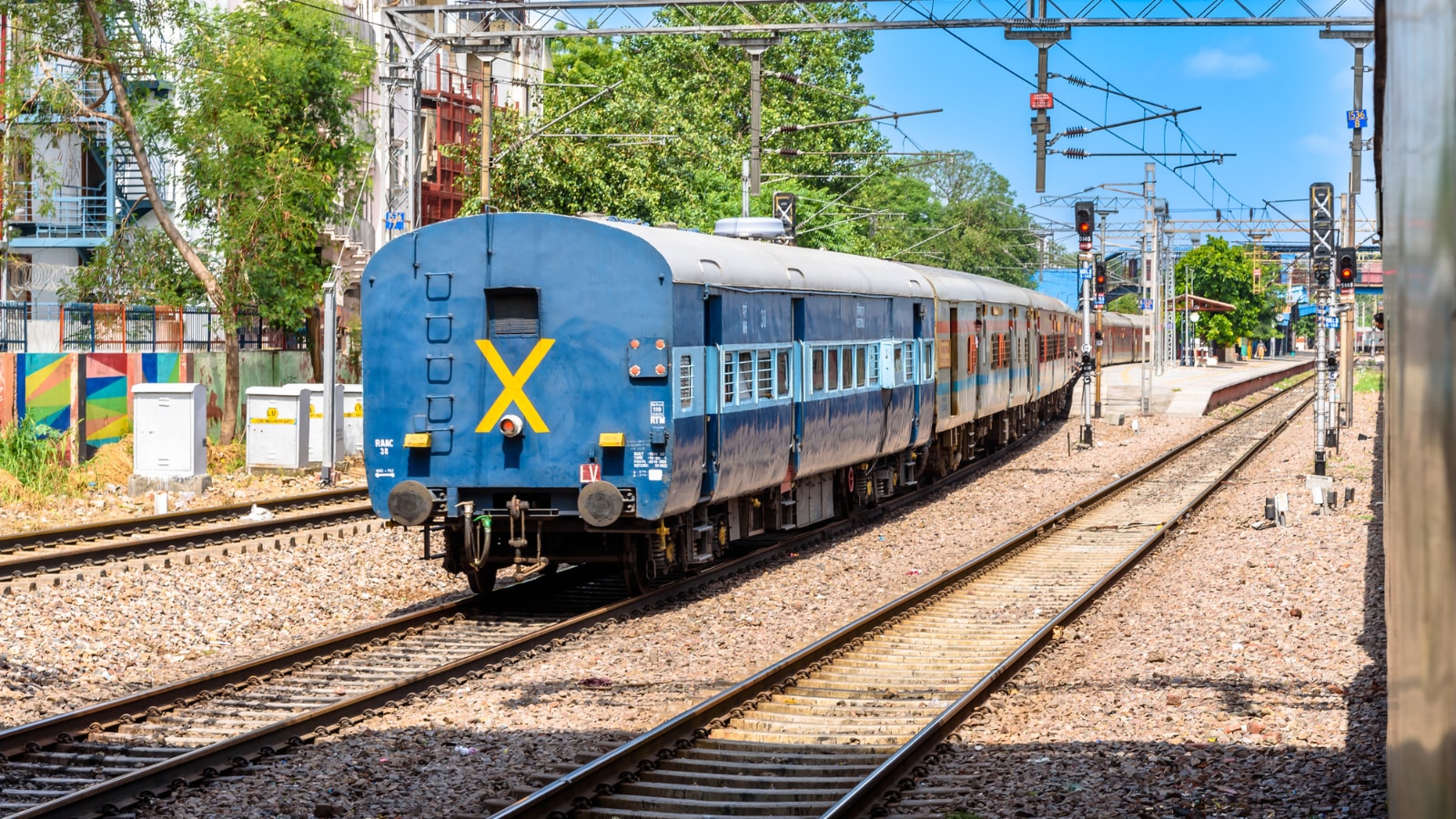
In the rare event that a coach becomes detached while the train is moving, railway personnel would notice the absence of the “X” on the expected final coach. This serves as an immediate warning that something has gone wrong. (Image-Canva)
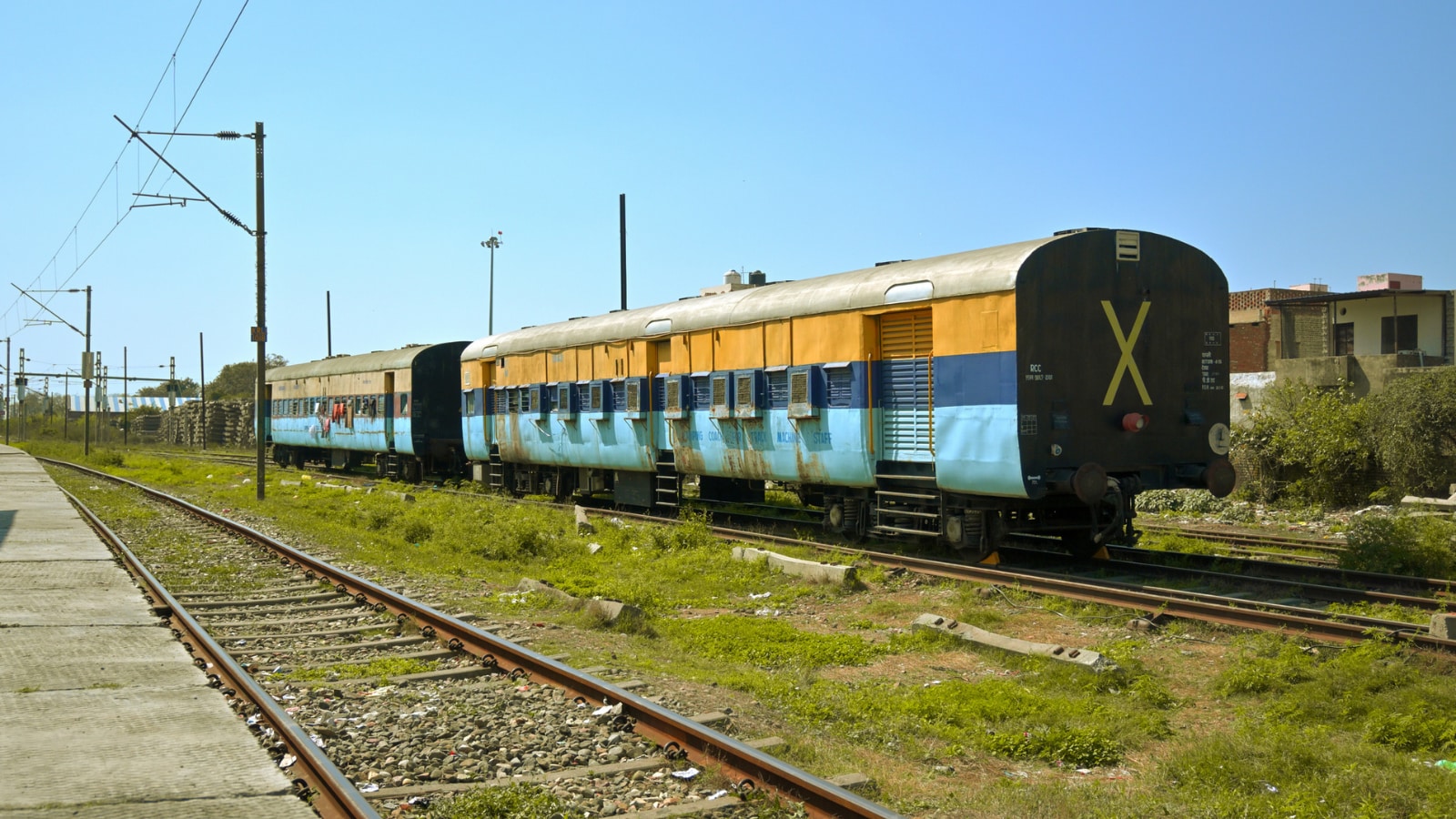
The “X” is often accompanied by additional indicators. During daylight hours, trains usually carry an “LV” (Last Vehicle) board, while a flashing red tail lamp is used at night to identify the train’s final coach. (Image-Canva)
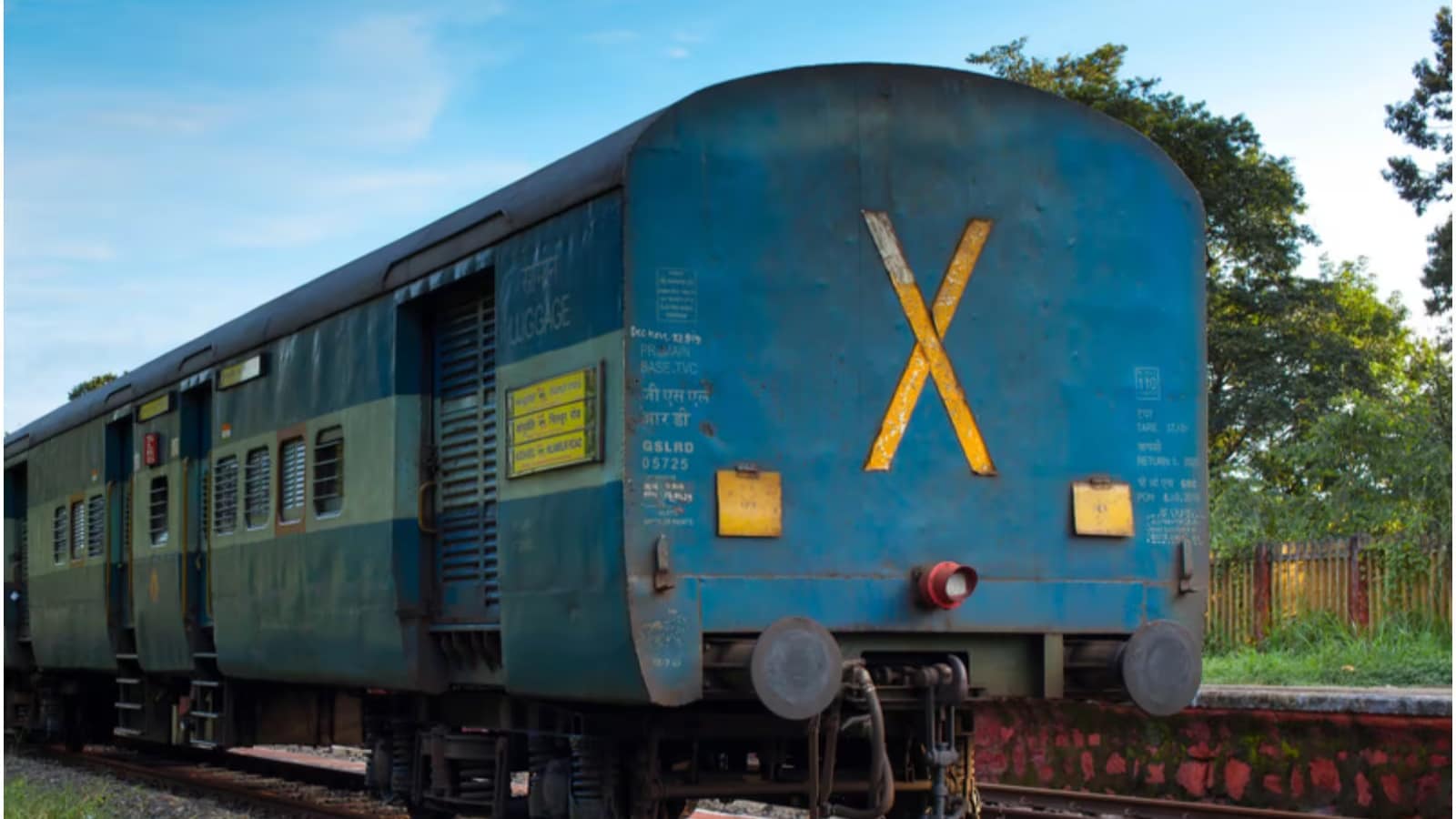
To ensure visibility in all conditions, railway authorities often paint the “X” using reflective or radium-coated materials. This allows the symbol to remain noticeable even in darkness, fog, or low-light environments. (Image-Canva)