










Across Ladakh, Spiti, Kinnaur, Uttarakhand, and other regions, carefully balanced piles of stones are a common sight. These formations, often called cairns, carry cultural, spiritual, and practical significance.
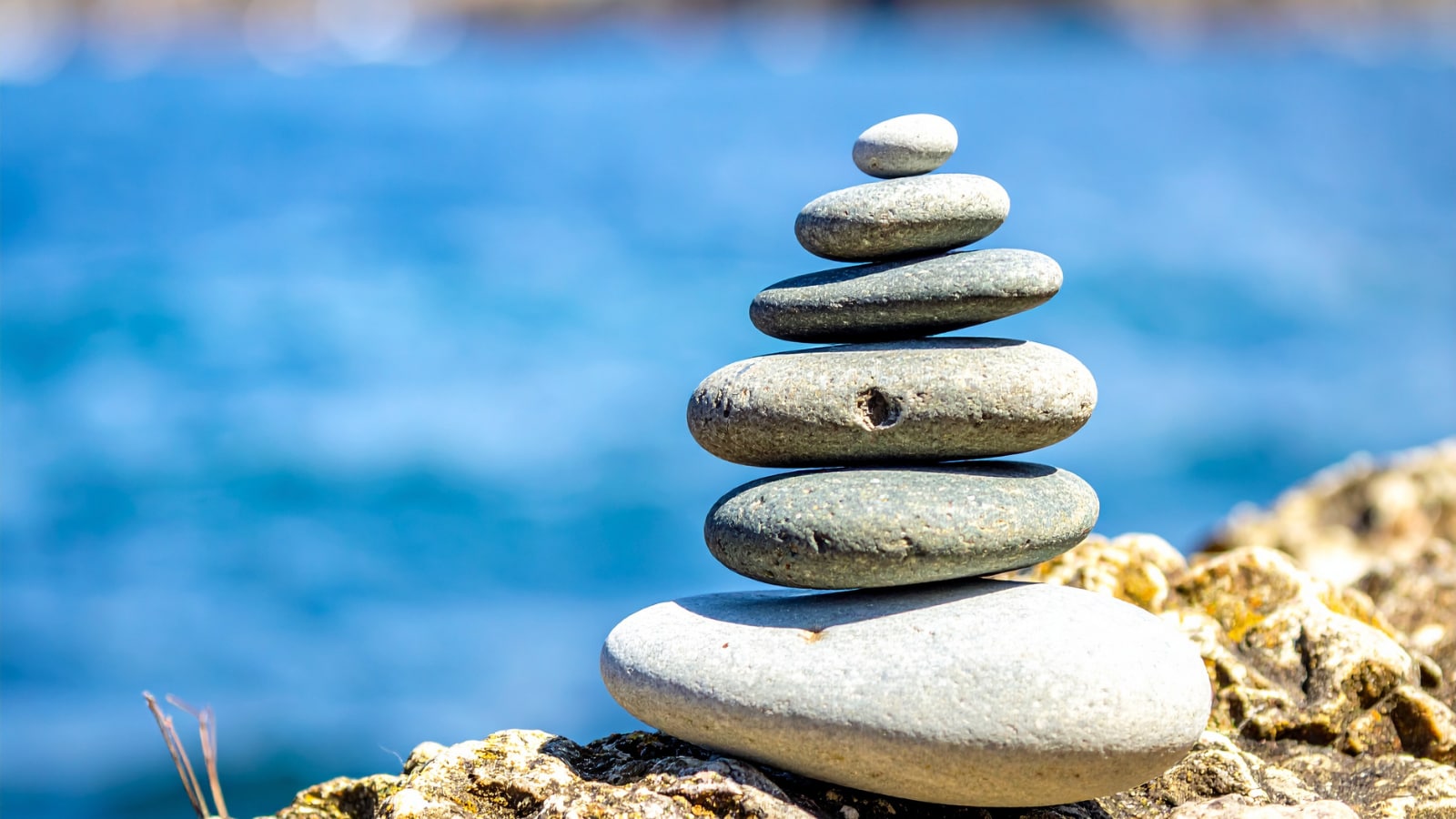
Many believe stacking stones is a sacred act performed to seek blessings, fulfil wishes, or attract good fortune. In some traditions, each stone represents a personal hope or a loved one.
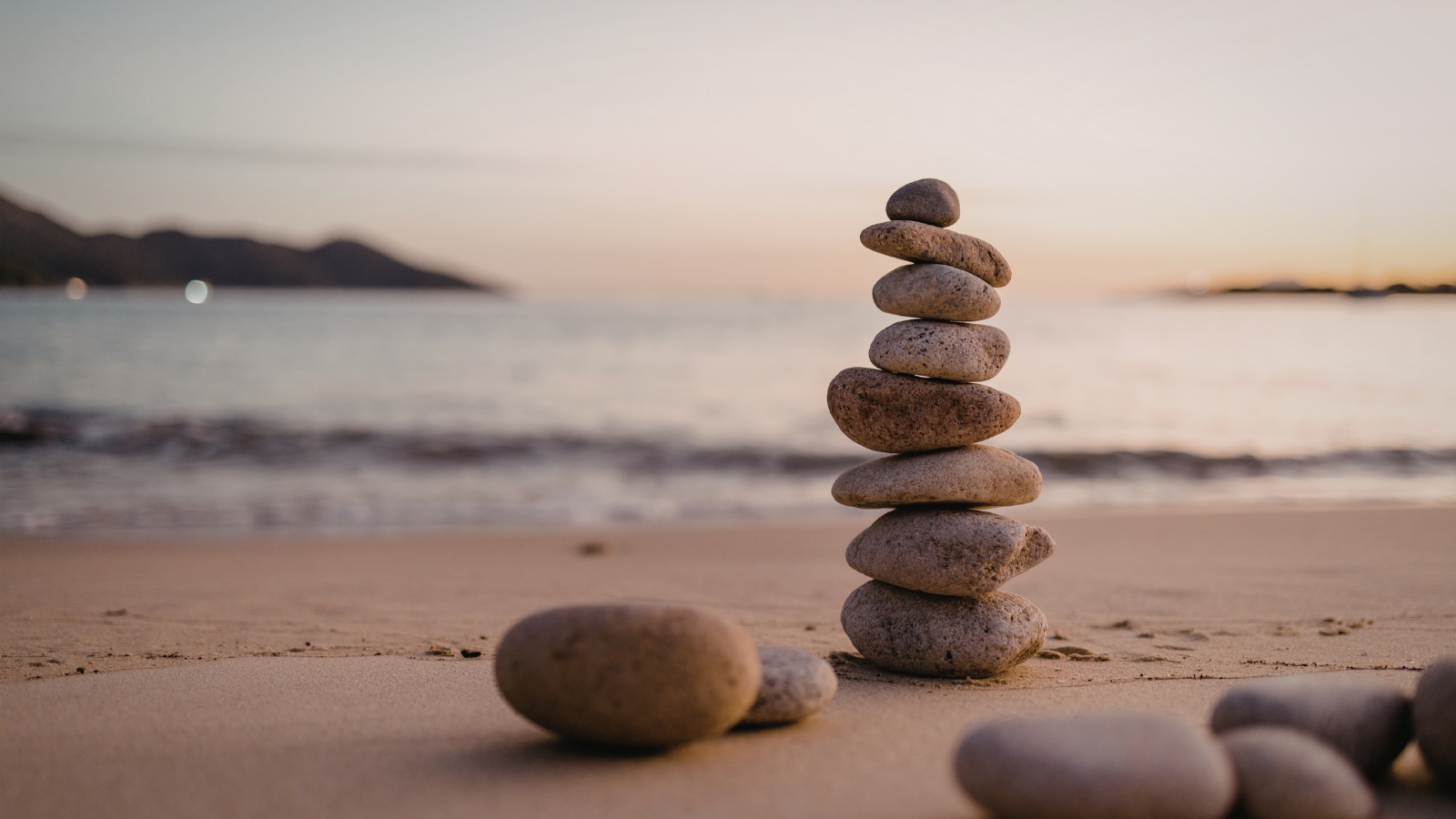
For some communities, stone stacking serves as an offering to deities or a gesture of gratitude and atonement. The simple act reflects devotion and a desire to connect with higher spiritual forces.
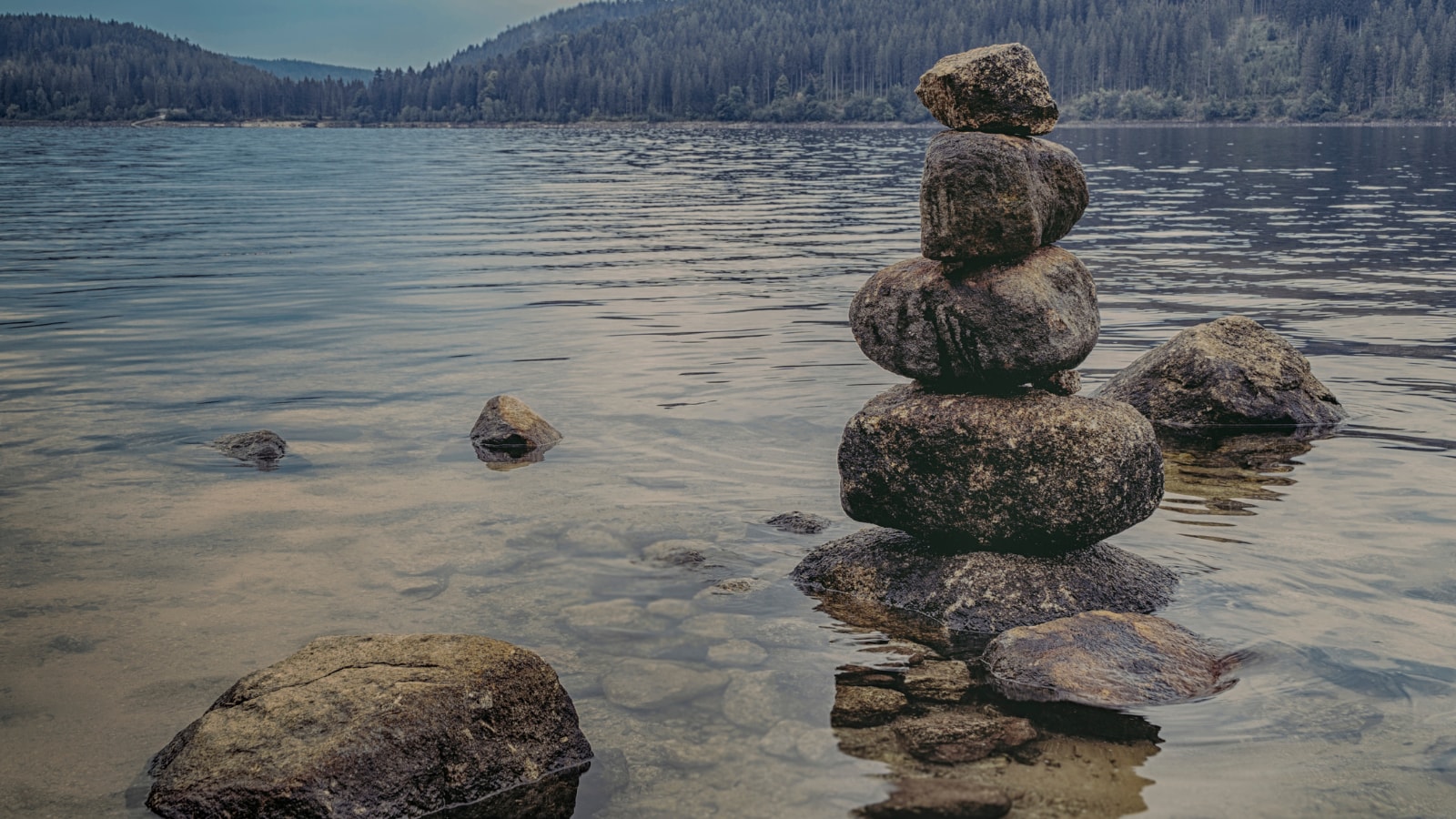
Balancing stones requires patience, concentration, and precision. As attention narrows to the task, distractions fade away, creating a calming experience that many compare to meditation, yoga, or mindful reflection.
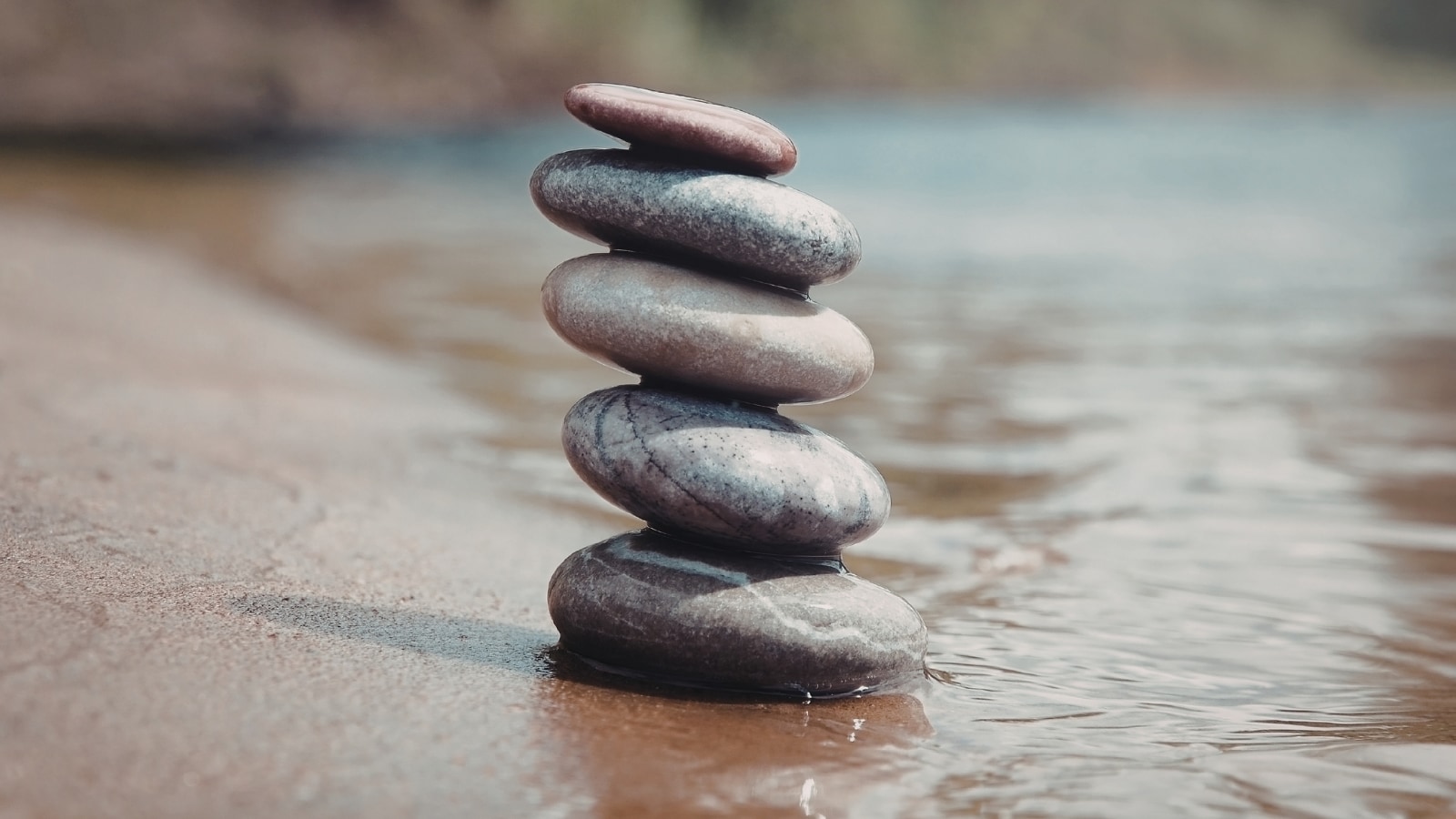
The process often leaves people feeling refreshed and emotionally lighter. Many describe a sense of inner peace and positive energy after completing a stack, making it both a physical and mental exercise.
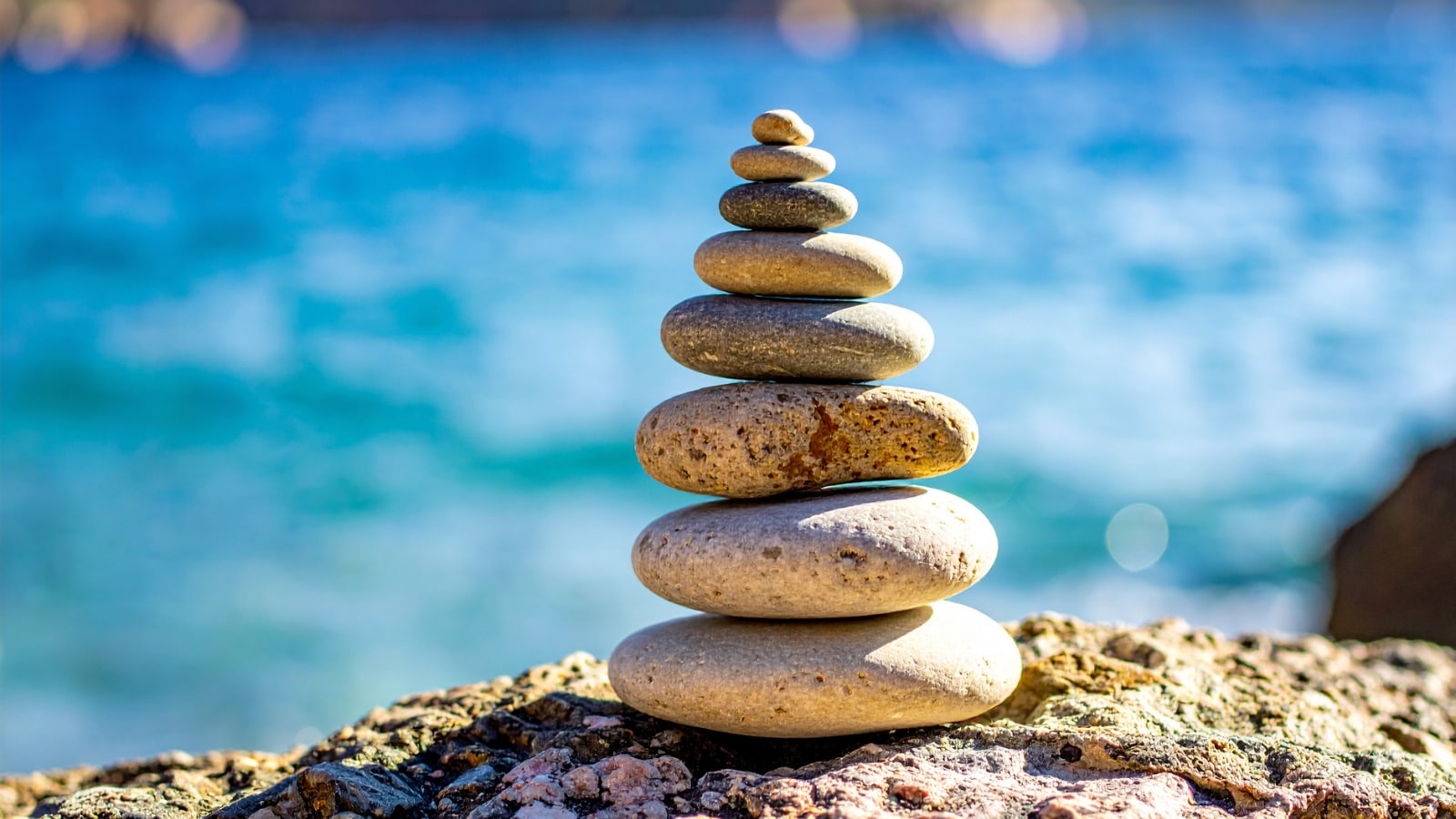
Stone cairns have long been used as navigational aids in remote landscapes. From the Tibetan Plateau and Mongolian steppes to the Andes, these markers helped travellers safely follow routes across challenging terrain.
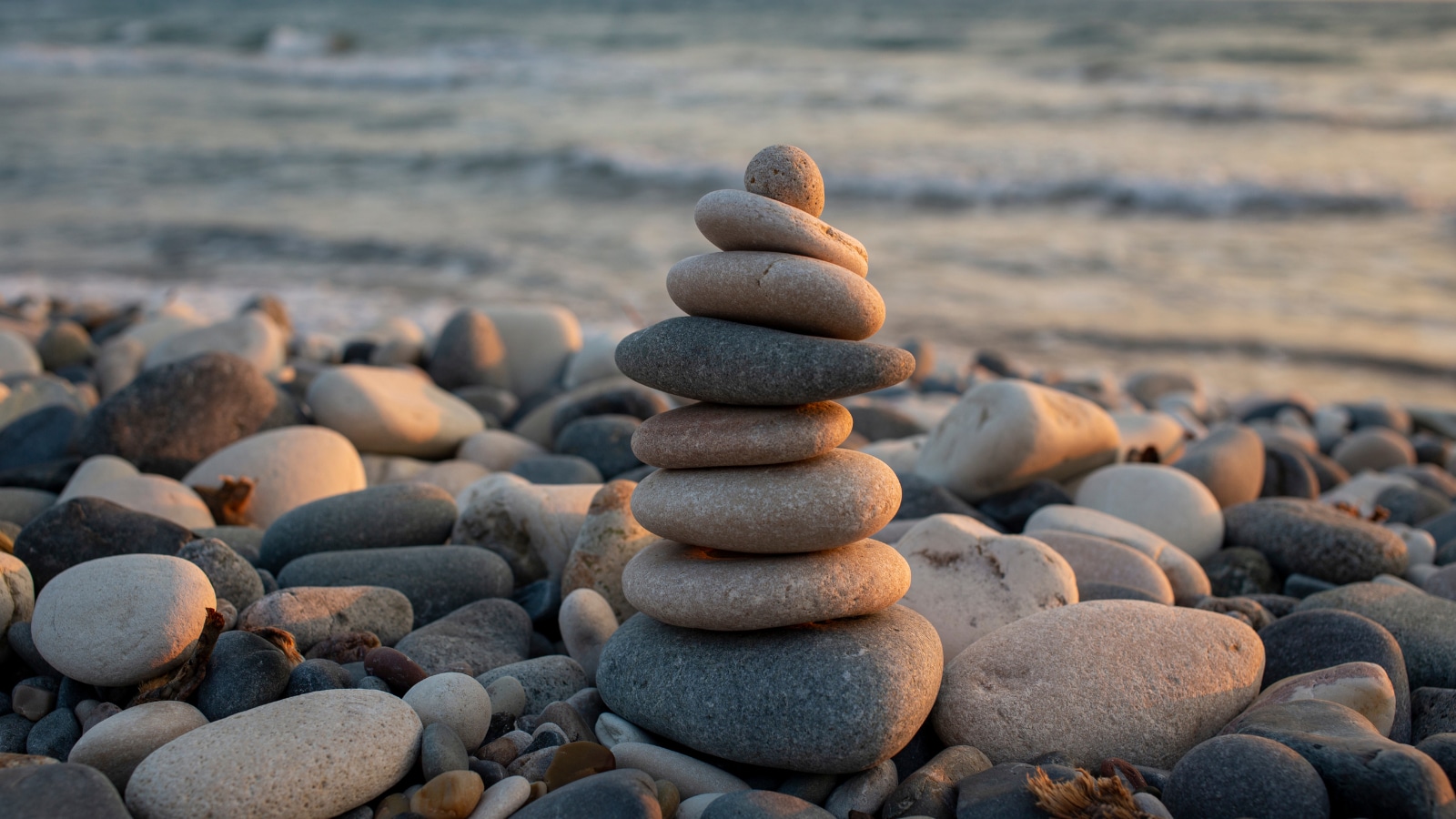
Beyond navigation, cairns have been used in rituals, memorials, and burials. Another popular belief suggests that taller stone stacks symbolise greater prosperity.