









Instagram: When someone dies, their Instagram account does not vanish automatically. It usually remains online until a family member, friend or the platform itself is notified. Instagram offers two main paths: memorialisation, which turns the profile into a space for remembrance, or permanent deletion.

Users can now prepare for this in advance through Meta’s Accounts Center by naming a legacy contact or choosing the “Delete After Death” option. Understanding these tools helps both account holders and grieving families avoid confusion during an already difficult time. (Photo: File)

A memorialized Instagram profile is designed as a place to remember the person. The word “Remembering” appears next to their name. No one can log in, new posts cannot be made, and the account stops appearing in places such as Explore or certain suggestions. Existing photos, videos and posts stay visible to the audience they were originally shared with, preserving the content under the same privacy settings the person had chosen while alive. Without a legacy contact, almost nothing on the profile can be changed—profile picture, followers, privacy settings, older posts or comments remain frozen. (Photo: File)

Anyone who has proof of death (such as a link to an obituary, news article or death certificate) can request that Instagram memorialize an account. Immediate family members who want the profile removed instead must submit stronger documentation, including the death certificate, proof of relationship and evidence of legal authority under local law. Instagram reviews these requests and does not hand over login credentials to anyone. (Photo: AI)

Once an account is deleted, the action is permanent and cannot be reversed.
Instagram now allows users aged 18 and older to appoint a legacy contact. This is someone chosen in advance to look after the profile if it is memorialized. The setting is managed in Accounts Center under Personal details → Account ownership and control → Memorialization. Users can also select “Delete After Death” so that a valid memorialization request results in the profile being removed rather than preserved. Preferences can be changed at any time. (Photo: AI)
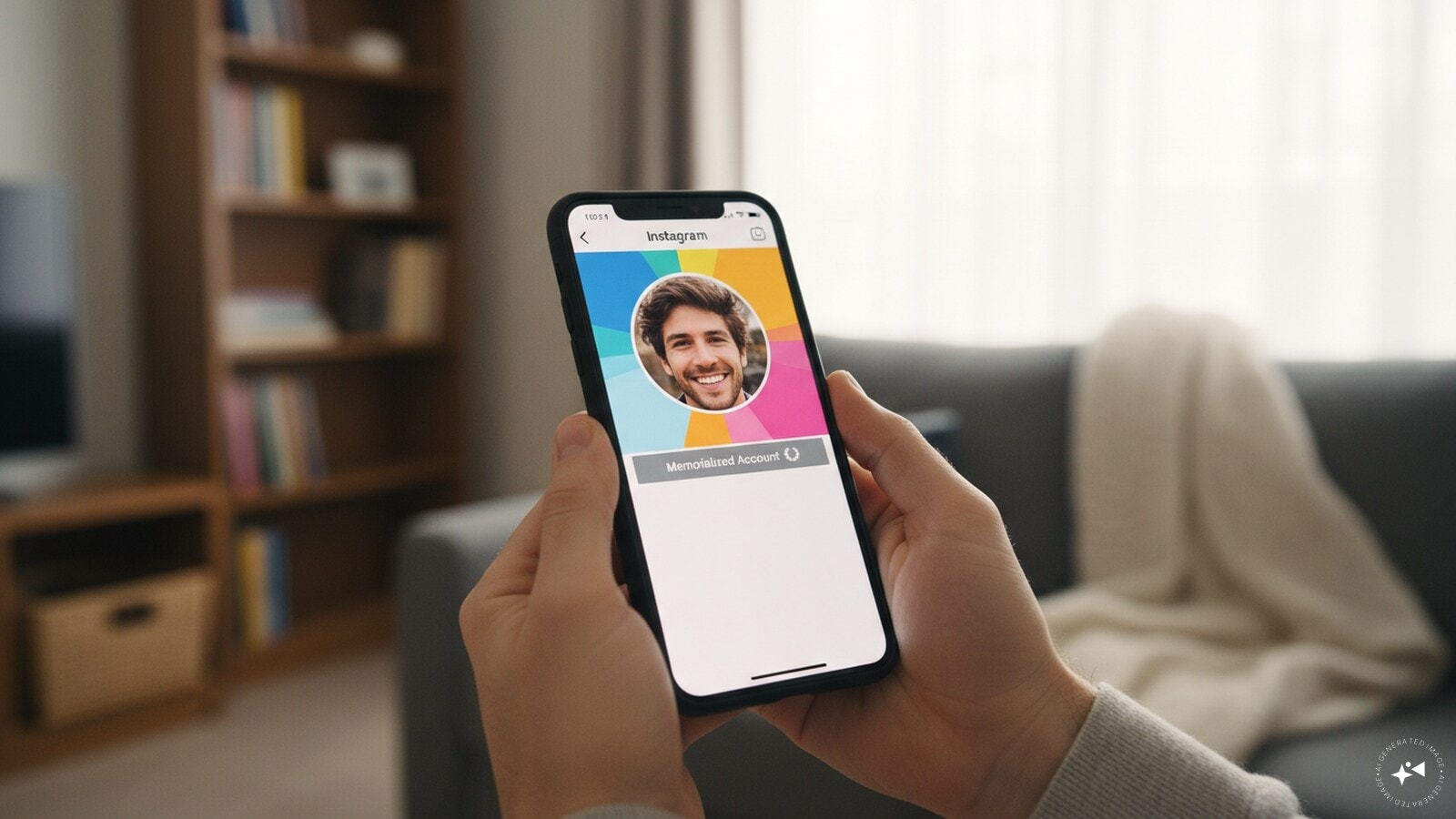
A legacy contact has limited but useful powers. They can update the profile picture and manage tags. They may also be given permission to download a copy of the content the person shared on Instagram. Critically, they cannot log into the account, post or send messages as the deceased, read private Direct Messages, or edit or remove past posts. These restrictions protect privacy while still giving families a way to make modest updates to the public-facing memorial. (Photo: AI)

Because control after death is limited, practical preparation is essential. Account holders should download a copy of their data while they can, decide whether they prefer the profile to remain as a memorial or be deleted, and tell their chosen legacy contact or family members about those wishes. Families dealing with an unexpected death should gather proof of death early and use Instagram’s official reporting forms rather than attempting to access the account with passwords, which violates platform rules.
Disclaimer: The information in this article was collected from the internet. It should be noted that News18 does not guarantee that all social media platforms provide the facility to protect user accounts.