
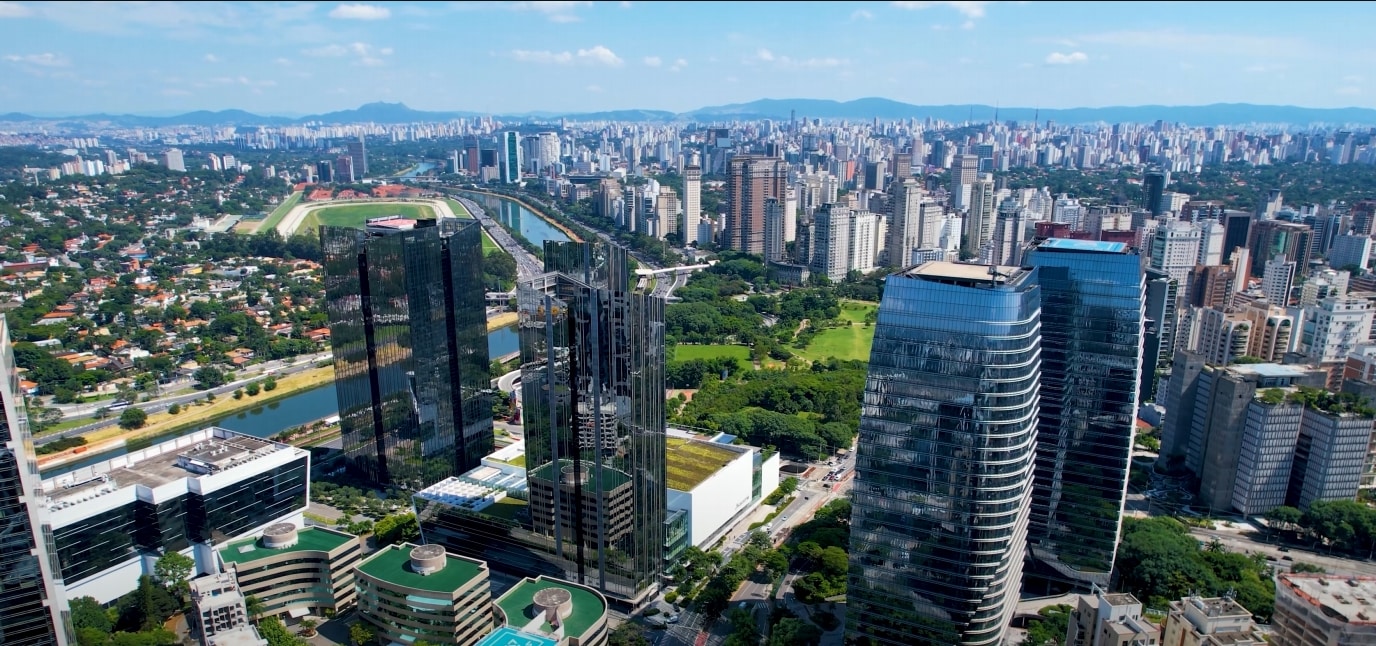
Country names often have fascinating stories behind them. Some are named after people, places or geographical features, while others have origins rooted in ancient languages and legends. But did you know that one country’s name is linked to a tree? The answer is Brazil, and the story dates back to the early days of Portuguese exploration. (Image: Wikimedia Commons)
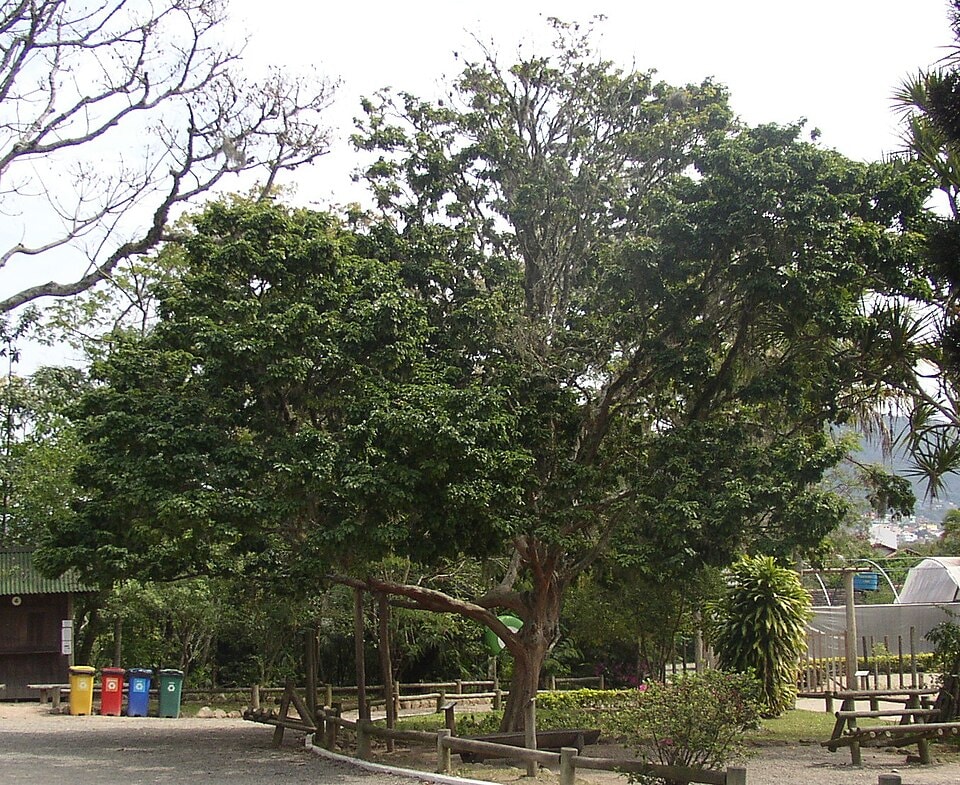
Brazil is named after the brazilwood tree, known in Portuguese as pau-brasil. The tree was native to the country’s Atlantic coast and was highly valued for its reddish wood. Portuguese traders began harvesting the tree after arriving in the region in the early 16th century. (Image: Wikimedia Commons)
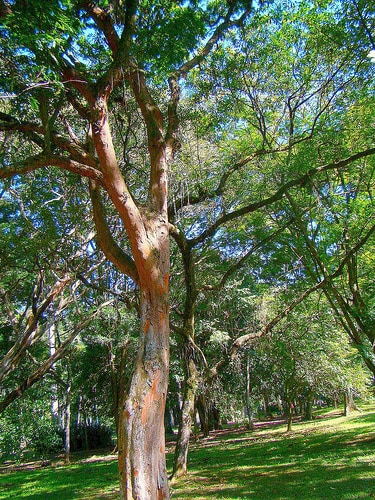
The brazilwood tree could be used to produce a red dye, which was highly sought after in Europe for colouring textiles. Because of its commercial value, brazilwood quickly became one of the important resources taken from the newly explored territory. The Portuguese name pau-brasil eventually became associated with the land itself, giving rise to the name Brasil, or Brazil. (Image: Wikimedia Commons)
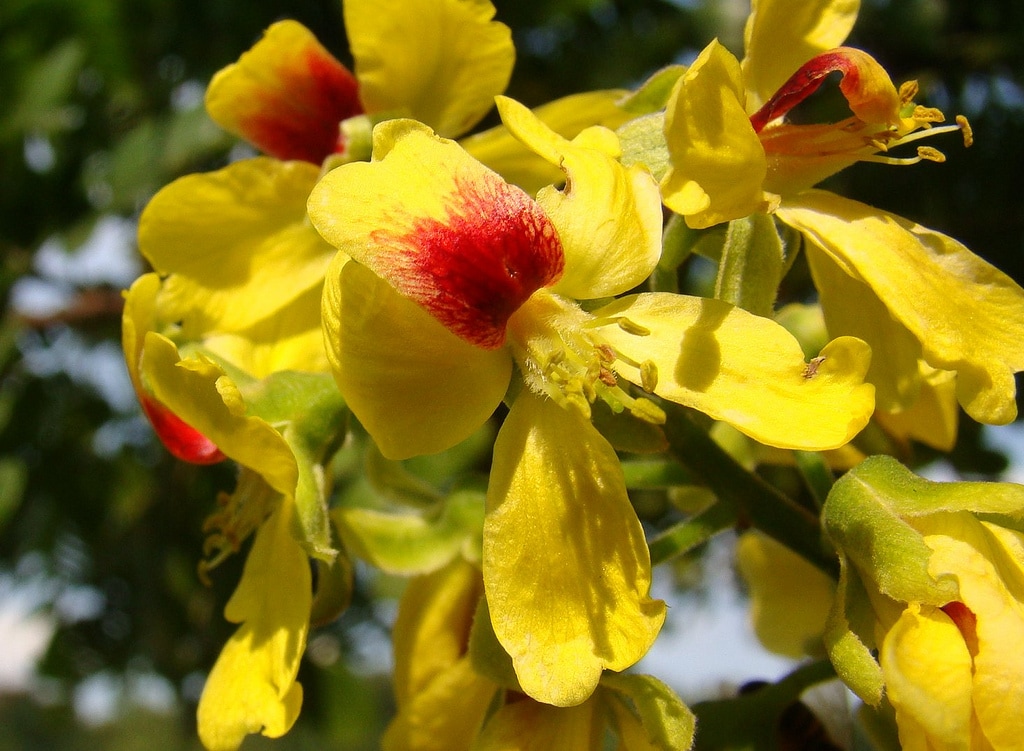
The brazilwood tree is scientifically known as Paubrasilia echinata. It is native to Brazil’s Atlantic Forest and can grow into a medium-sized tree with yellow flowers. The species is now threatened because of centuries of harvesting and the loss of its natural habitat. (Image: Wikimedia Commons)
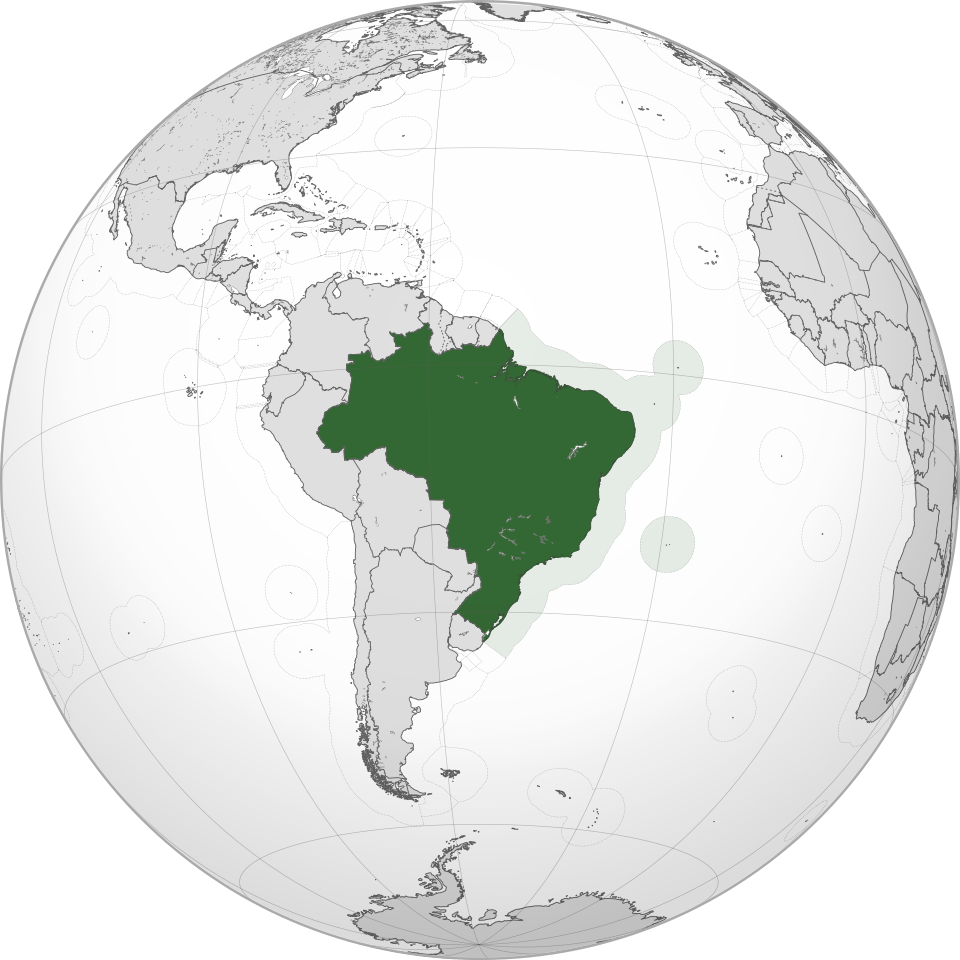
Brazil covers more than 8.5 million square kilometres, making it the largest country in South America and the fifth-largest country in the world by area. It occupies a large part of the continent’s eastern side and has a coastline along the Atlantic Ocean. (Image: Wikimedia Commons)
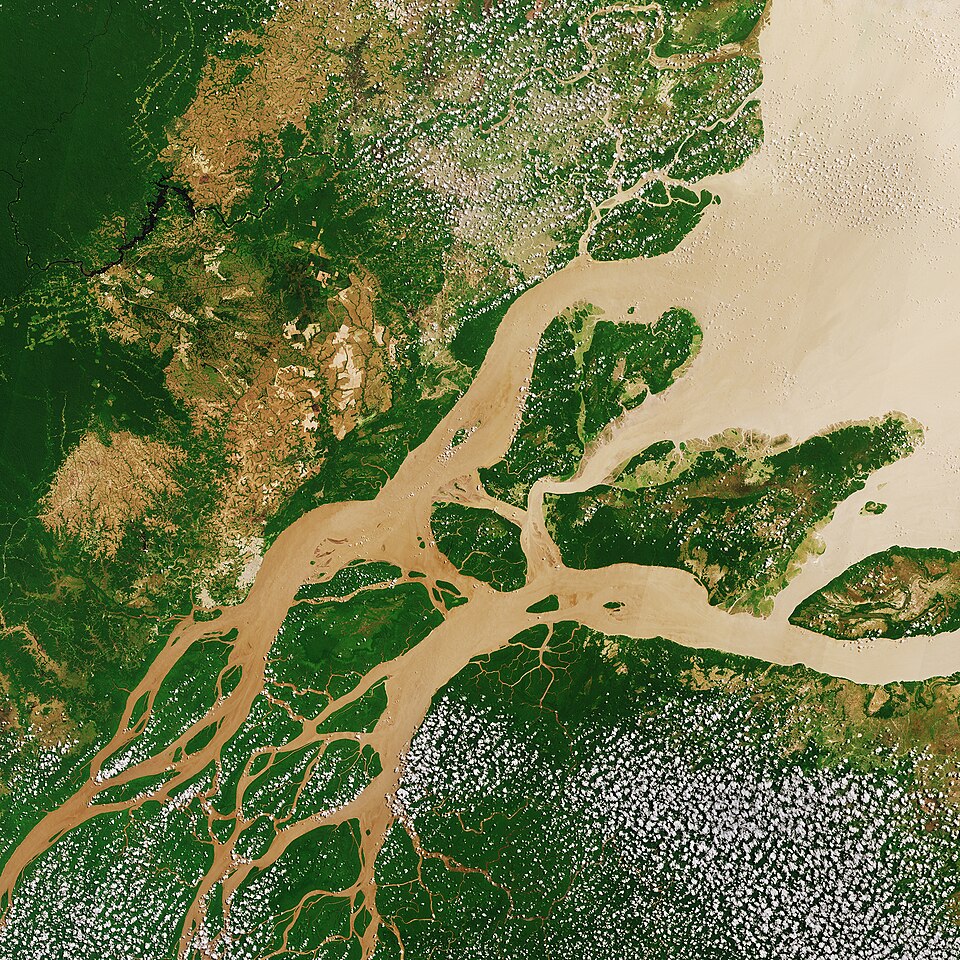
A significant part of the Amazon rainforest, one of the world’s most important ecosystems and is home to an enormous variety of plants and animals, lies within Brazil. The Brazilian Amazon covers a vast area and plays an important role in the country’s environment and biodiversity. The Amazon River, too, flows through Brazil and is one of the world’s largest rivers by volume of water. Its enormous network of tributaries stretches across several South American countries. The river and its surrounding rainforest support thousands of species and communities. (Image: Wikimedia Commons)
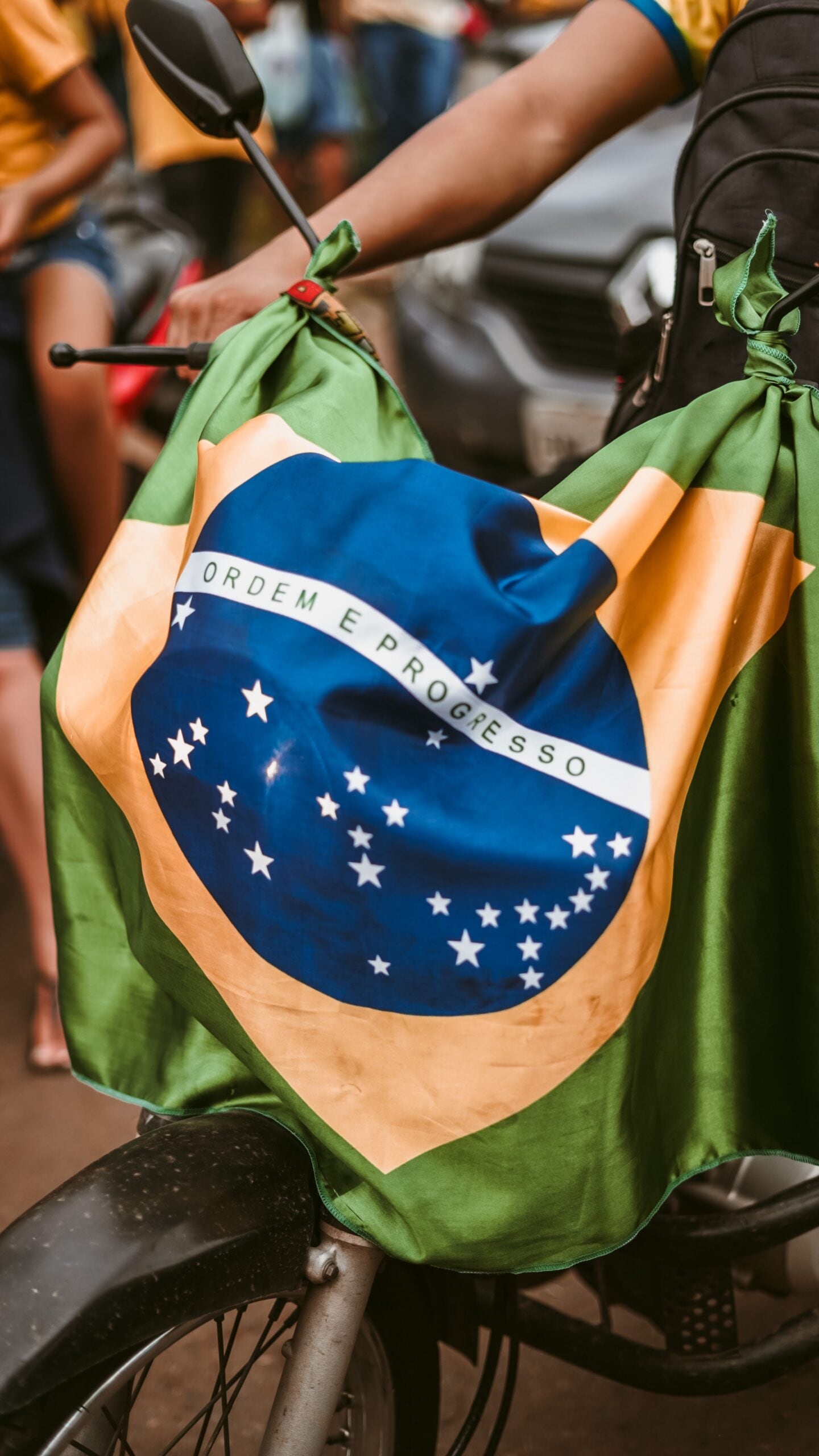
Brazil is the only country in the Americas where Portuguese is the official language. This is a result of its history as a Portuguese colony. Brazil remained under Portuguese rule for more than three centuries before declaring independence in 1822. (Image: Pexels)

Football is deeply popular in Brazil and is an important part of the country’s sporting culture. Brazil has won the FIFA World Cup five times, more than any other men’s national team. The country has also produced some of football’s biggest stars, including Pelé, Ronaldo and Ronaldinho. (Image: Wikimedia Commons)
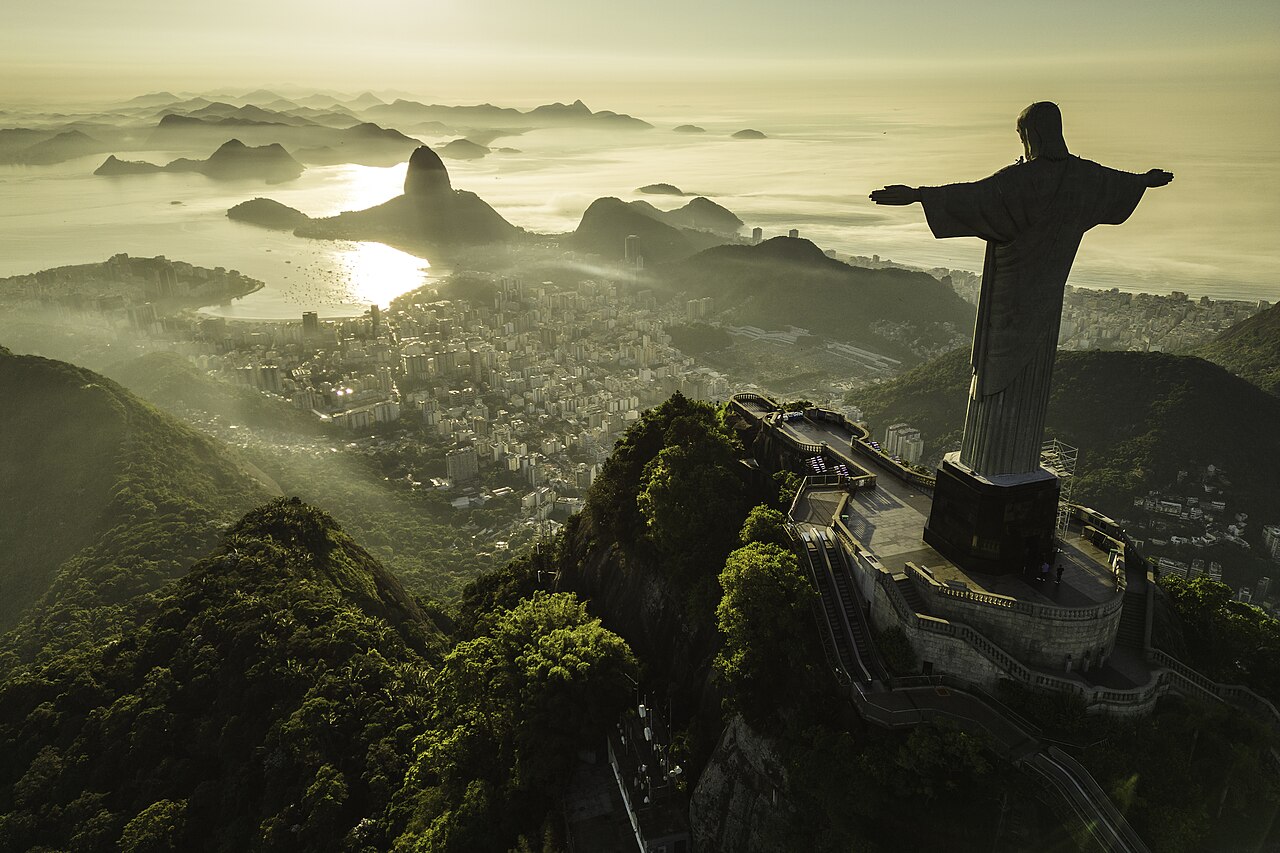
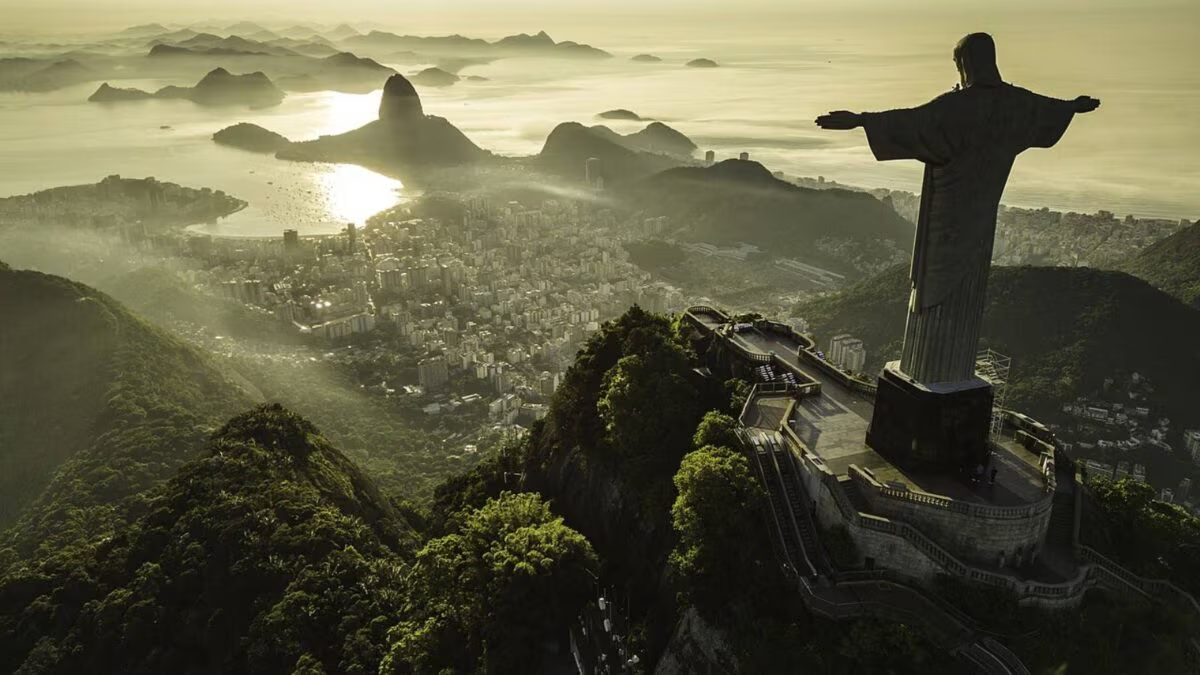
One of Brazil’s most recognisable landmarks is Christ the Redeemer, the huge statue overlooking Rio de Janeiro. Standing atop Mount Corcovado, it has become one of the country’s most famous symbols. (Image: Wikimedia Commons)
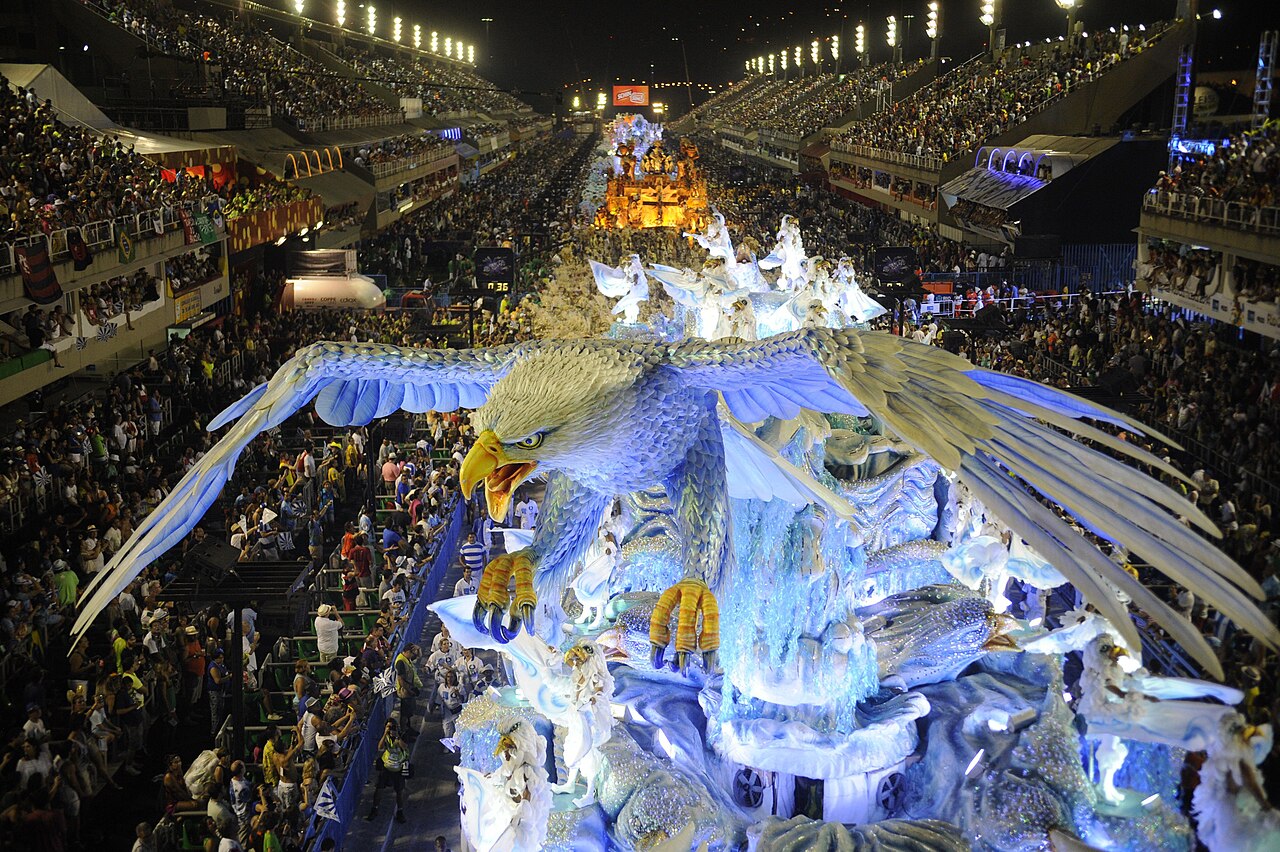
Brazil has a population of more than 210 million people, making it the most populous country in South America. Its population includes people from diverse cultural and ethnic backgrounds. (Image: Wikimedia Commons)