









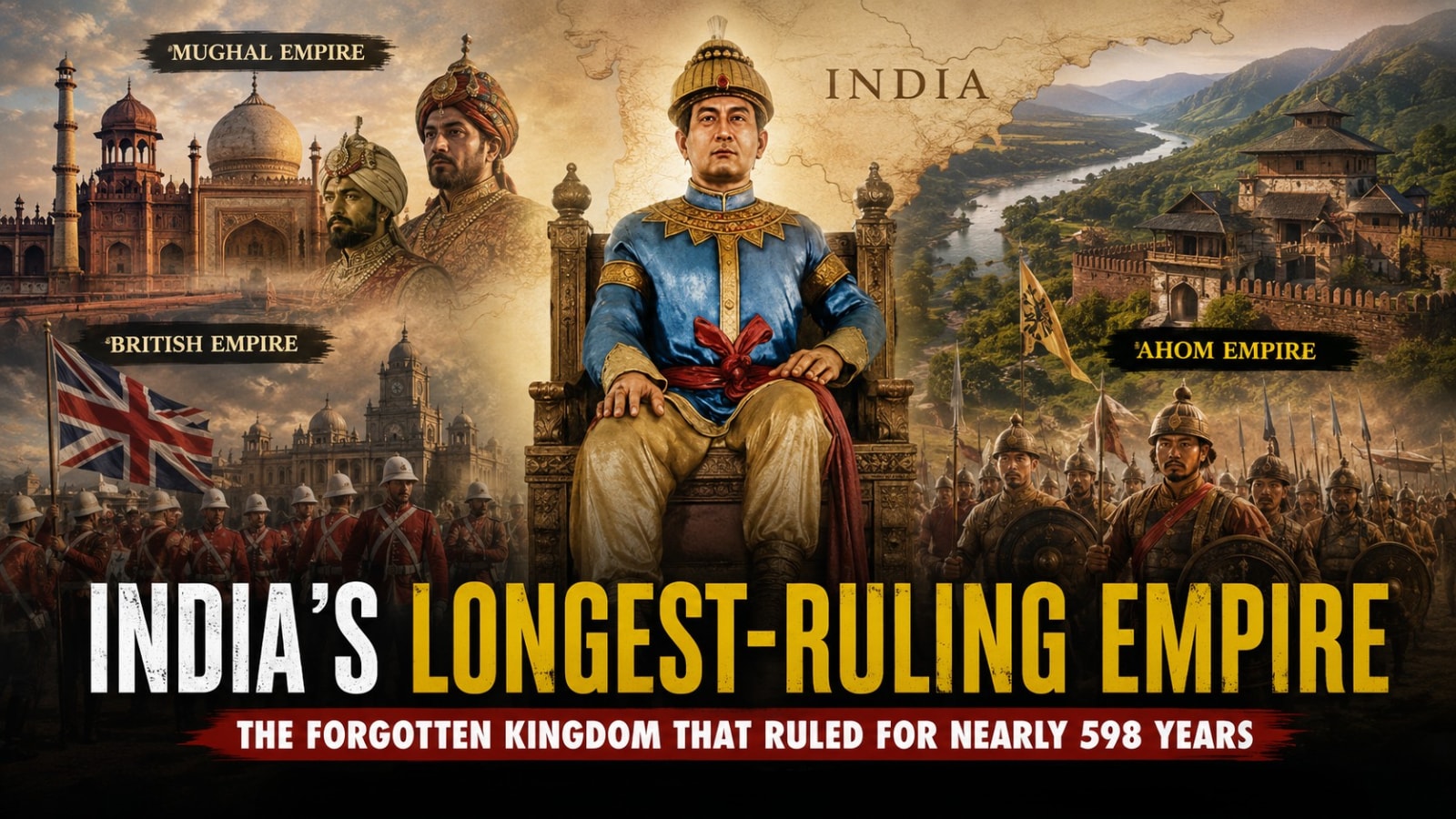
When people think of India’s history, the Mughal Empire and British rule are often the first to come to mind. However, few realise that neither held power over a region of India for as long as the Ahom Kingdom, a lesser-known dynasty that ruled much of present-day Assam for nearly six centuries. (Image-AI)
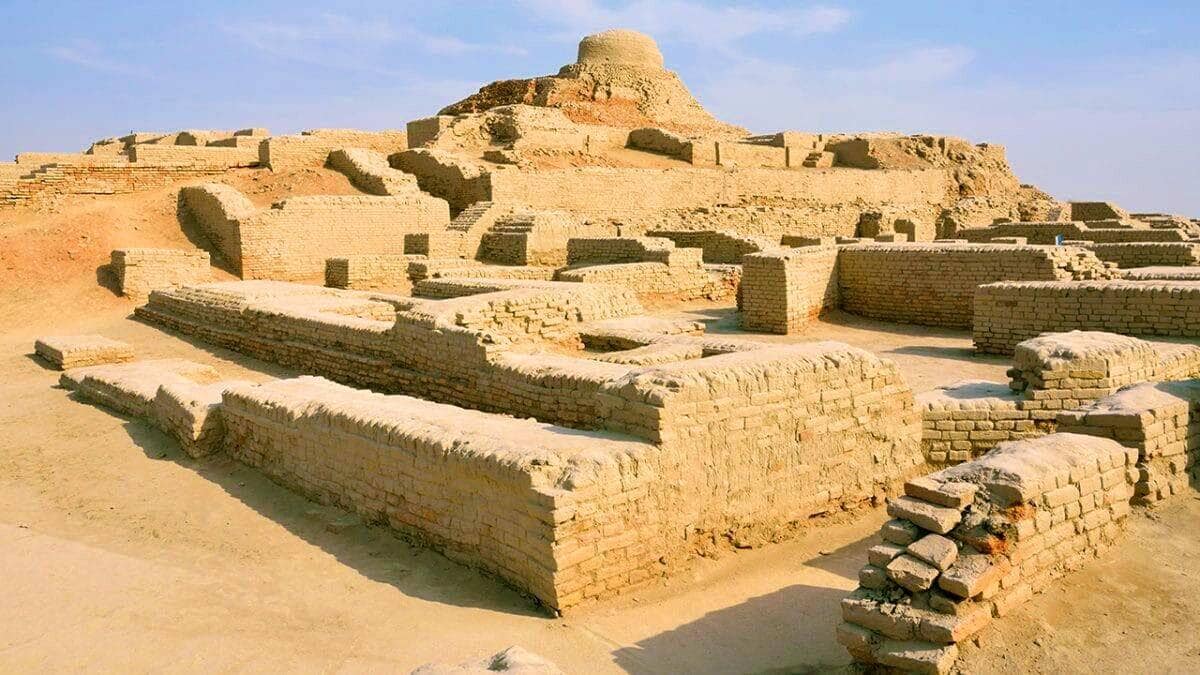
The Ahom Kingdom governed the Brahmaputra Valley from 1228 to 1826, making it one of the longest-ruling dynasties in Indian history. Its reign of around 598 years exceeded the duration of several major empires, including the Mauryas, Guptas, Delhi Sultanate, Mughals and the British.
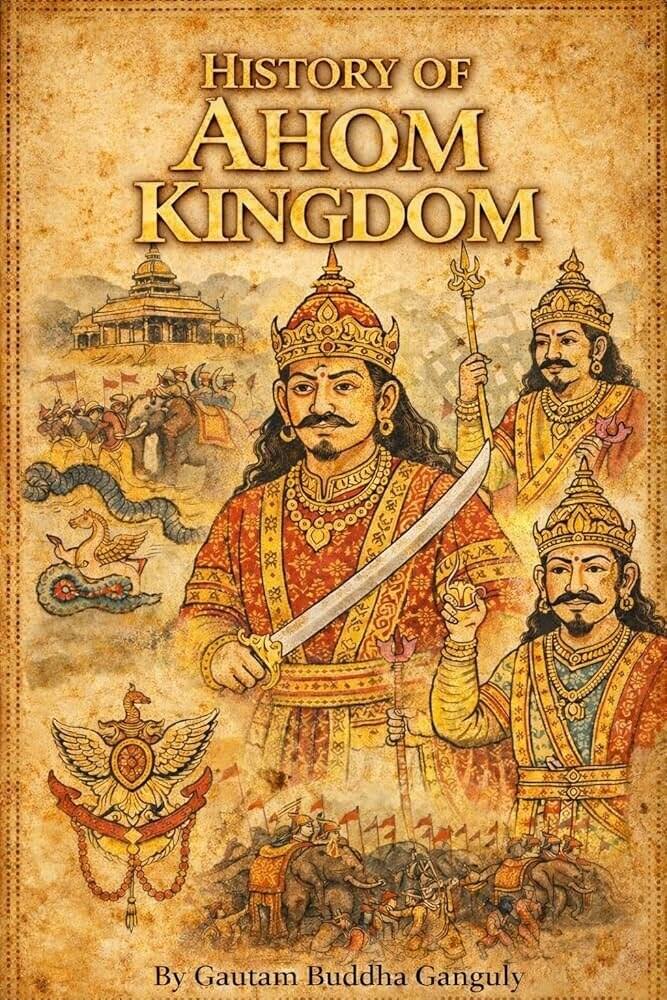
The kingdom was founded by Sukaphaa, a Tai prince who crossed the Patkai Hills with thousands of followers before establishing his rule in Assam. Over the centuries, the Ahoms built a powerful state and successfully defended their territory against repeated Mughal invasions. Their capital later shifted to Jorhat, which became an important administrative and cultural centre.
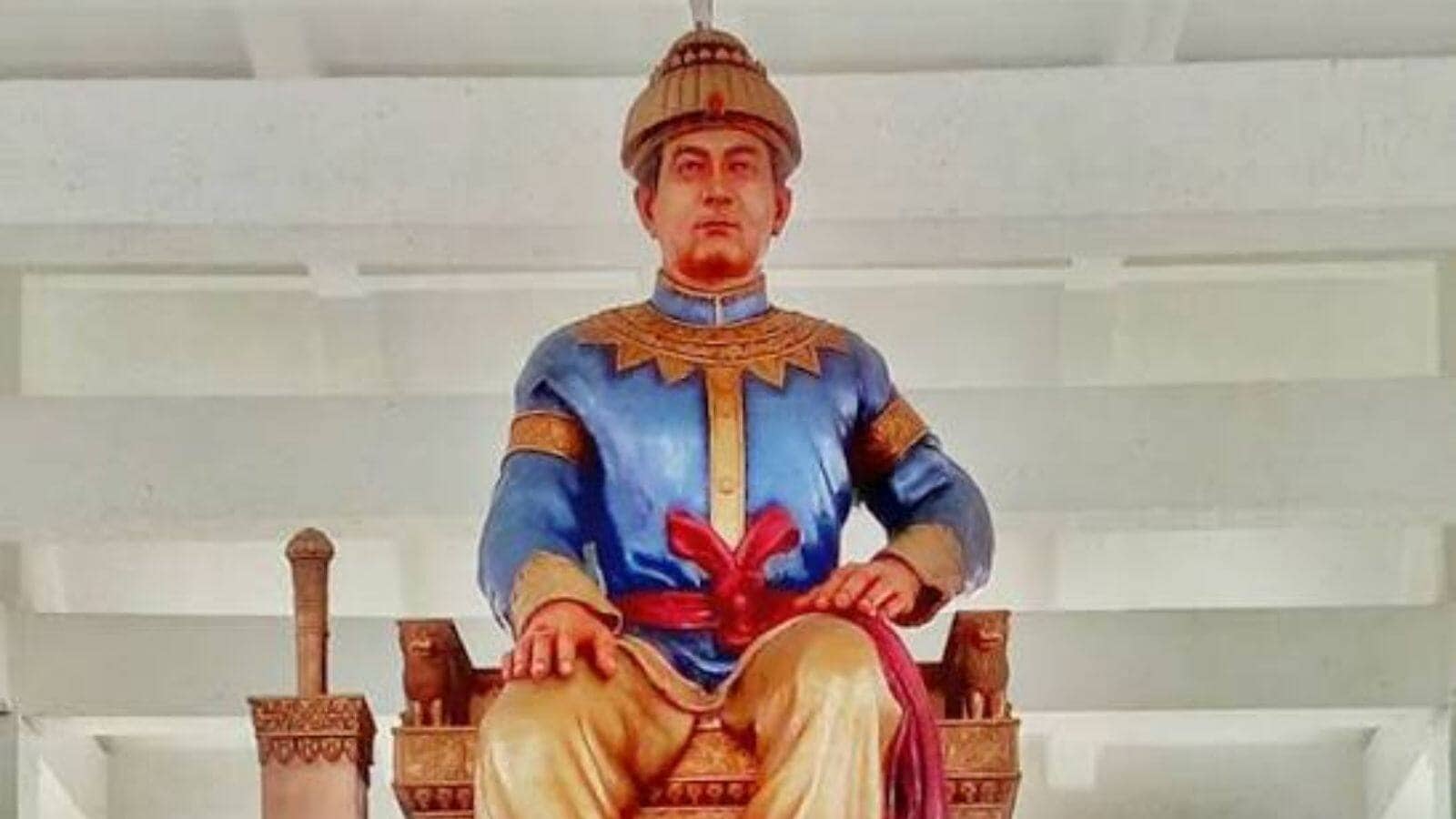
The Ahom Kingdom came to an end after the First Anglo-Burmese War, when the Treaty of Yandabo in 1826 brought Assam under the control of the East India Company. Historians often point out that mainstream accounts of Indian history have traditionally focused on northern kingdoms and the Indo-Gangetic plains. Since the Ahoms neither sought control of Delhi nor fought for its throne, their remarkable legacy has received comparatively less attention despite their centuries-long rule.
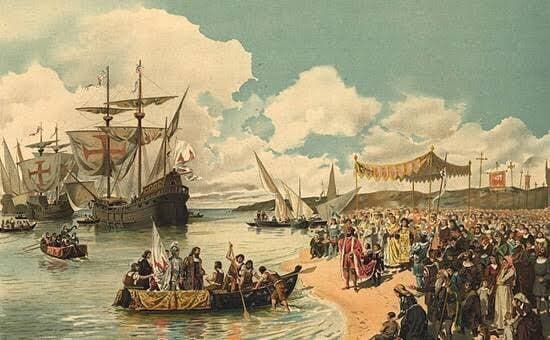
Another colonial power whose long presence in India is often overlooked is Portugal. The Portuguese maintained control over parts of the Indian subcontinent from 1505 until 1961, spanning roughly 456 years. Although their territories were largely limited to Goa, Daman, Diu and a few coastal settlements, their presence lasted far longer than British rule in terms of years.
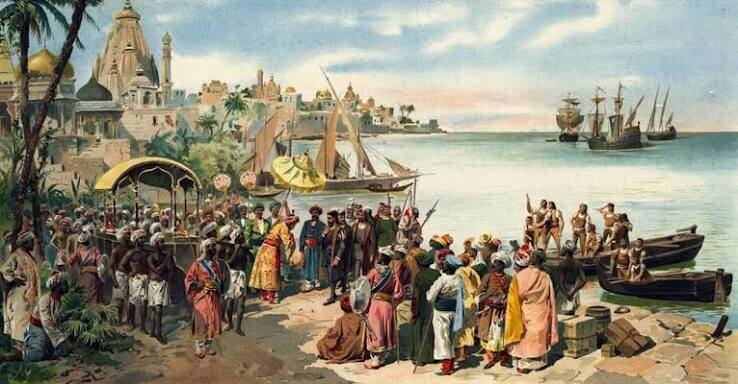
Even after India gained independence in 1947, Portuguese rule continued in Goa until Operation Vijay in December 1961, when Indian armed forces integrated Goa and other Portuguese territories into the Indian Union. Today, the Portuguese legacy is most visible in Goa’s churches, colonial architecture and coastal heritage.