







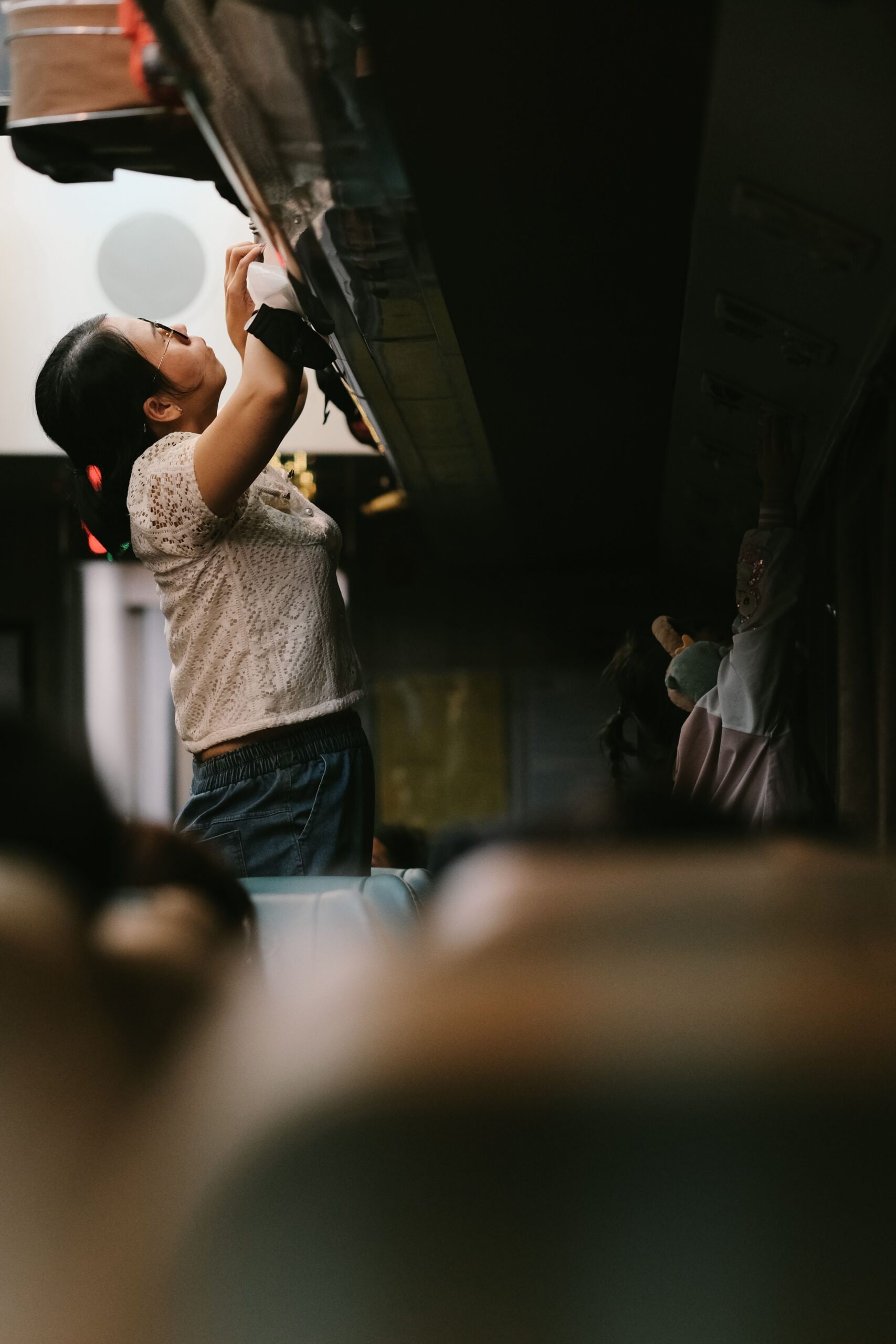
Just as your flight prepares to taxi down the runway, cabin crew members walk down the aisle making the same familiar request: open your window shades, stow your tray tables, and put your seats in the upright position.
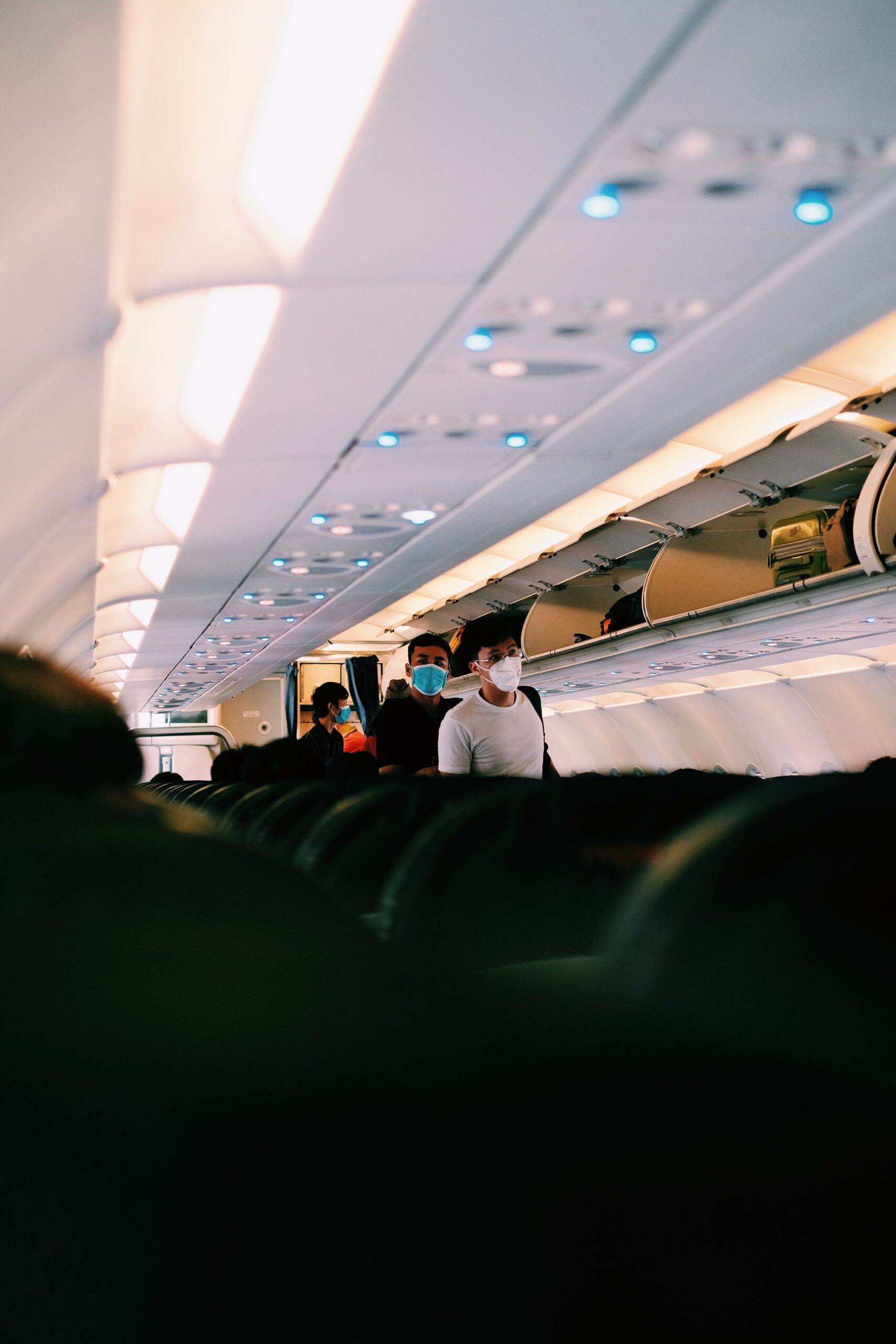
Cabin crew members rely on open windows to scan the outside environment for hazards like engine fires, wing damage, or runway obstacles before making critical emergency decisions.
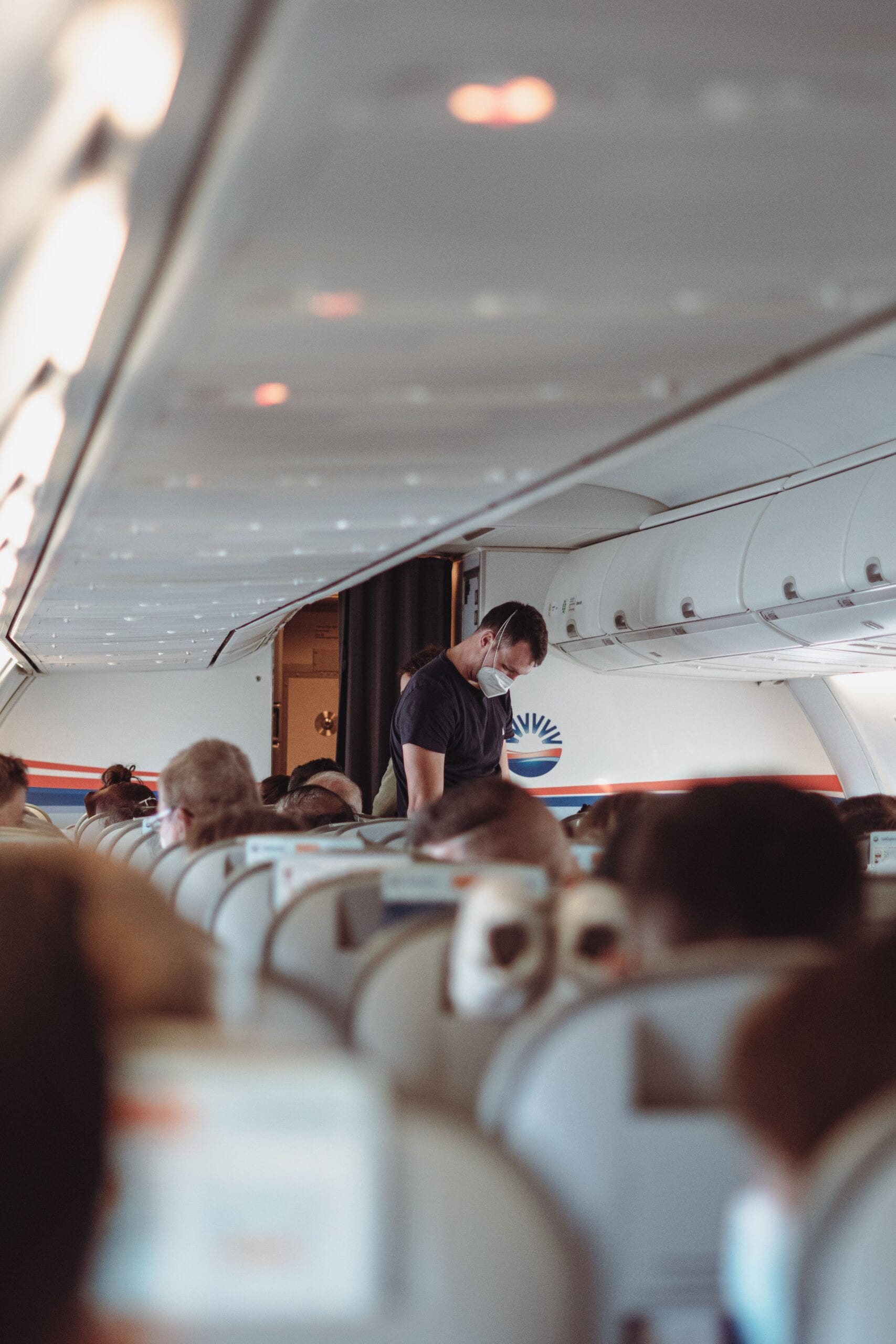
In the event of an accident, ground rescue teams and firefighters look inside through open windows to assess cabin conditions, locate smoke, and spot trapped passengers instantly.
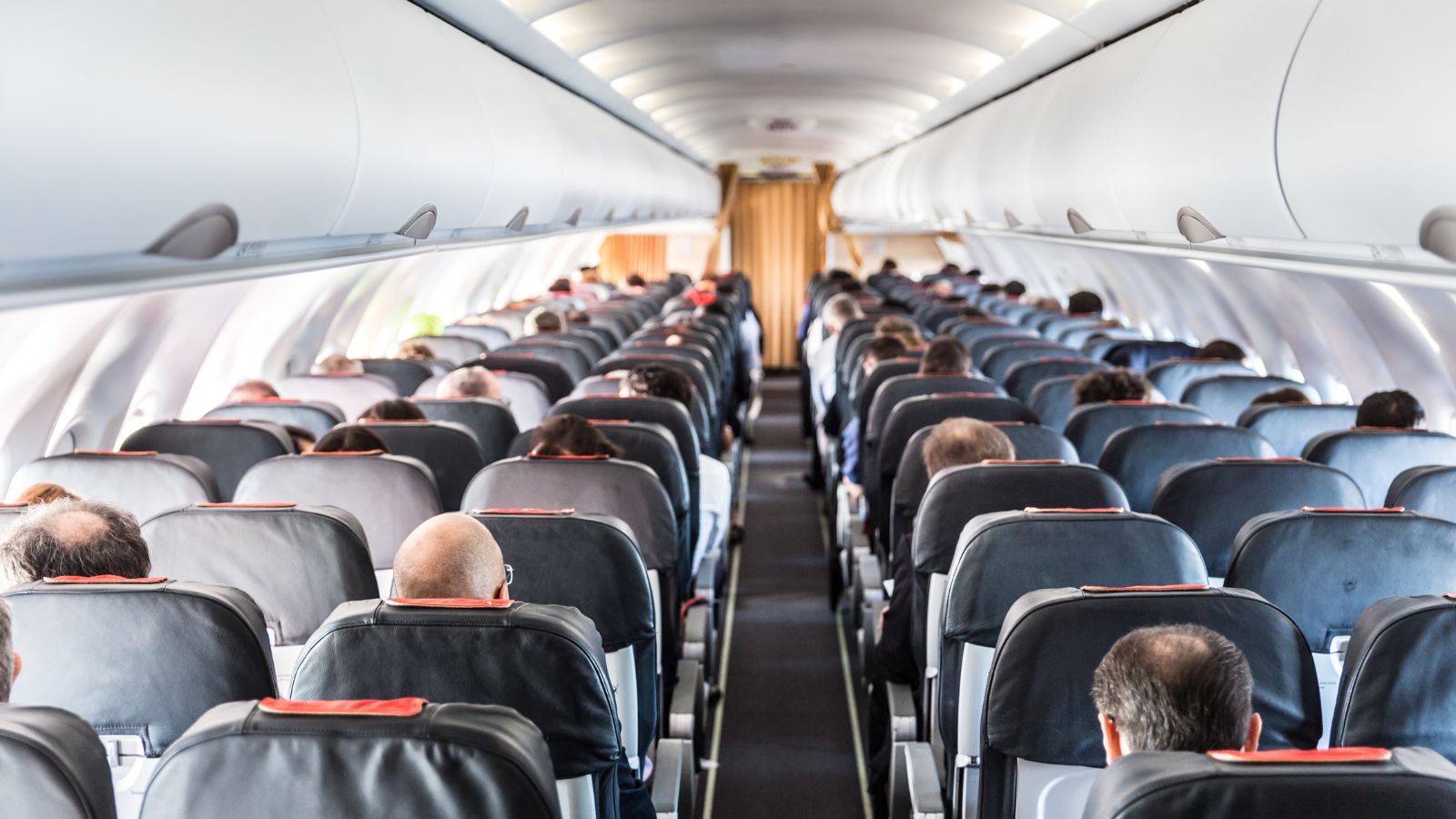
Keeping shades open allows passengers’ eyes to naturally adjust to ambient daylight or darkness outside, ensuring everyone can navigate emergency exit paths immediately without temporary blindness.
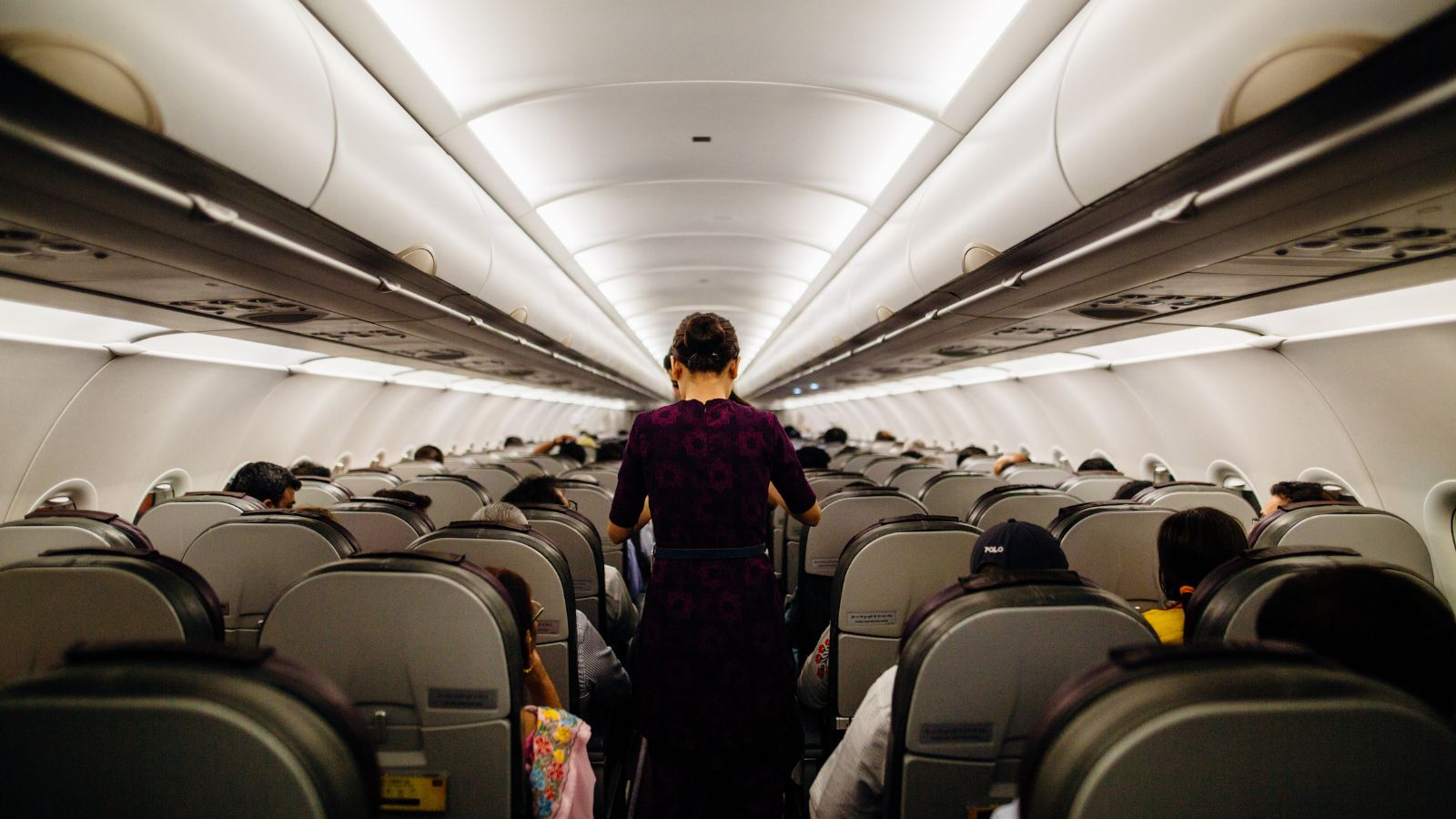
During a 90-second emergency evacuation, passengers can look out open windows before opening emergency doors, ensuring they don’t open an exit into fire or jet-fuel spills.
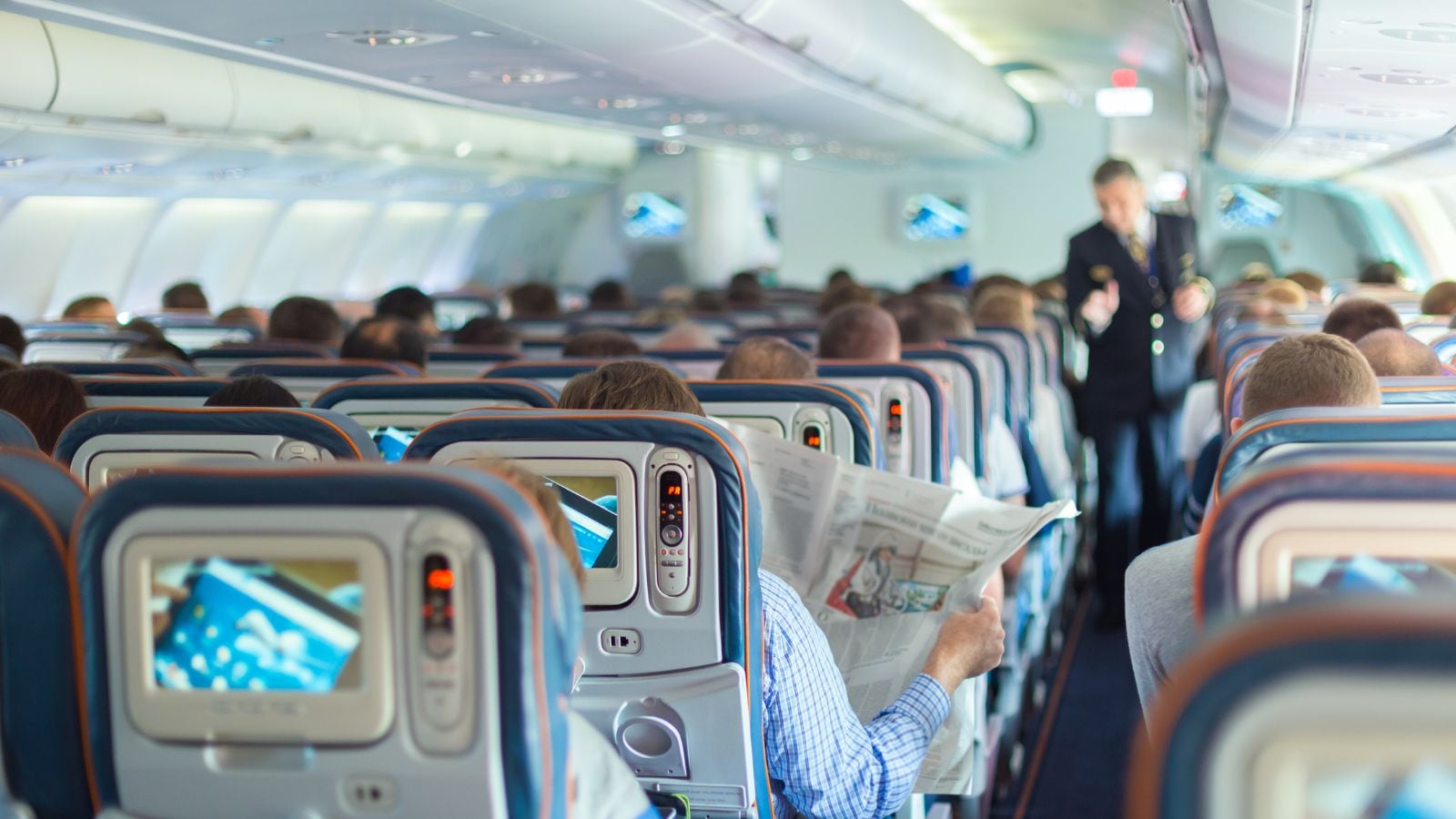
If a sudden electrical failure cuts power to interior cabin lights during takeoff or landing, open window shades fill the cabin with sunlight, preventing panic and guiding passengers safely out.