









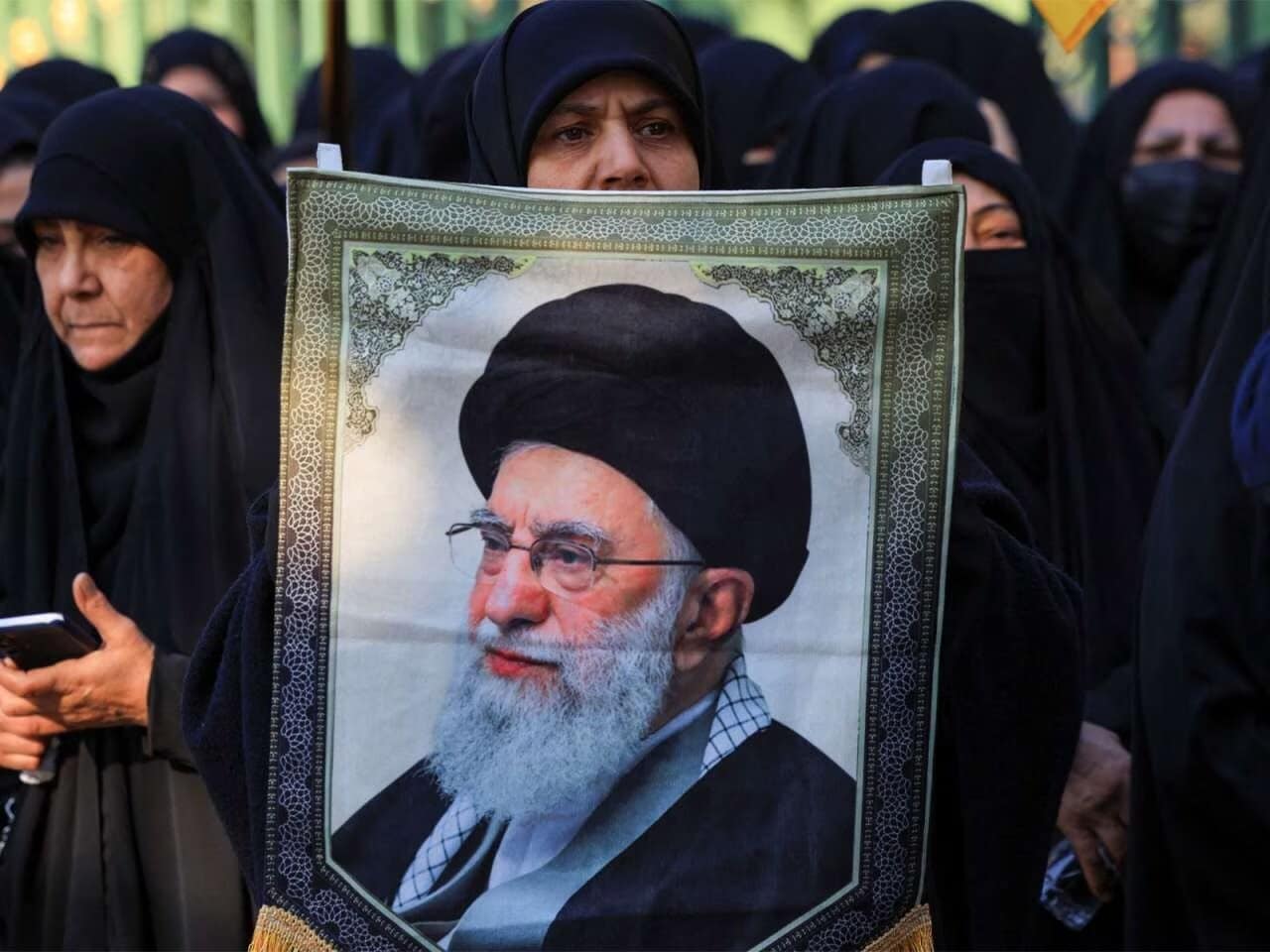
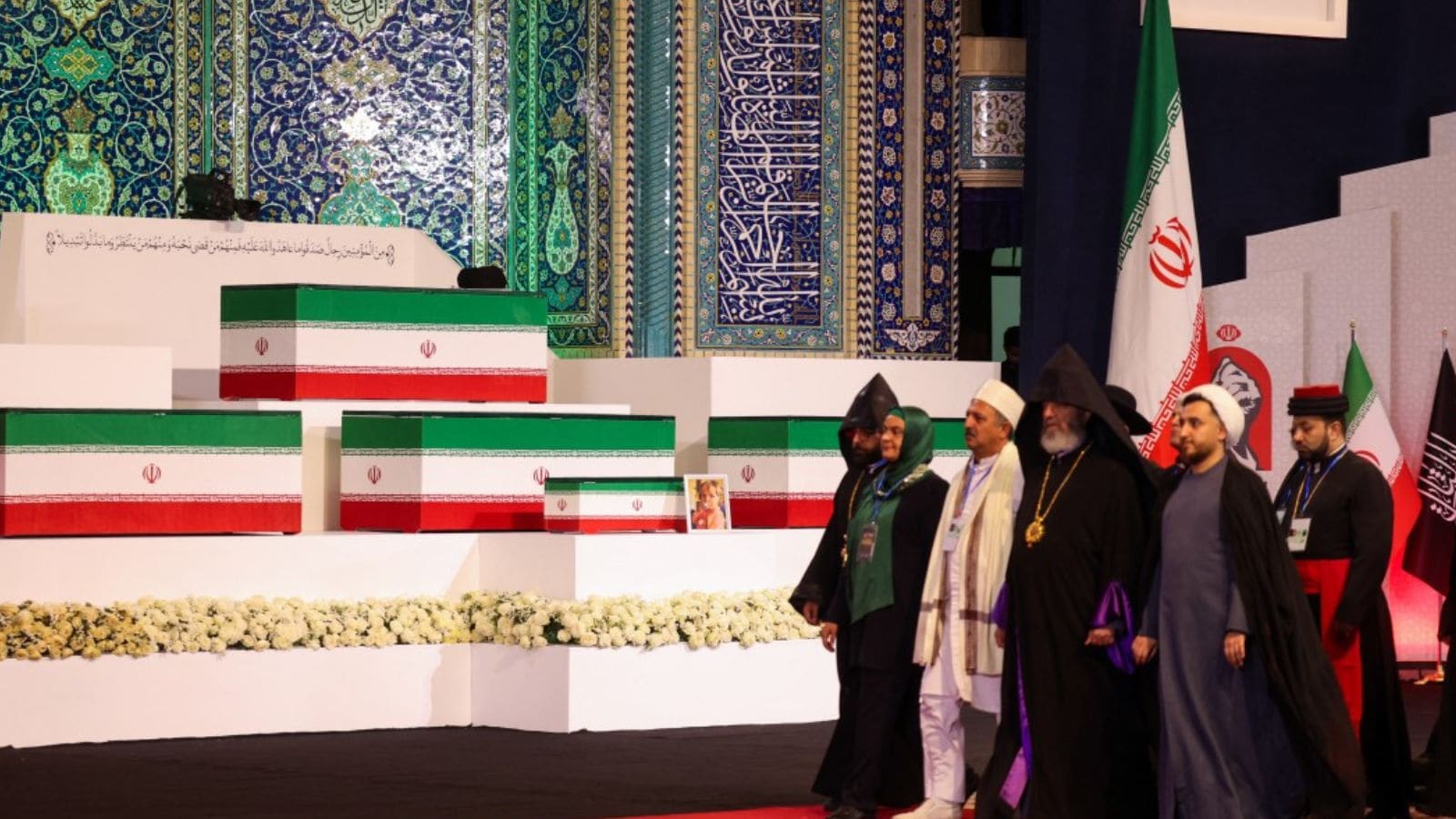
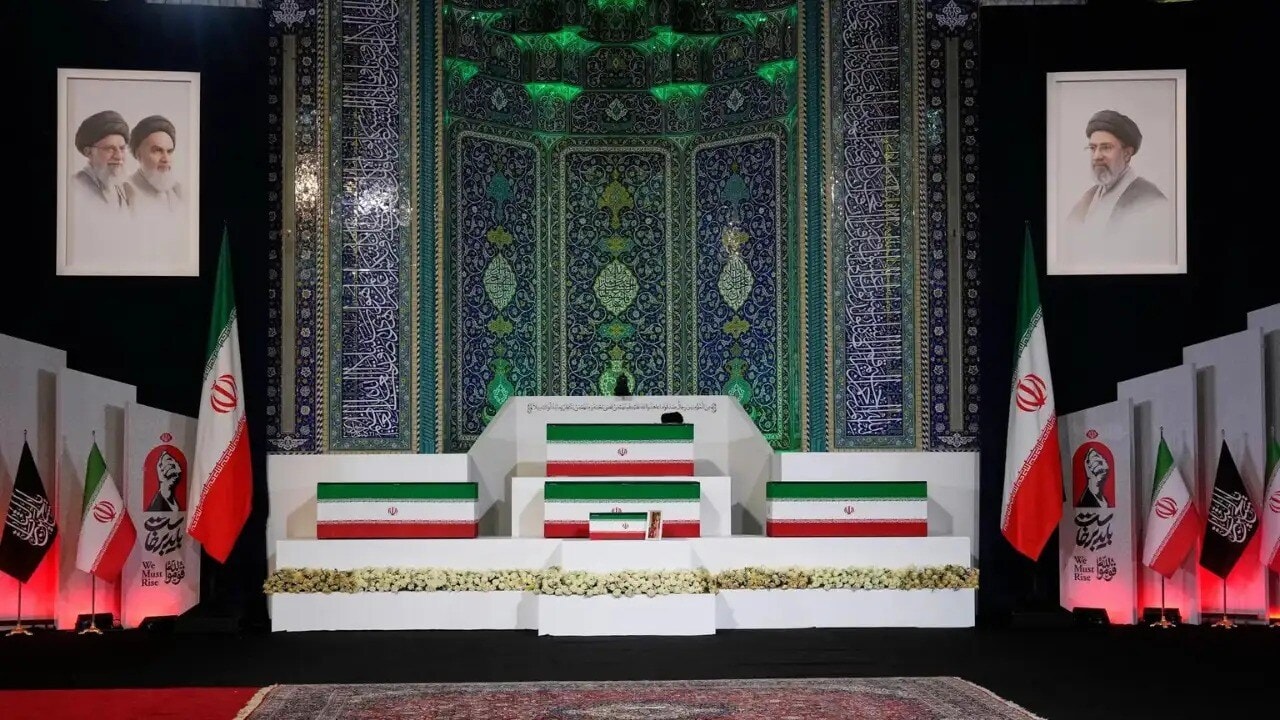
Iran’s late Supreme Leader, Ayatollah Ali Khamenei, was killed on February 28 in a joint US-Israeli strike. Owing to the ongoing war situation in Iran, his funeral could not be conducted immediately. After 125 days, his body has now been placed for public tributes ahead of the final rites. The prolonged preservation of his body has sparked global curiosity about the techniques used to keep it intact for more than four months.
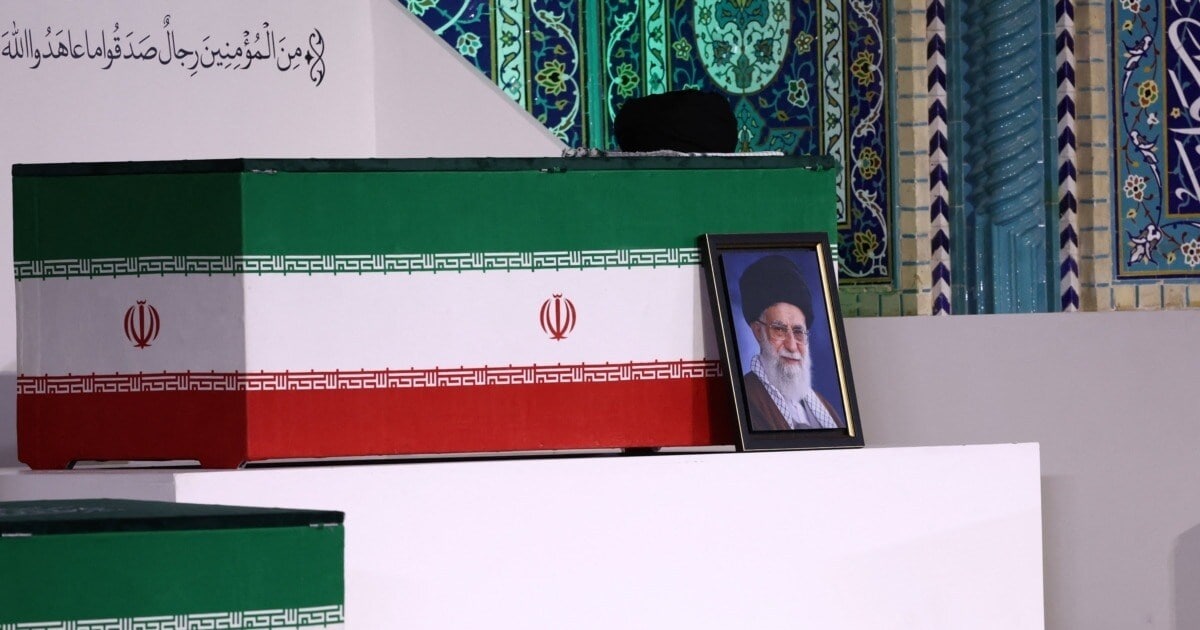
According to reports, Iranian medical and scientific teams relied on a combination of modern and traditional embalming techniques to preserve Khamenei’s body. The preservation process began by completely draining the body’s natural blood circulation and other bodily fluids. This essential step helps slow decomposition and prepares the body for the introduction of specialised preservation chemicals that protect tissues from breaking down over time.
After the body’s fluids were removed, a specially prepared chemical mixture containing formaldehyde, glycerin, alcohol and other disinfectants was injected through the arteries. These chemicals help prevent tissue decay while preserving the body’s natural structure and appearance. Following the embalming procedure, Khamenei’s body was transferred to a secure underground military medical facility in Tehran, where preservation continued under tightly controlled conditions.
The preserved body was reportedly stored in a specialised airtight cryogenic vault, where temperatures were maintained between 0°C and 2°C. This controlled environment protected the body from humidity, bacteria and other external factors that accelerate decomposition. Since the body remained in storage for more than four months, Iranian medical experts reportedly carried out weekly inspections to monitor skin condition and overall preservation.
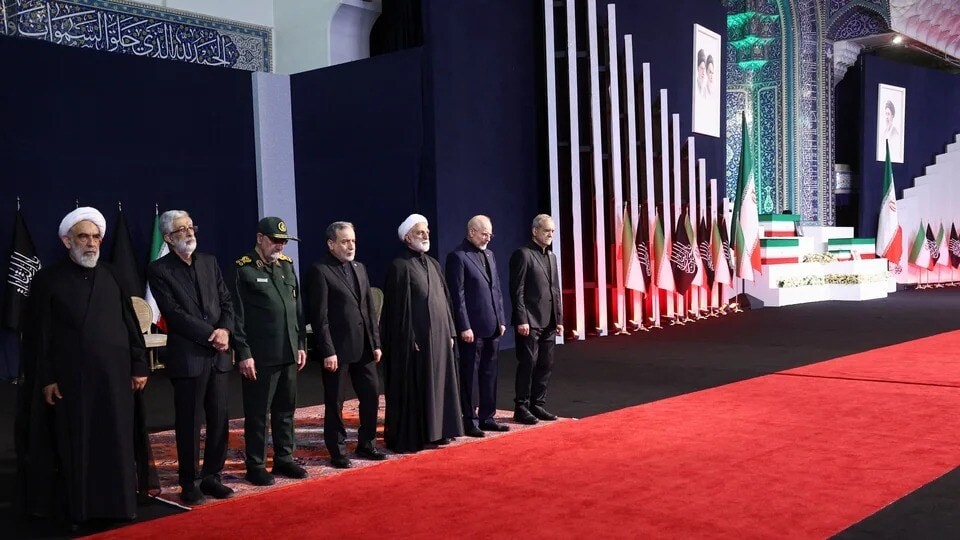
To maintain the body’s appearance, experts reportedly used special waxes and silicone-based lotions to preserve skin moisture and minimise drying, shrinking and discoloration. Regular maintenance ensured that the body remained visually intact throughout the 125-day preservation period. These procedures are considered an important part of long-term embalming when a body must be displayed after an extended period.
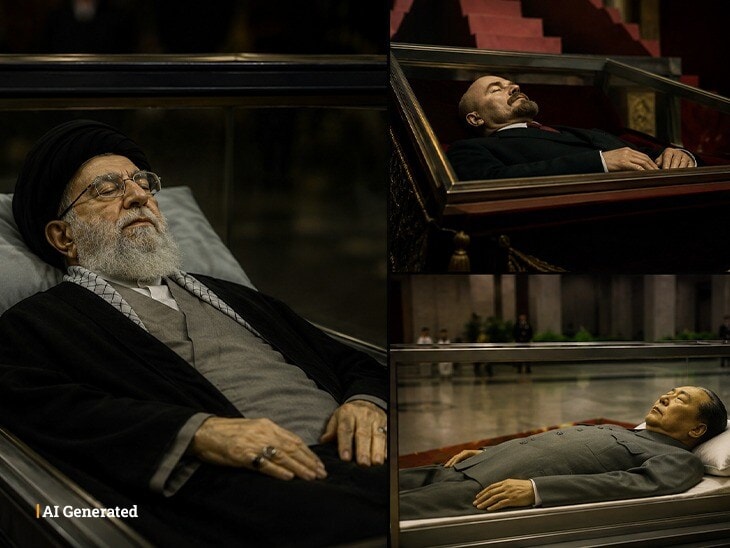
Long-term embalming has been used for several prominent historical leaders. The body of Vladimir Lenin, who died in 1924, has been preserved for 102 years. Ho Chi Minh, Vietnam’s revolutionary leader, has remained preserved for 57 years, while Kim Il Sung, North Korea’s founding leader, has been preserved for 32 years since his death in 1994. These remain among the world’s best-known examples of modern embalming.
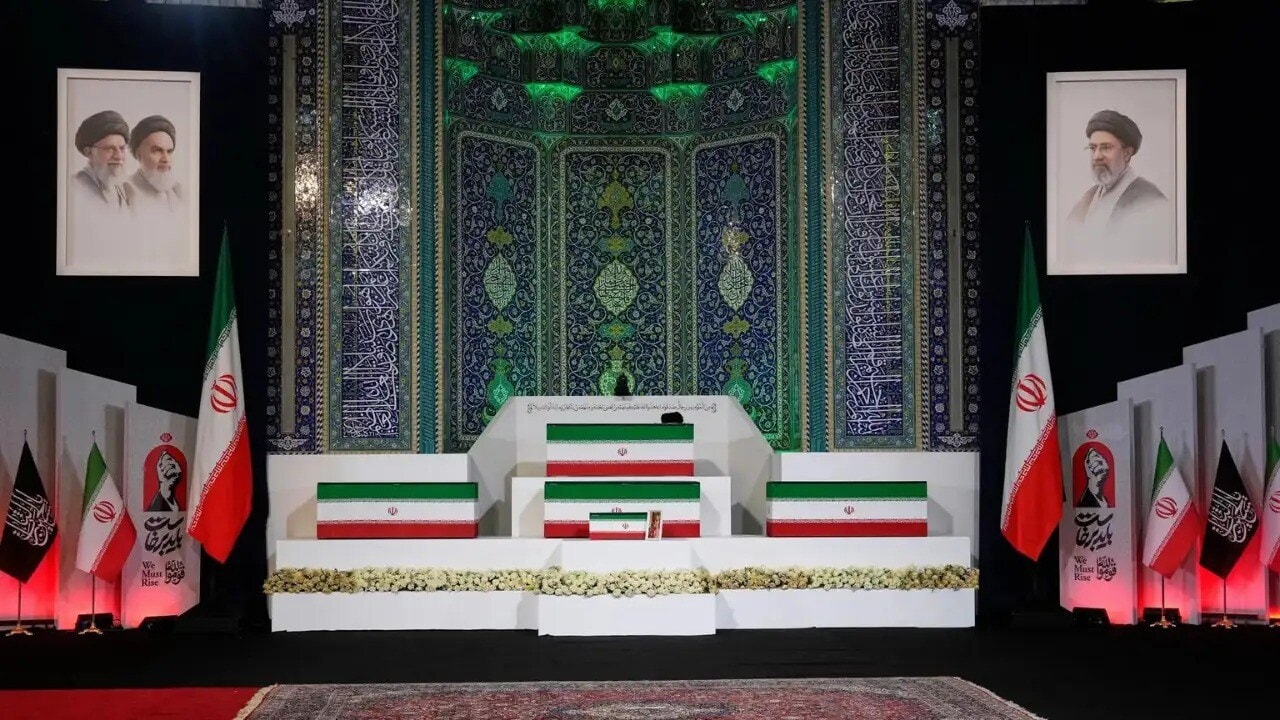
Iran also has its own history of preserving prominent figures. Reza Shah Pahlavi, the country’s former monarch, died in 1944. His body was embalmed in Egypt using mummification techniques and preserved for six years before it was eventually buried in Iran. The preservation of Ayatollah Ali Khamenei’s body has once again drawn attention to the combination of science, medicine and historical embalming practices used during extraordinary circumstances.


