








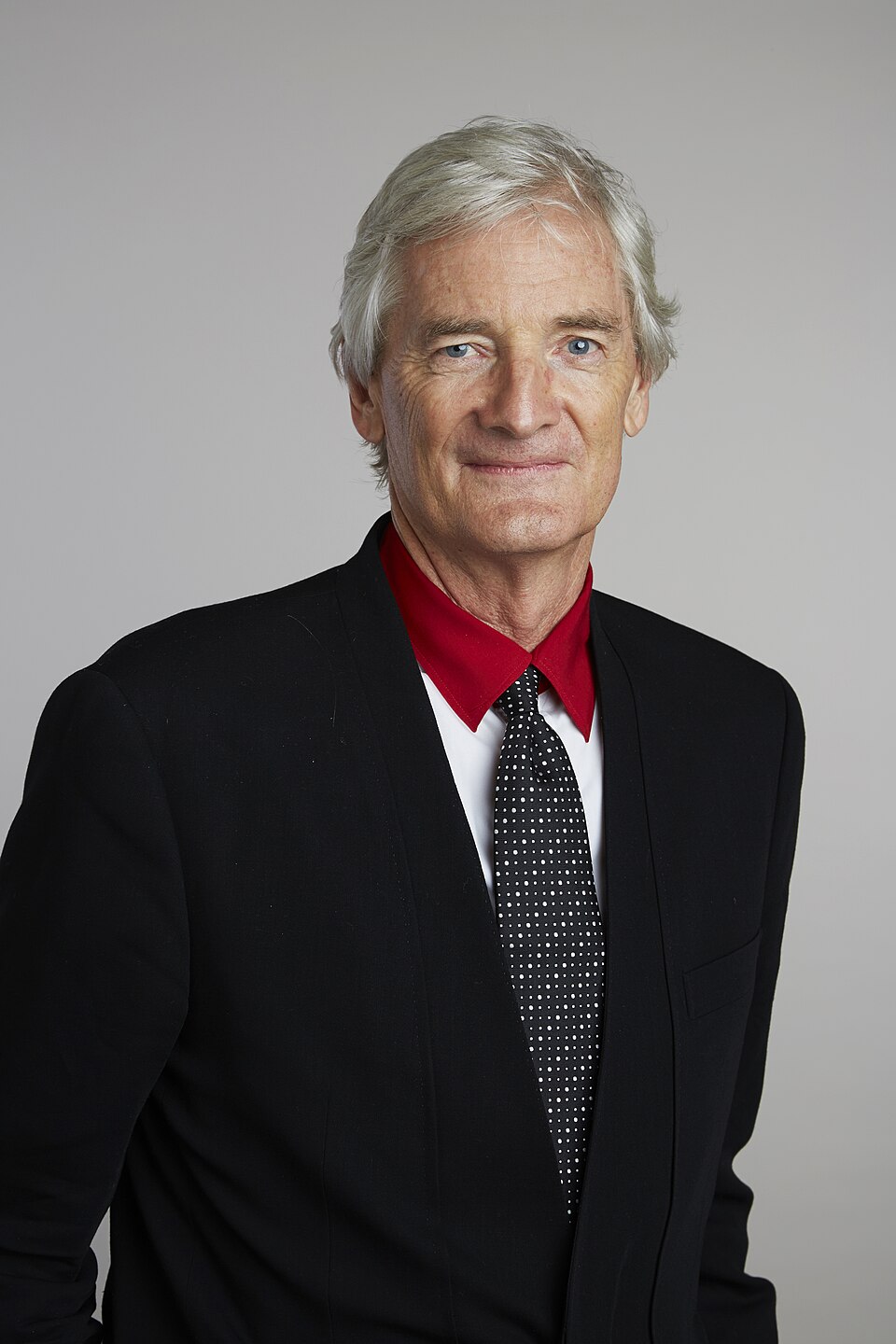
What do you do when your idea fails – not once, not a hundred times, but more than 5,000 times? Most people would give up; James Dyson didn’t. Today, the British inventor is known for creating the iconic bagless vacuum cleaner and building Dyson into one of the world’s most innovative technology companies. But behind the sleek appliances and billion-dollar business lies a story of relentless perseverance and countless setbacks. As Dyson himself famously said, “Enjoy failure and learn from it. You never learn from success.” (Image: Royal Society/Wikimedia Commons)
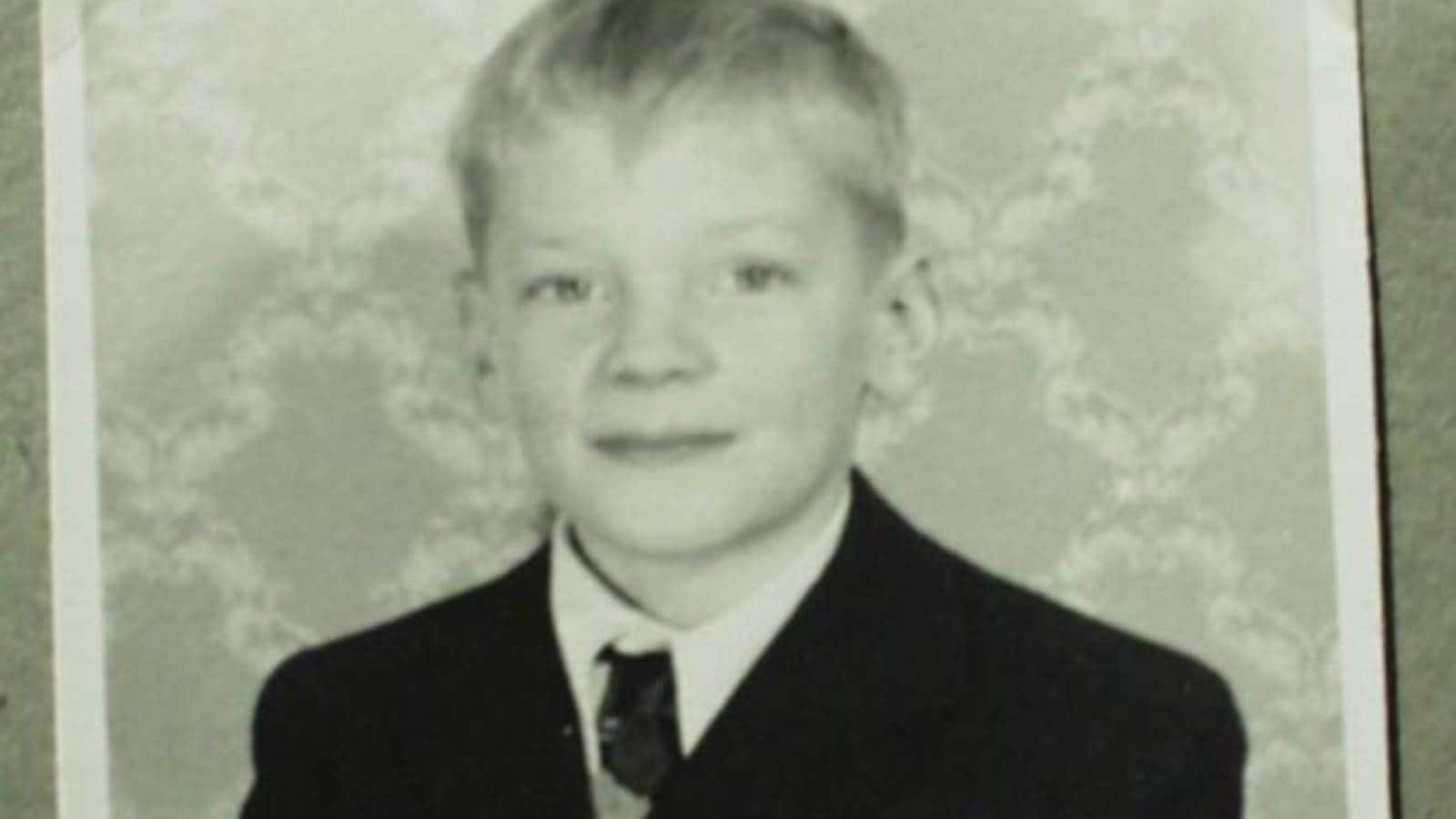
Sir James Dyson was born on May 2, 1947, in Cromer, Norfolk, England. His father died when he was just nine years old, and the loss shaped his determination from an early age. At school, Dyson excelled in long-distance running, later saying the sport taught him resilience and the value of persistence. He initially studied art before joining the Royal College of Art, where he discovered industrial design, a field that perfectly blended creativity with engineering. Reflecting on that turning point, Dyson said: “At school I opted for arts… I only stumbled on engineering by accident and immediately decided what I wanted to do—make things that work better.” (Image: Dyson India)
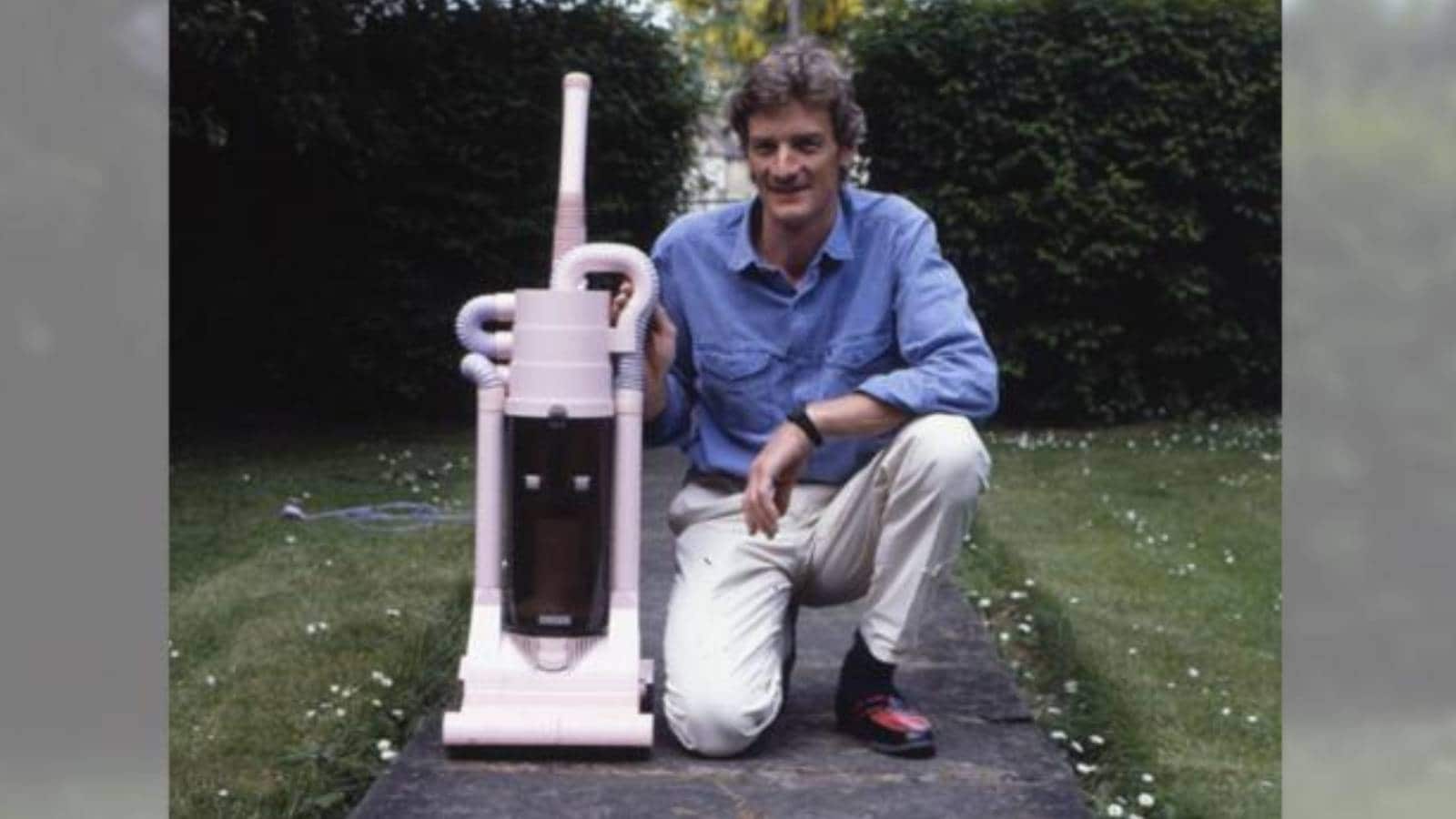
The idea that changed his life came from an everyday annoyance. In the late 1970s, Dyson grew frustrated with his vacuum cleaner. Every time the dust bag filled up, suction dropped dramatically. Instead of accepting it as normal, he wondered if there was a better way. Inspired by industrial cyclone technology used in sawmills to separate dust from the air, he began experimenting with a bagless vacuum cleaner that would never lose suction. (Image: Dyson India)
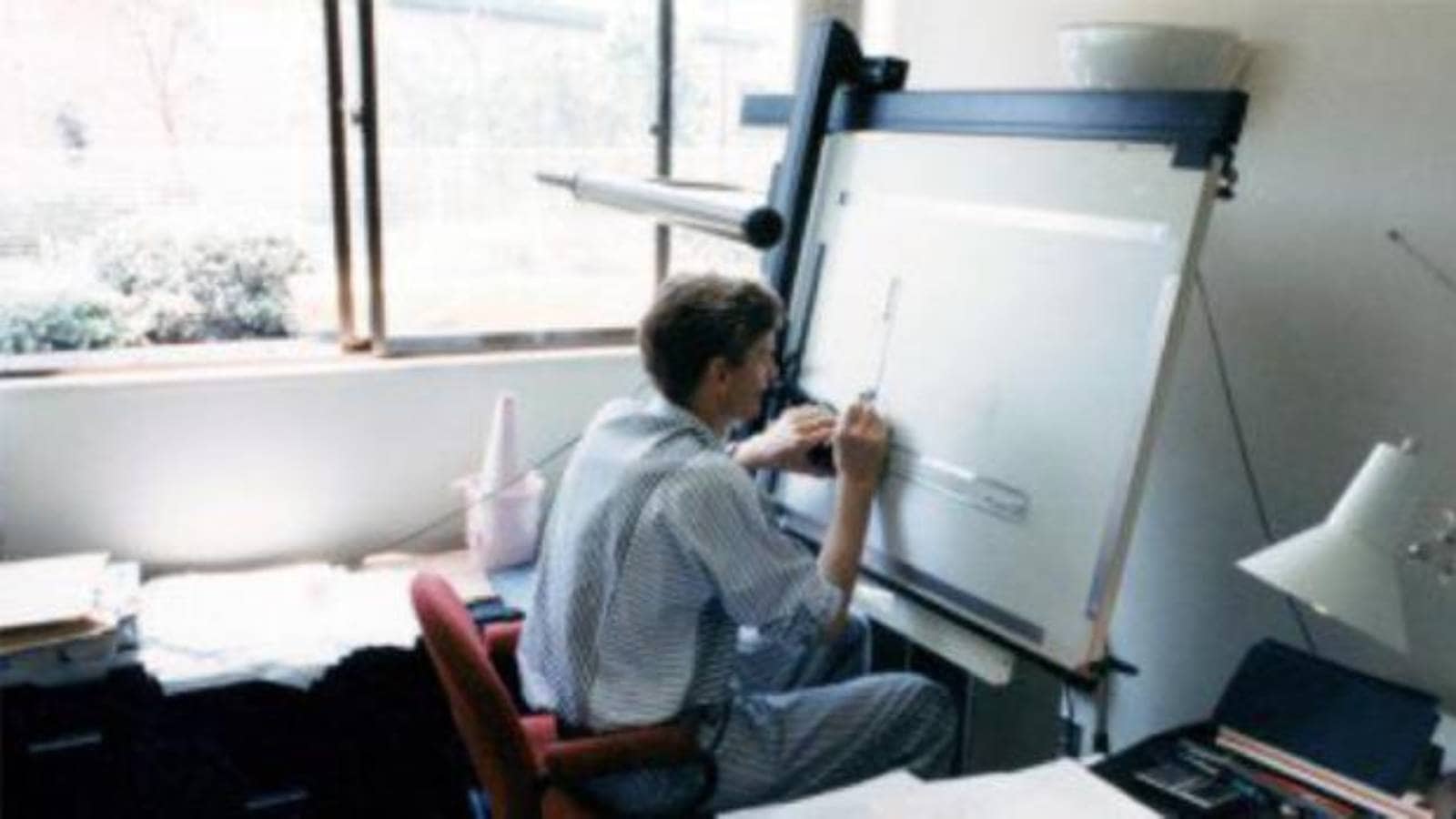
The journey was anything but easy. Over five years, Dyson built 5,127 prototypes before finally creating a design that worked. Each unsuccessful attempt taught him something new. “I made 5,127 prototypes of my vacuum before I got it right. There were 5,126 failures. But I learned from each one,” he once said. “That’s how I came up with a solution. So I don’t mind failure.” His persistence has become one of the most celebrated examples of innovation through trial and error. (Image: Dyson India)
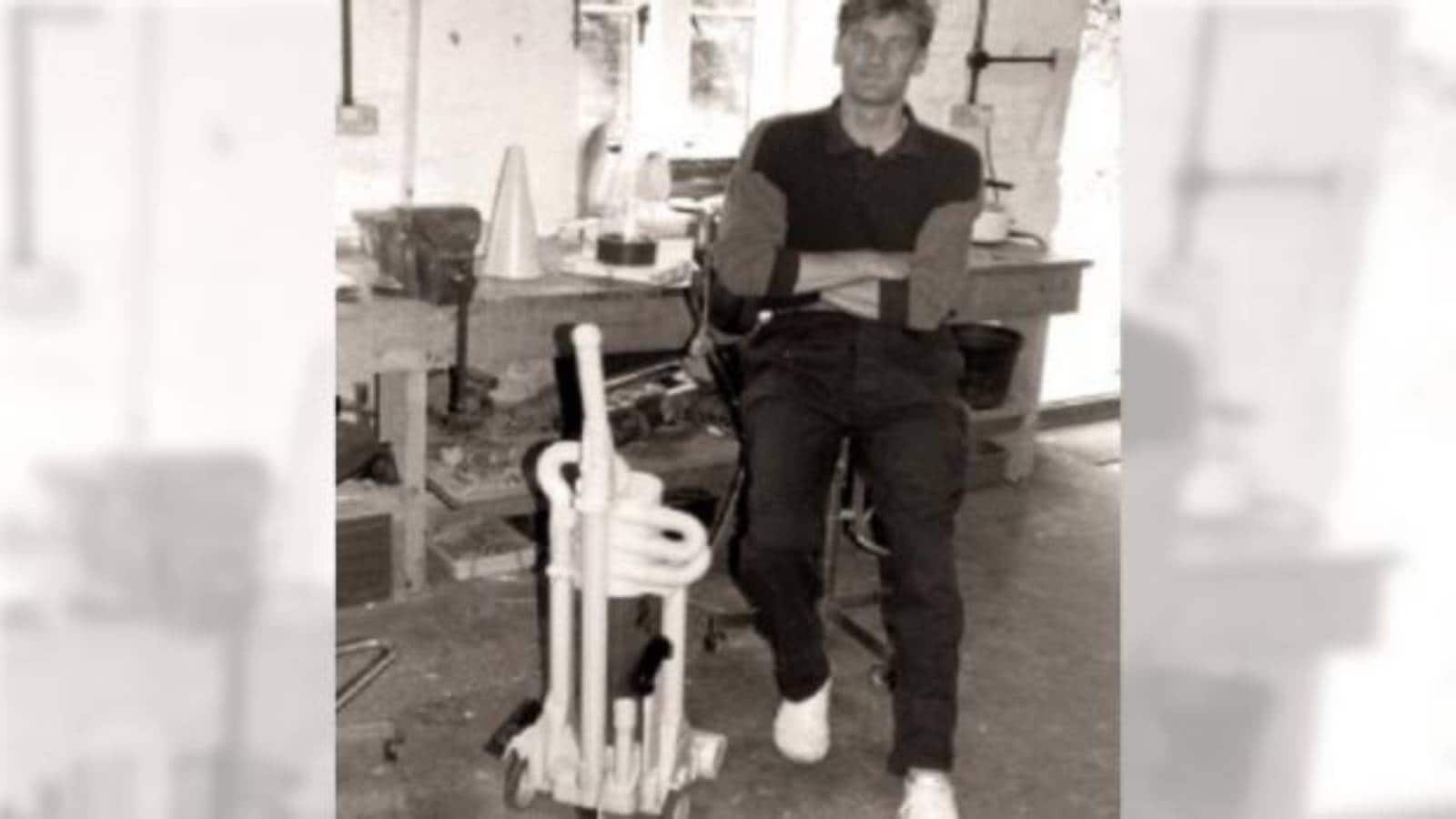
Even after perfecting his invention, success didn’t arrive overnight. Major vacuum cleaner manufacturers rejected his idea, unwilling to abandon the profitable business of selling replacement dust bags. Rather than shelving his invention, Dyson licensed his technology abroad before eventually launching his own company. (Image: Dyson India)
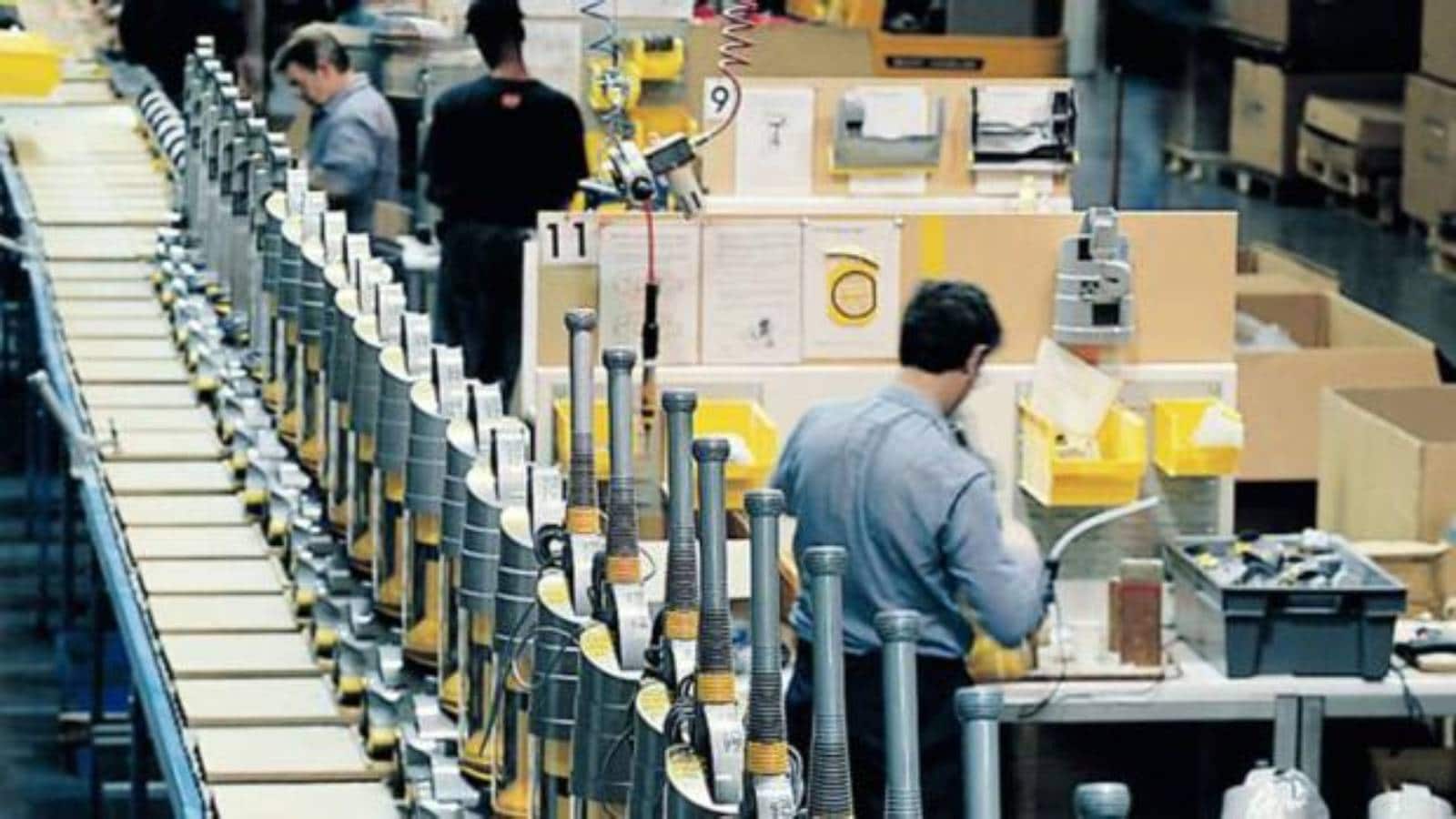
In 1993, Dyson introduced the DC01, the world’s first commercially successful bagless vacuum cleaner. It quickly became the UK’s fastest-selling vacuum cleaner, proving that consumers were ready for a better solution. (Image: Dyson India)

What began with one invention soon evolved into a global technology company. Dyson expanded into bladeless fans, air purifiers, hand dryers, hair dryers, hair styling tools and robotic vacuum cleaners. The company became known not just for stylish products, but for solving everyday problems through engineering and design. Even projects that failed commercially, such as Dyson’s washing machine and later its electric vehicle programme, were treated as valuable learning experiences rather than defeats. (Image: Dyson India)
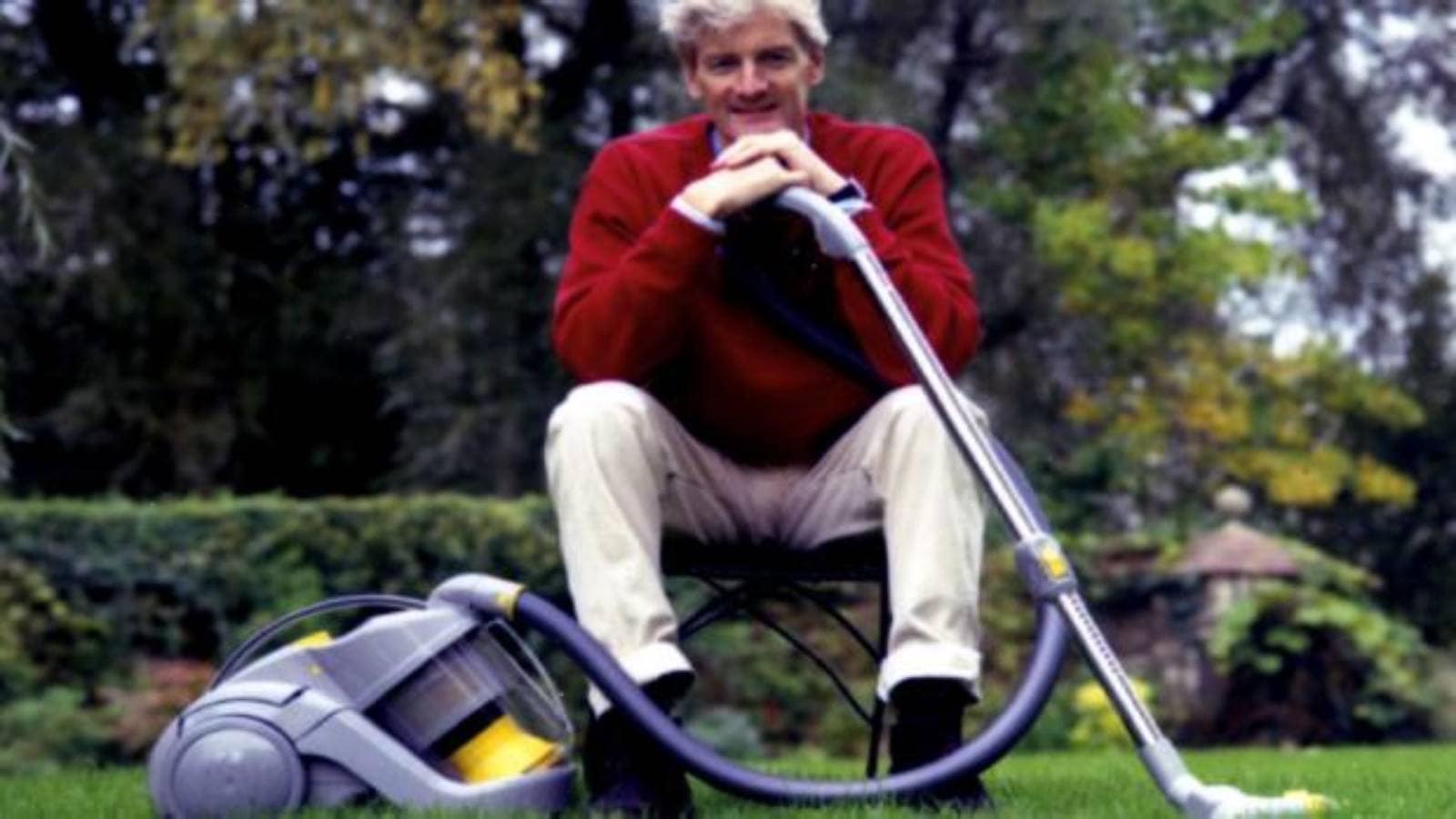
Few entrepreneurs speak as openly about failure as James Dyson. He believes mistakes are an essential part of innovation and often argues that education should encourage experimentation instead of fearing failure. As he puts it: “Success tells you nothing. Failure is interesting—it’s part of making progress. You never learn from success, but you do learn from failure.” (Image: Dyson India)
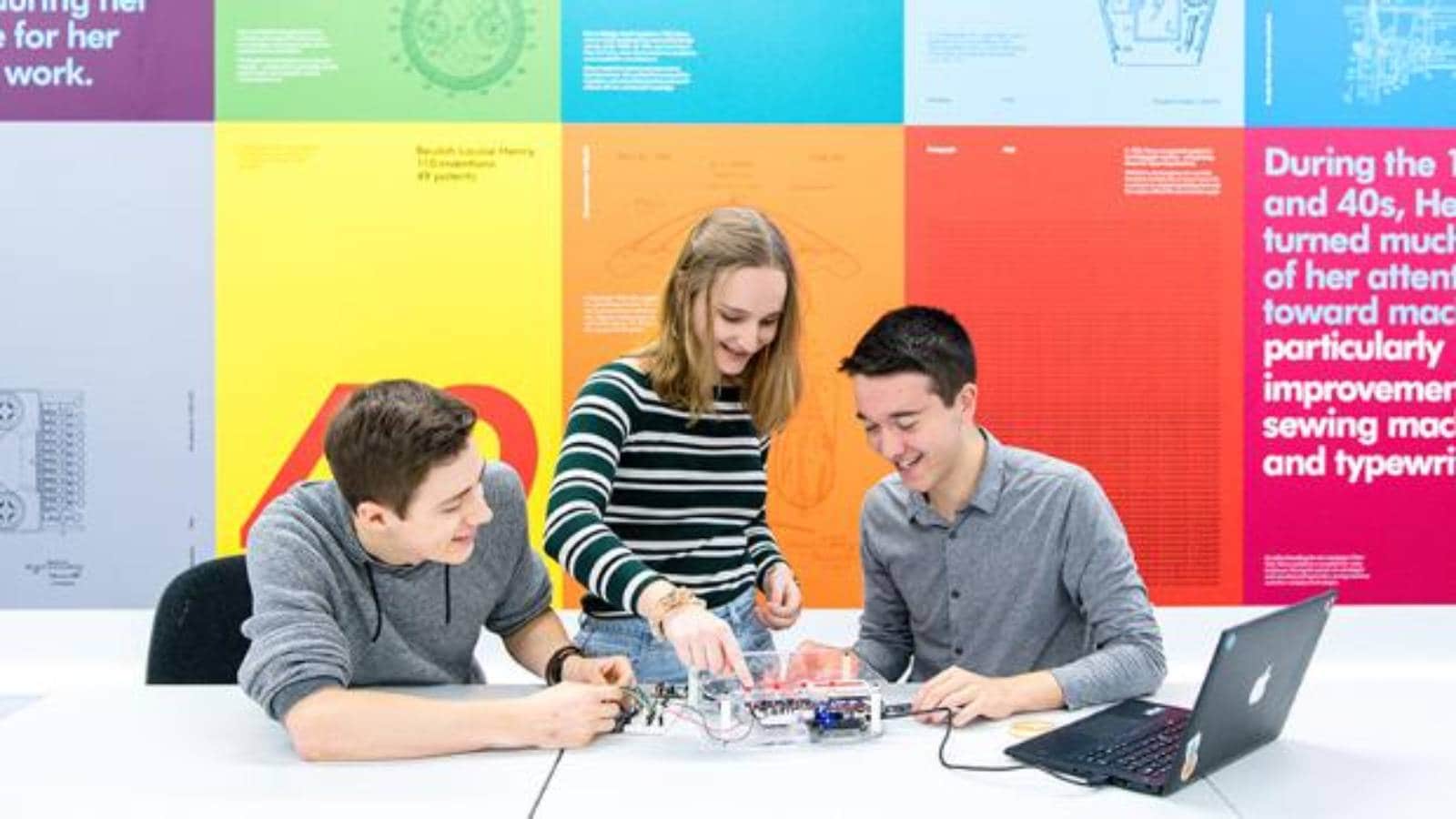
Beyond business, Dyson has invested heavily in engineering education through the James Dyson Foundation, which encourages young people to pursue careers in science, design and engineering. He has also funded research programmes and scholarships to help nurture the next generation of inventors. (Image: Dyson India)
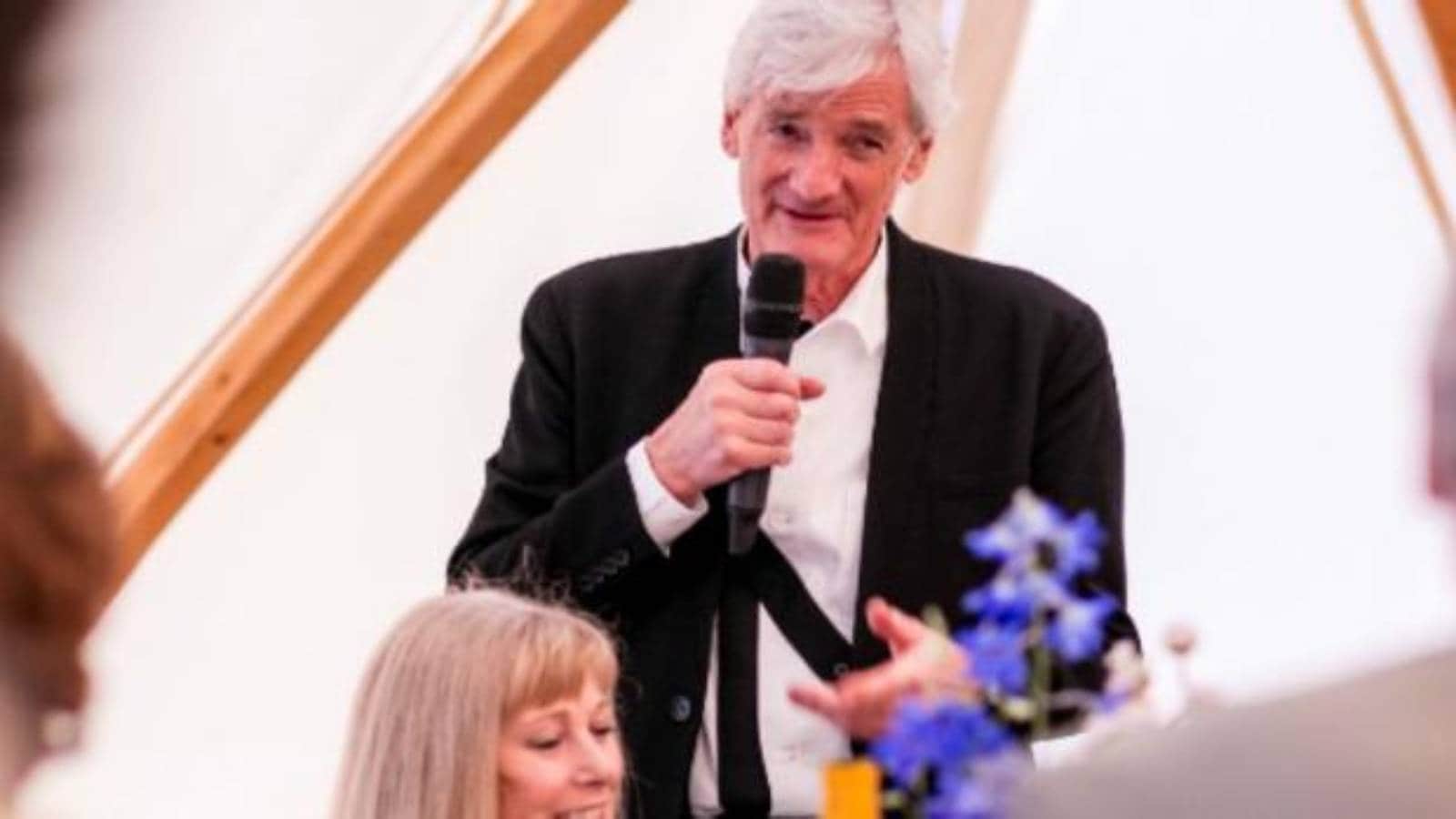
James Dyson’s perseverance has not only transformed the home appliances industry but has also made him one of Britain’s richest entrepreneurs. According to the 2025 Sunday Times Rich List, Sir James Dyson has an estimated net worth of £20.8 billion (around $28 billion or ₹2.4 lakh crore). (Image: Dyson India)


