






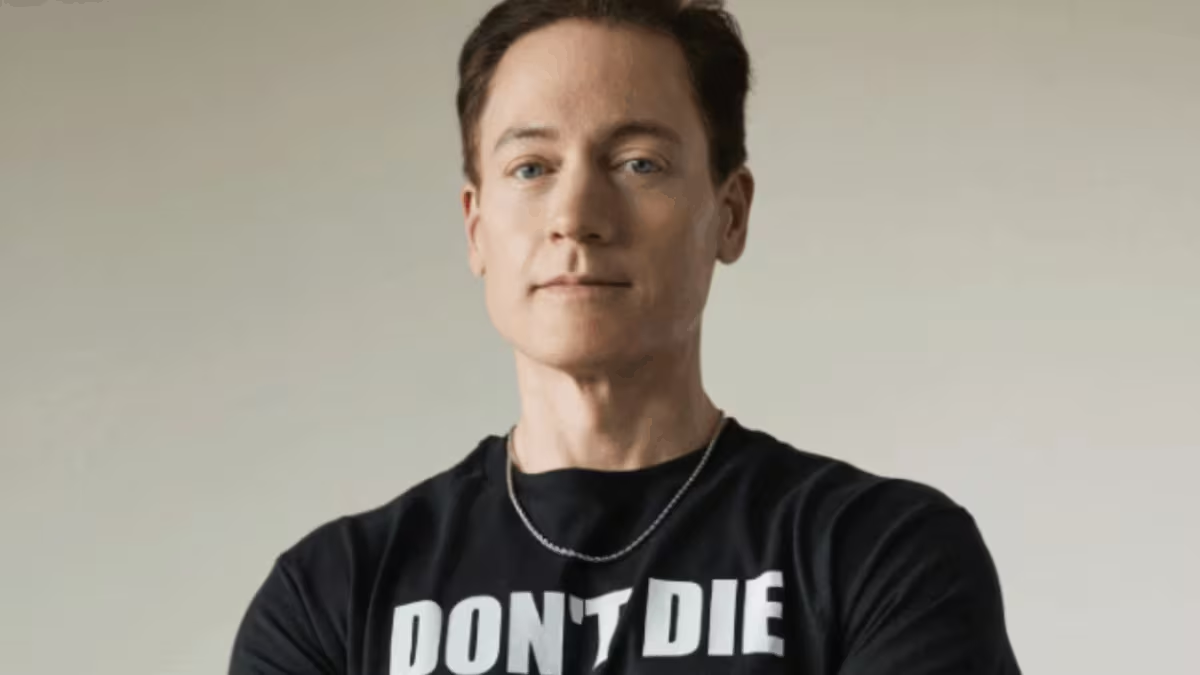

Tech entrepreneur and longevity enthusiast Bryan Johnson has once again grabbed global attention after claiming, “I just cloned myself…as a newborn.” The statement quickly went viral, with many wondering if he had actually created a human clone. In reality, Johnson was referring to a laboratory process that reprogrammed his own cells into an embryonic-like state. He believes the experiment could one day help him grow replacement organs, test treatments and even reverse aspects of ageing. Here’s what he actually meant. (Image: Instagram/@bryanjohnson_)
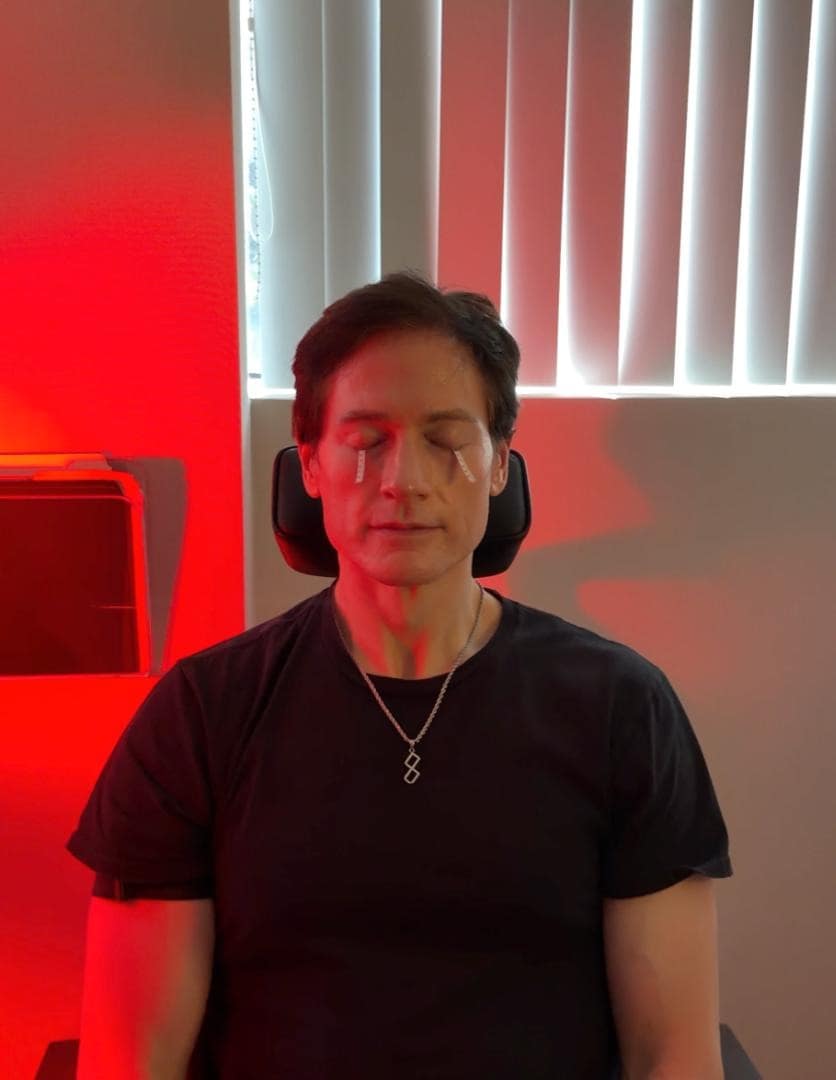
Despite the attention-grabbing phrase, Bryan Johnson did not create a cloned baby or a copy of himself. Instead, scientists reprogrammed some of his adult cells into an early developmental state in a laboratory. The cells were turned into what are known as induced pluripotent stem cells (iPSCs). These cells behave similarly to embryonic stem cells, meaning they have the potential to develop into many different types of cells in the human body. (Image: X/@Bryan Johnson)
Johnson described the cells as a “newborn” version of himself because they had effectively been reset to an early stage of development. It was a metaphor rather than the creation of an actual baby. (Image: X/@Bryan Johnson)
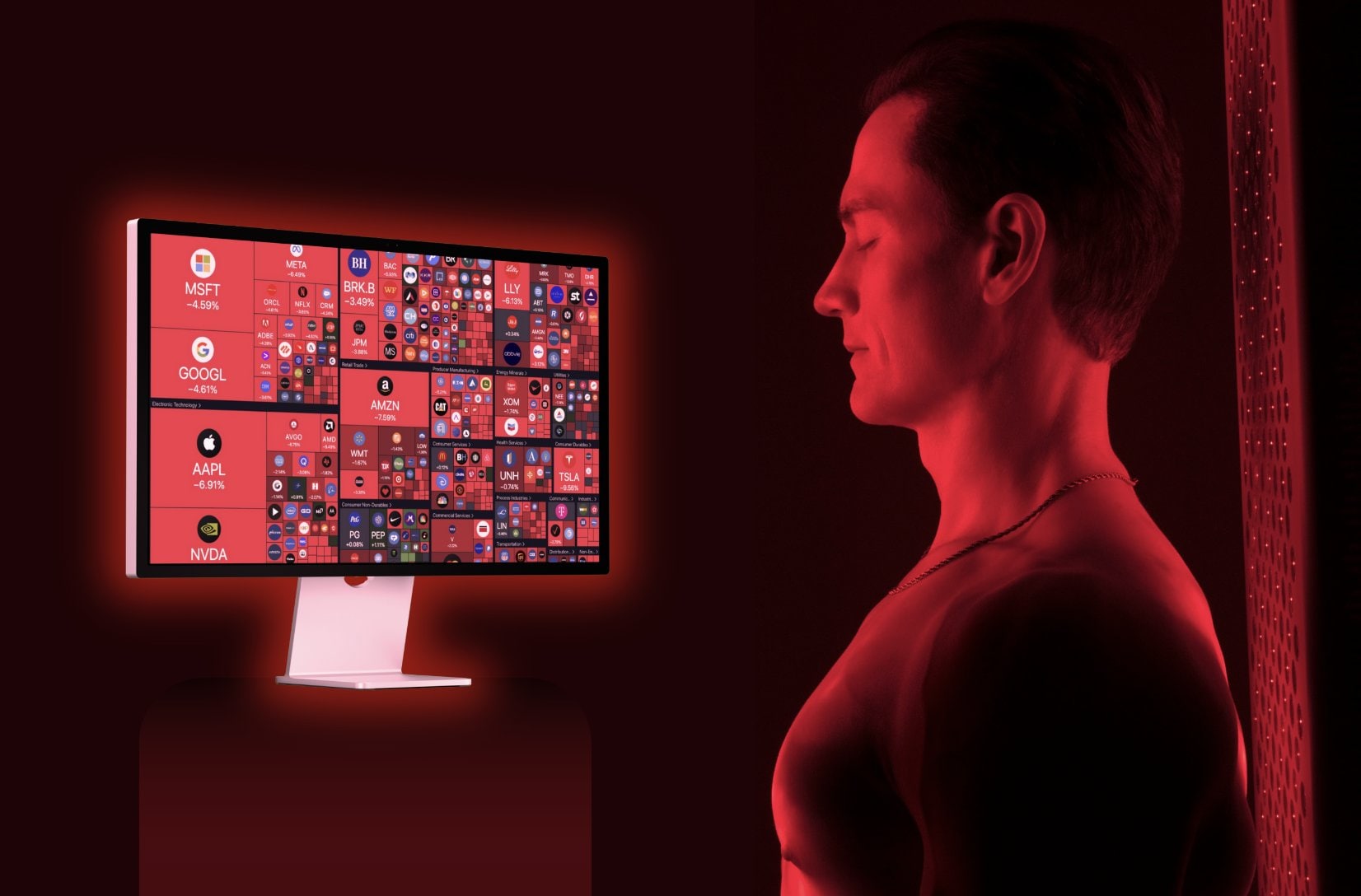
Johnson explained his vision in his social media post, writing: “With this clone, I can: become my own blood boy, test therapies on the clone, grow organs for transplantation, develop new treatments, inject young cells.” He believes that using cells derived from his own body could eventually reduce the risk of rejection and help repair damaged tissues, although many of these applications are still being researched. (Image: X/@Bryan Johnson)

The process used to create iPSCs is well-established in medical research and has been used by scientists for years. Researchers around the world use these cells to study diseases, test drugs and explore regenerative medicine. (Image: X/@Bryan Johnson)
Creating reprogrammed stem cells is very different from cloning a whole human being. Human reproductive cloning remains illegal or heavily restricted in many countries and is not what Johnson’s experiment involved. (Image: X/@Bryan Johnson)

According to Johnson, the reprogrammed cells “can be differentiated into hundreds of cell types” and could one day help “rebuild my body, organ by organ.” However, experts caution that while induced pluripotent stem cell (iPSC) technology is real and already used in research, growing fully functional transplantable organs remains an experimental goal rather than current medical practice. (Image: X/@Bryan Johnson)
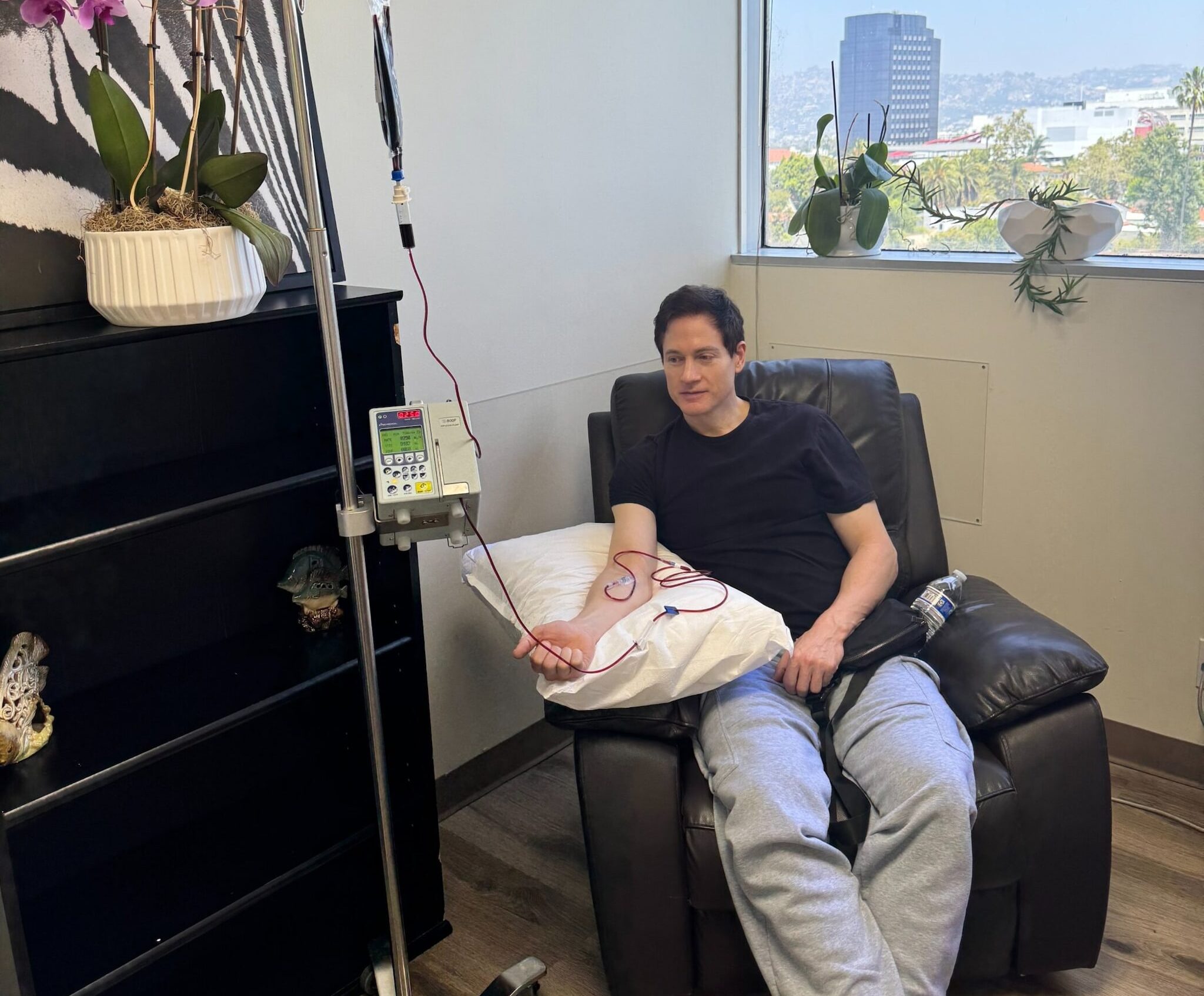
This is just the latest in a series of headline-making longevity experiments. Over the years, Johnson has documented strict diet plans, intensive health monitoring, plasma-related therapies and other attempts to extend healthy lifespan. (Image: X/@Bryan Johnson)

