







Samposhan, an Adambakkam-based enterprise that views fashion through the lens of sustainability and promotes a brand of circular fashion with the diacritic placed firmly on reduction of textile waste is wrapping up a garment-mending workshop today.
The emphases of the programme are environmental consciousness and creativity. Titled “Pause. Mend. Reuse.”, the event (June 13 and 14) encourages participants to repair and reimagine worn garments, extending their lifespan while underscoring Samposhan’s broader mission of reducing textile waste and promoting a circular economy.
Through hands-on sessions, attendees learn mindful mending techniques and explore ways to give cherished pieces a new lease of life, demonstrating how a simple repair can be a small but significant act of sustainable living, says Mamta Jain, founder of Samposhan.

During a garment-mending workshop by Samposhan
Instagram – @thesamposhan
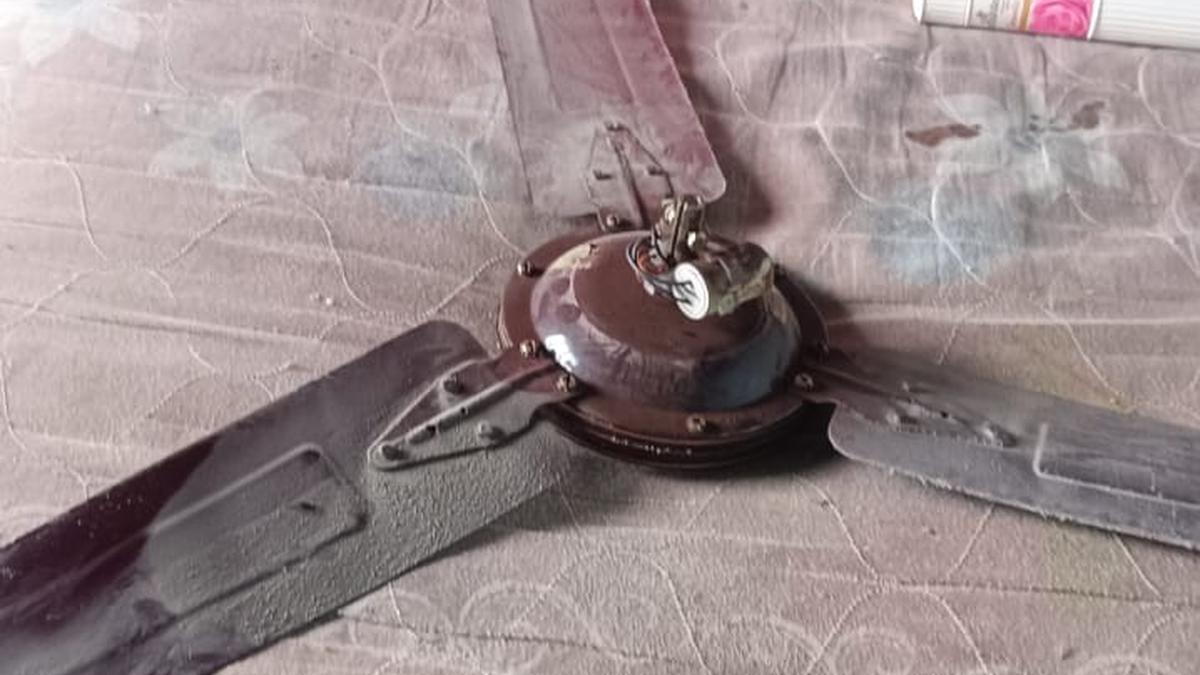
Wire it right
At a time when malfunctioning appliances are often discarded with little thought, Repair Café Chennai is championing an alternative ethos, one that prioritises repair and recirculation.
Launched in October 2024 by Meenalochani S, founder member of Repair Café Chennai, the initiative traces its roots to the Repair Café movement started in Bengaluru by Purna Sarkar. The first Chennai session was held in the portico of Meenalochani’s home, bringing together friends and their children for a hands-on introduction to repairing everyday objects. “It felt very much needed for every child as part of the skills they should grow up with,” says Meenalochani.
The inaugural event featured stations for carpentry, cycle repair, and electrical and electronic repairs. Over time, however, the Chennai chapter evolved into a series of workshops focused primarily on electrical and electronics repair. “The electrical and electronics section caught up with us because we found good mentors for it who were willing to continue the journey,” she says. “My daughter got to open up the devices and identify the problem herself. Now she knows electronic goods can be repaired instead of simply buying new ones,” says one of the participants.
Since then the collective has conducted workshops with a school in Besant Nagar, collaborated twice with Goethe Institute, and organised sessions in public spaces across the city. Most participants have been homeschoolers, with some families travelling from Puducherry to attend repeatedly.
Through pre-registered sessions lasting three to four hours, participants learn troubleshooting, continuity testing, soldering and basic appliance repair under the guidance of volunteer mentors. Fees range from ₹500 to ₹1,000.
The initiative also sustains an active WhatsApp community where participants seek repair advice and share resources. Looking beyond workshops, the group is working to build a gig-employment network connecting skilled repairers with those seeking repair services. “Our mission is to create earning opportunities, empower skilled workers, and connect them with people who need reliable repair solutions,” says Meenalochani.
Instagram – @repaircafe.tiruandchennai
Stitching memoreis
When a treasured sari is torn, faded or damaged, Chennai-based sari repairer Aasai Muthu is often the person customers turn to. With over 45 years of experience, Muthu has built a niche business around restoring saris that hold sentimental, cultural and monetary value.
Operating from his main outlet near Thirumangalam in Anna Nagar, with branches in Mogappair, T. Nagar, Ambattur and Padappai, Aasai Muthu restores saris damaged by age, wear and accident. Torn fabrics, damaged borders, colour bleeding caused by rainwater, rodent-inflicted damage and faded hues are among the most common problems brought to his workshop.
The craft is a “hand-me-down” to Aasai Muthu. “My grandfather and father were both weavers. From childhood, I was surrounded by saris and weaving work,” he says. “Even now, I can easily identify different types of zari and borders.”
His clientele ranges from homemakers seeking to preserve treasured possessions to actors and other prominent personalities. Wedding silks and heirloom saris account for a significant portion of the work he undertakes, particularly from customers in Mylapore. “Many people bring saris that belonged to their mothers or grandmothers. They do not want to throw them away because there are memories attached to them,” he says.
Restoration charges typically range from ₹500 to ₹2,000, depending on the complexity of the work involved. While the repair itself generally takes three to four days, the entire process extends to six to eight days, including approximately two days each for collection and delivery. Customers may either visit the workshop or schedule a home visit, during which Muthu personally assesses the sari’s condition. As part of the service, every restored sari is returned with a complimentary dry-cleaning treatment, helping revive its appearance and finish.
One of the more unusual assignments he recalls involved a government official who wanted the border from one sari painstakingly removed and attached to another. Such requests, he says, underscore the sentimental value that many customers continue to place on their garments.
Yet, Aasai Muthu has observed a gradual decline in the culture of repair. “Nowadays, many people prefer to sell old saris and buy new ones. Earlier,” he says. The challenge becomes even greater when dealing with saris that are decades old. “Repairing a saree that is 30 or 40 years old requires a lot of patience. We cannot bring back the original material completely, but we can restore it and make it wearable again,” he says.
Call Aasai Muthu at 6380563972
Published – June 14, 2026 06:50 am IST