


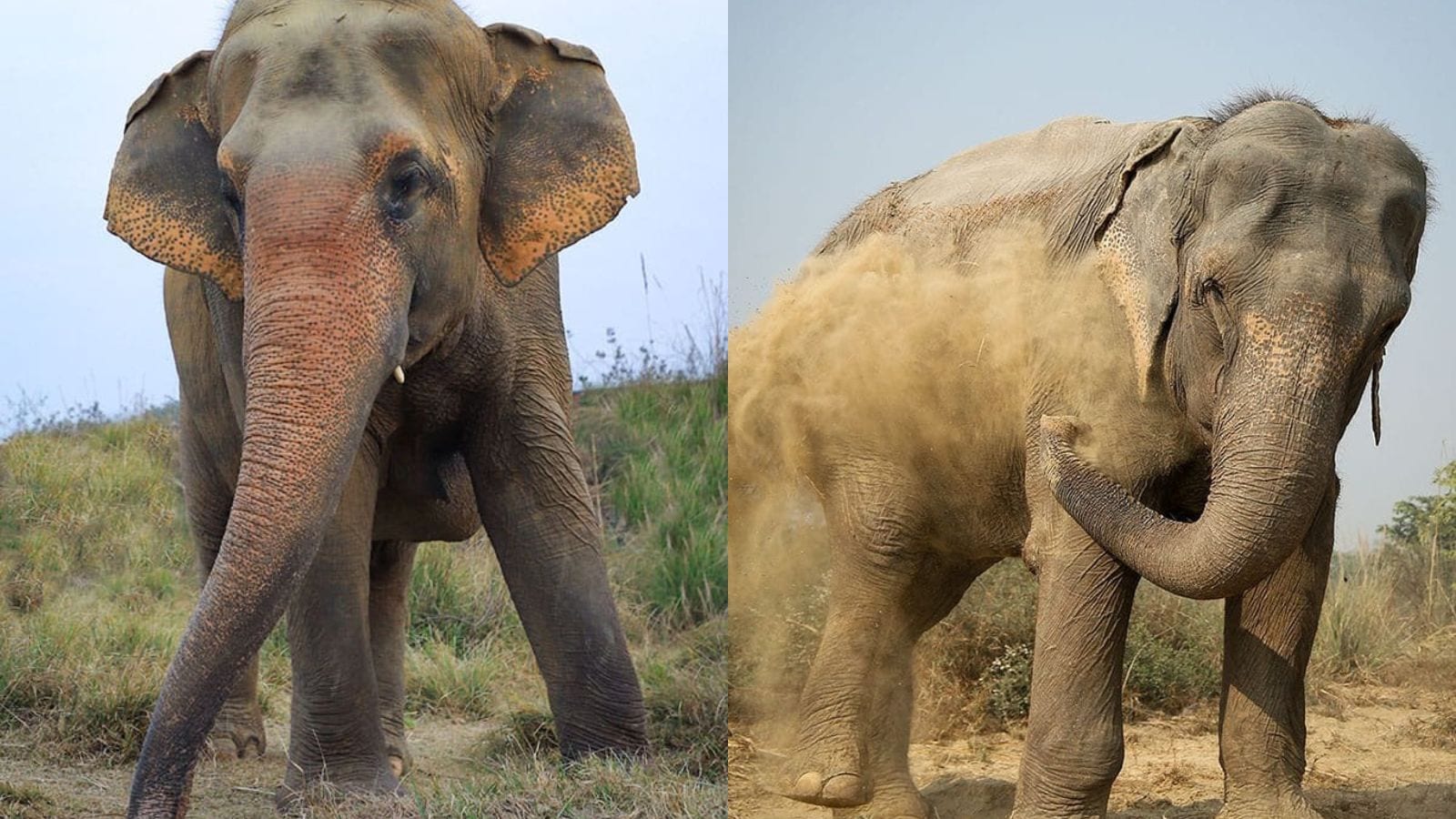
India is home to almost 60 per cent of the world’s remaining Asian elephant population, making the country crucial to the survival of the species. Yet thousands of elephants have historically been subjected to exploitation in tourism, manual labour, religious processions, performances and begging. On World Elephant Day, the focus often turns to protecting elephants in the wild, but equally important is the question of what happens to those rescued from years of captivity and abuse. In Uttar Pradesh, Wildlife SOS has created a specialised space where injured, sick and ageing elephants can receive medical care and begin the long journey towards recovery.
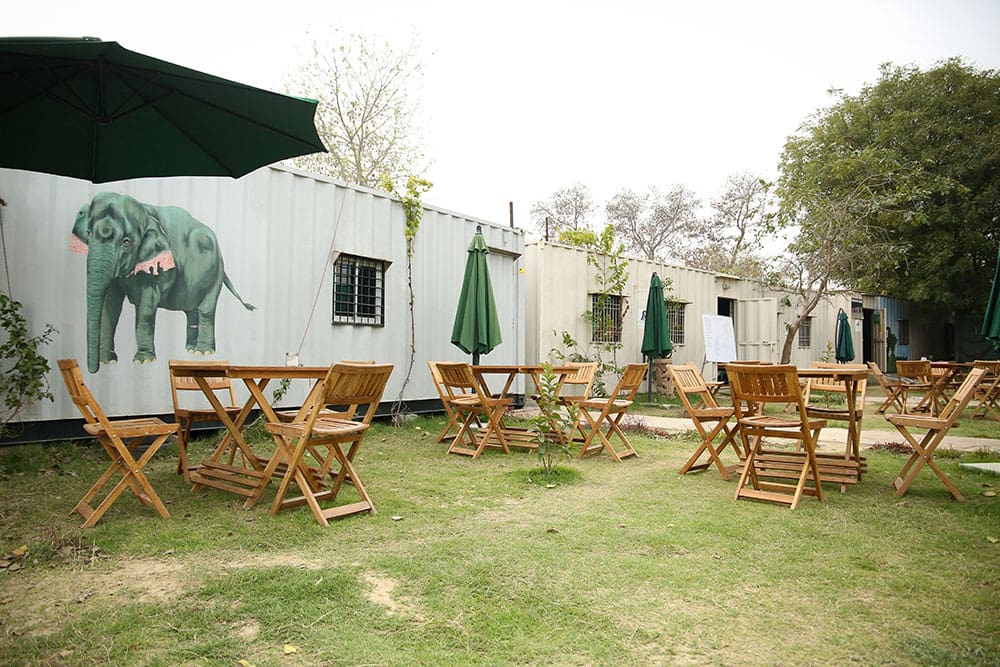
The Country’s First Elephant Hospital
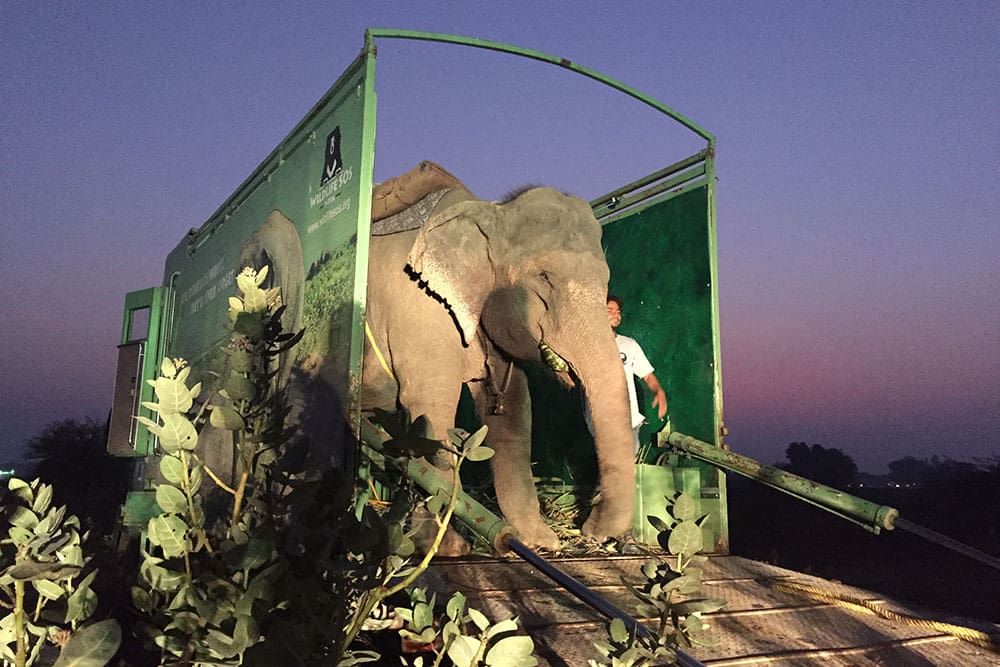
In 2018, Wildlife SOS established its first dedicated elephant treatment unit, marking a major step in specialised veterinary care for elephants in India. The organisation subsequently developed the country’s first hospital designed specifically to treat injured, ill and geriatric elephants. Located at Ghari Churmura in Farah, Uttar Pradesh, the facility was designed around the unique physical and behavioural needs of these enormous animals. It can handle everything from routine veterinary examinations to emergency interventions and prolonged treatment.
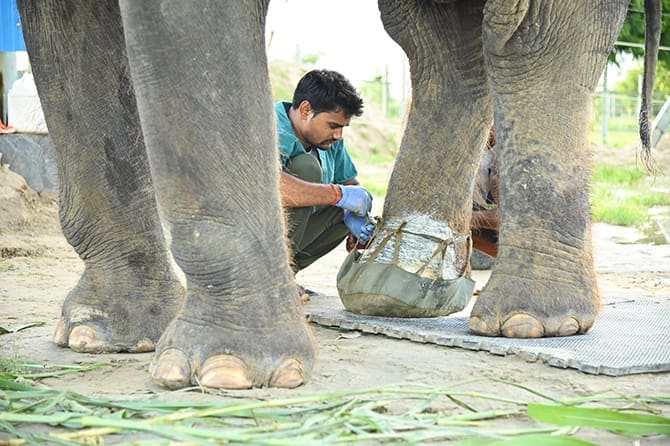
A Hospital Built Around Elephant-Sized Needs
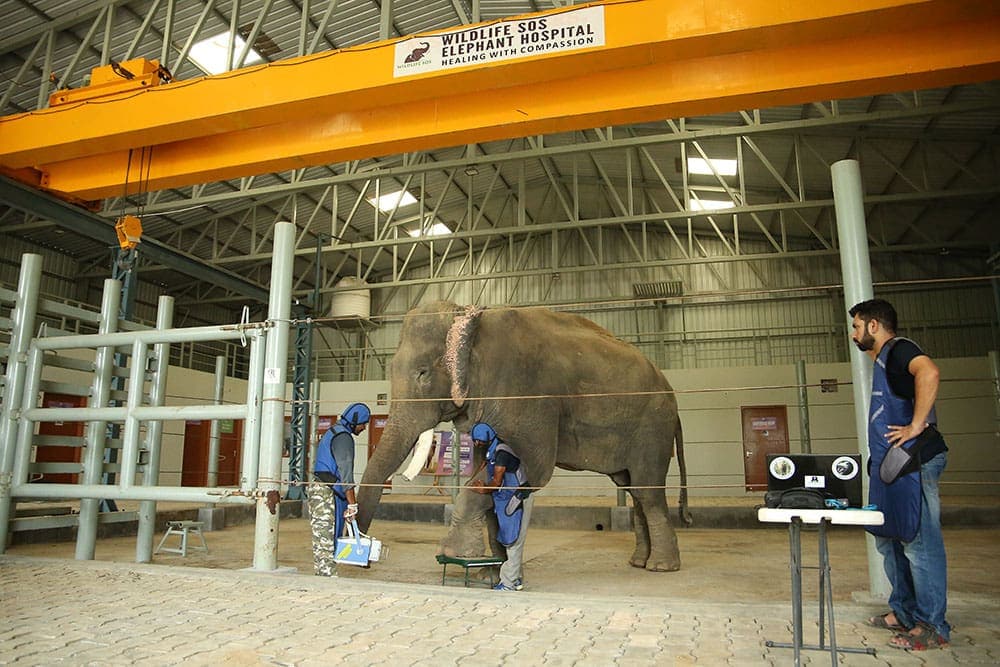
Treating an elephant is vastly different from treating a conventional domestic animal, and the hospital has been designed accordingly. Its facilities include wireless digital radiology, an in-house pathology laboratory, laser therapy, a medical hoist and a digital weighing scale. There is also a protected-contact restraining device, quarantine enclosures and a treatment pen. These facilities allow veterinarians to conduct diagnostic tests, manage injuries and illnesses and safely care for elephants who may have limited mobility or require extended medical supervision.
When Years Of Captivity Leave A Mark
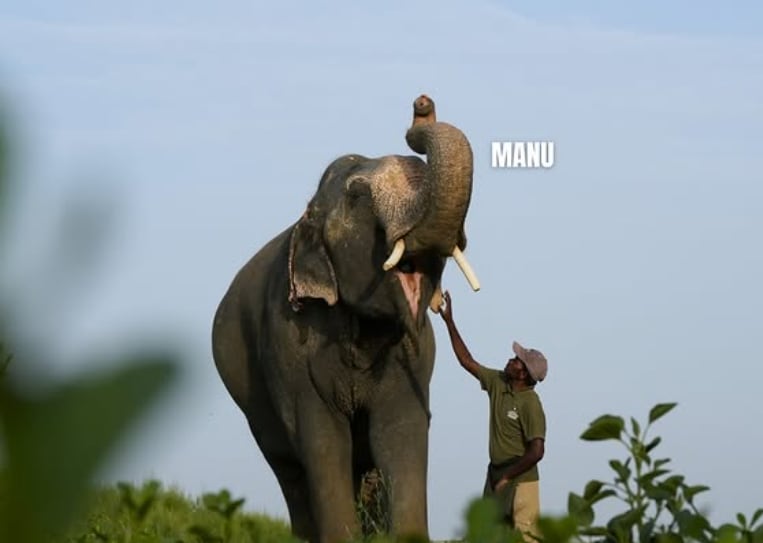
Many elephants arriving at the facility carry the physical and psychological consequences of prolonged captivity. Chronic joint problems, untreated wounds, damaged feet, malnutrition and mobility issues are among the challenges encountered by rescued animals. Years of forced labour or confinement can also leave elephants fearful and socially withdrawn. Their rehabilitation therefore goes beyond treating an injury or disease. A dedicated team of veterinarians and trained caregivers works around the clock, gradually creating an environment where the elephants can feel safe and regain a sense of trust.
More Than Just Emergency Care
The hospital is also designed to advance the understanding of elephant medicine and behaviour. Veterinary teams have access to equipment including portable X-ray and ultrasound machines, foot-care tools and other critical medical supplies. There is even accommodation for staff who need to remain overnight to monitor elephants requiring close observation. An interpretation centre and observation window allow veterinarians, biologists and elephant caregivers from around the world to learn about the treatment and rehabilitation of captive elephants, turning the facility into a hub for knowledge-sharing as well as medical care.
A Campus Where Elephants Can Simply Be Elephants
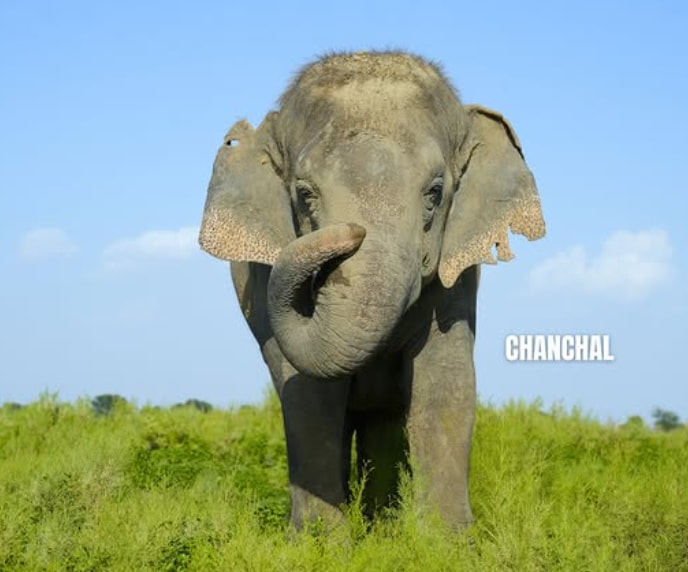
The hospital forms part of the larger Elephant Conservation and Care Centre (ECCC), established by Wildlife SOS in 2010 in collaboration with the Uttar Pradesh Forest Department. Described by the organisation as India’s first and only specialised elephant centre, ECCC was created to rehabilitate elephants rescued from severe abuse and exploitation. Today, more than 30 rescued elephants live at the centre. Many were previously used for begging, while others spent years as temple elephants or were forced to perform in circuses. At ECCC, they no longer have to carry heavy loads or walk for hours on scorching roads.
From Concrete Pavements To Open Fields
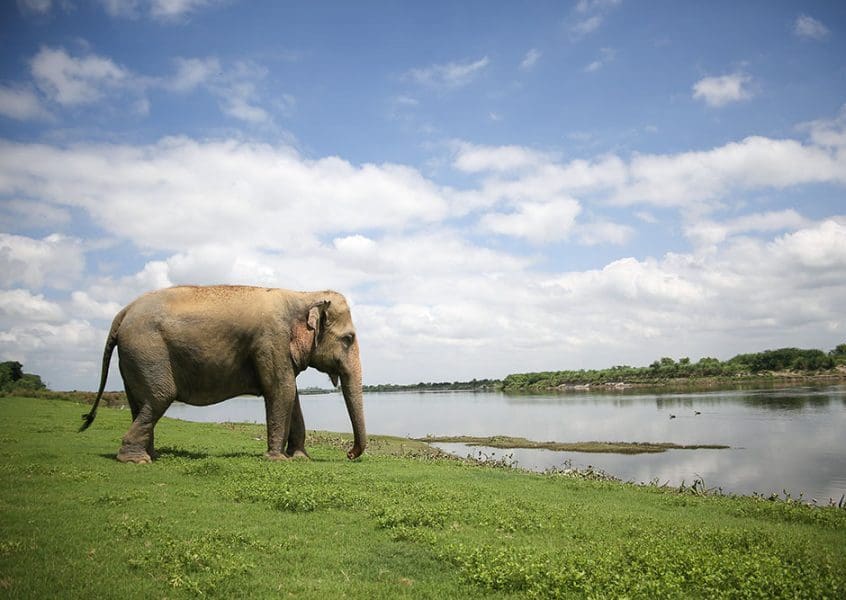
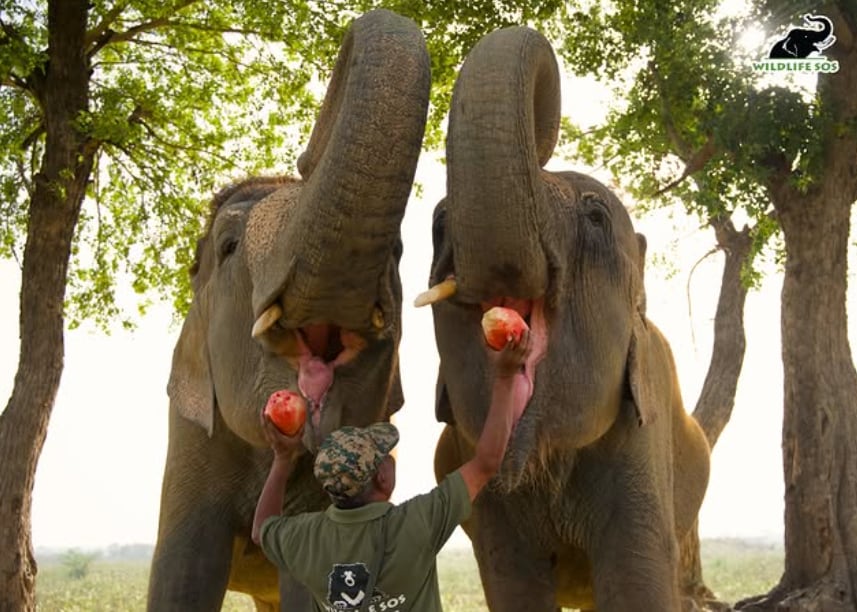
The rehabilitation campus has been designed to give the elephants room to move and behave more naturally. The centre has open fields, trees for the elephants to scratch against, water pools for bathing and playing, and abundant vegetation. The ECCC and Elephant Hospital Campus are bordered by the Yamuna and surrounded by forested land. A lush green route leads the elephants towards the river, where they can spend time in the water. Regular baths, nutritious food, veterinary care and the freedom to walk without being forced to work form part of their new routine.
Remembering The Elephants Who Didn’t Make It
The campus also carries a reminder of the elephants who could not survive their years of suffering. In 2019, Wildlife SOS established India’s first Elephant Memorial to honour elephants who lost their lives after enduring brutality and exploitation. The memorial remembers elephants including Luna, Lakhi, Gajraj, Bella, Mohan, Sita and Champa, while also celebrating the resilience of those who survived.
On World Elephant Day, the hospital and rehabilitation centre serve as a reminder that conservation is not only about protecting elephants in forests; it is also about giving rescued animals the medical care, space, dignity and freedom they were denied for years.