









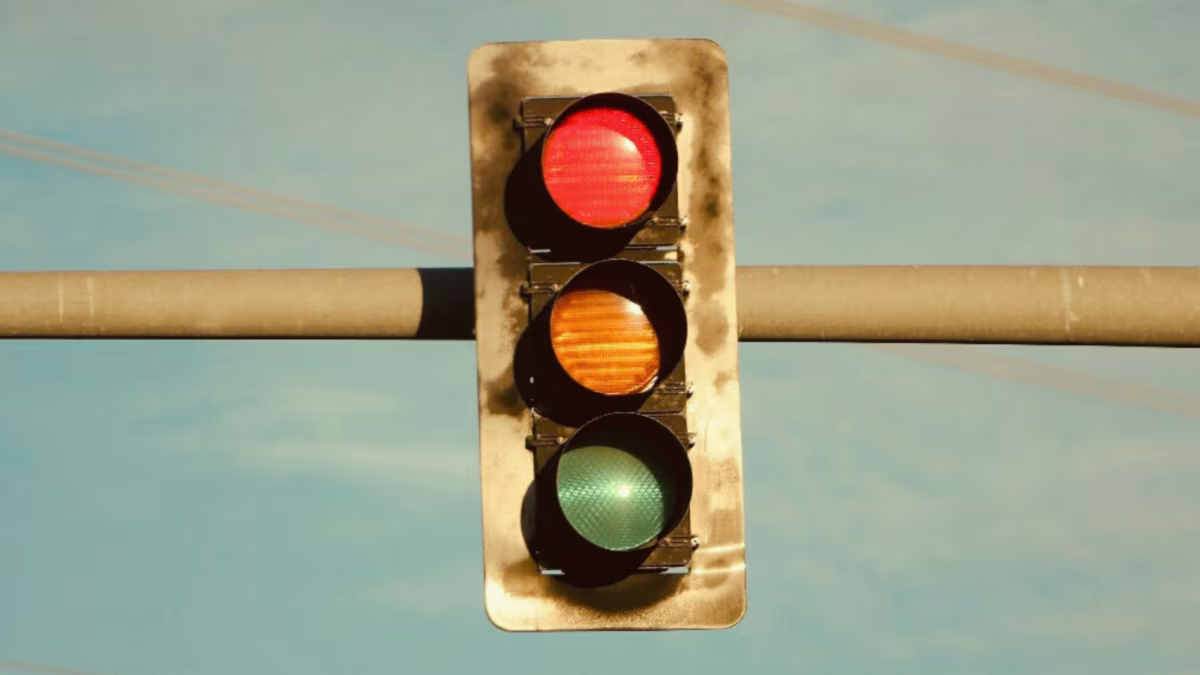
Red, yellow and green are so familiar on roads that most people never stop to ask why these three colours were chosen. Yet their story goes back more than a century, when busy streets were filled with cars, trains, bicycles, horse carts and pedestrians. Finding a simple way to control this growing chaos became a serious safety need. (Representative Image/Pexels)
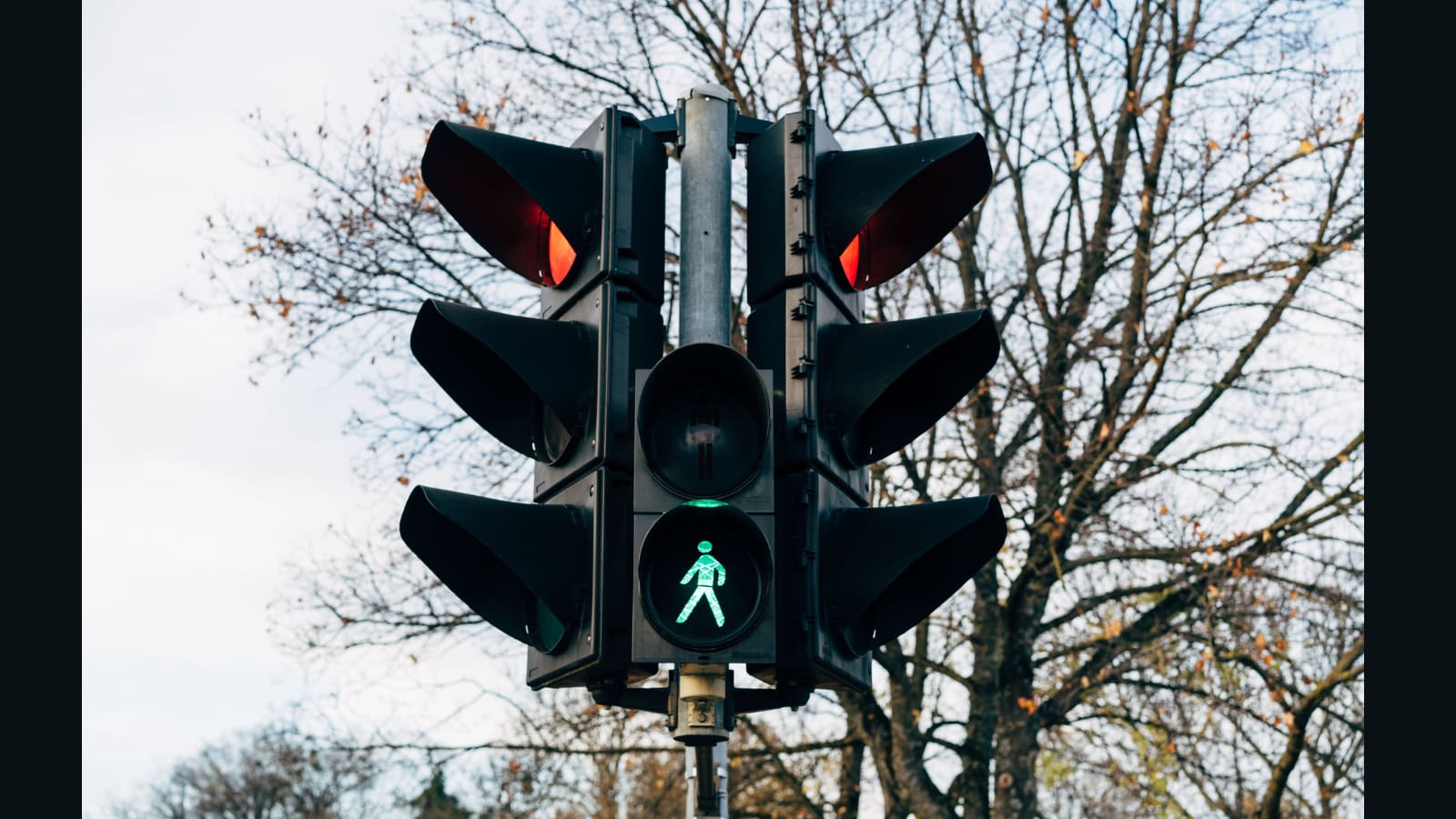
The first traffic light appeared in London in 1868 and was inspired by railway signals. It used a gas-lit system with only two positions: stop and go. As cities grew busier in the early 20th century, police officers often had to control traffic at busy crossings, but this system could not prevent every accident. (Representative Image/Pexels)
Traffic accidents became a major problem as more vehicles filled American roads. In 1924 alone, the United States reportedly recorded 23,600 deaths and 700,000 injuries from traffic accidents. Electric traffic lights began appearing in cities, including Cleveland, Ohio, but the early versions still used only red and green. (Representative Image/Pexels)
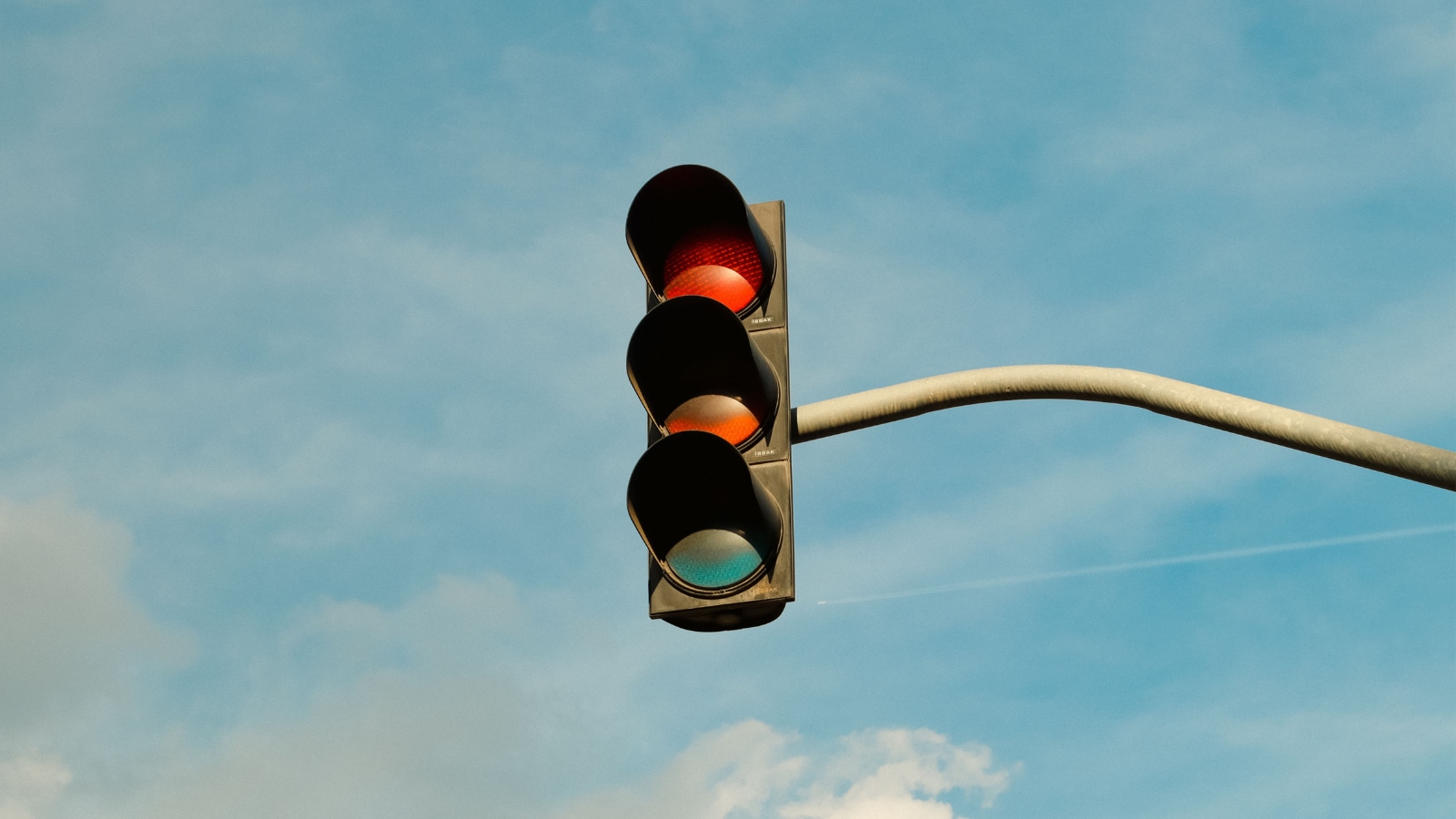
A major change came in 1920, when police officer William Potts developed the first four-way, three-colour traffic signal in Detroit, Michigan. Adding yellow created a warning stage between stop and go. Over time, traffic lights became more common, and the red-yellow-green system was adopted widely to reduce confusion. (Representative Image/Pexels)
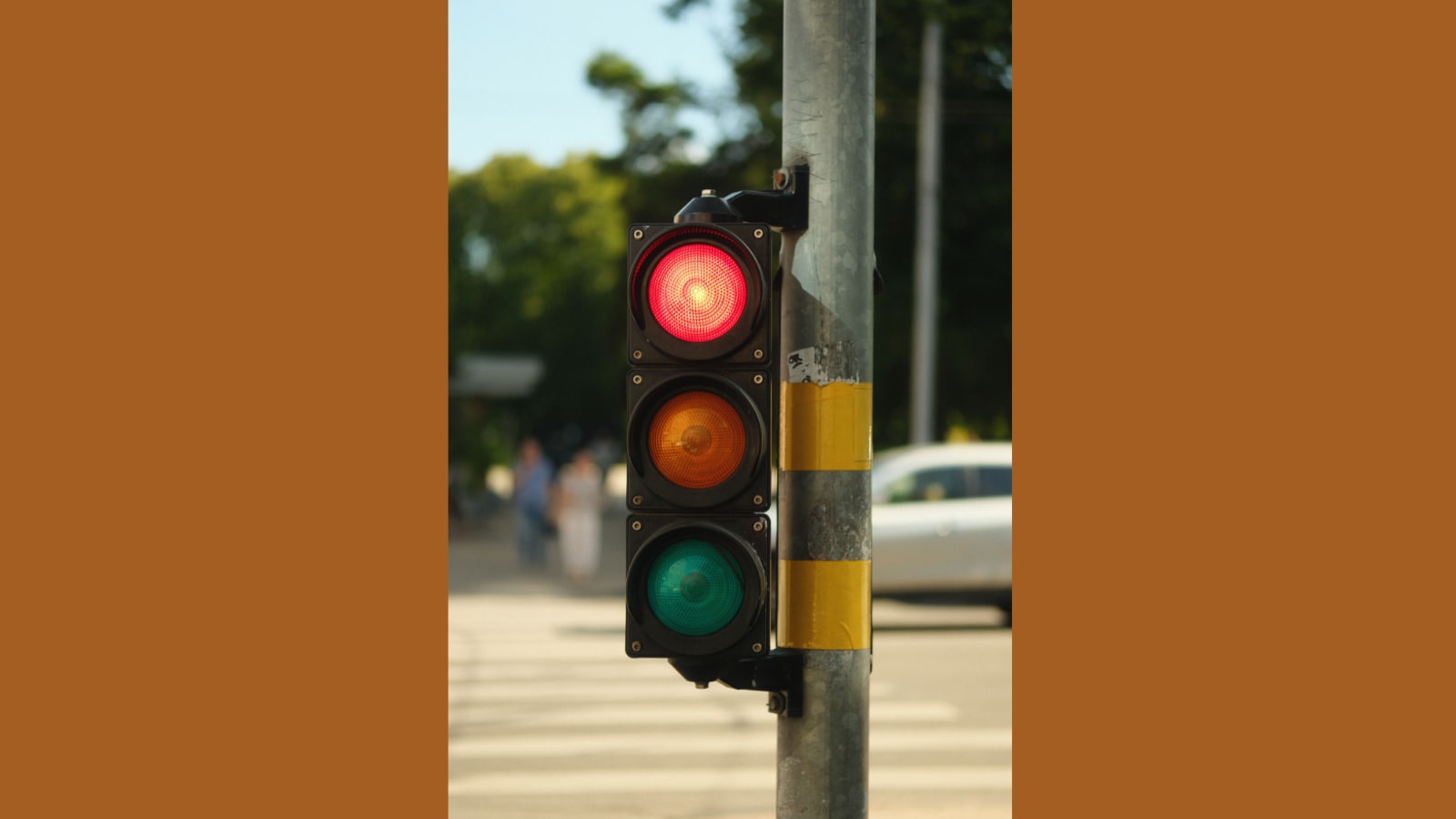
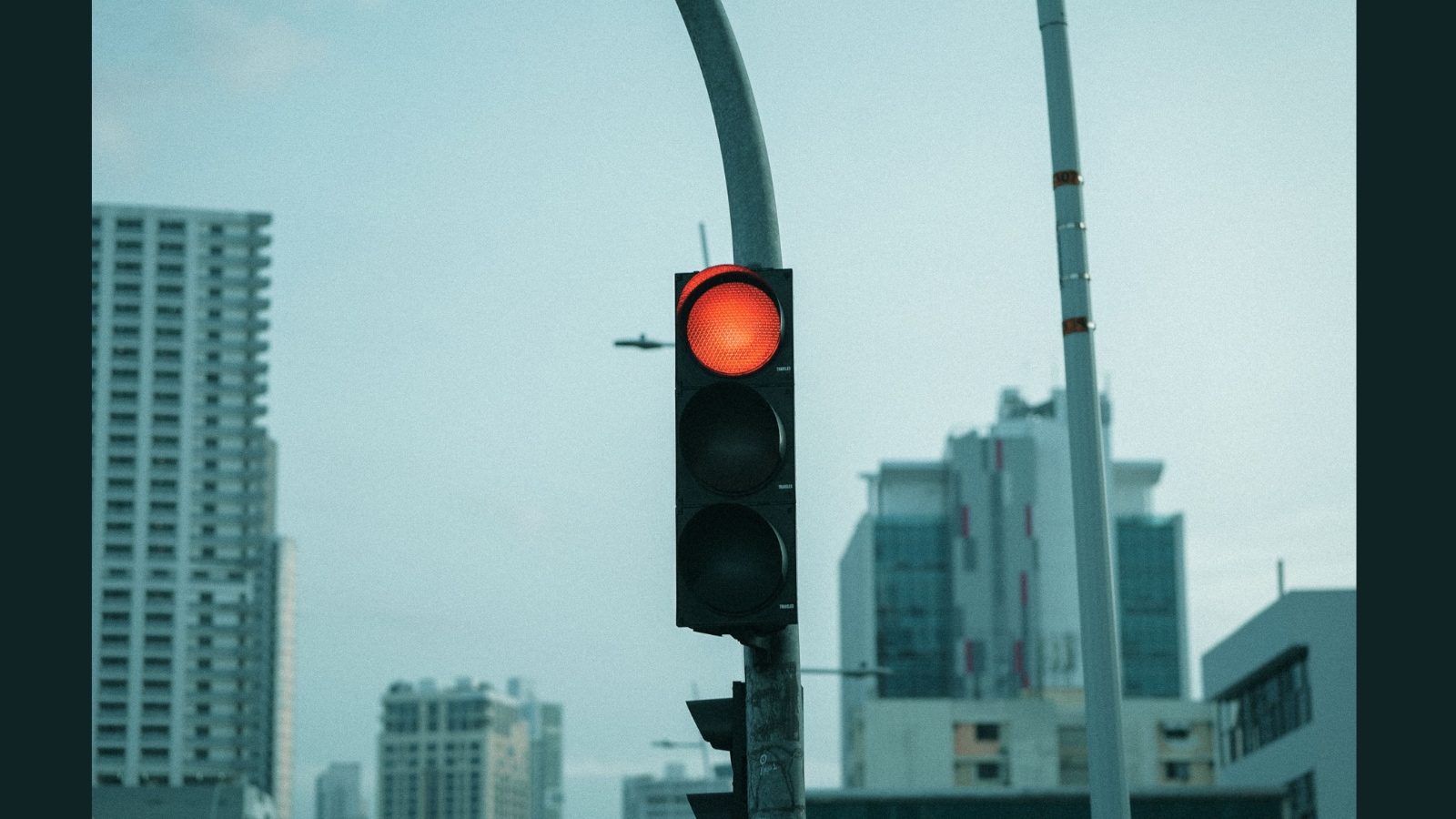
Red was chosen as the stop signal long before modern traffic lights appeared. Railway systems had already used red because it could be seen from a greater distance, even in fog and poor light. Its position in the visible light spectrum allows it to travel through atmospheric haze better than many other colours. (Representative Image/Pexels)
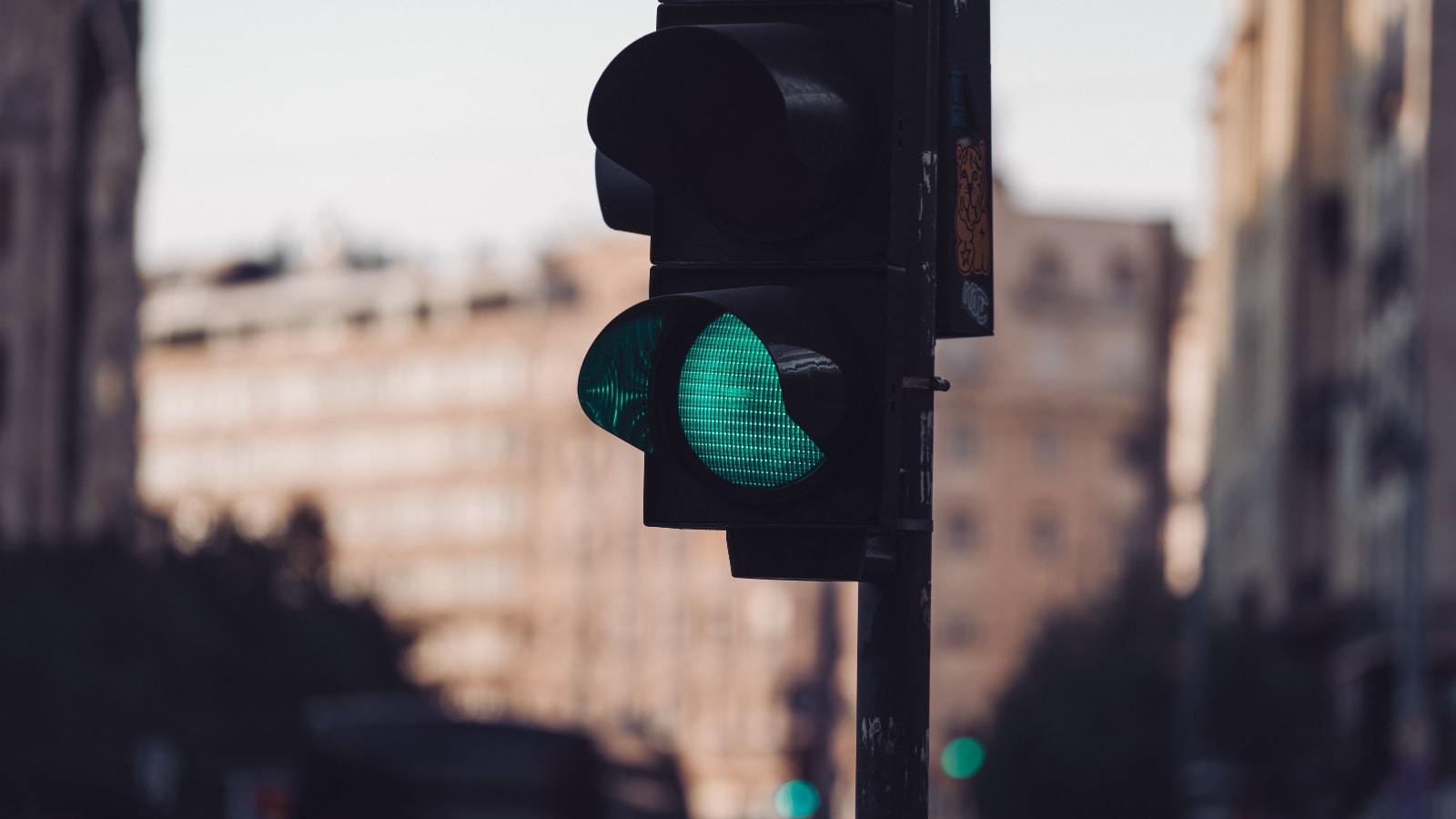
Green may seem like an obvious choice for “go”, but it was not always used that way. Some early traffic systems used white, which caused problems because drivers could confuse it with stars or street lights. Green became a safer option, while its association with calmness also made it suitable for signalling movement. (Representative Image/Pexels)
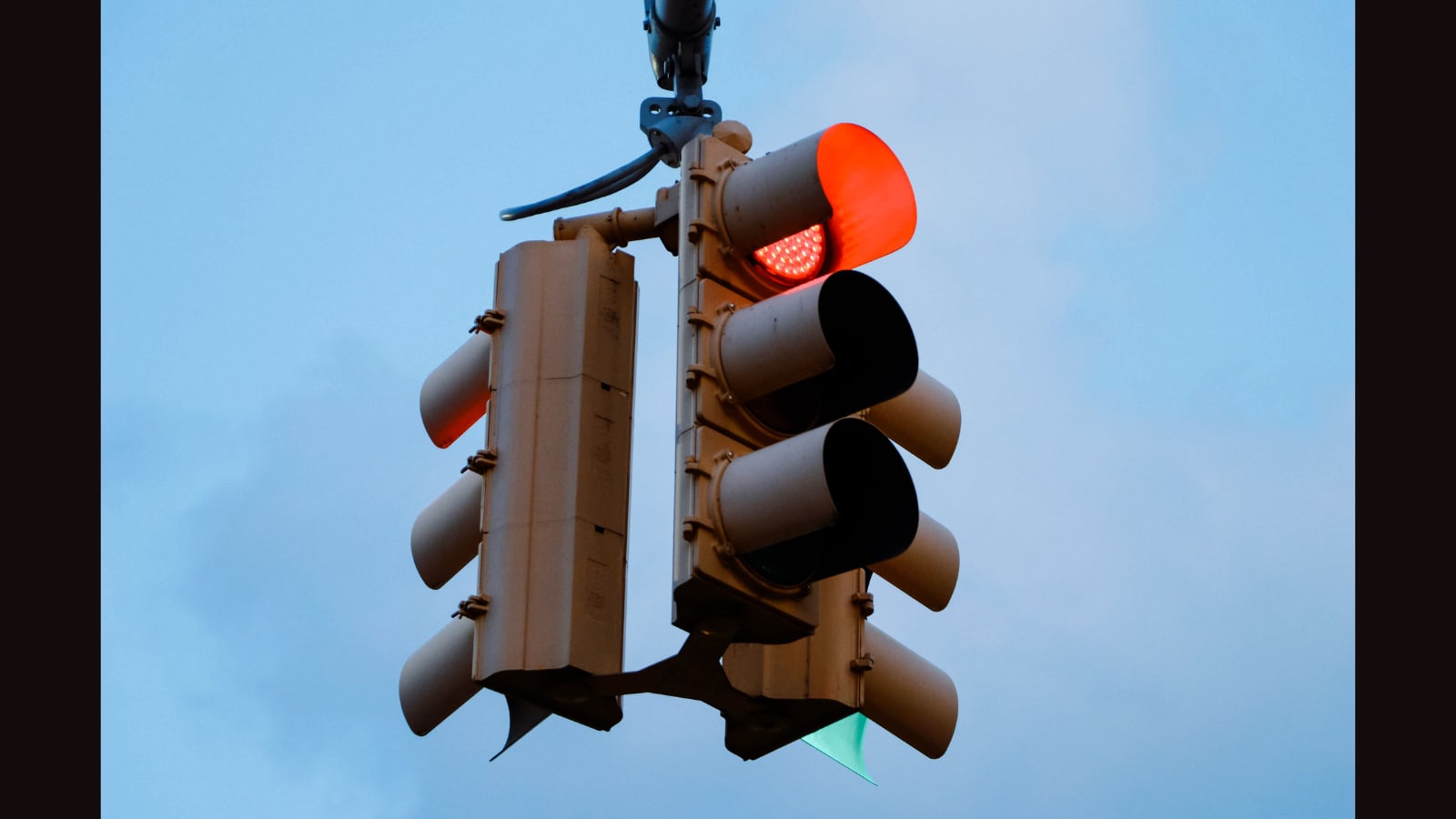
There was another useful reason for choosing green. Human eyes are especially sensitive to green light, making it easier to notice in different conditions. Once green replaced white as the signal for movement, drivers had a clearer system to follow. This helped avoid the confusion caused by the earlier signals. (Representative Image/Pexels)
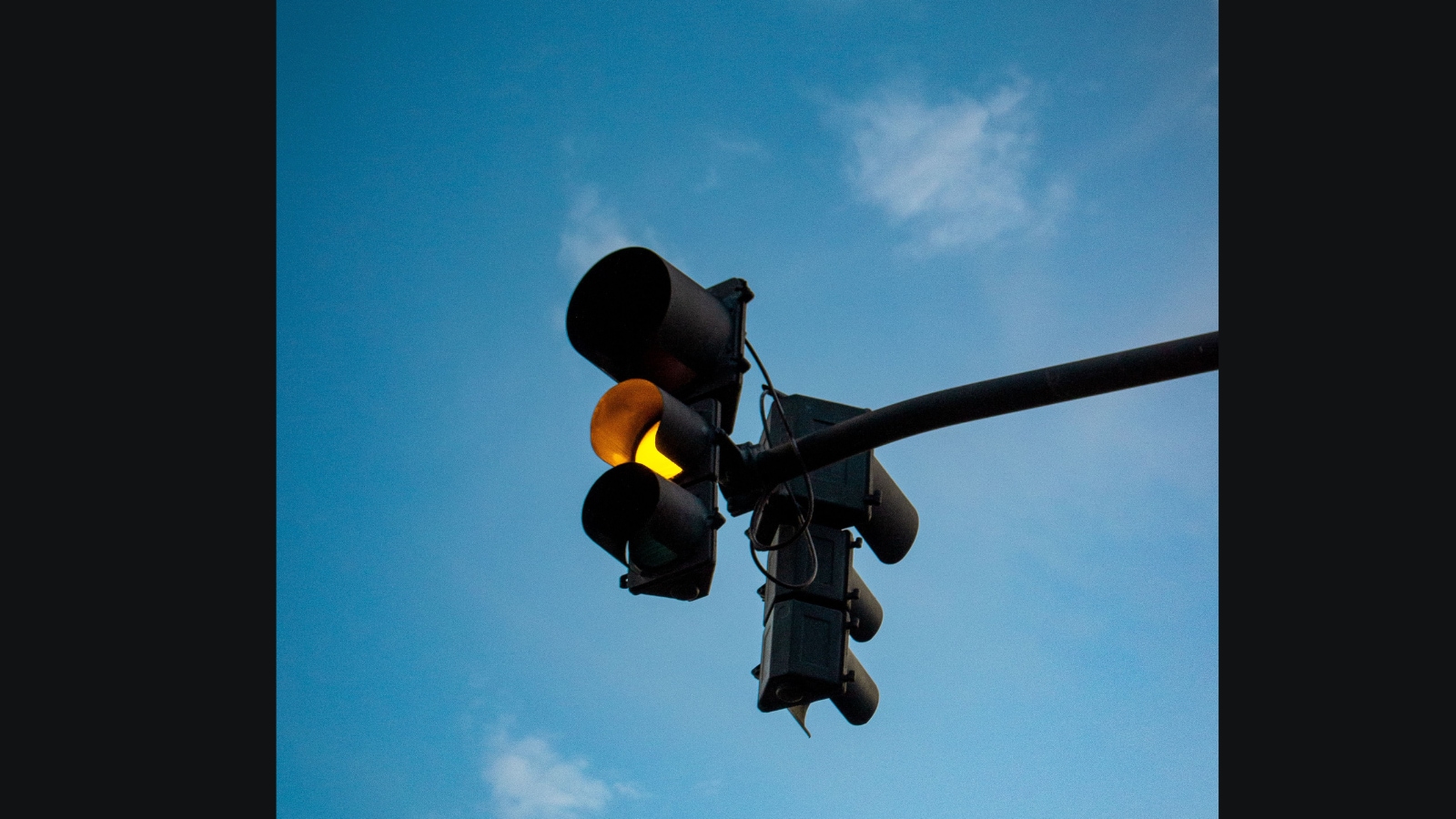
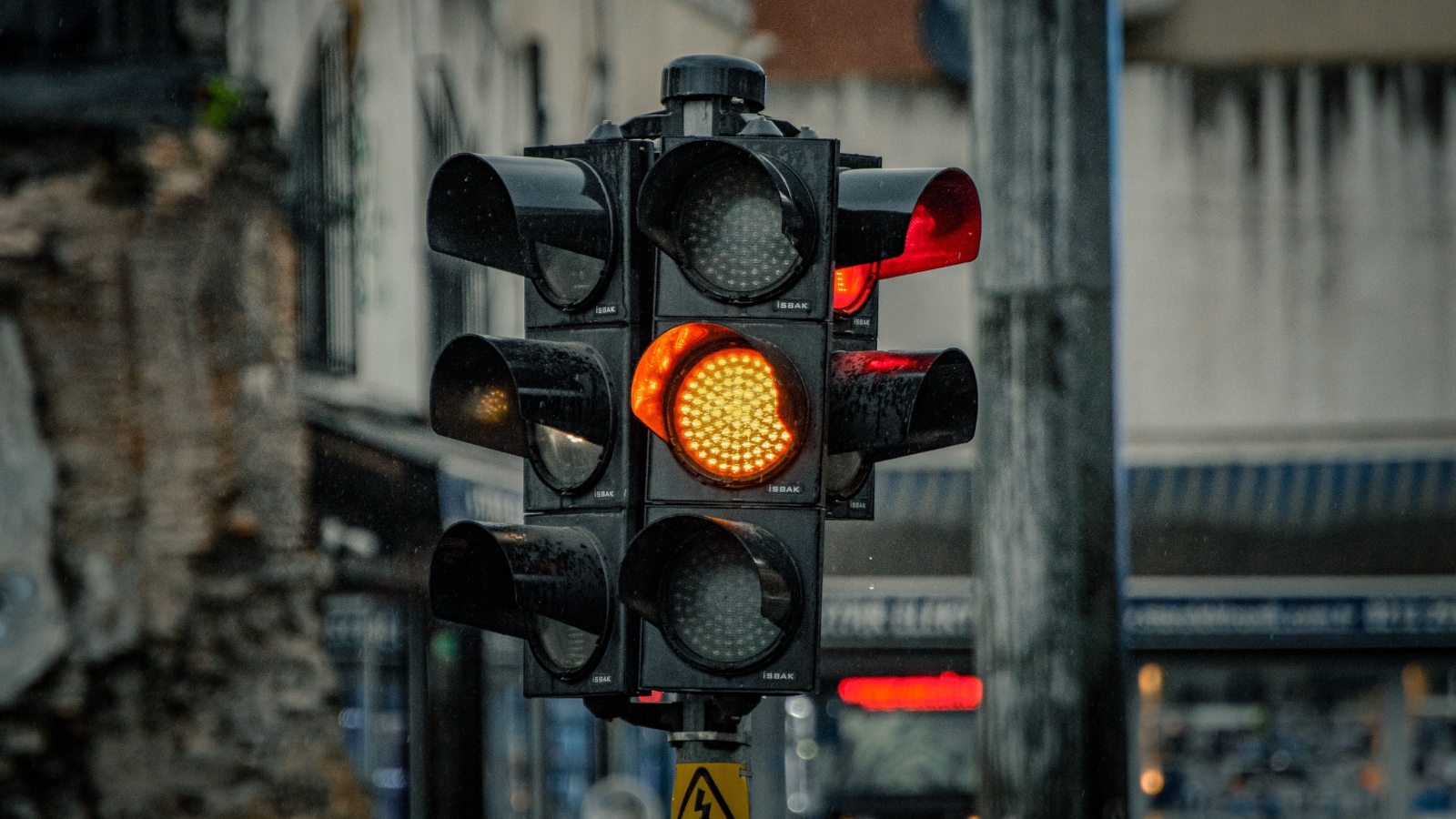
Yellow was added because red and green alone did not give drivers enough warning. A sudden change from go to stop could leave little time to react. Yellow created a middle stage, telling drivers to slow down and prepare for the light to change rather than stopping without warning. (Representative Image/Pexels)
Yellow is also highly visible in both daylight and darker conditions, making it useful as a warning colour. Its place between red and green helped create a clear sequence that drivers could understand quickly. The system was simple enough to follow while giving people more time to react safely. (Representative Image/Pexels)
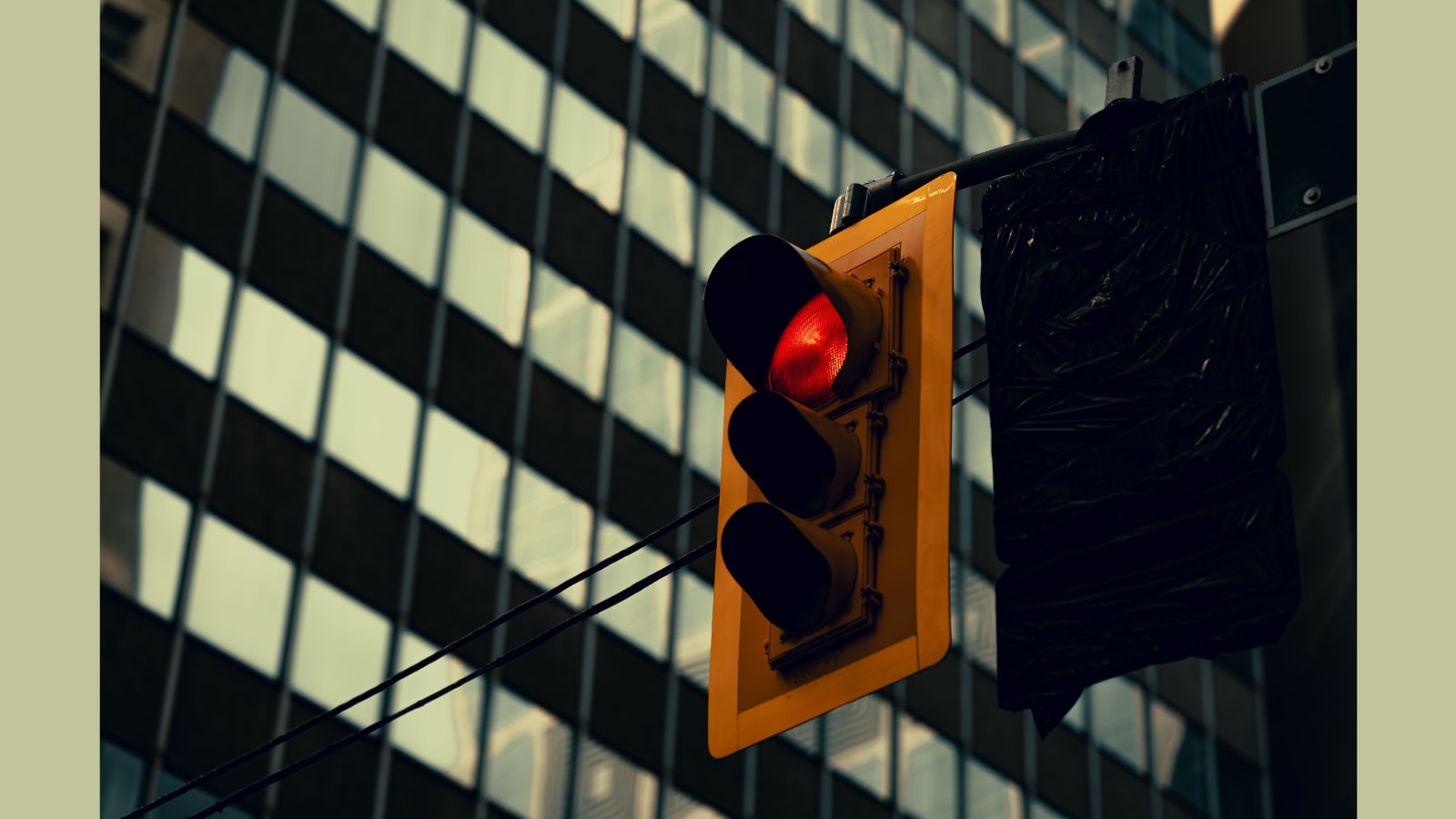
What looks like a basic set of three colours is actually the result of years of changes in transport, safety and signal design. Red tells drivers to stop, yellow warns them to slow down and green signals movement. Together, these colours created a simple system now recognised by people on roads around the world. (Representative Image/Pexels)