







4 min readNew DelhiAug 14, 2026 10:59 AM IST
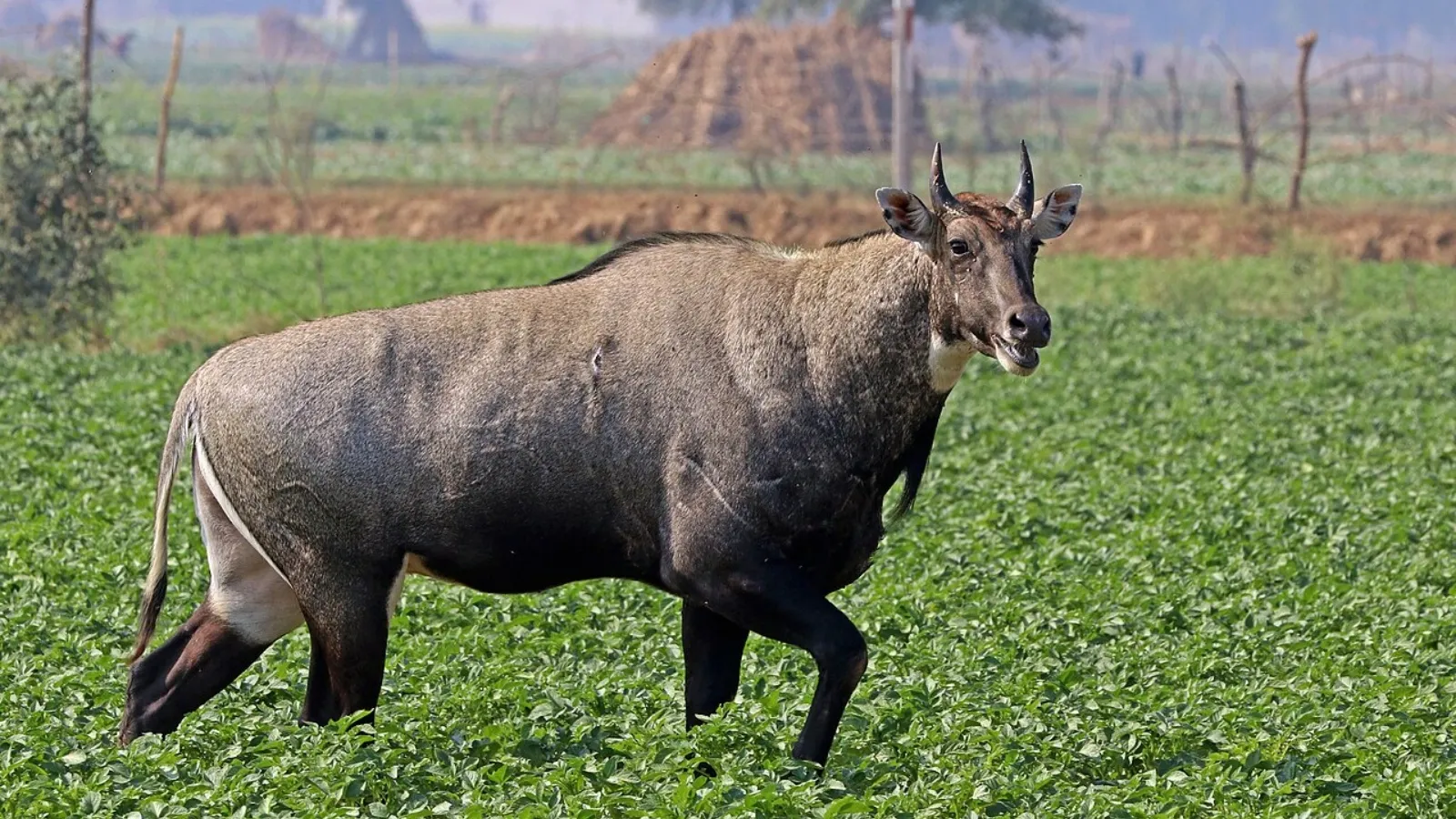
The nilgai, India’s largest antelope, is a familiar sight across parts of the Indian subcontinent. But thousands of kilometres away, the same animal has become an ecological concern. A recent Business Today report details how nilgai introduced to Texas nearly a century ago eventually established feral populations, finding suitable habitat and few natural checks to limit their spread. The report notes that their wide-ranging movements and ability to host ticks associated with pathogens affecting cattle have also created challenges for livestock producers.
Wildlife photographer and environmentalist Indrajit Ghorpade says the Texas example needs to be understood in the larger context of invasive species and the disruption caused when animals are moved beyond their natural range.

What makes a species invasive?
“Invasive species are non-native life forms and organisms,” Ghorpade explains. They can spread rapidly and cause harm to the environment, economy or human health, while also creating conflicts.
One reason introduced species can become problematic is the absence of the ecological checks they encounter in their native habitats. “Lacking natural predators and forced into the environment, they multiply quickly, become competition in sharing essential resources for endemic life,” he says.
Such introductions can happen for several reasons, including global trade, pet releases, pest control, agriculture or recreation. Ghorpade points to examples ranging from Burmese pythons in Florida to rabbits in Australia and pheasants in Europe.
Why did the nilgai become a problem in Texas?
According to Business Today, nilgai were introduced to Texas as a potential ranch animal and for their meat. Once some animals escaped or were released, the warm climate, extensive grasslands and large ranches provided favourable conditions for them to establish themselves. Their ability to travel across very large areas further complicated efforts to contain them.
Ghorpade says the nilgai is one example of a broader problem associated with deliberately introducing exotic wildlife.
Story continues below this ad
“Coming to the Nilgai, they were introduced to Texas etc. for breeding to diversify game hunting with ‘exotic’ species from all over the world,” he says, adding that axis deer are another example.
The ecological consequences can become more pronounced when natural predators are absent. “Both in India and abroad, lack of predators and booming populations make them a problem for farmers and other humans alike,” Ghorpade says.
Is the nilgai an invasive species in India?
Not in the same sense. The nilgai is native to India and is therefore not considered an invasive species simply because its population may create conflicts.
However, Ghorpade points out that even native wildlife can become a serious source of human-wildlife conflict when its habitat and ecological conditions change.
Story continues below this ad
“Endemic species are ‘not’ invasive,” he says. “But in the case of the Nilgai they have become pests in parts of India.”
Habitat loss and the expansion of agriculture can push nilgai into farmland, where crop damage can lead to conflict. At the same time, declining predator populations can remove an important natural check on herbivore numbers.
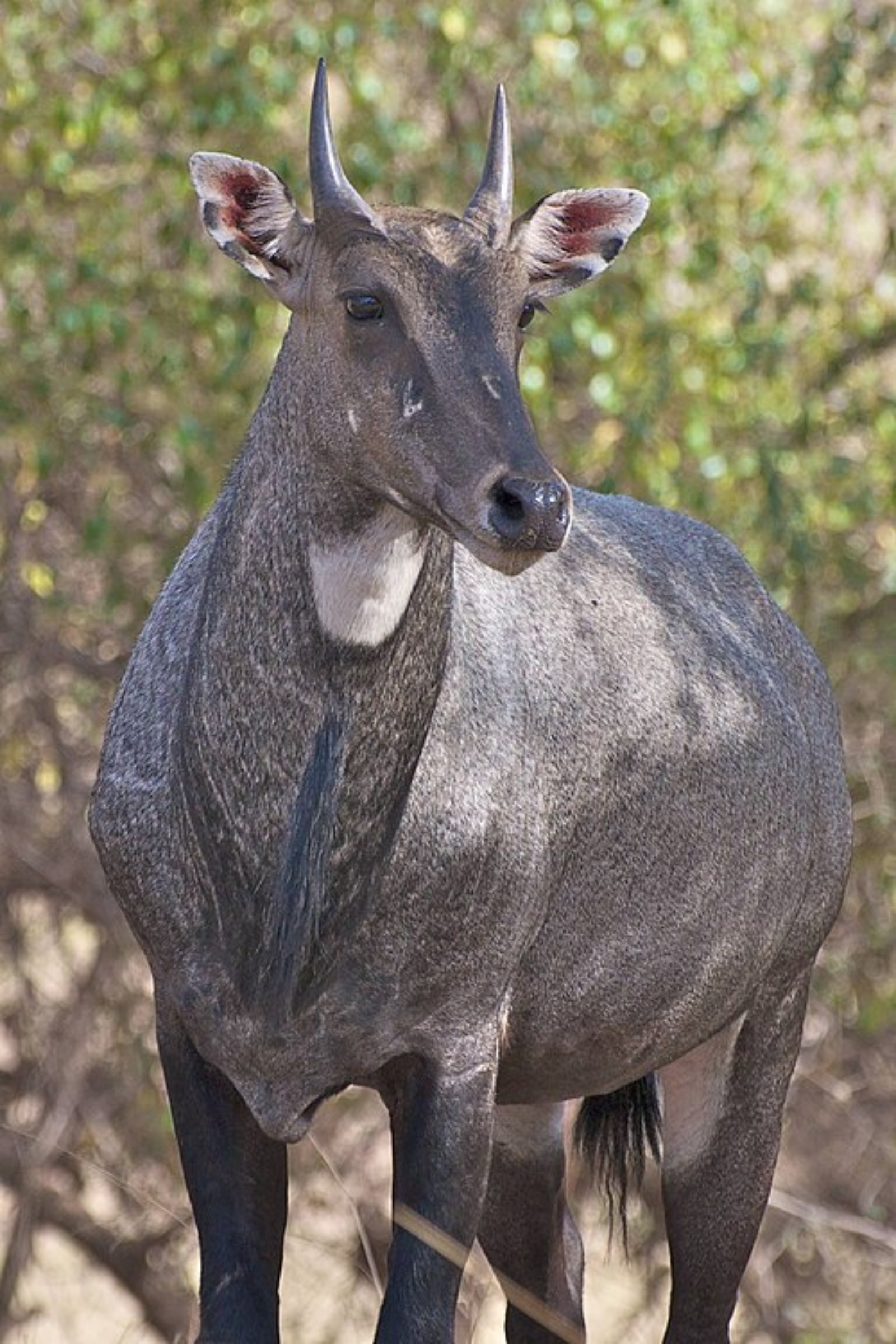 A Nilgai (Photo: Wikipedia)
The disease connection
The Texas situation also raises concerns beyond crop and habitat conflicts. Business Today reports that nilgai can host ticks associated with pathogens affecting cattle, while their ability to move across enormous areas can make disease management more difficult for livestock producers.
Ghorpade stresses that disease transmission can work in both directions between wildlife and livestock. “Not only is disease transferred from wildlife to livestock, but the reverse is also true with feral species infecting wildlife,” he says.
Story continues below this ad
He points to the Asiatic lion in Gir as an example of how disease outbreaks can pose serious conservation risks to geographically concentrated wildlife populations.
For Ghorpade, the nilgai’s journey from India to Texas is ultimately a lesson about the consequences of changing natural systems.
“If the Nilgai was not introduced to Texas, we would not have inherited this problem,” he says. In India, he adds, habitat loss and an imbalance between predators and prey have contributed to human-nilgai conflict.
Explore more captivating stories about pets and animals here, and make us your daily stop for the latest from the animal kingdom.