





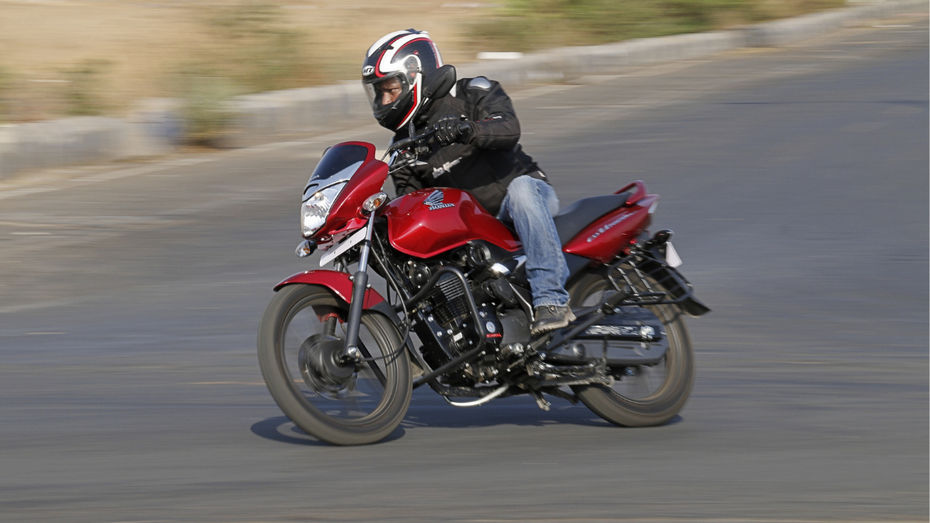
In the early 2000s the four-stroke engine movement was gaining more popularity, and several manufacturers introduced commuter bikes and scooters with modern 4-stroke engines to keep up with the modern emission norms. Honda had already established itself as a popular scooter manufacturer, but in order to keep up with the industry moving forward, it could not bank on its scooter business alone. Hence, in 2004, the brand launched its first bike in India, the Honda Unicorn.
There have been several advances in technologies in the years that followed, and Honda took great pains to incorporate them while also keeping the familiarity factor of the Unicorn intact. From the first-gen Honda Unicorn to the latest 2026 model, here’s how that evolution shaped up:
The Beginning:
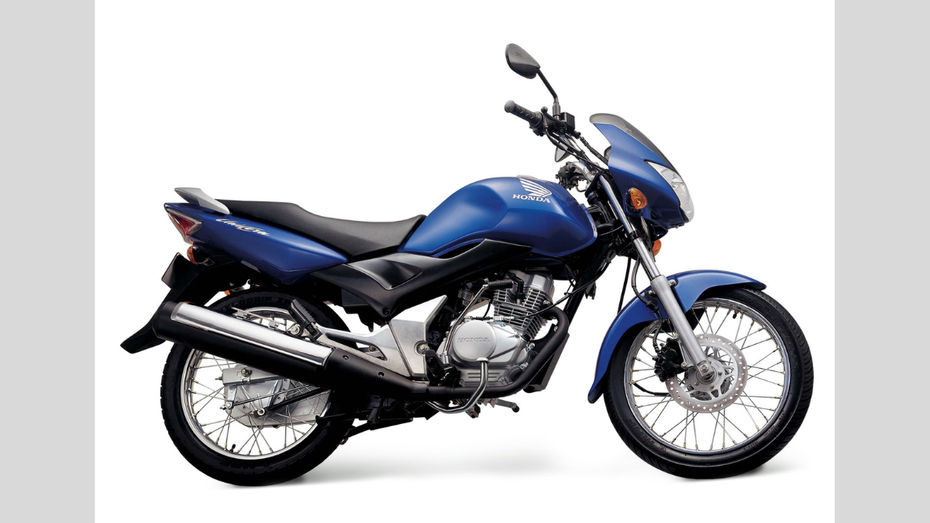
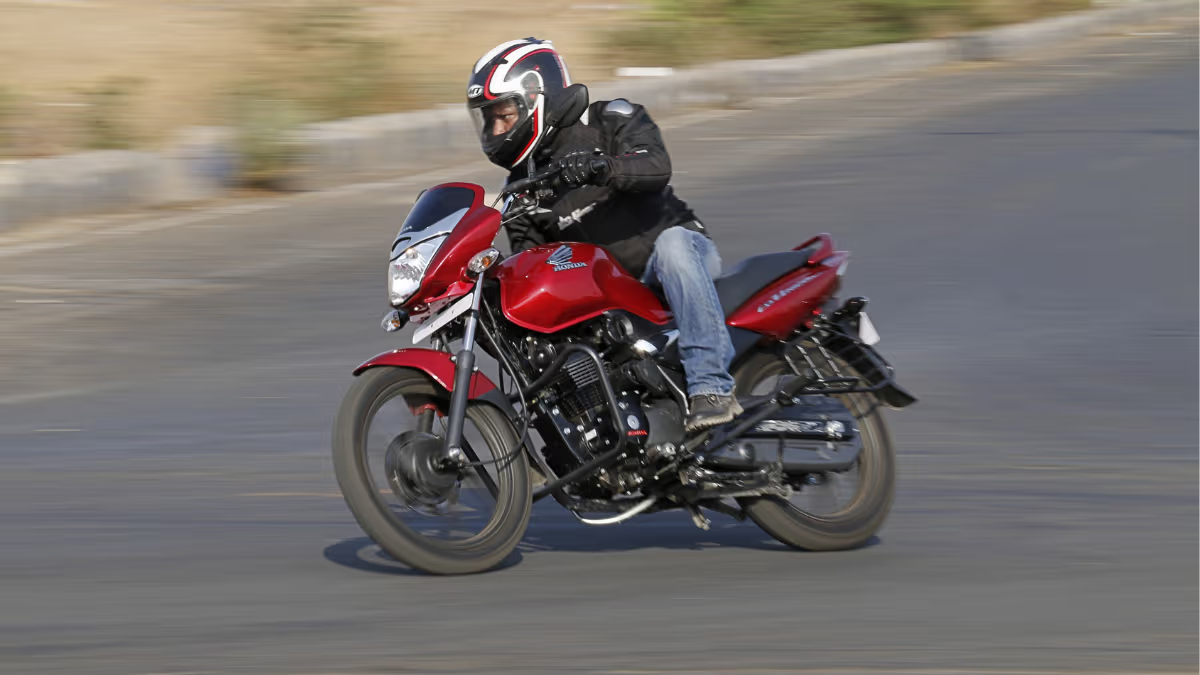
The 2004 Honda Unicorn had very premium looks at the time. Its engine, with a claimed mileage of 60kmpl, became the definition of reliability and refinement. Honda wanted to target the middle-class Indians who wanted a bike that’s built like a tank, that too at an affordable price. So, the brand delivered just that, at Rs 52,950 (ex-showroom).
It was also the first bike in India with a monoshock. The advantage of monoshock over a twin shock setup is that it helps in better weight distribution and damping, thereby ensuring a more predictive handling. Even though the first gen bike had spoke wheels, Honda had introduced ‘Tough Up Tube’ tyre technology which essentially incorporated a double walled tube with gel puncture sealant in between.
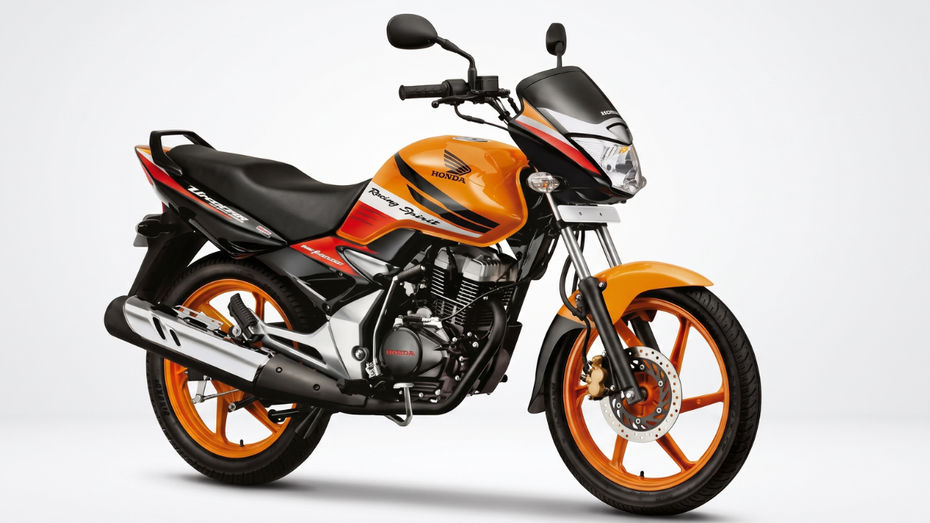
A year later, Honda improved it with the introduction of self start. Towards the end of the decade, Honda realised the growing importance of younger buyers. The Unicorn already had a universal appeal thanks to its matured but sharp design and the sporty monoshock. However, Honda realised it could do better, and hence in 2007, it launched the updated Unicorn. It looked fresher with a redesigned cowl and bodywork, and more importantly, it had alloy wheels as well. The same year, Honda even introduced the Grand Prix Edition complete with flashy race livery on the bodywork and bright orange wheels, just like the Honda MotoGP bike back in the day.
The Rise (And Fall) Of Its Siblings:
The Unicorn was raking in numbers quite consistently. Honda then wanted to bring about models that were based on the Unicorn but built to appeal to audiences who wanted something even sportier. But then again, it couldn’t be too expensive, so Honda had to carefully perform a balancing act. This resulted in the launch of the CB Unicorn Dazzler in 2010, with a slightly tuned version of the Unicorn’s engine.
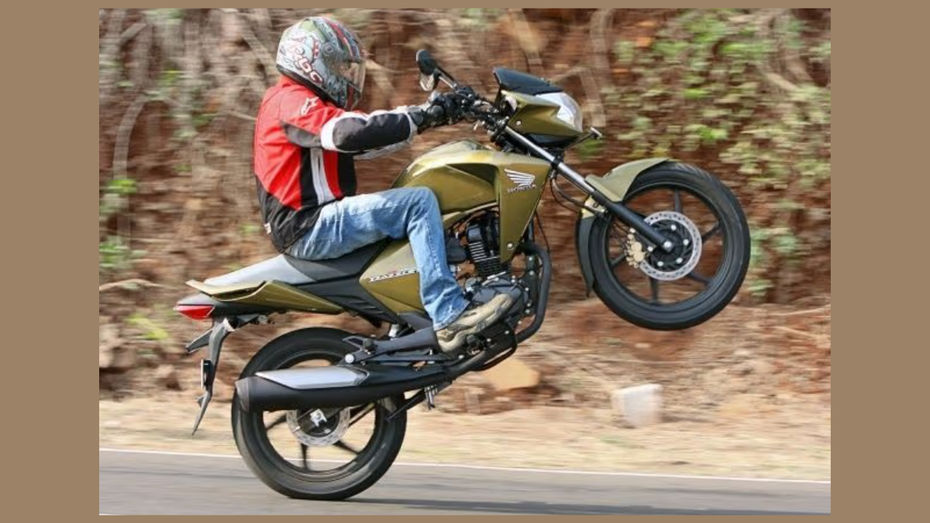
Then the CB Trigger was launched in 2013, known for its unique metallic green colour. Both Dazzler and the Trigger looked considerably different than the Unicorn, but had similar core mechanicals shared with it. However, they didn’t perform as well as Honda expected.
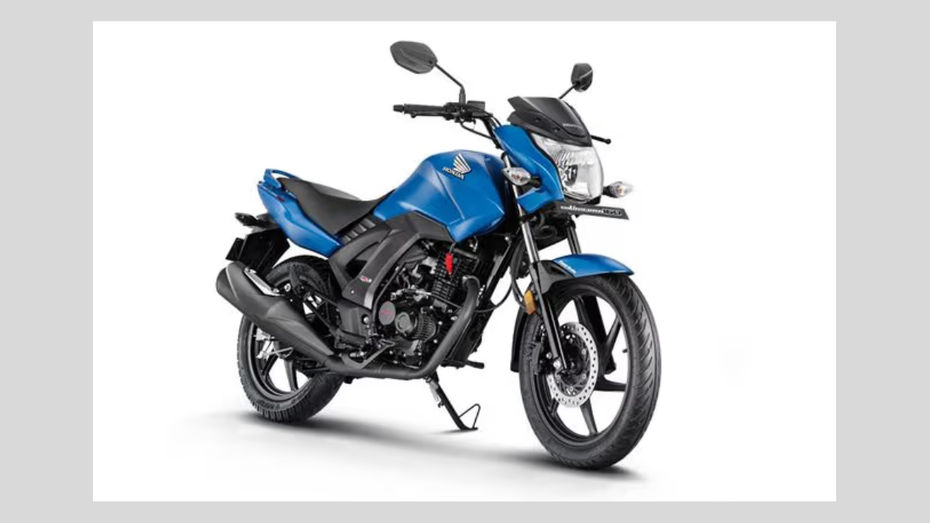
Then in 2014, the Honda CB Unicorn 160 was launched. Though it looked sharper than the Unicorn from all angles, it wasn’t all that radically different. It also had a bigger 160cc air-cooled engine.
A Learning Opportunity:
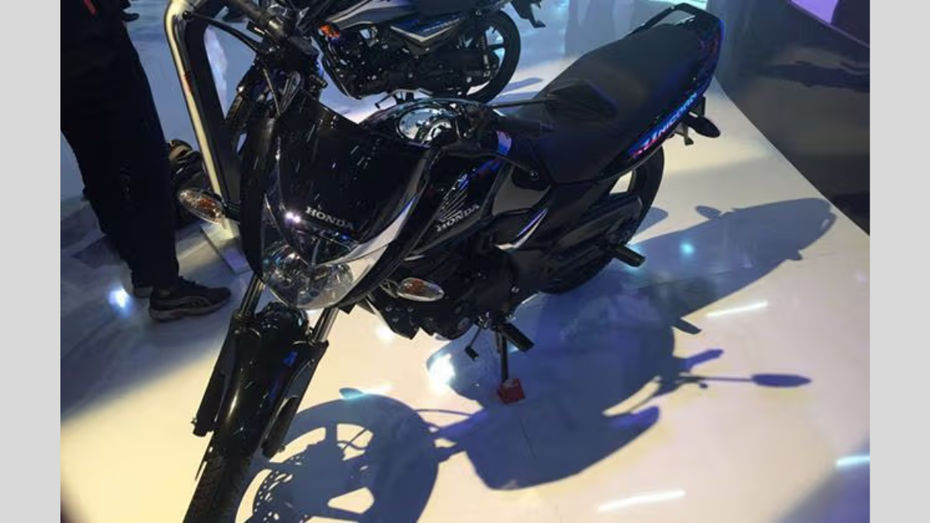
Honda felt the CB Unicorn 160 was the natural successor to the ageing Unicorn, and hence it discontinued the 150cc bike some time in 2015. But then it realised fans love the familiar looks of the older Unicorn. The CB Unicorn 160 did fairly well in terms of sales, but it simply couldn’t match the popularity of the OG Unicorn. So, the brand re-launched it at the 2016 Auto Expo. Fans were thrilled as it brought back the bike with the same design as before. This is when Honda realised the popular saying, “If it ain’t broke, don’t fix it”.
Incremental Updates:
Then with the enforcement of BS6 norms in 2020, the brand introduced the BS6 CB Unicorn in India in February that year. Interestingly, Honda gave it a bigger 162cc engine that too with a counterbalancer for even better refinement. Despite the larger motor, Honda never used the term ‘Unicorn 160’ as it knew that would dilute the Unicorn’s familiarity. It even kept the design intact, and just added a few quality-of-life bits such as an engine kill switch, low rolling resistance tyres for better mileage, among others. And oh, it also had a single-channel ABS, complying with the latest safety norms as well.
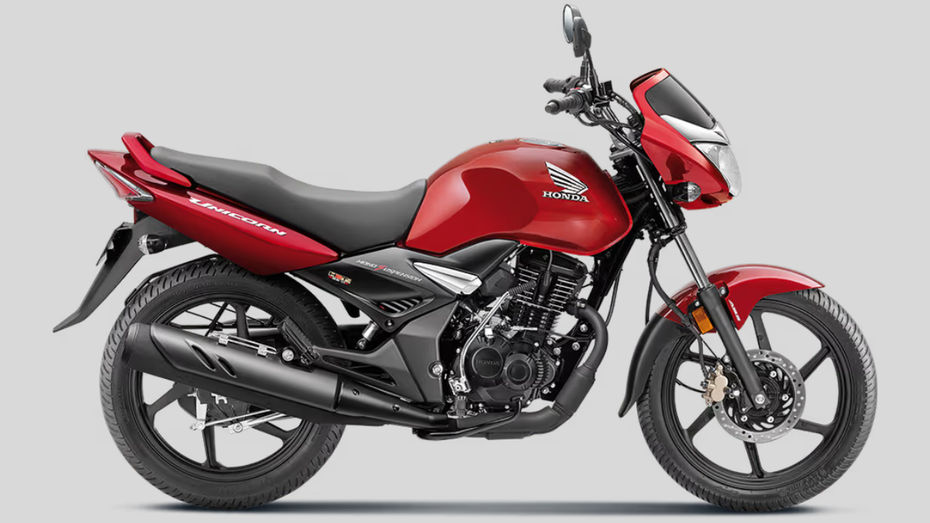
E20 was gathering pace in 2023, so in preparation to that, Honda updated the Unicorn to comply with BS6.2 emission norms as well as made it E20-ready that year. Then a slightly bigger update happened to the Honda Unicorn 2025 model. It finally got a full-LED headlight, a full-LCD console, along with new colours. Honda was careful enough to not alter the headlight’s design, so it looked more or less the same on the outside. While the digital console was modern, I still prefer the old school triple-pod analogue console as it looked really cool.
The Unicorn has come a long way since 2004, but what has remained unchanged is its defining nature: reliability, refinement and neutral design that has an air of maturity. It’s because of all these attributes, the fans love it till this day.