




Most people remember Sunil Gupta for being present during one of India’s most infamous executions. Yet his greater contribution came afterwards, when he dedicated decades to giving second chances, reforming lives inside Tihar Jail and promoting rehabilitation over mere punishment. (Image-AI)
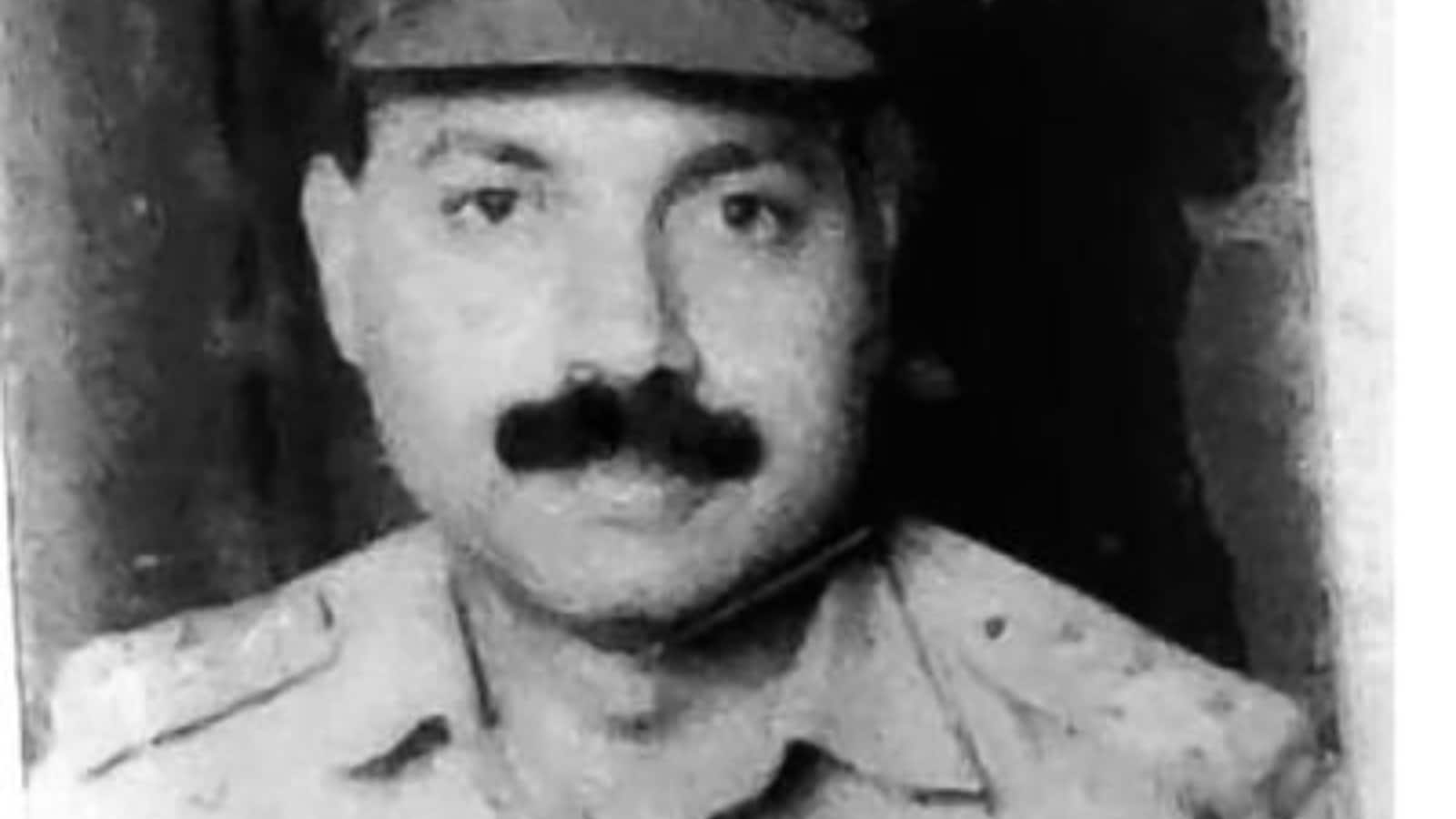
In 1981, a 24-year-old Sunil Gupta joined Tihar Jail as a young prison officer. Fresh into the system, he had no idea he would soon become a witness to a case that would capture national attention. (Image-X/@Sunilkumargupta)
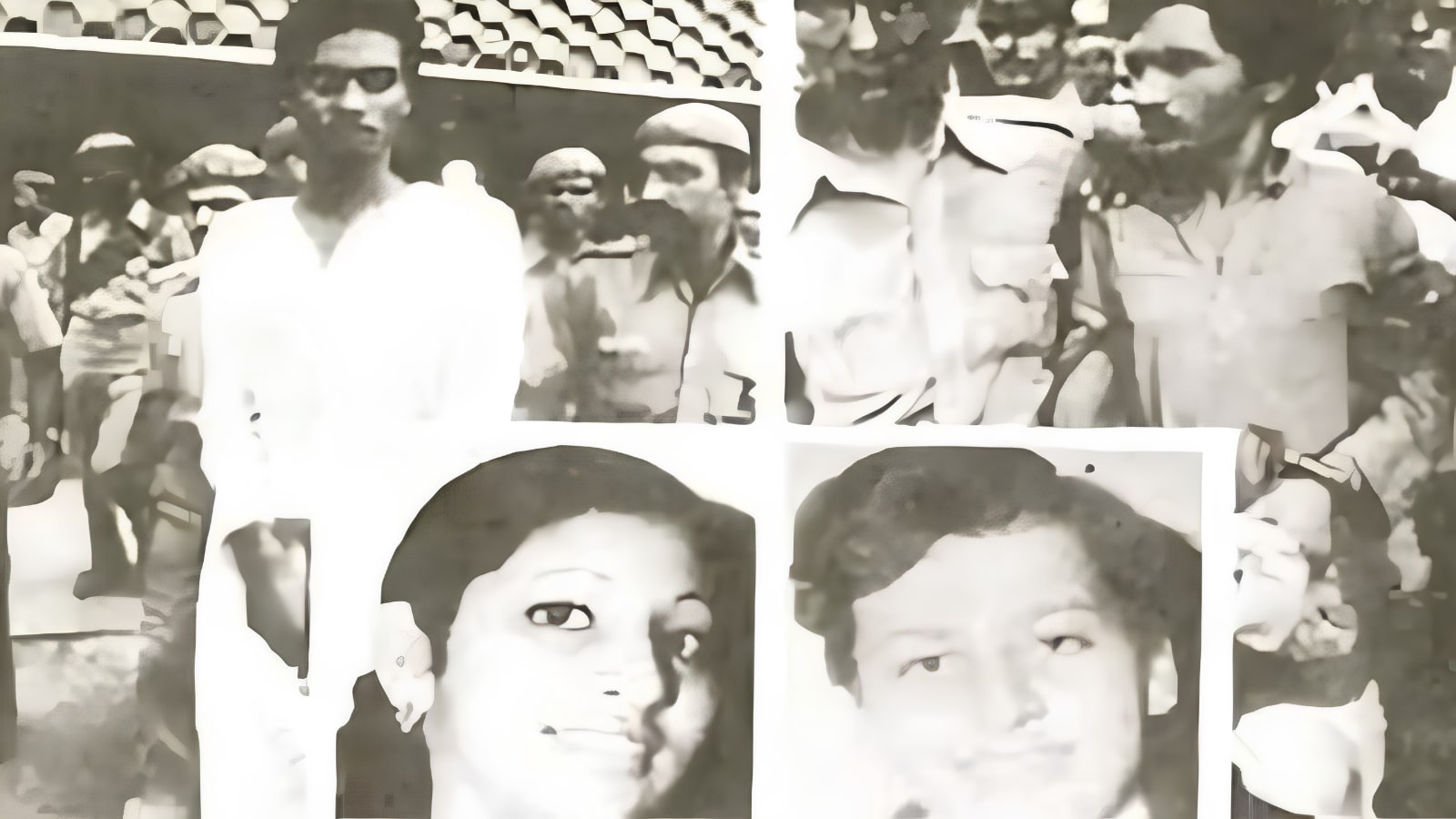
A year later, in 1982, convicted criminals Ranga and Billa were executed for a crime that had horrified the country. Gupta was among the select prison officials present during the historic and highly scrutinised execution. (Image-Instagram/@desicrime)
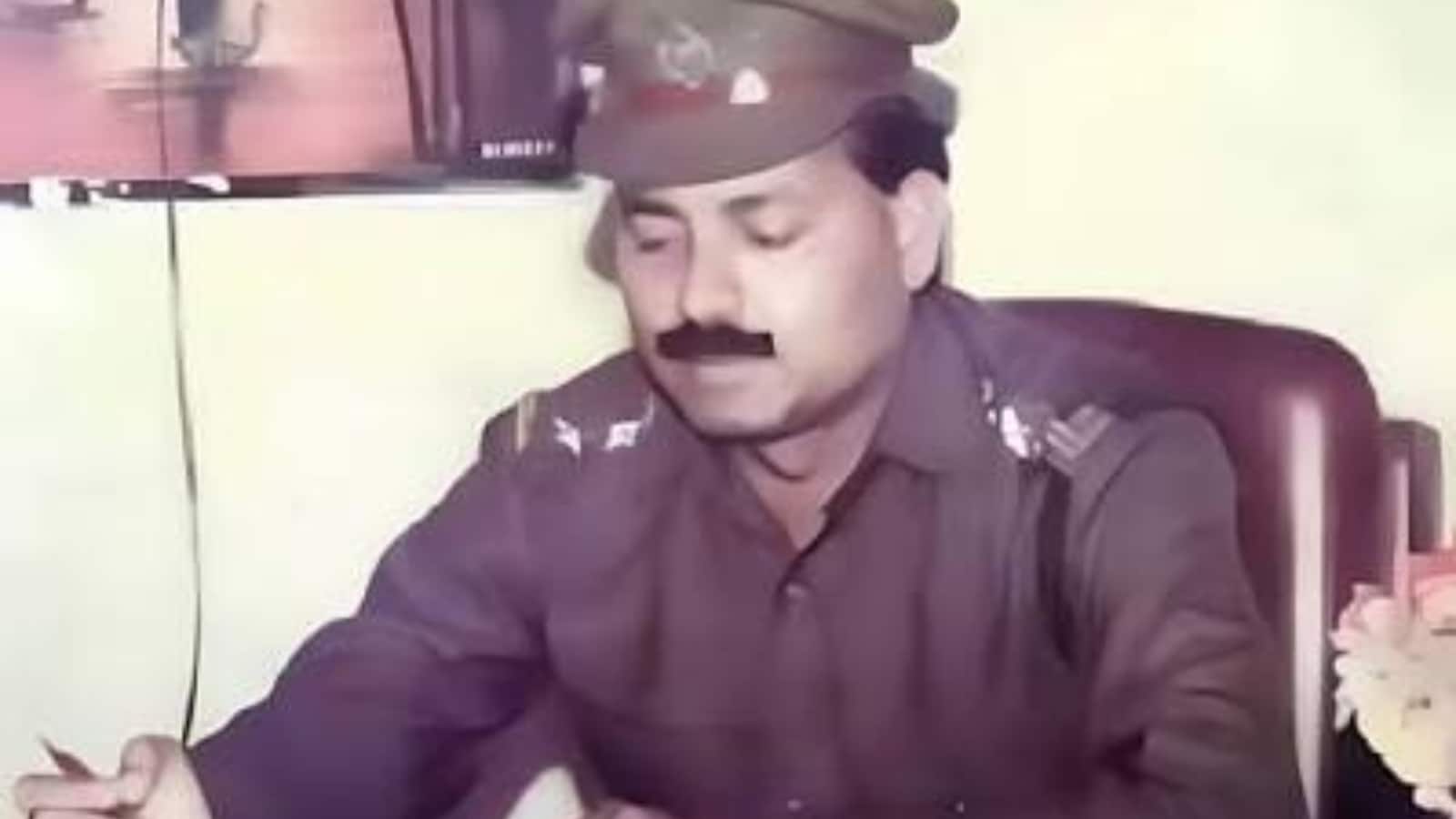
Years of working behind prison walls changed Gupta’s perspective. He began questioning whether incarceration alone was enough and wondered what future awaited inmates once their sentences ended and they returned to society. (Image-X/@Sunilkumargupta)
At the time, prisons offered little beyond confinement. Educational opportunities, counselling services, and vocational training were limited. The system largely focused on punishment, leaving rehabilitation and personal growth on the sidelines. (Image-Canva)

Gradually, Tihar Jail embraced reforms. Inmates gained access to classrooms, libraries, skill-development programs, yoga sessions, legal assistance, and work opportunities that helped prepare them for life after release and reintegration. (Image-Canva)
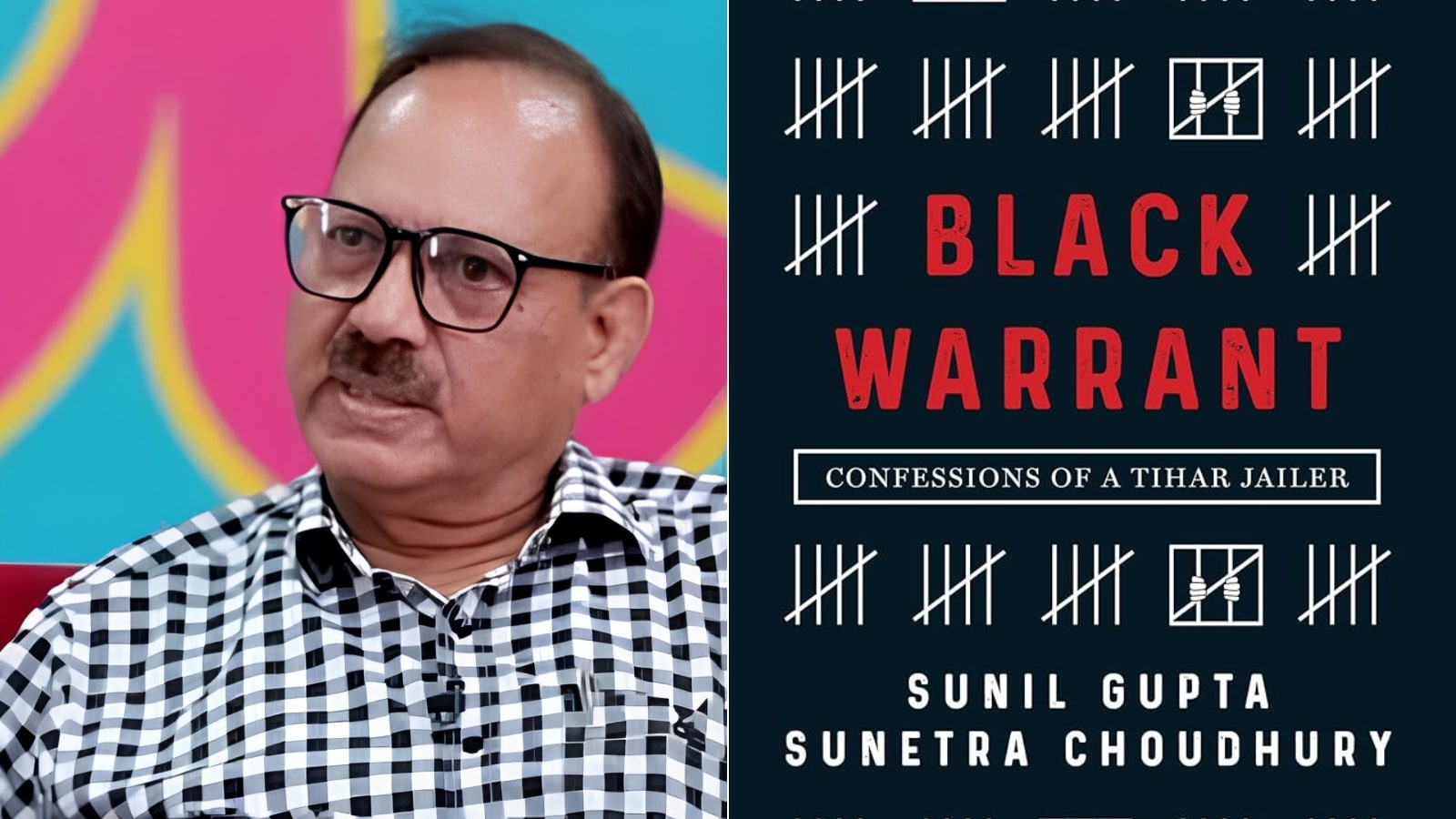
After interacting with thousands of prisoners over 35 years, the co-author of Black Warrant came to believe that people should not be defined by their worst mistakes. His legacy remains rooted in second chances, dignity, and the possibility of change. (Image-Reddit, Amazon.in)