






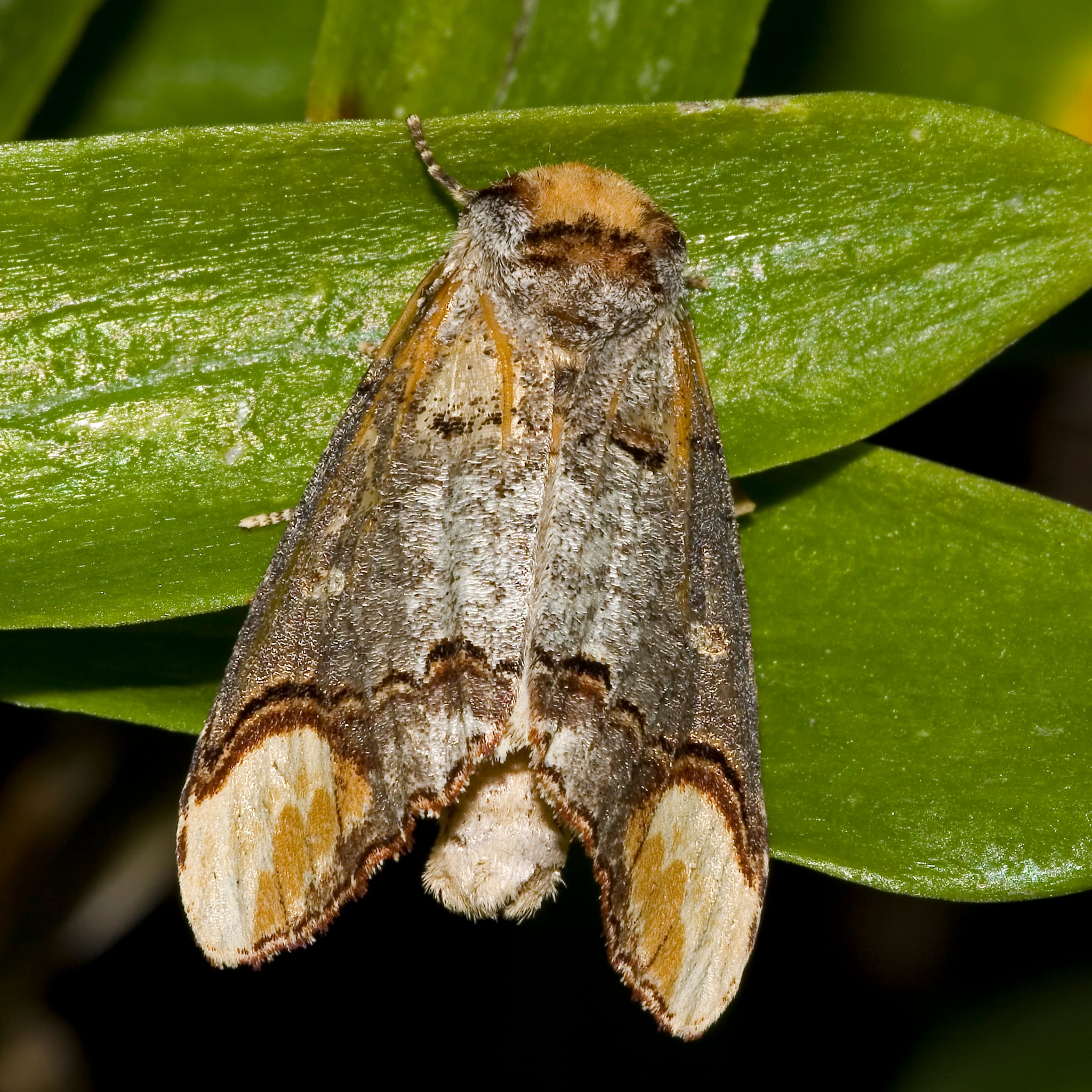
Nature is full of masters of disguise, but few are as impressive as the buff-tip moth. At first glance, this unusual insect looks less like a living creature and more like a snapped-off twig resting on a tree branch. Its remarkable camouflage has fascinated scientists and nature lovers alike, making it one of the most extraordinary moths in the world. (Image: Wikimedia Commons)
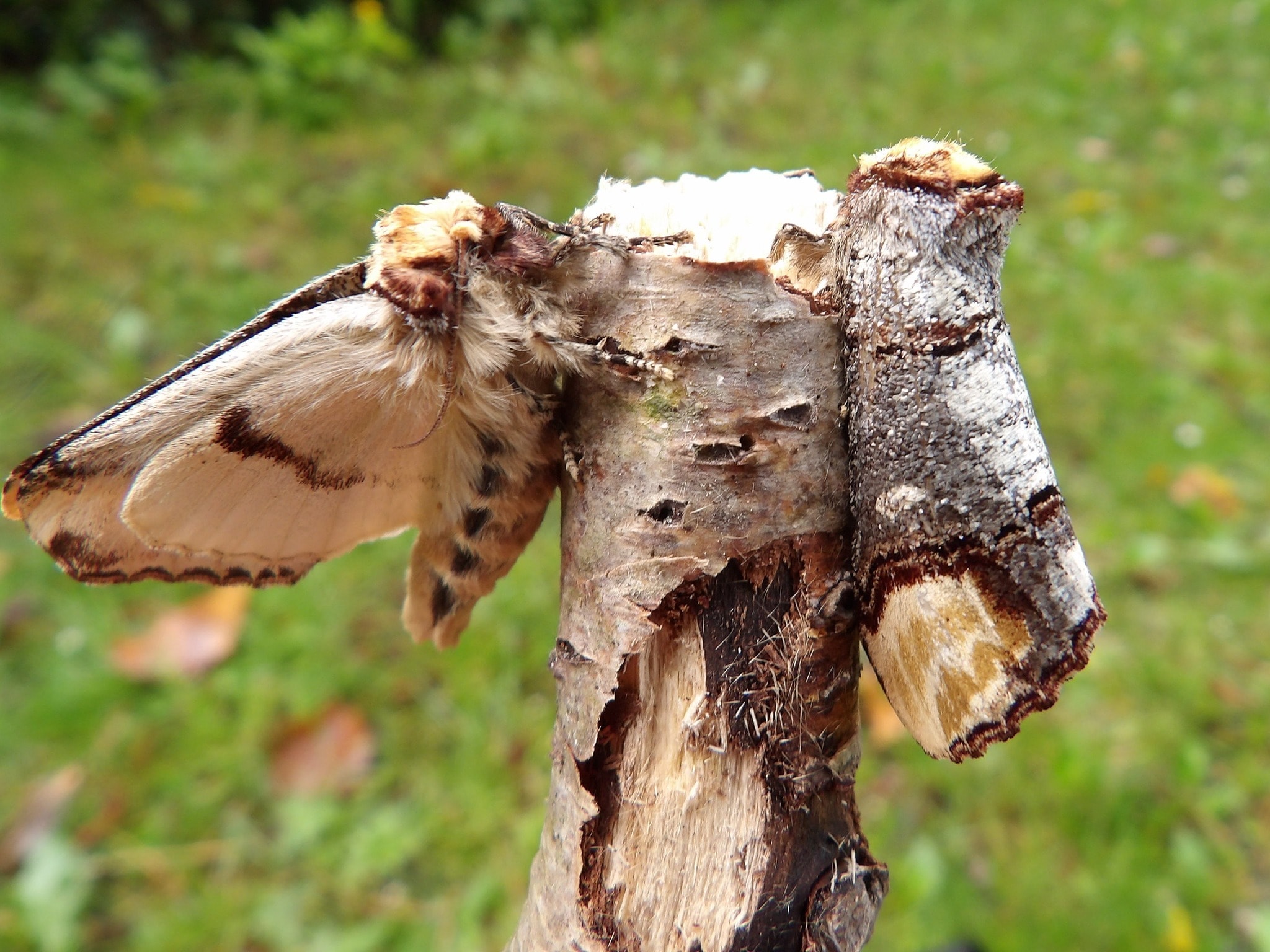
The buff-tip moth is famous for its incredible disguise. When it folds its wings over its body, the pale buff-coloured tips create the illusion of a freshly broken stick. This camouflage helps it blend seamlessly into tree branches and avoid predators. (Image: Pexels)
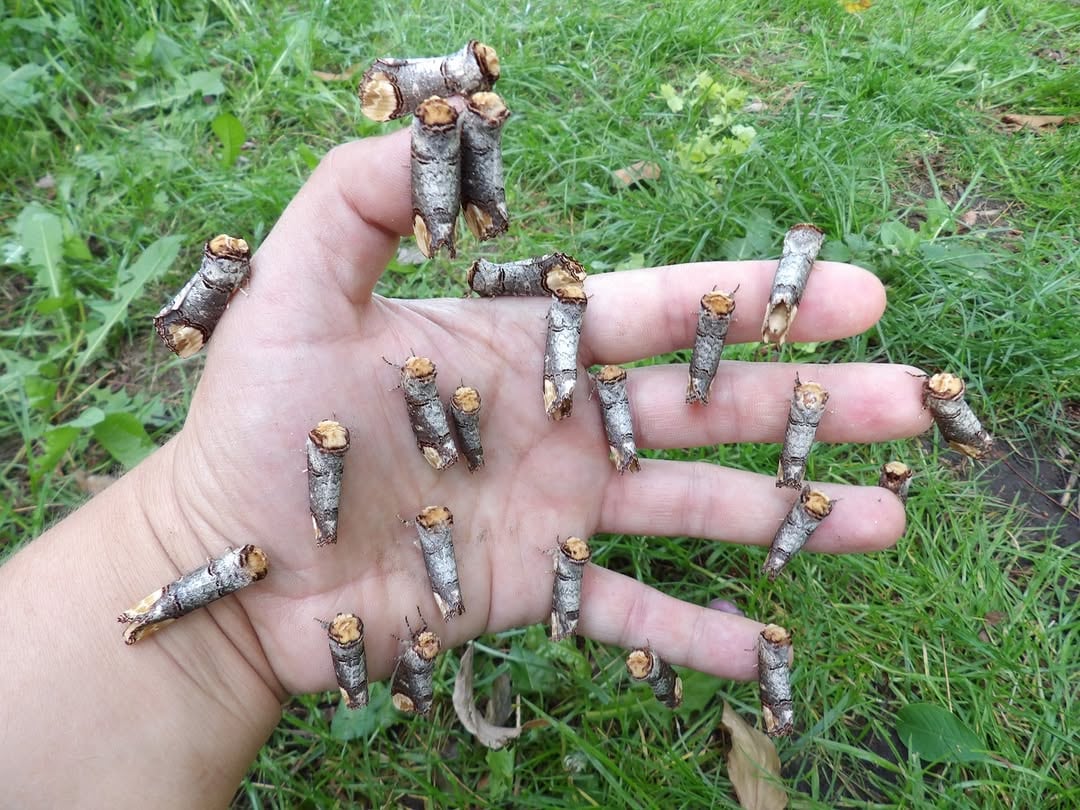
The moth’s scientific name is Phalera bucephala. The species name “bucephala” means “ox-headed” in Greek and is thought to refer to markings on the caterpillar rather than the adult moth. (Image: Instagram/@coppensb)
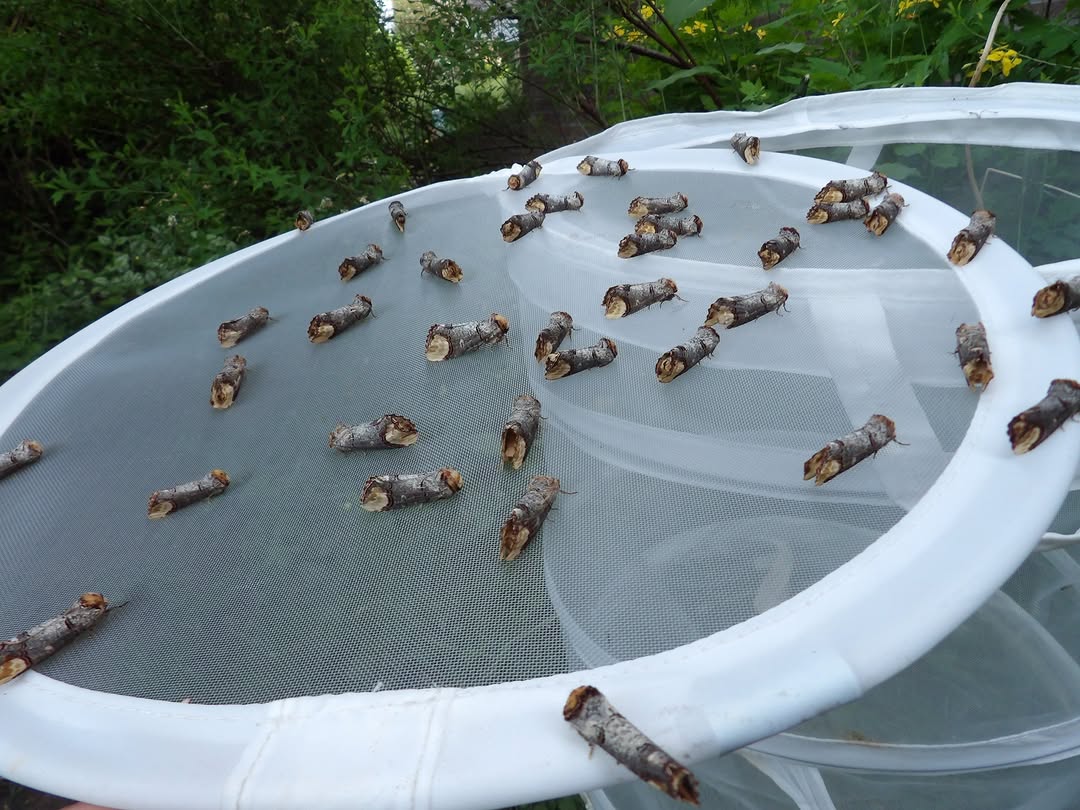
Buff-tip moths are widely distributed throughout Europe and extend into parts of Asia. They are commonly found in woodlands, parks, gardens and hedgerows where suitable host trees are available. Unlike the solitary-looking adults, buff-tip caterpillars are highly social in their early stages. They often gather in large clusters on tree trunks and branches, creating a striking sight for anyone who spots them. (Image: Instagram/@coppensb)
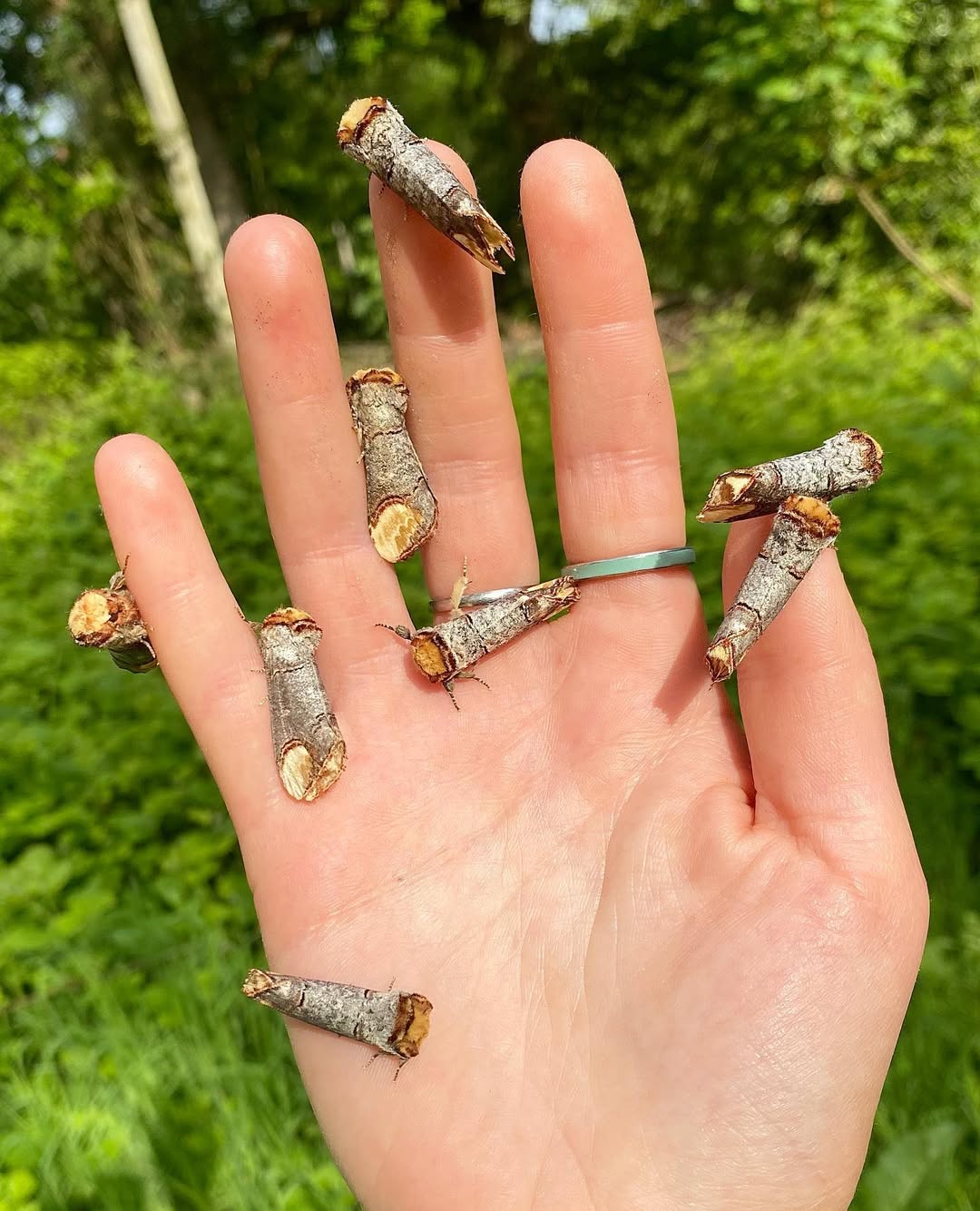
Buff-tip caterpillars enjoy the leaves of many deciduous trees, including willow, birch, oak, lime and hazel. Their varied diet helps the species thrive across a wide range of habitats. (Image: Instagram/@lucy_lapwing)
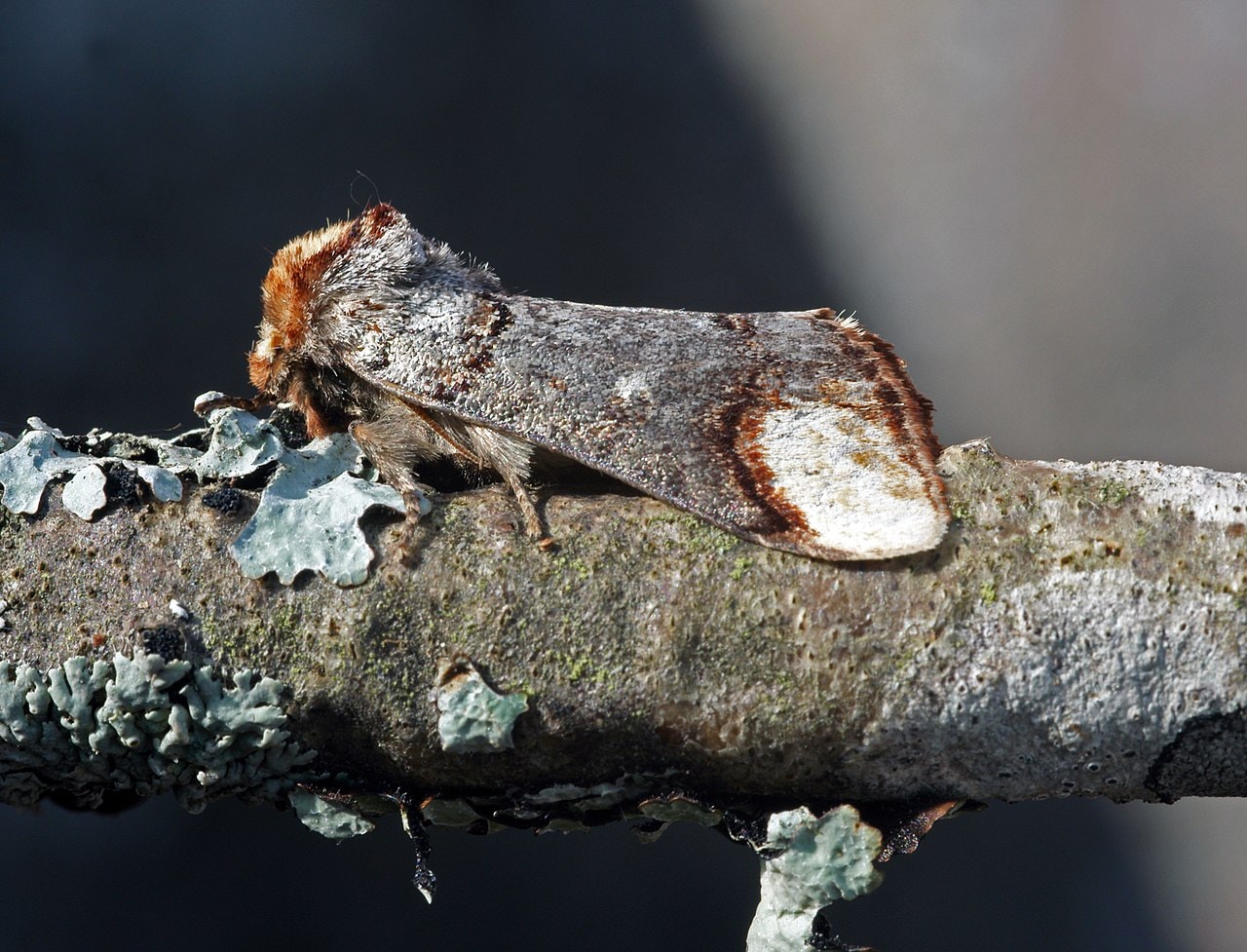
Like many moth species, buff-tip moths are nocturnal. They emerge after dark to fly, feed and find mates. During daylight hours, they remain motionless, relying on their twig-like appearance for protection. Birds and other predators often hunt by sight. By resembling a broken twig instead of an insect, the buff-tip moth reduces its chances of being noticed. This is one of the most effective examples of protective mimicry found in nature. (Image: Wikimedia Commons)
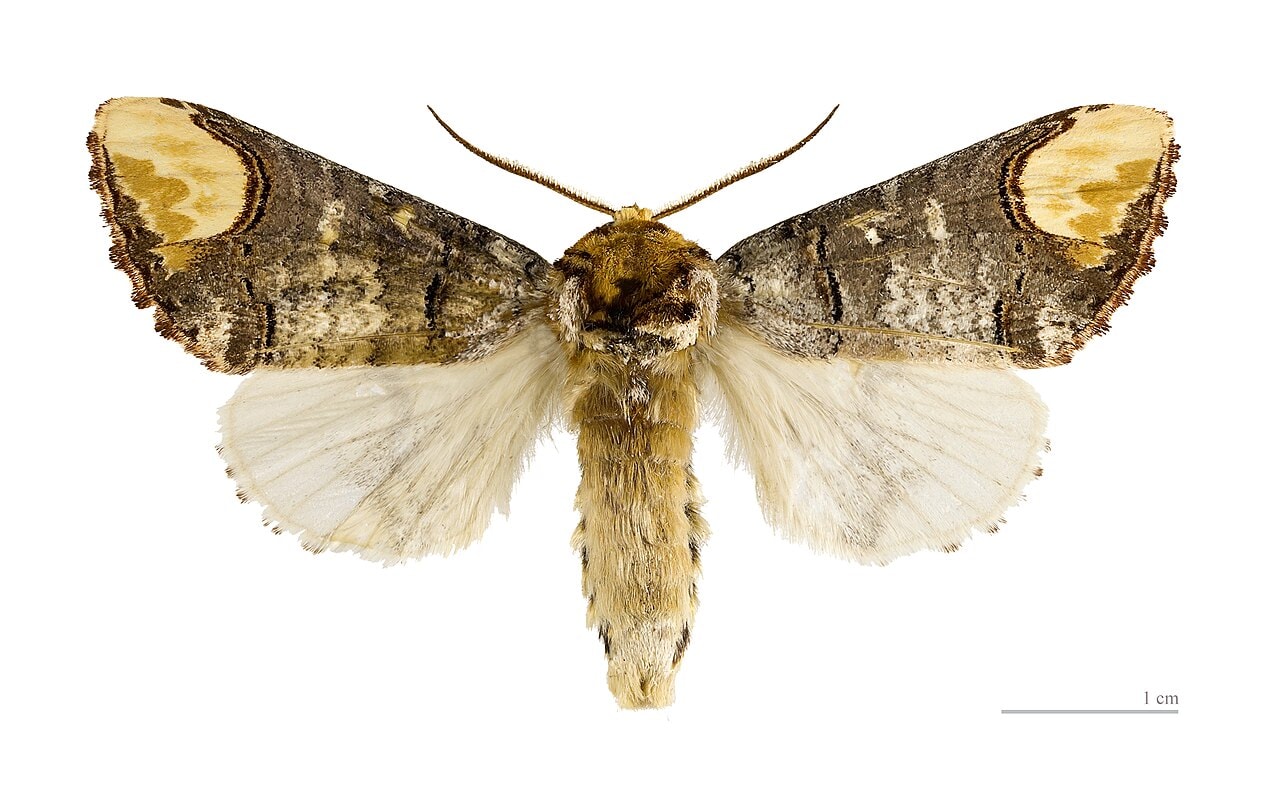
Adult buff-tip moths spend much of their brief lives reproducing. After mating and laying eggs, the life cycle begins again with a new generation of caterpillars. (Image: Wikimedia Commons)