

Travel vlogs, airport reels and runway videos have become a staple of social media, but India’s aviation authorities are taking a stricter approach to where and what passengers can film. From civilian terminals to military-linked airports, violating photography rules could lead to penalties far more serious than simply deleting a video.
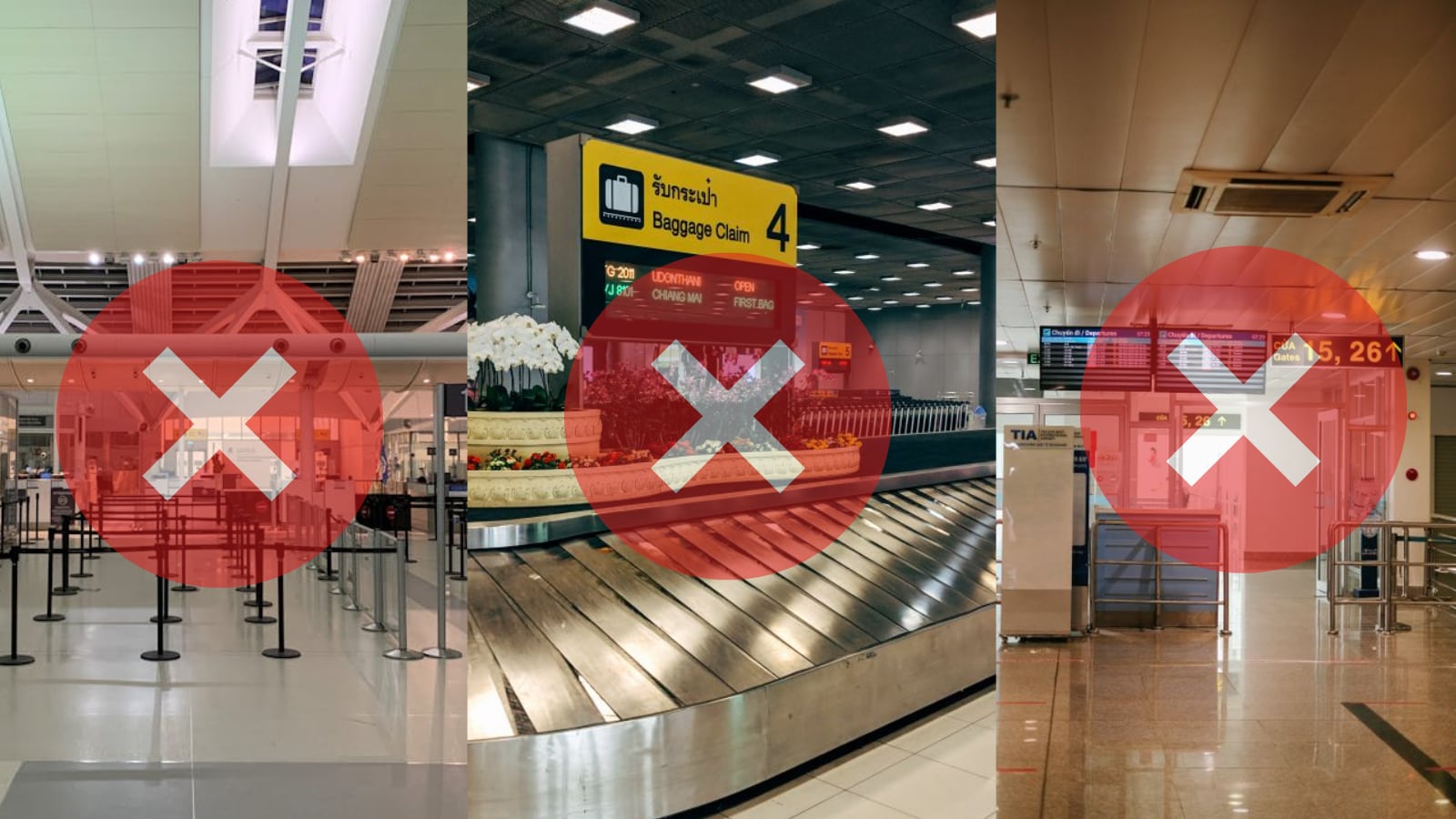
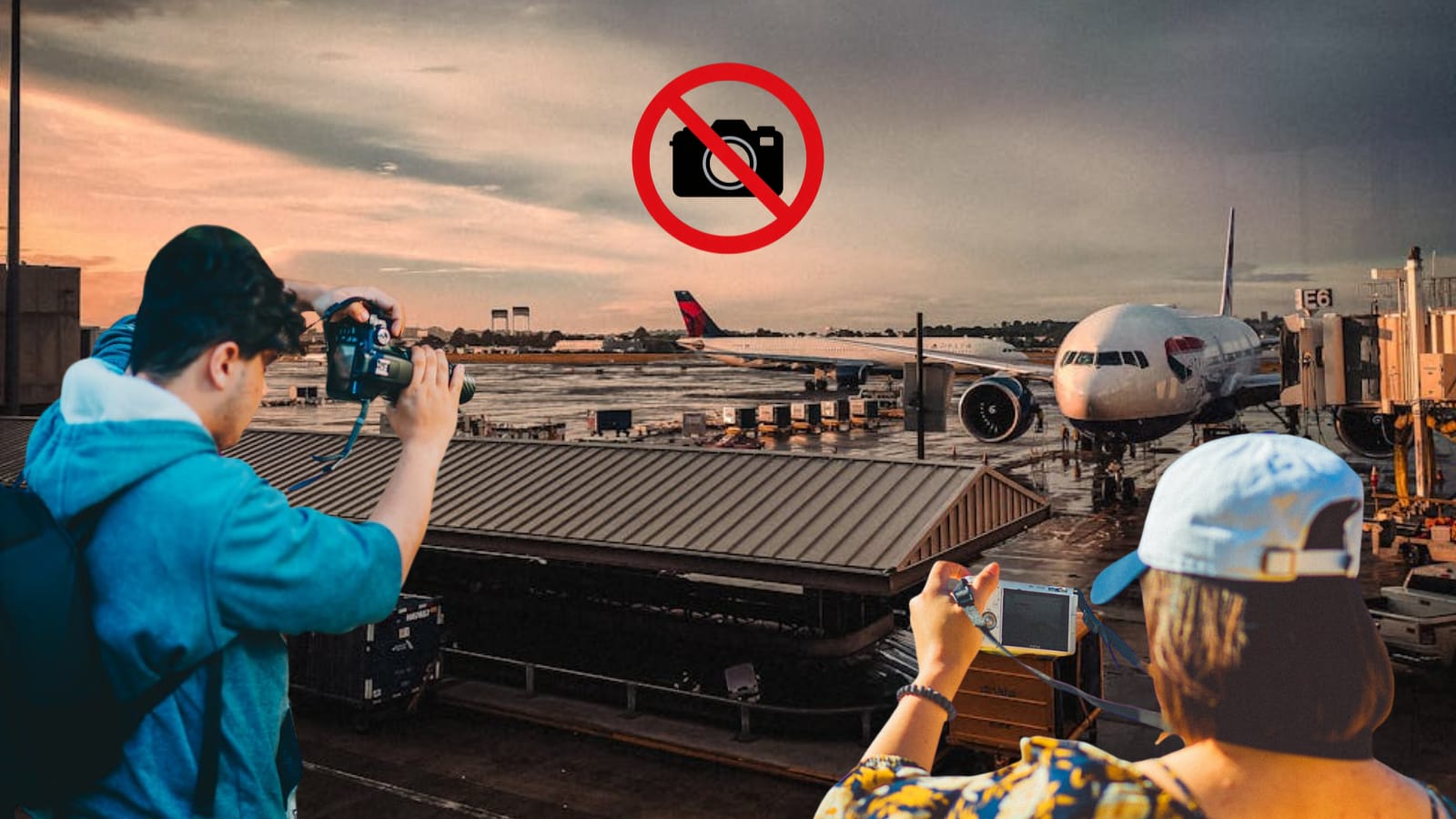
Airport Photography Isn’t Allowed Everywhere: Under Rule 13 of the Aircraft Rules, 1937, photography at government aerodromes is regulated by the DGCA. While travelers can generally click pictures in public areas such as food courts and arrival halls, operational zones including security checkpoints, boarding gates, aprons and baggage-handling areas remain off-limits.
Your Social Media Reel Could Still Break The Rules: Even seemingly harmless content can attract scrutiny if it captures surveillance cameras, security procedures, staff operations or sensitive airport infrastructure. Authorities have clarified that videos shared online may be treated as violations regardless of whether the footage was recorded intentionally or by accident.
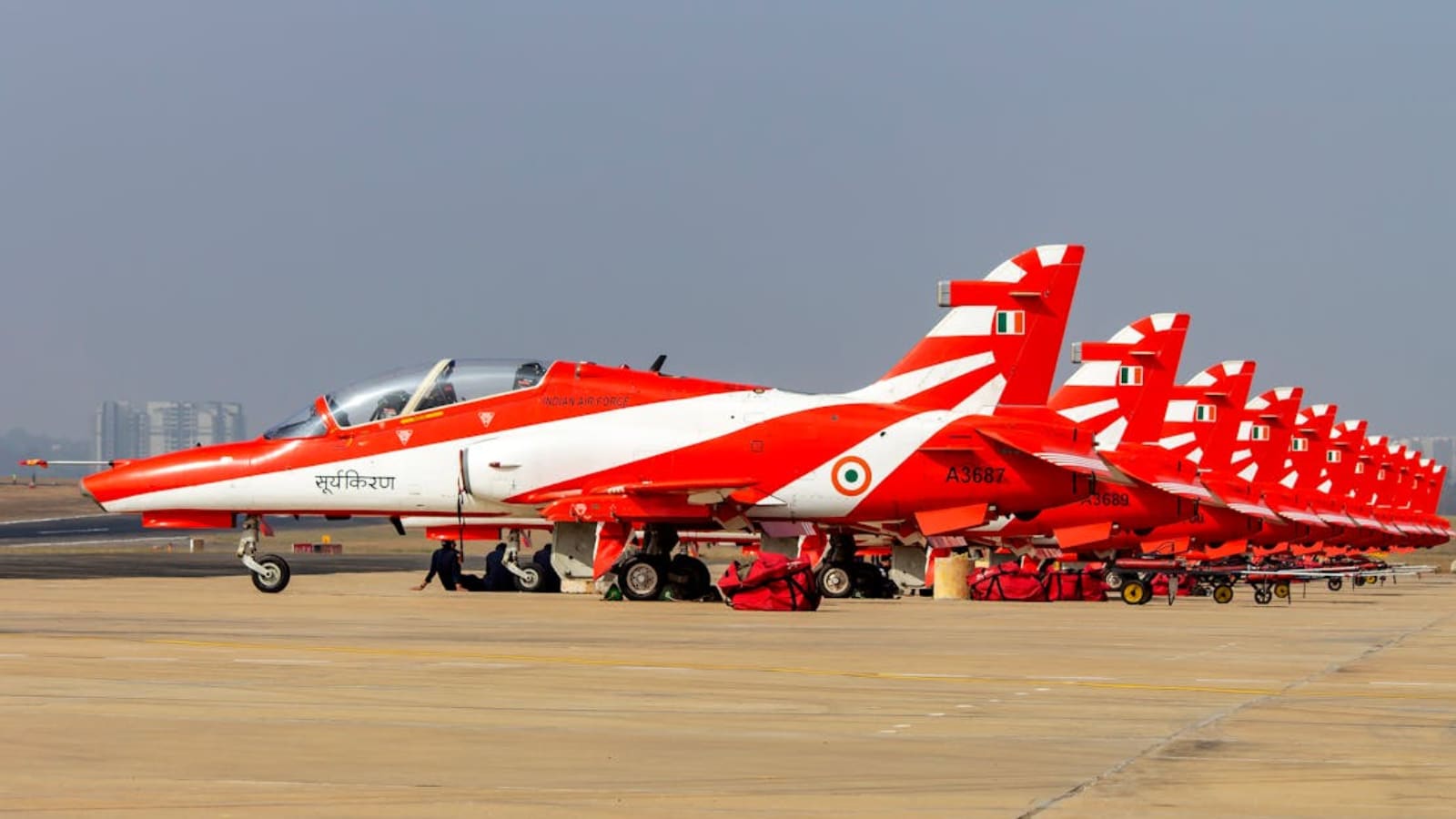
Border And Military-Linked Airports Have Much Stricter Restrictions: At airports such as Amritsar, Jammu, Srinagar, Jaisalmer and Goa’s Dabolim, photography and videography are prohibited throughout the travel journey. The restrictions apply inside terminals, while boarding, during pushback and taxiing, and even from aircraft windows below 10,000 feet.
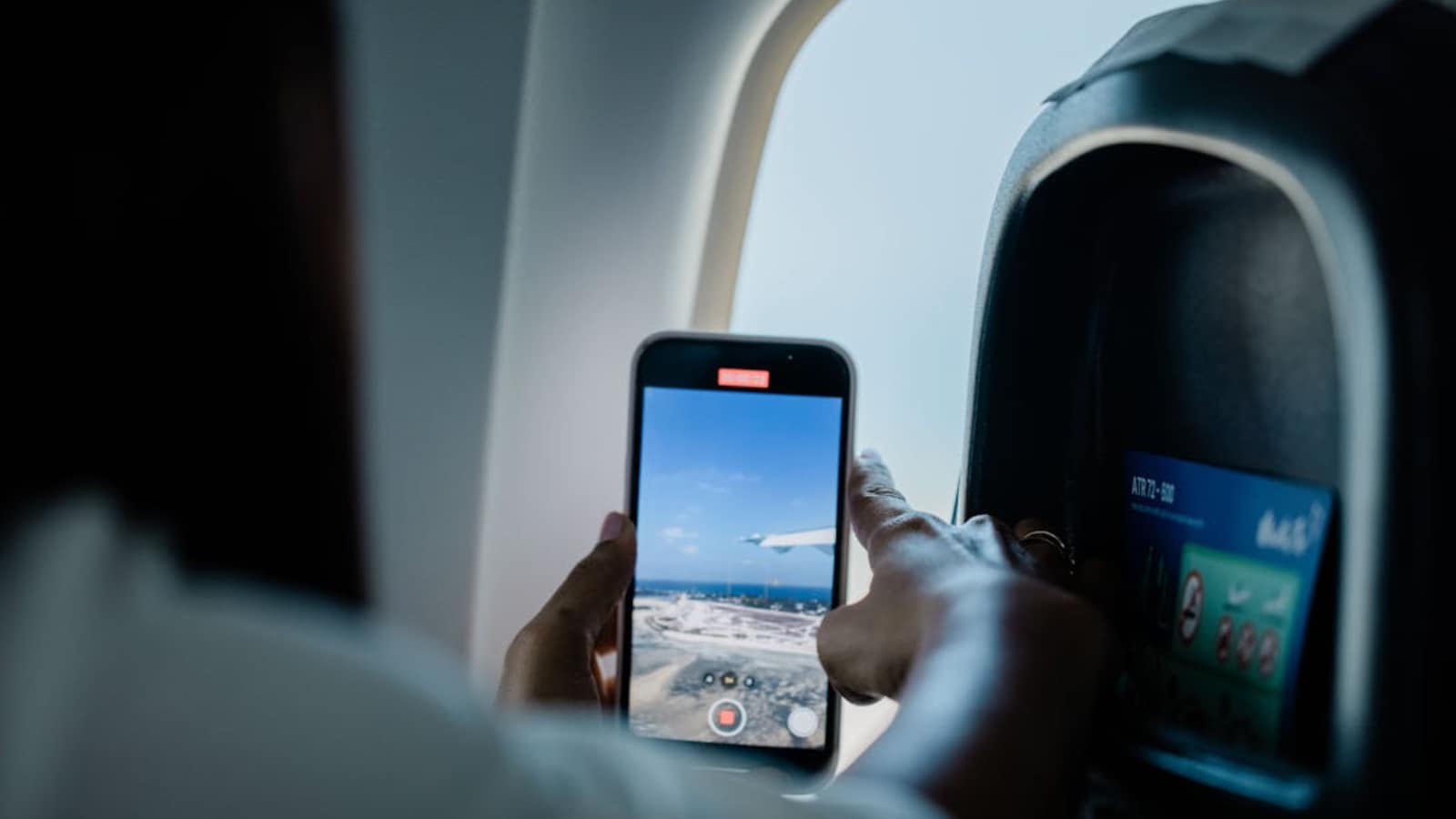
These Rules Became Tougher After Security Concerns: The stricter enforcement follows the rapid rise of travel-content creation and concerns that airport videos were revealing operational layouts and security arrangements. Additional restrictions were introduced after the 2025 India-Pakistan border tensions to prevent accidental exposure of sensitive military infrastructure.
The Penalties Can Be Serious: Violations may result in immediate deletion of content, financial penalties or temporary confiscation of devices for investigation. At military-linked airports, authorities may also view unauthorised photography as a security concern, potentially leading to legal action beyond standard aviation penalties.
The Penalties Can Be Serious: Violations may result in immediate deletion of content, financial penalties or temporary confiscation of devices for investigation. At military-linked airports, authorities may also view unauthorised photography as a security concern, potentially leading to legal action beyond standard aviation penalties.
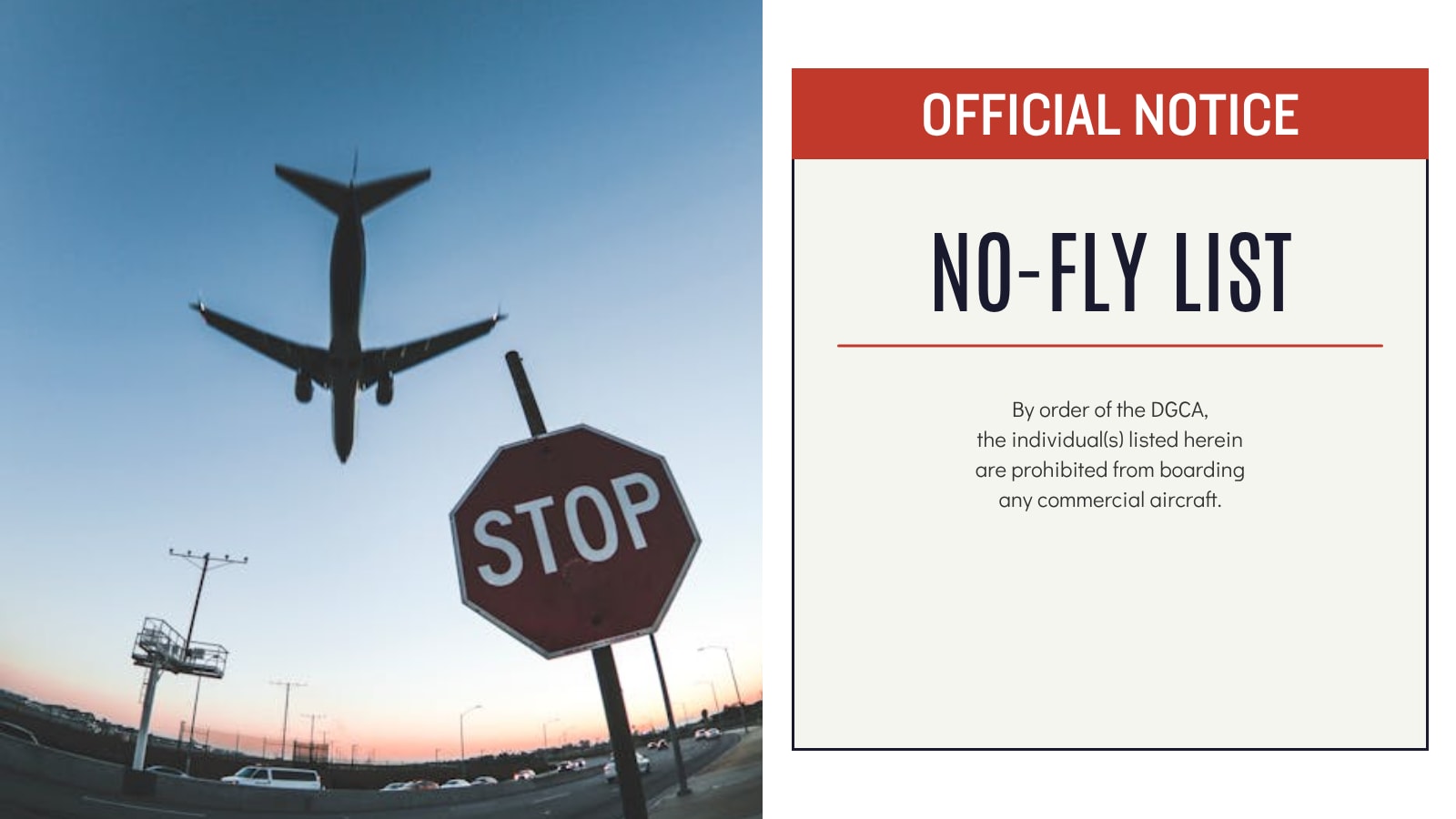
Repeat Or Serious Offenders Could Face Flying Bans: Photography-related violations that are deemed security risks can lead to recommendations for placement on India’s No-Fly List. Depending on the severity of the offence, bans can range from up to three months to six months, while the most serious cases can result in restrictions lasting two years or longer.
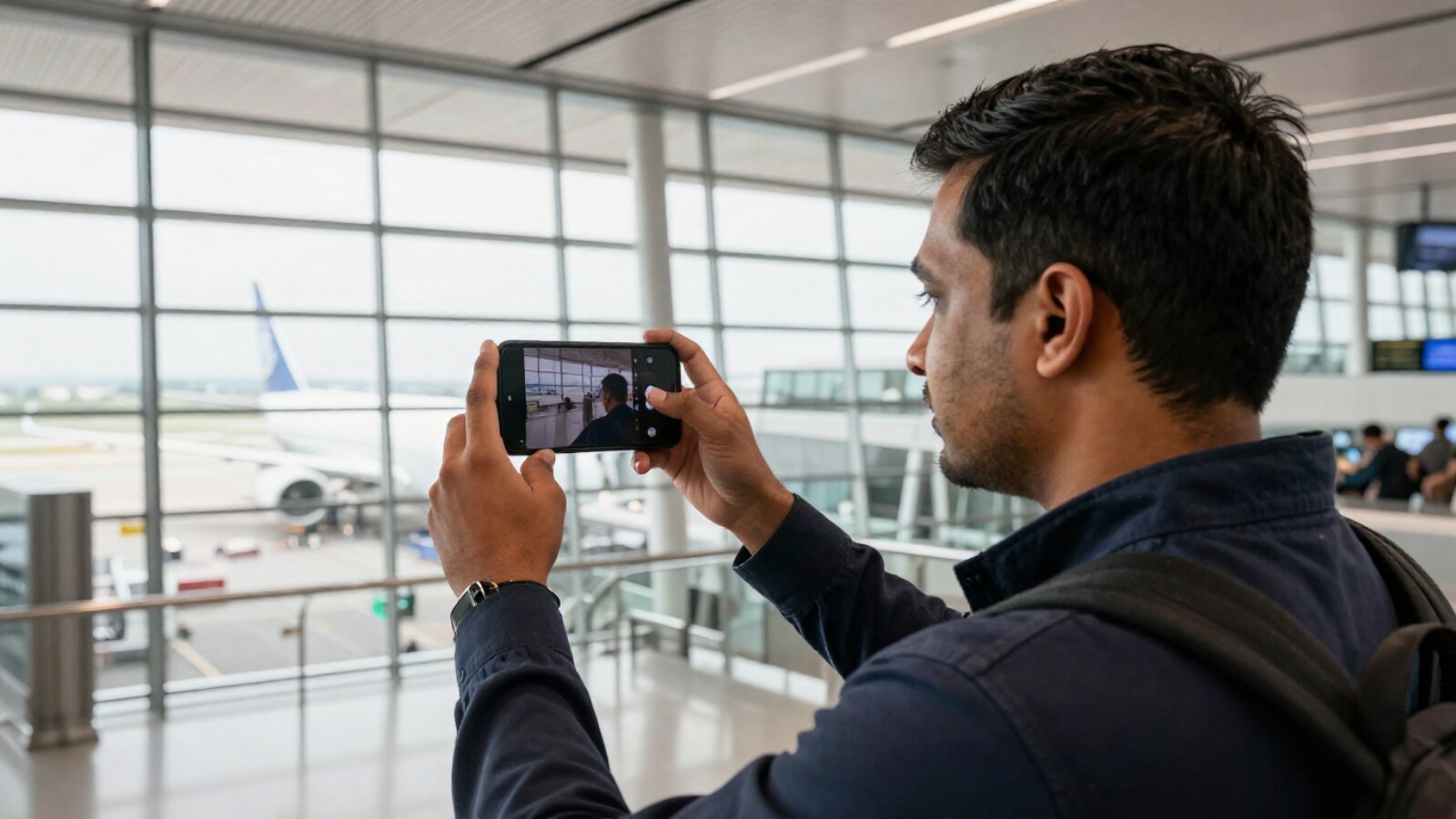
There Are Still Safe Ways To Create Content: Passengers can generally take photos in designated public areas of civilian airports, provided they stay away from security zones, boarding gates, operational sections or runway activities. Travel creators seeking professional shoots, advertisements or documentary footage must obtain prior approvals from airport authorities and relevant security agencies before filming.