




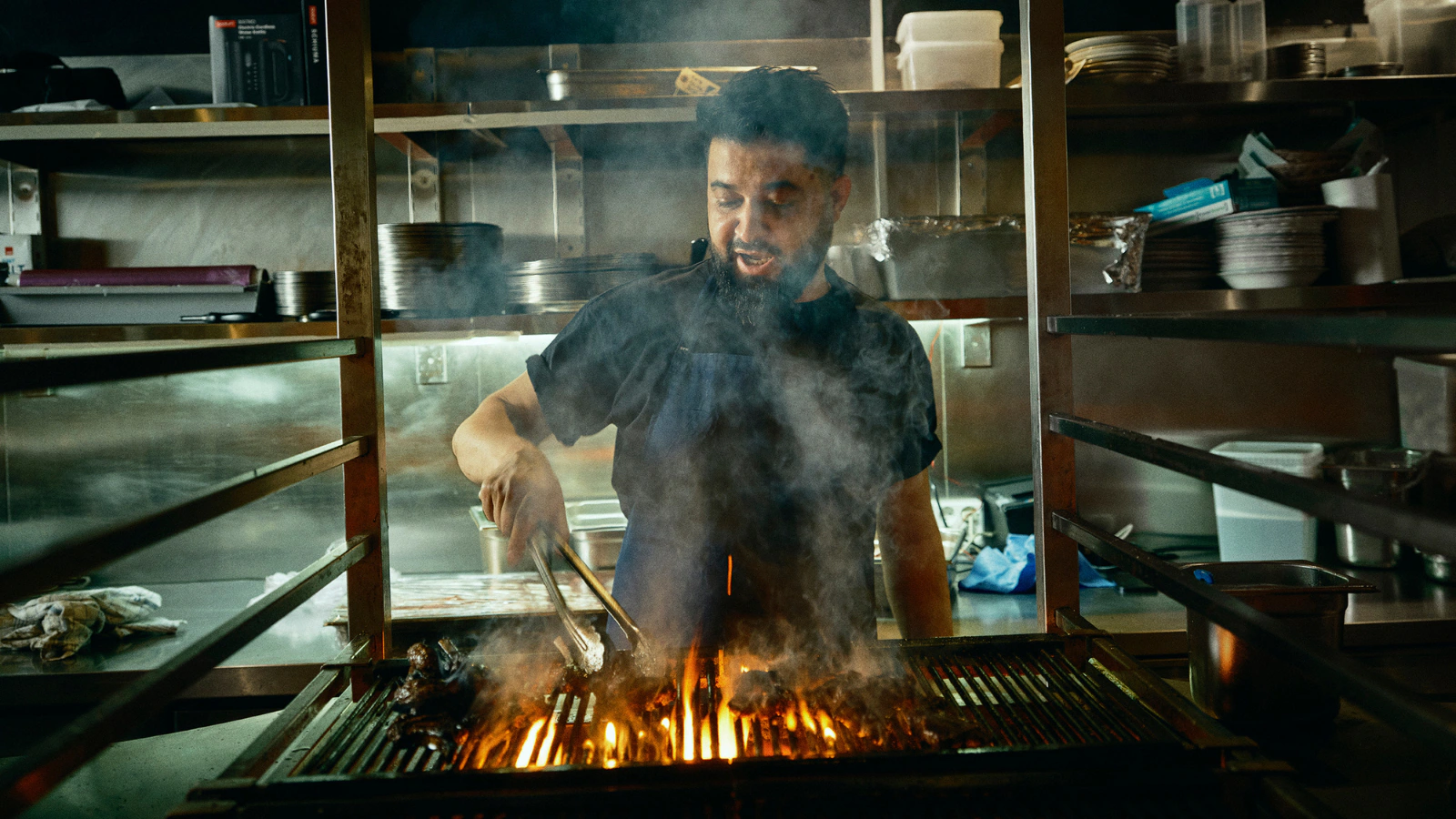
Enayatullah Safi fled Afghanistan and moved to Copenhagen when he was just 13. He rebuilt his life in a new country and later earned a degree in political science—but it was in Indian cuisine that he found his calling. When asked how, Safi says he found comfort in Bollywood movies every Friday evening, and they helped him understand community and belonging.
In an exclusive video interview, Safi, who launched Dhaba Indian Kitchen in Denmark in 2016, talks about his love for desi cuisine, his journey as an immigrant, how Indian food helped him identify with himself in a foreign land, and the unique style he has developed. Read the edited excerpts below:

Q: Where do you feel most at home? What does that have to say about your self-identity?
Safi: Indian culture has always been a part of my childhood. Even in Afghanistan, whenever there was a war, we would sit down on Friday evenings to watch a Bollywood movie. Somehow, as a child, you had this idea of a hero bringing justice to society, and so India has been a part of my childhood. It was 10-11 years ago that I started visiting India. India has always felt like home to me at different stages of my life. It’s more people, more culture, more food…the deeper you delve into Indian cuisine or Indian food, the more it amazes you.
It’s very difficult when you are an immigrant…in a global world that’s changing all the time. But I am lucky to feel at home in all three countries that have been part of my life.
Q: Afghan cuisine is culturally rich. So why did you choose to build your career around Indian food?
Safi: Well, actually, both are very similar. In terms of cuisine, India is very rich, with regional specialities. Though we still have two or three dishes from Afghanistan on the menu all the time, I think that Indian food has something that people around the world need to know more about.
Story continues below this ad
During my time in India, I tried different foods from different cities… my first visits were to Delhi, Mumbai, and Jaipur. When I came back, I thought, ‘Why isn’t anyone bringing real Indian food here?’
When I go into my restaurant, I feel like I am in a Bollywood movie. I am the hero to bring stuff and tell the stories. Some of my friends even say, “Your soul is probably from India. You are probably from India in your other lives.” It could be, you never know. But that’s how it has been.
Q: The concept of ‘dhaba’ comes from North India. How do you present a ‘dhaba’ in a street food format?
Safi: In the beginning, I started serving North Indian dishes. But then a lot of people would only order butter chicken since 95 per cent of my guests are Danes. I wanted to change that somehow. We still have the heavy curries, but we started adding more street food. Now, people are like, “Oh, we get small bites, but we also get eight to nine different kinds of dishes.”
Story continues below this ad
So along the way, we try to modernise. I would say it is not a typical Indian dhaba. But we try to keep the concept of one alive. So, when everyone asks, what is a dhaba? We have the opportunity to tell them the story about what a dhaba looks like in India.
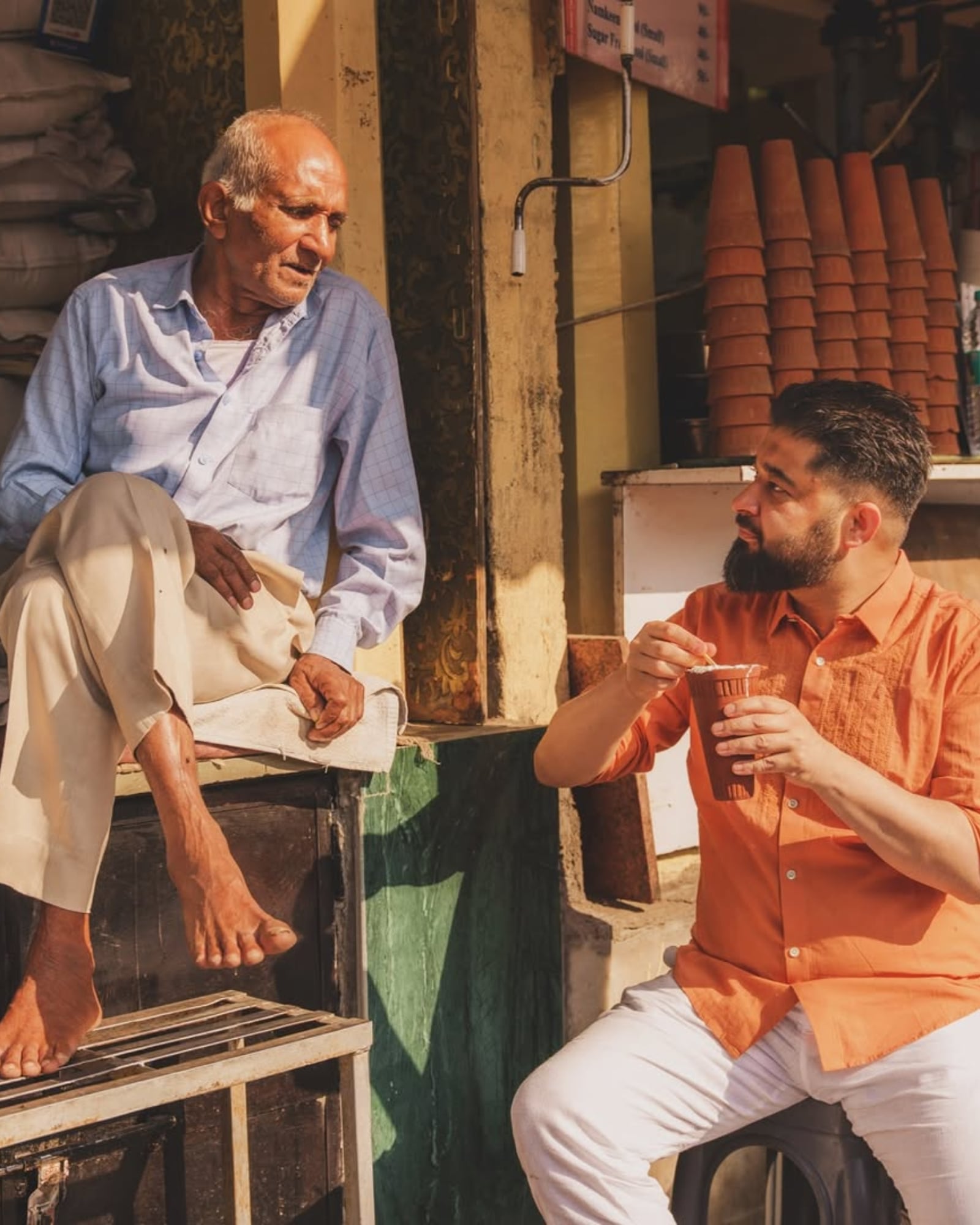 ‘Food is more about the story, the culture, the flavours, it is also at the same time, how much love you put into it,’ says Chef Safi. (Credit: instagram handle: enayasafi)
Q: How has the Indian diaspora reacted to your food?
Safi: Former Indian ambassador to Denmark, Pooja Kapur, used to visit, at times, with groups. Now, whenever new ambassadors host events with guests from outside, they always come to Dhaba. I am really happy that a lot of people from the Indian embassy and the diaspora come here.
But then, some people will always say, ‘Oh, you are from Afghanistan, why did you choose Indian food?’ Then a lot of chefs from different parts of India come and work with me. They know their food, so they will also tell me if we do it a certain way, it will add more value to it.
Story continues below this ad
I always try to joke about it and say, guys, come down to the restaurant, and then we’ll have a chat. And if you don’t like the food, it’s okay; you don’t have to pay for it. I always tell people that even though food is more about the story, the culture, the flavours, it is also, at the same time, about how much love you put into it. Everything together gives you the experience.
Q: Copenhagen is famous for Michelin-star fine dining. Do you feel that prestigious food guides like Michelin are biased against casual street food or cuisines that involve a lot of nationalities?
Safi: I am happy because when they give three stars to Indian food, suddenly, a lot of people are talking about it. Because normally, mainstream understanding of Indian food is that it is cheap curries and quick food. And that’s changing. Michelin is basically French. And their way of working with food is quite different in terms of techniques and everything else.
But I think they are opening their eyes now towards Indian cuisine and ‘other cuisines’. I think, when it comes to Michelin, it is always about how you position yourself in the market. But I am happy that Indian restaurants are getting Michelin stars, which is very good for Indian food and its future.
Story continues below this ad
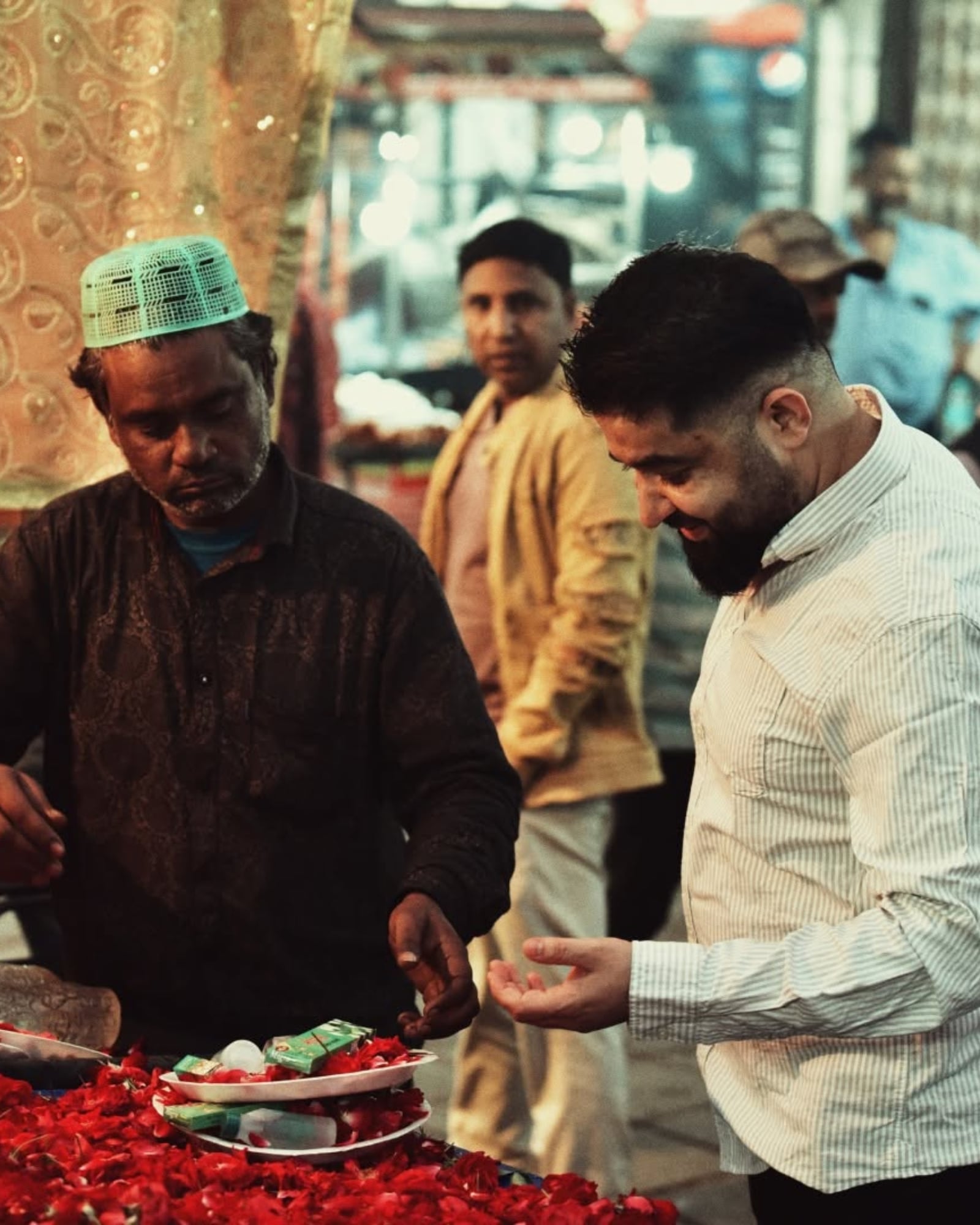 Chef Safi in old Delhi. (Credit: instagram handle: enayasafi)
Q: Do you plan on opening any new restaurants in India or internationally?
Safi: We are opening our restaurant in Abu Dhabi on September 24. I have been thinking of opening something in India for a while now. Though it’s still in the idea phase, I would love to tell a story of a brand like Kabuliwala in India and then expand to tell the story of Afghanistan. Dhaba could also work, why not?
Q: Would you be open to exploring regional cuisines that don’t involve North Indian curries?
Safi: When I wrote my first cookbook with 100 recipes from India, it sold very well. When they approached me for the second cookbook, I told them that India is not limited to the cuisine chain. When I travelled to India, I went to Delhi, then Kochi, and also Lucknow and Jaipur. I got to understand the different techniques and cuisines that these places offer. We have now introduced dishes like Laal Maas, Fish Pollichathu, and will soon be introducing dosa too.
Story continues below this ad
It will take some time for the Danes to understand that concept. But once the customer does, it is life-changing, so we are definitely focused on that.
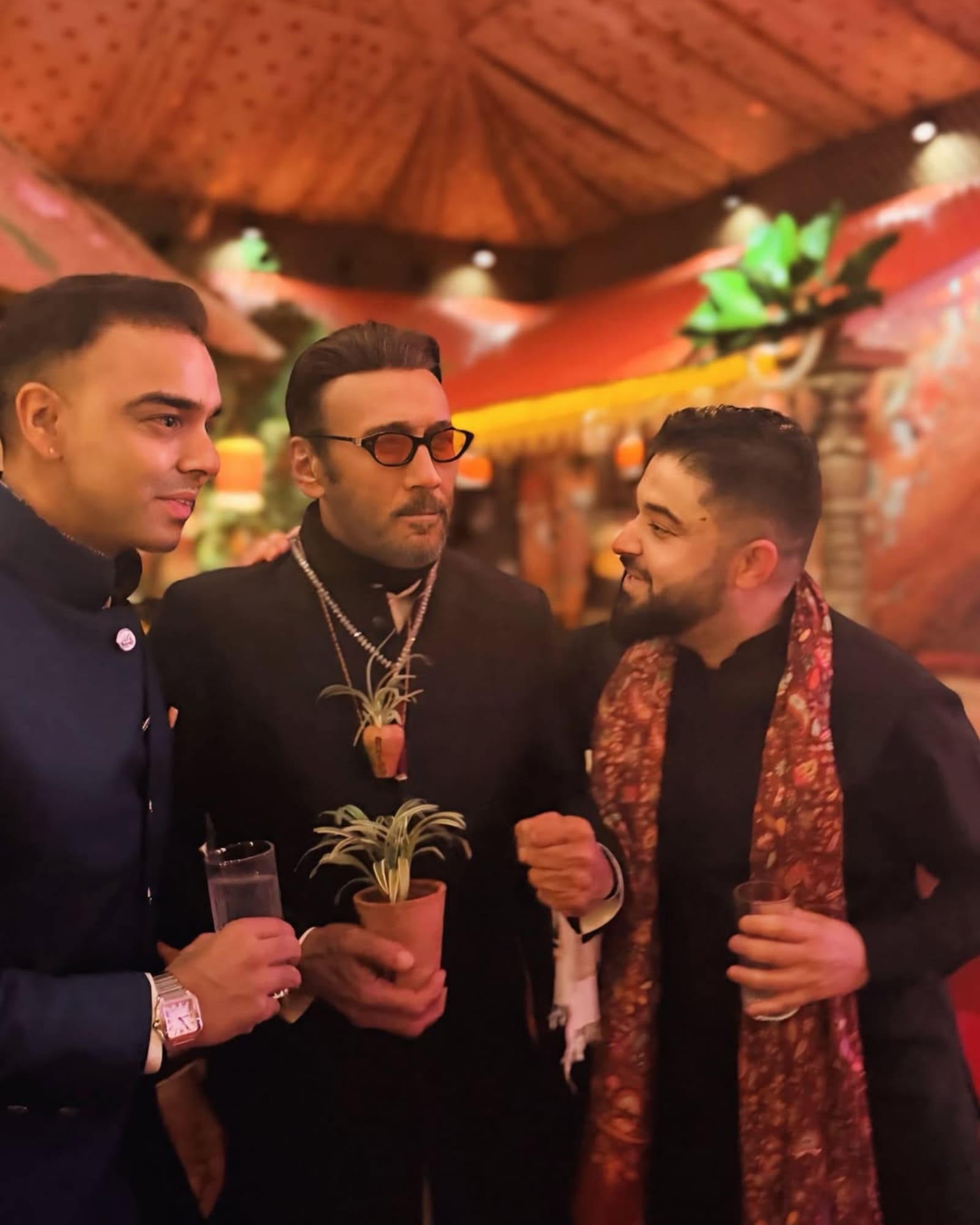 ‘When people come to my restaurant I always recommend them two movies, Dangal and Lunchbox.’ (Credit: instagram handle: enayasafi)
Q: Since you mentioned your love for Bollywood movies, who are the Bollywood celebrities you would love to feed?
I really admire Aamir Khan and what he has done through film for society. His movie, Dangal, was out of this world. I have two daughters, and I really loved it. Other actors I admire include Shah Rukh Khan, Ranveer Singh and Ranbir Kapoor.
I would serve them Kabuli Pulao from Afghanistan, biryani and kebabs from Lucknow, and Dal Batti for someone who loves to eat vegetarian. When people come to my restaurant, I always recommend Dangal and Lunchbox.
Story continues below this ad
But if I am feeding Aamir Khan, I will take my time to make a menu and then serve him!