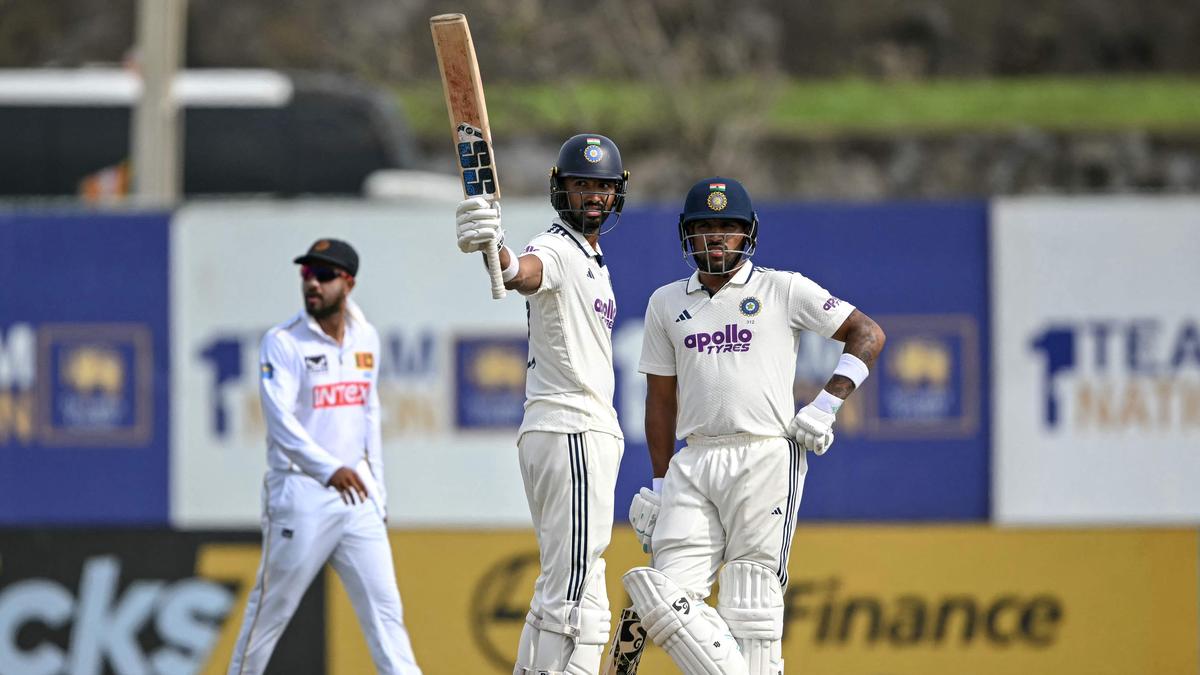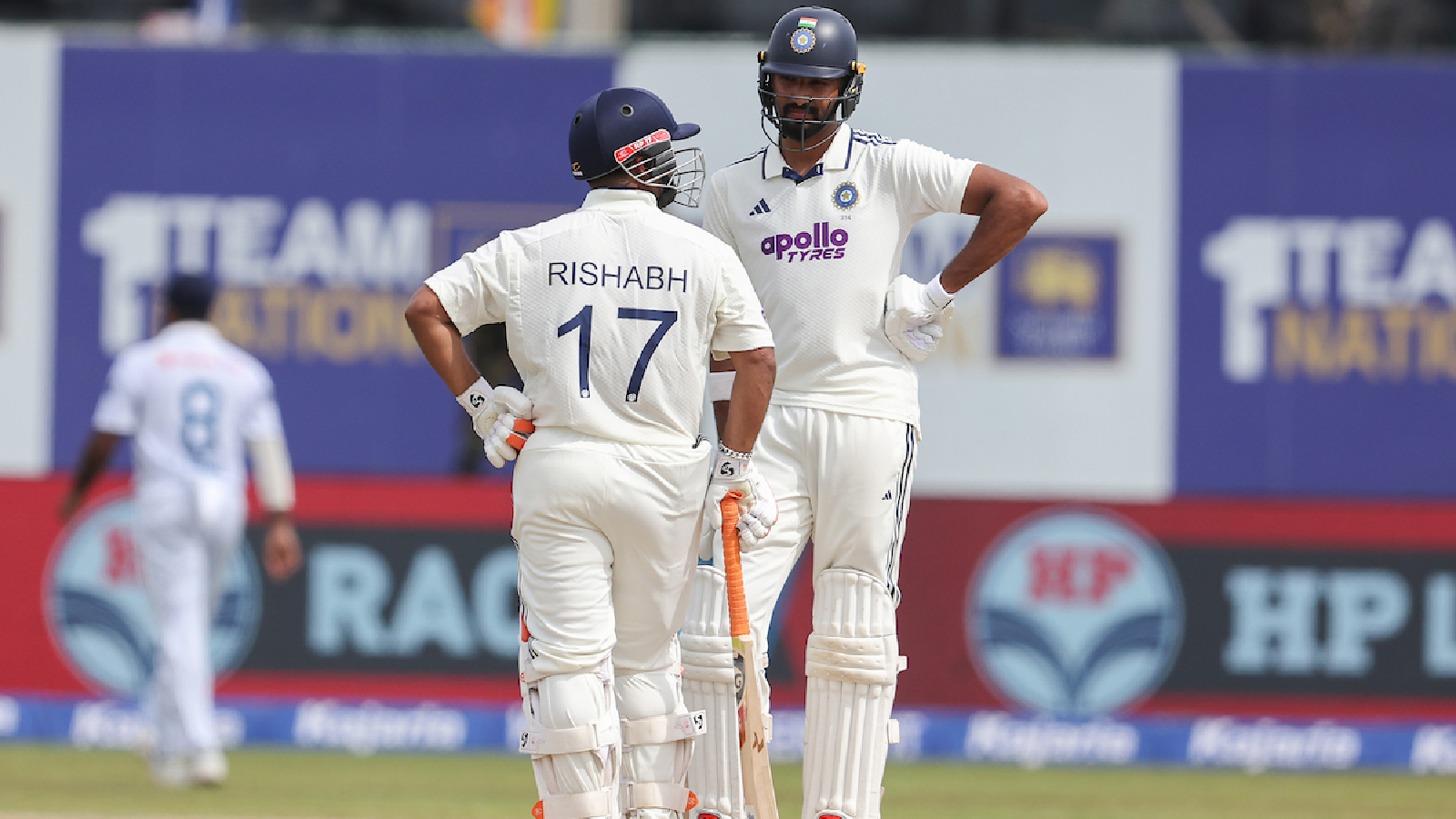










Not too long ago, Suryansh Shedge was another youngster trying to make his way through Mumbai cricket, a pathway crowded with talent and short on guarantees.
Strong performances in domestic cricket eventually earned him an IPL opportunity, where he found himself sharing a dressing room with established stars and learning from some of the sharpest minds in the game.
Today, the all-rounder is wearing India-A colours, carrying forward the same mindset that has fuelled his rise — embracing pressure, trusting preparation and staying rooted in the present.
Fresh from helping India-A bounce back in the Tri-Nation tournament, Shedge spoke about the influence of Mumbai cricket, his time with the Punjab Kings, lessons from Shreyas Iyer and Ricky Ponting, dealing with setbacks, and why journalling has become an important part of his routine.
Tours like the ones with India-A are closely watched by selectors. Have you set any targets for yourself?
I wouldn’t say I’ve set targets for myself. I just want to contribute in all the departments. You are representing your country after all, so it’s a really proud feeling for me to wear those colours and play for my country. And whenever I step on the field, I just try to make the most of it and contribute in whichever way I can.
I am not thinking about anything apart from the game that is happening. That’s how I want to approach it. That’s how I want to grow in cricket because if I start thinking about things that are not in my control, I won’t grow. So every day when I step on the field, I try to make the most of it.
You’ve been an integral part of Mumbai’s white-ball setup and have also proved yourself in the IPL. What are some of the biggest learnings that have helped you grow?
After you reach a certain level, it’s got to do a lot with the mental aspect of the sport because I feel, skill-wise, everyone will be the same. What gives you the edge is your mental toughness and situational awareness. So, that’s what I’ve tried to work on.
I’ve put myself in different situations while practising, even in match scenarios. I’ve done match simulations. At the end of the day, it helps when you step on the field and play a tournament.
Cricket teaches you patience. It has taught me a lot. It has taught me everything I know today. I just enjoy playing the sport, and I’m happy as soon as I step onto the field. I want to get better every day, so that’s how I approach it.
The IPL has given you exposure to some of the best players and coaches in the game. Have there been any lessons or conversations that have stayed with you?
Actually, when you play cricket in Mumbai, there’s always pressure because there’s a lot of talent. So, I think that’s how I’ve been brought up, and I like playing under pressure. I think it brings out the best in me. So, I’ve always thrived in it.
Having such senior players in the IPL setup and coaches who have won major tournaments for their countries is humbling, and it is a really proud feeling at the same time. I tried to pick their brains almost every practice session or whenever I could.
It is all about mentality at the end of the day. If you have the attitude of winning from any situation, you will have a working brain and you will know what to do. You should be courageous and back yourself at the end of the day.
I’m sure you have seen that in Shreyas (Iyer) bhai as well, and you have seen that in our coach Ricky (Ponting) sir. I have learned from them. I remember one instance from last year’s IPL, where we were playing a game against KKR. It was a home game, and we had scored 111 or 115. It was a low-scoring game. While we were stepping on the field, he just said one thing: “I can feel it that we are going to win this game.” And we won that game by 15 runs.
That is the kind of mentality I have been around, and it creeps into you. I think when you have match-winners on your side, their attitude and their vibes get into you, and then you try to simulate the same.
I want to learn every day. I want to keep learning. Obviously, sharing the dressing room with these players is a matter of pride for me.
Competition in Mumbai cricket and Indian cricket is relentless. As a youngster, how do you deal with setbacks and the uncertainty that comes with the game?
In hindsight, when I look at my career till now, it’s not a very long one; it’s a short career. But obviously, I have grown up playing cricket. So, it teaches you a lot.
It teaches you patience. It teaches you how to deal with adversities. One thing it has taught me is that everything won’t go in your favour all the time. Things won’t pan out exactly as you want them to.
But it is important for you to learn and grow and change because the only thing that is constant in life is change. That’s what I try to do. Because if I don’t work on myself, if I don’t move with the times, I will be left behind.
Obviously, when you want to play a higher level of cricket, that pressure is there in the back of your mind. But if you let that control you, you won’t be able to focus on what’s important. If I give my best here, if I prove myself, if I win games for my team and get my team out of tough situations, everything else will happen eventually. That’s what I try to focus on.
The Afghanistan-A win came less than 48 hours after the disappointment against Sri Lanka-A. After everything that happened in the previous game, how did the team regroup and bounce back?
As people say, cricket is a great leveller. Every day is a new day. If we win three games on the trot, we can lose the next three. If we lose three games, we can win six after that.
That’s what cricket is. We only had to come up with better plans, and we did that. Even in that game, from the situation we came back from, only strong teams and strong-minded people can do it. That was a huge positive for us because we came back from a situation where it looked like we wouldn’t even score 200 runs and then we went on to score 265. We were just short of the finish line.
Every day we make a few changes and come back as better individuals. In turn, we come back as a better team.
With so much cricket being played these days, how do you switch off mentally and stay fresh?
I listen to music. I write. I journal. Monty Desai sir and Jatin Paranjpe sir are my coaches right now. Monty sir has been there since I was 10 years old, so he has seen me grow. Jatin sir, over the last two or three years, has helped me come up the ranks. He has a really practical way of looking at things.
The only thing they tell me is that everything you want to be is within you. You just need to unleash it. How do you do that? Put in hours and hours of practice. Because I feel you’re only confident out in the middle when you’ve practised enough and have faith in your preparation.
So, if I focus on that, everything else will be taken care of.
As a cricketer, I can vouch for this; subconsciously, cricket is always going on in your head. But it’s about learning how to stay in the present, enjoy life and not take unnecessary pressure.
If something hasn’t happened yet, you don’t need to think about it. You just need to plan for it. Yesterday, for example, I had written down my goals for the game.
After I go back to the hotel, I analyse what I did correctly and what I didn’t do correctly, and then it goes away.
I just give it five minutes because that’s how I focus on the present. If I keep things in my head and don’t write them down, they just keep running in my mind.
Is journalling something you do only on match days?
I do it throughout the year whenever I feel something has to be written down. Nothing in particular. Not just on good days or bad days.
Whenever I feel that something has taught me a lesson, or that I did something correctly or could have done something better, I write it down. When you go back and look at those records later, it helps because you have all the data. You know what mistakes you made and what you did correctly.
Published on Jun 18, 2026