





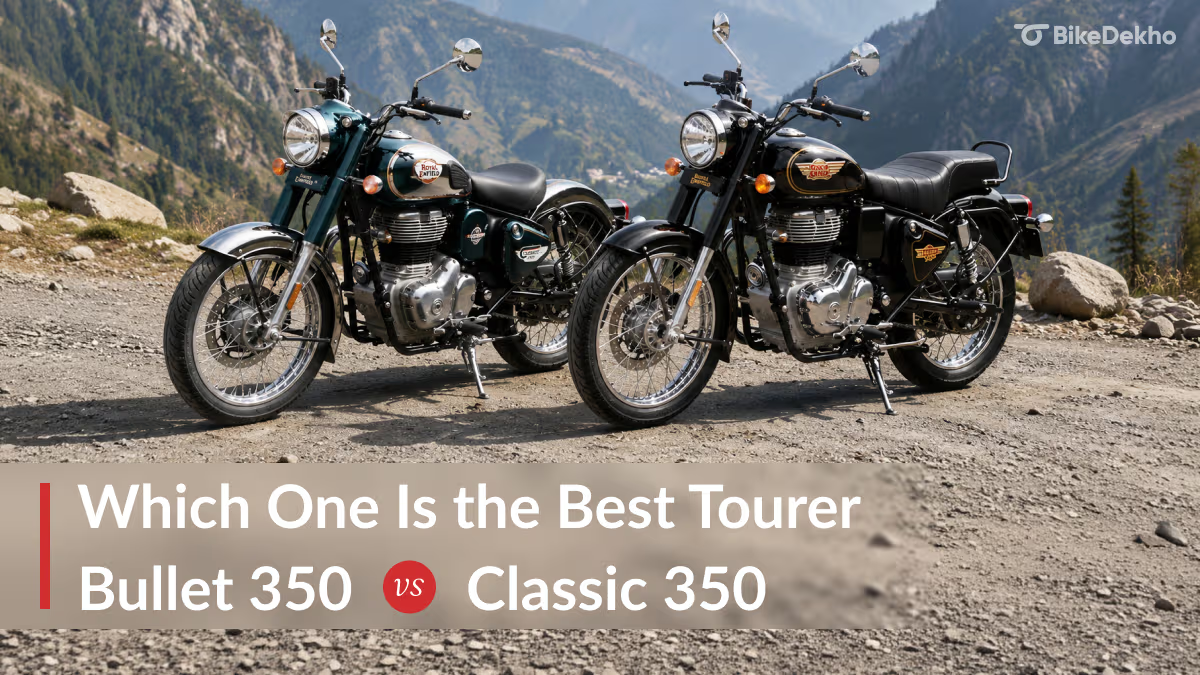
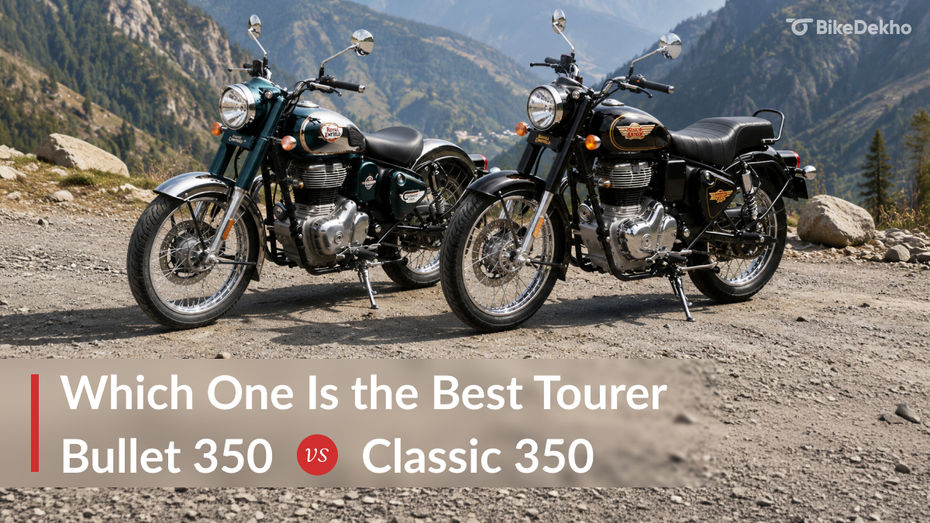
The Royal Enfield Bullet 350 & the Classic 350 both run the same 349cc J-series engine on the same frame, which raises an obvious question. Why do long-distance riders keep arguing over which one to buy?
Wheel type, handlebar shape, seating, the instrument cluster: none of these show up in a numbers comparison, yet all of them change how a bike feels once the tarmac runs out or the highway stretches on for hours. This comparison looks at both machines on smooth expressways and rough mountain passes, and weighs whether the price difference between them is worth paying.
Official Pricing and Variant Range
| Motorcycle | Ex-Showroom Price (Delhi) |
|---|---|
| Royal Enfield Bullet 350 | Rs 1,65,656 – Rs 2,09,572 |
| Royal Enfield Classic 350 | Rs 1,87,434 – Rs 2,23,275 |
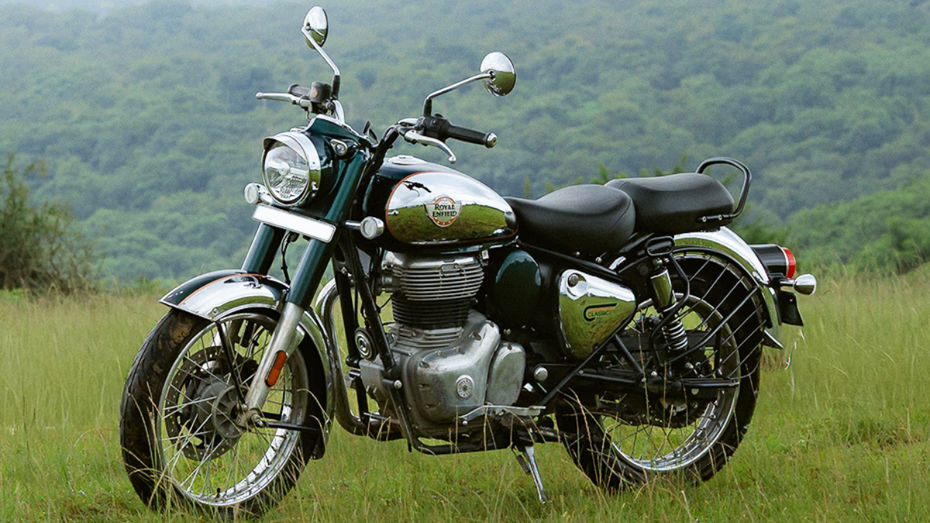
So, the entry-level gap is about Rs 22,000. But if tubeless tyres are the reason to pick a Classic 350, that means the Dark or Gunmetal trim, which puts the real difference closer to Rs 30,000-50,000.
Core Mechanical Similarities
Strip away the badging, and these two are mechanically close to identical, sharing the engine, the frame, and most of the other mechanicals. Anyone hoping to find a performance edge in one over the other won’t find much to work with. The table below outlines the similarities:
|
Technical Parameter |
Shared Specification |
Why It Matters on Tour |
|
Engine Output |
349cc single-cylinder, 20.2 BHP @ 6,100 rpm / 27 Nm @ 4,000 rpm |
Enough low-end torque to pull a loaded bike up a steep pass without stalling |
|
Wheelbase |
1,390 mm |
Good stability at highway speeds |
|
Ground Clearance |
170 mm |
Enough room to cross a rocky stream bed without hitting the underside |
|
Seat Height |
805 mm |
5’4” / 5’5” or below riders might have to tip-toe a bit, but taller riders can flat-foot |
|
Kerb Weight |
195 kg |
Holds its line in mountain crosswinds, though the weight is noticeable at low speed on broken roads |
|
Fuel Capacity |
13 litres, roughly 350-400 km range |
A workable distance between fuel stops in remote hill stretches |
|
Suspension Travel |
41 mm telescopic forks (130 mm travel) / twin shocks (100 mm wheel travel) |
Absorbs broken tarmac, ruts and expansion joints reasonably well |
Whatever separates these two bikes, then, isn’t coming from the powertrain or the chassis.
Smooth Highways and Expressways
Puncture Management
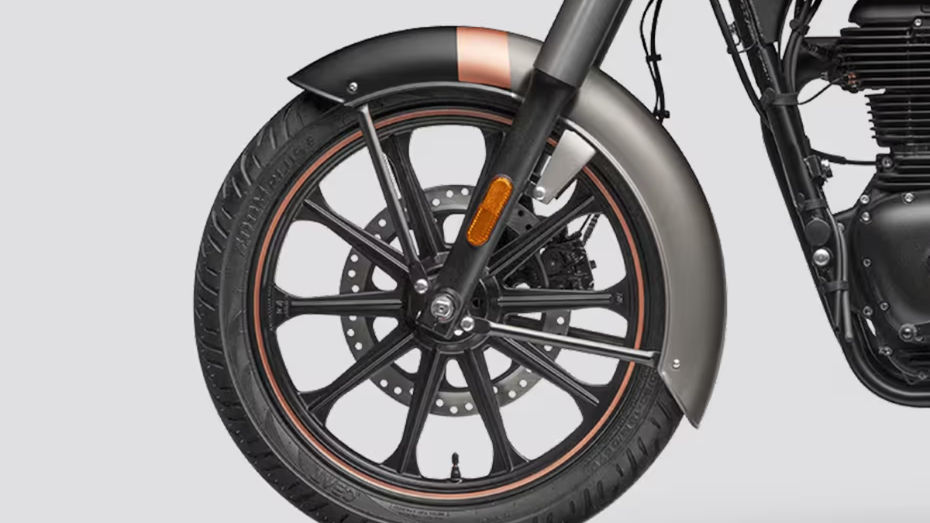
A puncture on the Bullet’s tube tyres means hauling a 195kg bike onto its centre stand and pulling the rear wheel off roadside. The Classic 350’s Dark and Gunmetal trims feature tubeless alloys that let you plug a puncture in two minutes with a handheld kit. When you are stranded 50km from the nearest mechanic, this single feature is an absolute lifesaver.
Wind Protection
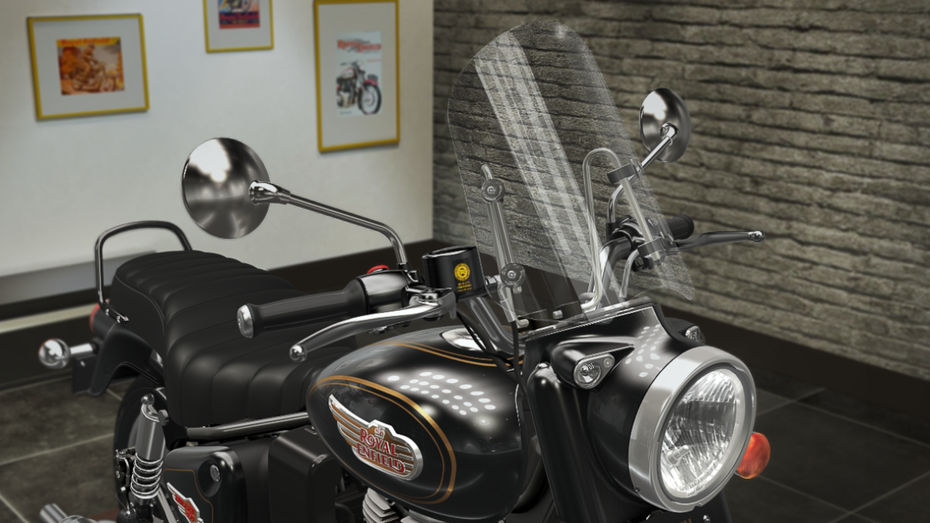
Both the Bullet and the Classic have upright riding posture, so you will be susceptible to wind blasts at speeds above 90kmph. Thankfully, both bikes are compatible with Royal Enfield’s official Clear Touring Screen (costs Rs 3,900), which minimises windblast on either bike.
Instrument Console
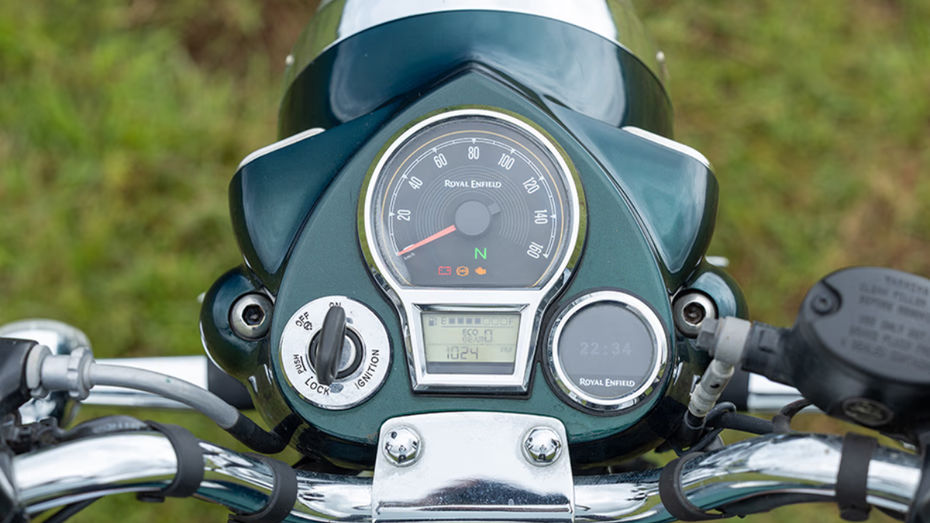
The Royal Enfield Bullet 350 relies on a basic digi-analogue cluster that covers only the bare essentials. The Classic 350 adds a gear position indicator, which is a small but practical detail when you need to quickly check your gear before a high-speed highway overtake. It takes the guesswork out of cruising at pace. Turn-by-turn navigation pod is optional on the Bullet and standard on select variants of the Classic 350. It gets the job done, but mounting a phone for full-fledged navigation is the better way to go.
Cruising Speed
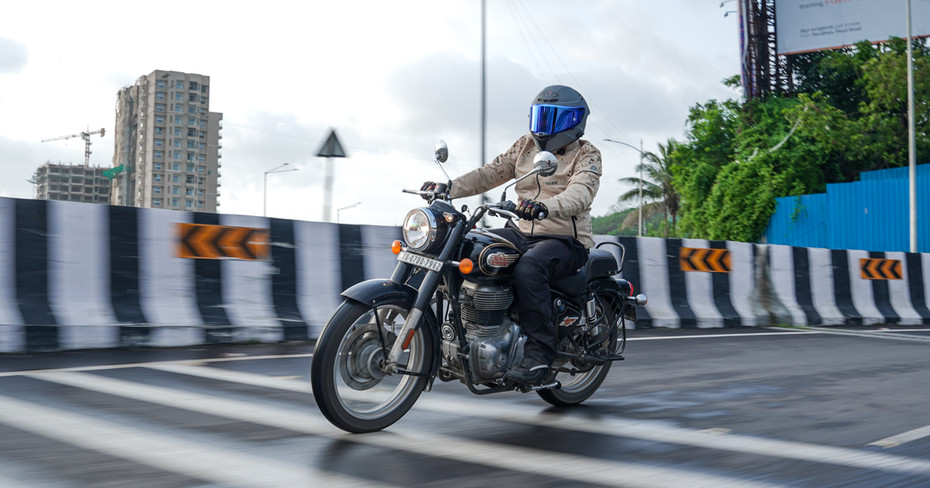
Both motorcycles settle into the exact same 80 to 90 kmph sweet spot on the open road. Vibrations start creeping into the footpegs past 100 kmph on both machines. Purely in terms of engine performance and highway cruising pace, nothing separates the two. In our opinion, the sweet spot for the two bikes are decent enough for most riders as anything more isn’t practical (over long distances) on our unpredictable Indian roads.
Clutch Action
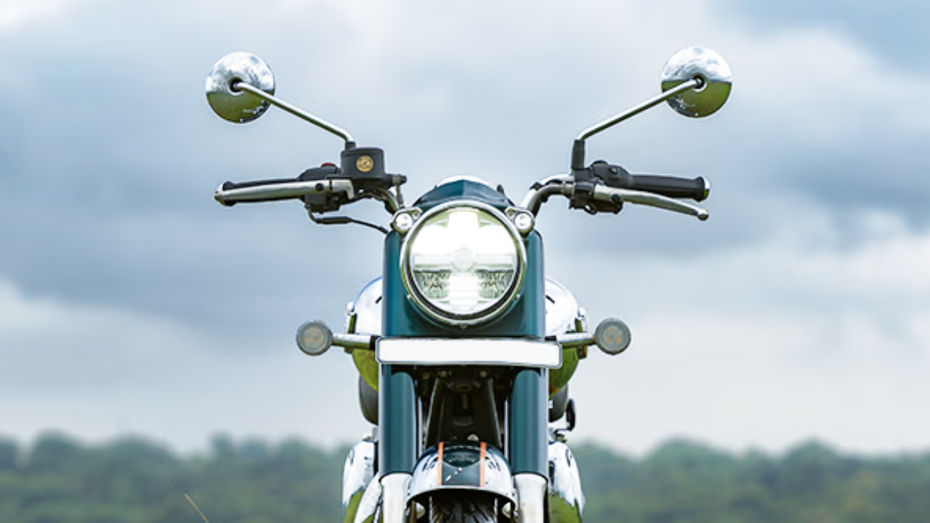
The Bullet 350 uses a traditional clutch setup that can tire your wrist in heavy traffic or toll queues. Dual-channel ABS variants of the Classic 350 feature an Assist and Slipper Clutch. This setup provides a much lighter lever pull and keeps the rear wheel composed during aggressive downshifts on mountain roads.
On long expressway runs, the Classic 350 is the clear winner. The safety net of tubeless alloys paired with a lighter slipper clutch makes full-day highway stints far less tiring.
Bad Roads, Off-Road and Himalayan Trails
Rim Durability
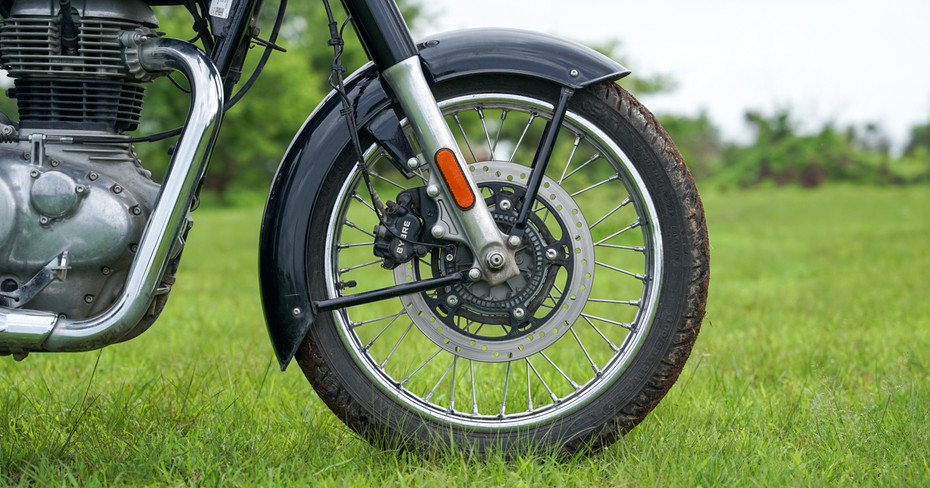
The Bullet 350’s spoked steel rims tend to bend rather than crack when they take a hard hit from a rock. This kind of damage can be worked out or fixed at almost any roadside garage. The Classic 350’s alloy rims, by contrast, can crack outright from a sharp, high-speed impact. So, a cracked alloy wheel is a far more serious problem to deal with in the middle of a mountain pass.
Seat Space And Luggage Mounting
The Bullet’s single-piece contoured seat might give you a bit more wiggle room when riding with a pillion. On the other hand, the Classic 350 gets a split seat setup dedicated for the rider and the pillion.
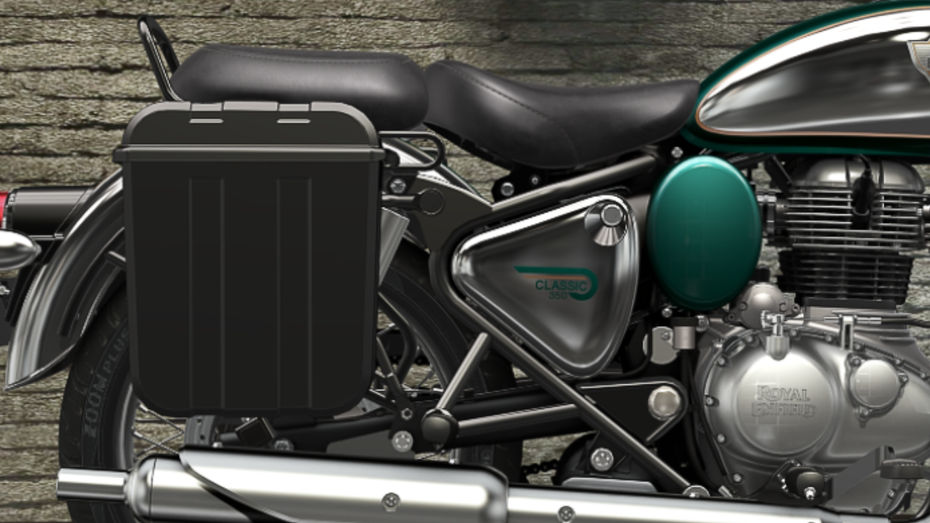
Both are compatible with cushioned pillion backrests that greatly enhance pillion comfort over long rides. It’s important to note that on the official customisation page, both bikes are offered only with a single 12.5-litre hardcase lockable pannier, priced at Rs 2,330. You may find better aftermarket options including double panniers with larger capacities. We’d recommend investing in saddle stays, and using soft panniers as they can easily be removed.
Final Verdict: Which Bike Should You Buy?
BikeDekho’s highway road tests lean toward the Royal Enfield Classic 350 for long expressway stints; features tubeless alloys, the new slipper clutch, and a more relaxed cruising character all add up over distance.
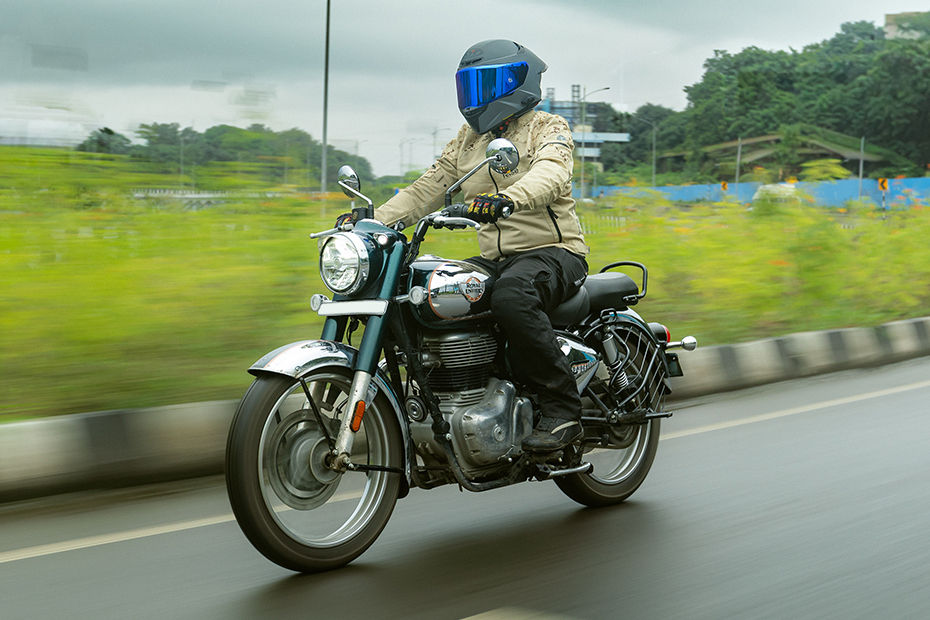
The Classic 350 makes sense for riders covering mostly expressway distance, who’d rather have tubeless tyres for peace of mind and appreciate the lighter clutch and gear indicator enough to pay extra for them.
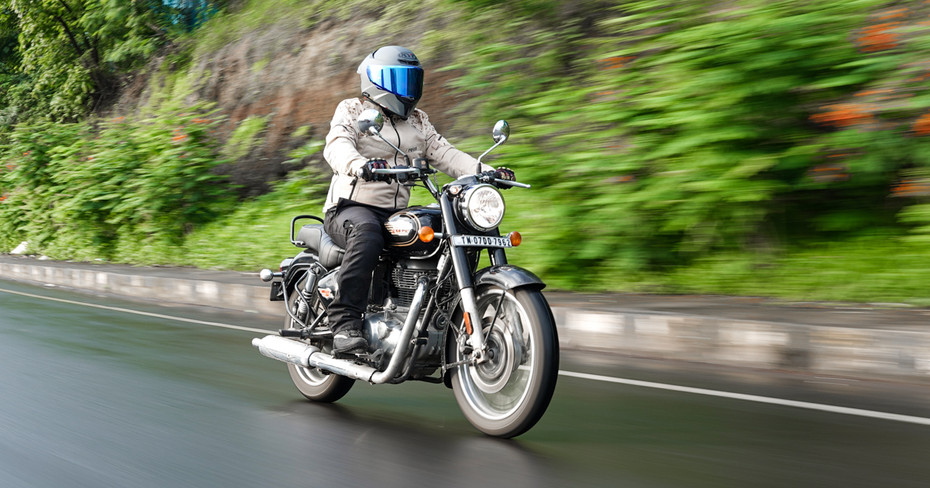
The Bullet 350 is good for those who don’t mind the retro look, and are ready to live with tubed tyres. Plus, saving Rs 30k or more on the purchase price frees up a serious budget for crash guards, aux lights, and touring accessories or even extra fuel or better accommodation during your trips – depending on how you look at it.
Both motorcycles are capable tourers. The better choice depends less on outright performance and more on the kind of riding you plan to do most often.