



4 min readNew DelhiMay 14, 2026 08:56 PM IST
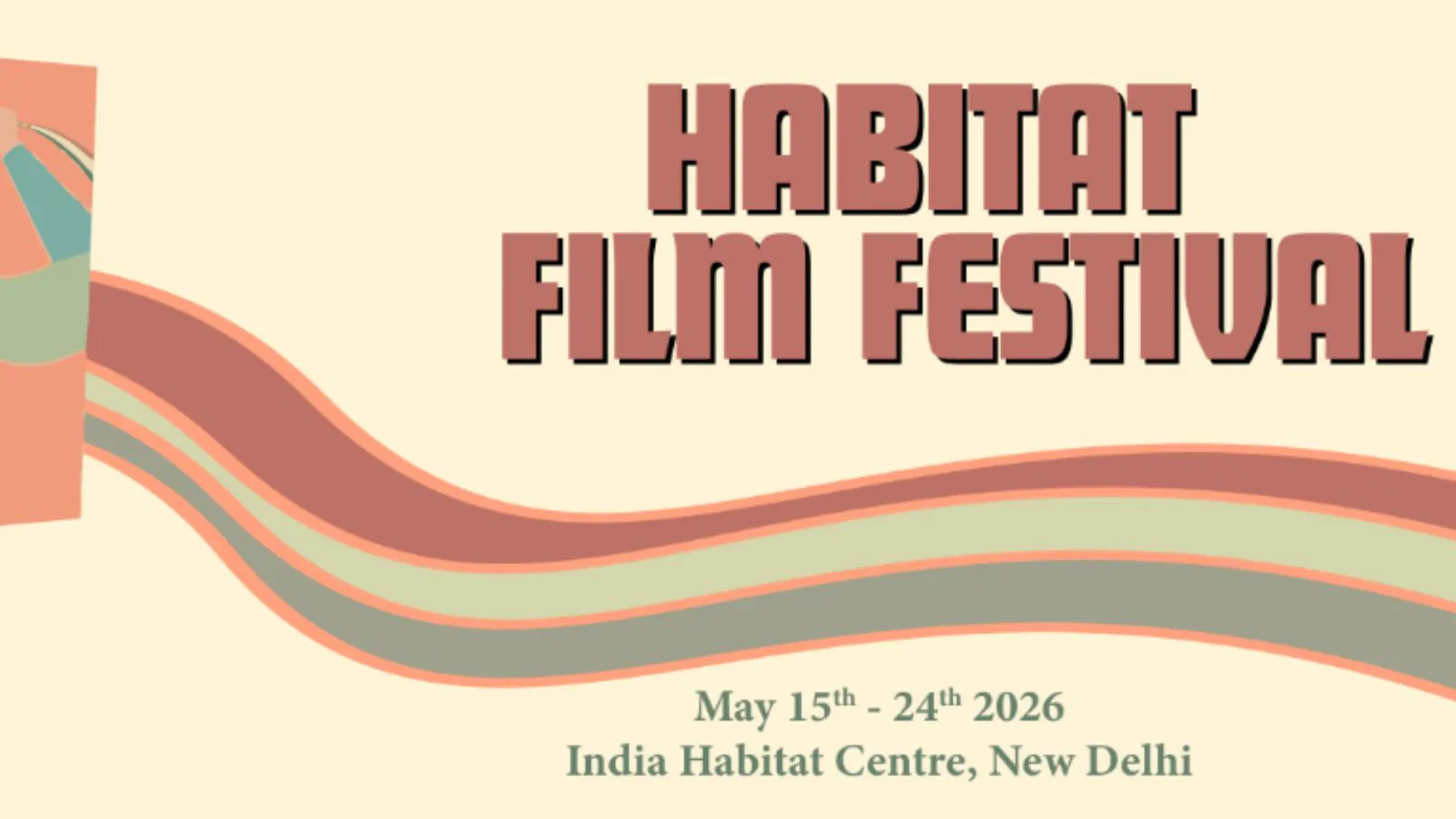
The 18th edition of the Habitat Film Festival (HFF) will begin on May 15 at the India Habitat Centre (IHC) in New Delhi and conclude on May 24. It will showcase some of the best films released over the past year while also featuring restored classics, retrospectives, short films, documentaries, and conversations with filmmakers.
“The 18th edition is curated around the overarching idea of resilience and the indomitable human spirit,” says Professor KG Suresh, Director of the India Habitat Centre and HFF. He adds, “While previous editions have often celebrated anniversaries, regional diversity, or master filmmakers, this year we consciously tried to bring stories that speak of hope, quiet courage, and recovery — both personal and collective.”

The festival did not come together quickly; the selection process was a year-long labour of love. Suresh says, “Our programming team started by watching over 200 films — features, documentaries, and shorts — spanning festivals, independent submissions, and direct outreach to filmmakers. From this longlist, we shortlisted around 60 titles.”
This year also marks the first time the IHC is collaborating with the Indian Documentary Producers Association (IDPA) and the Film and Television Institute of India (FTII), Pune, both of which will be bringing their own curated selections to the festival.
The festival will open with the screening of the Malayalam film Moham (Desire), directed by Fazil Razak. Moham recently won the Best Film Award at the 2026 Moscow International Film Festival. A discussion with Razak will follow the screening.
The contemporary selection of films at HFF also includes Neeraj Ghaywan’s Homebound, Rohan Kanawade’s Sabar Bonda, Jeejivisha Kale’s Tighee (Marathi), Pradip Kurbah’s The Elysian Field (Khasi), Badiger Devendra’s Vanya (Kannada), and Ram’s Paranthu Po (Tamil).
This year’s retrospective pays tribute to the works of Ritwik Ghatak. Four of his major films — Meghe Dhaka Tara, Komal Gandhar, Subarnarekha, and Jukti Takko Aar Gappo — will be screened at the festival, offering a rare opportunity for audiences who have only heard his name to dive into his filmography.
Story continues below this ad
The festival also pays tribute to renowned playback singer Asha Bhosle with a restored screening of Umrao Jaan. Through the screening of Hindi film Chupke Chupke, it further celebrates the comic legacy of Bollywood actors Dharmendra and Asrani. The programme additionally includes a curated package of short films and documentaries from FTII, works nominated by the Film Critics Guild, a selection by the IDPA, and short documentaries from the Public Service Broadcasting Trust (PSBT).
Two-time national award-winning filmmaker Kamakhya Narayan Singh will conduct a session titled From Research to Reel: Crafting Feature Film Stories, while animation filmmaker Dhvani Desai and critic Murtaza Ali Khan will lead a talk titled Animation Storytelling: India vis-à-vis the World.
An exhibition developed in collaboration with the Indira Gandhi National Centre for the Arts (IGNCA) will run throughout the festival at the Convention Centre Foyer at IHC. “The exhibition is a curated display of Indian film posters from the 1950s to the 1990s…. We wanted the posters to echo the festival’s theme of resilience, so we selected artwork that chronicles the evolution of our cinema through periods of technological change and social upheaval. Here, one will see the history of Indian cinema and its growth,” adds Suresh.
Prioritising accessibility, entry to the festival will be free of cost and require only a simple online pre-registration.
Story continues below this ad
On the importance of a film festival, Suresh says, “A festival does what no streaming platform can: it creates a shared, intentional space for discovery. When you watch a Malayalam, Assamese, or Manipuri film at home, it’s a private transaction between you and the screen. But in a festival, you’re surrounded by a community of curious viewers, the filmmaker is often present, and the post-screening conversation gives the film a second life. The festival becomes a temporary cultural commons where cinema is debated, felt collectively, and remembered”.