








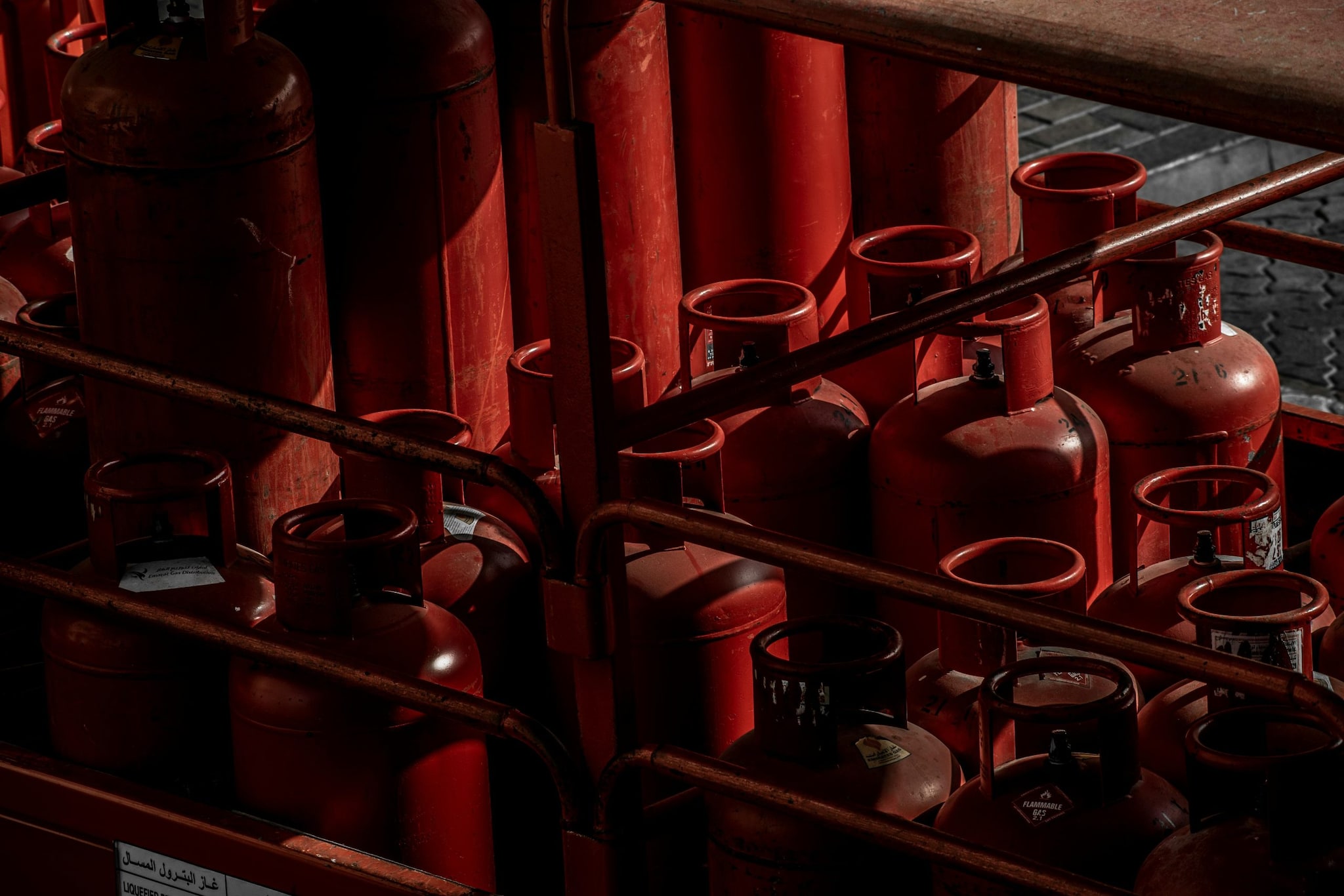
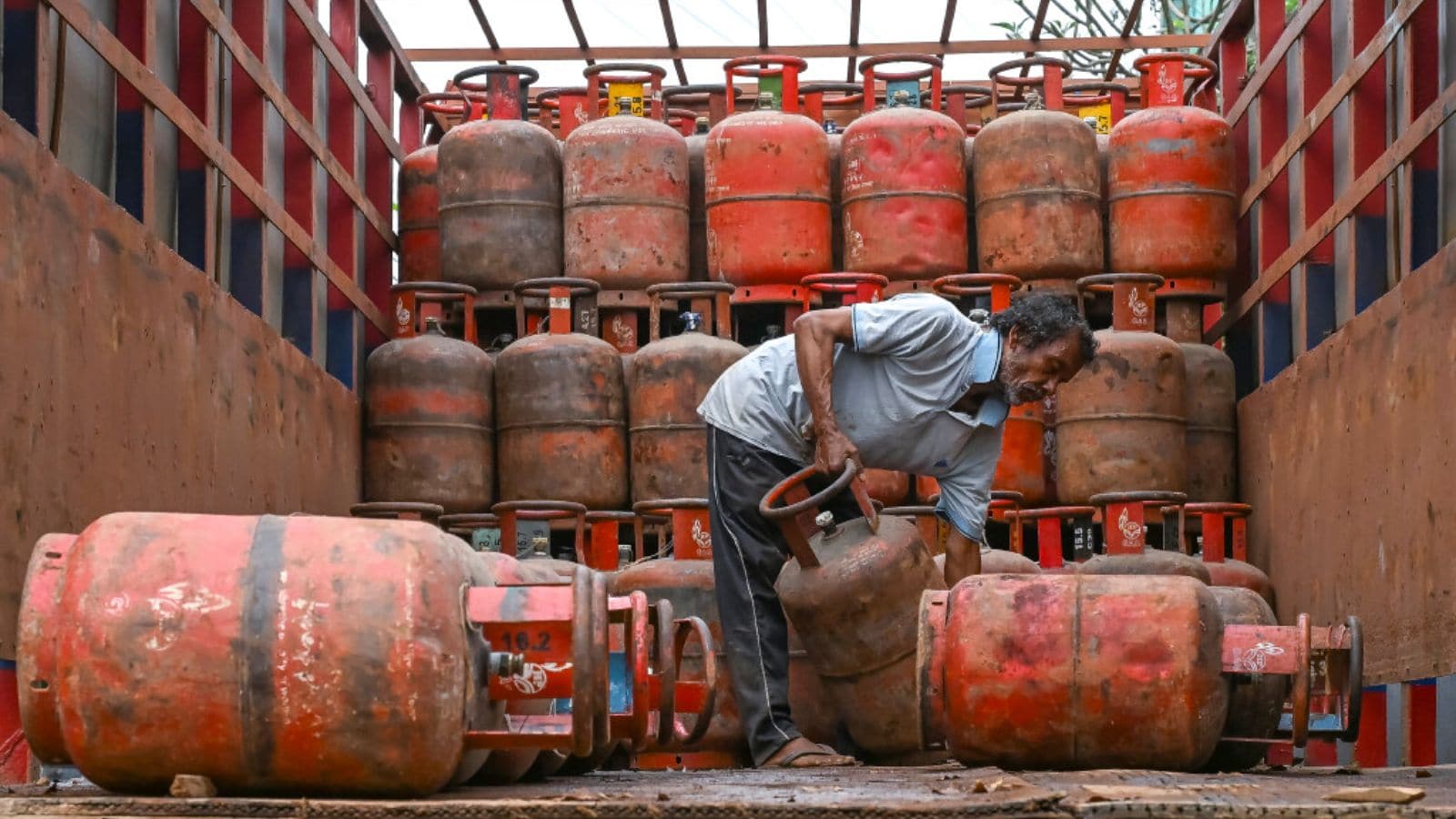
LPG cylinders used in households often have markings like A-24, B-26, C-25 or D-27 stamped on the metal ring near the top of the cylinder. While most users overlook these markings, it plays an important role in safety and maintenance. (File Photo)

The letters and numbers stamped on the top ring of an LPG cylinders indicate the next due date for safety testing. LPG cylinders are periodically checked and tested to ensure they are safe for use. The markings usually consist of a letter followed by a number, such as A-24 or B-26. (File Photo)
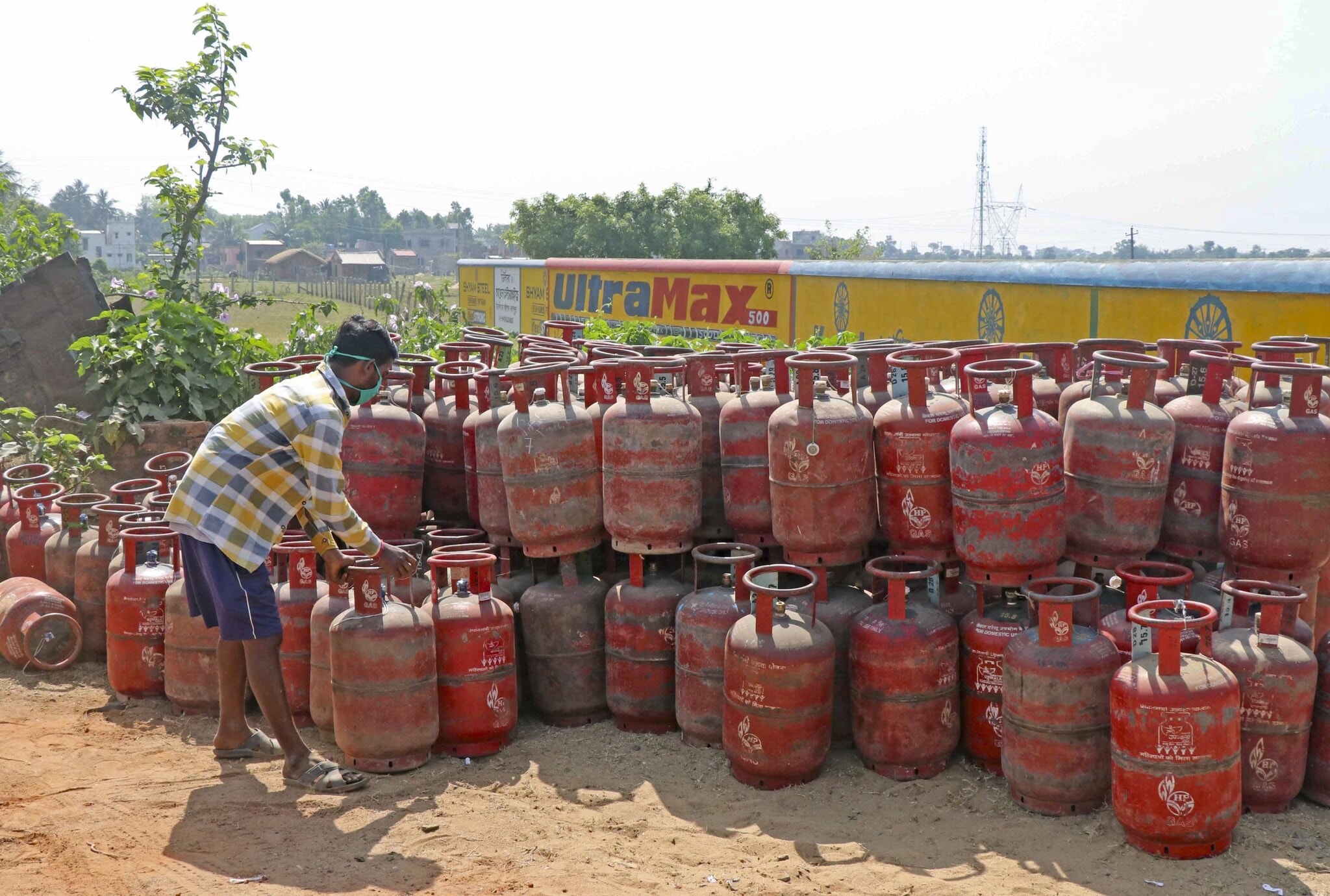
The letter represents the quarter of the year in which the cylinder must undergo its next safety test.
A: January to March
B: April to June
C: July to September
D: October to December (File Photo)
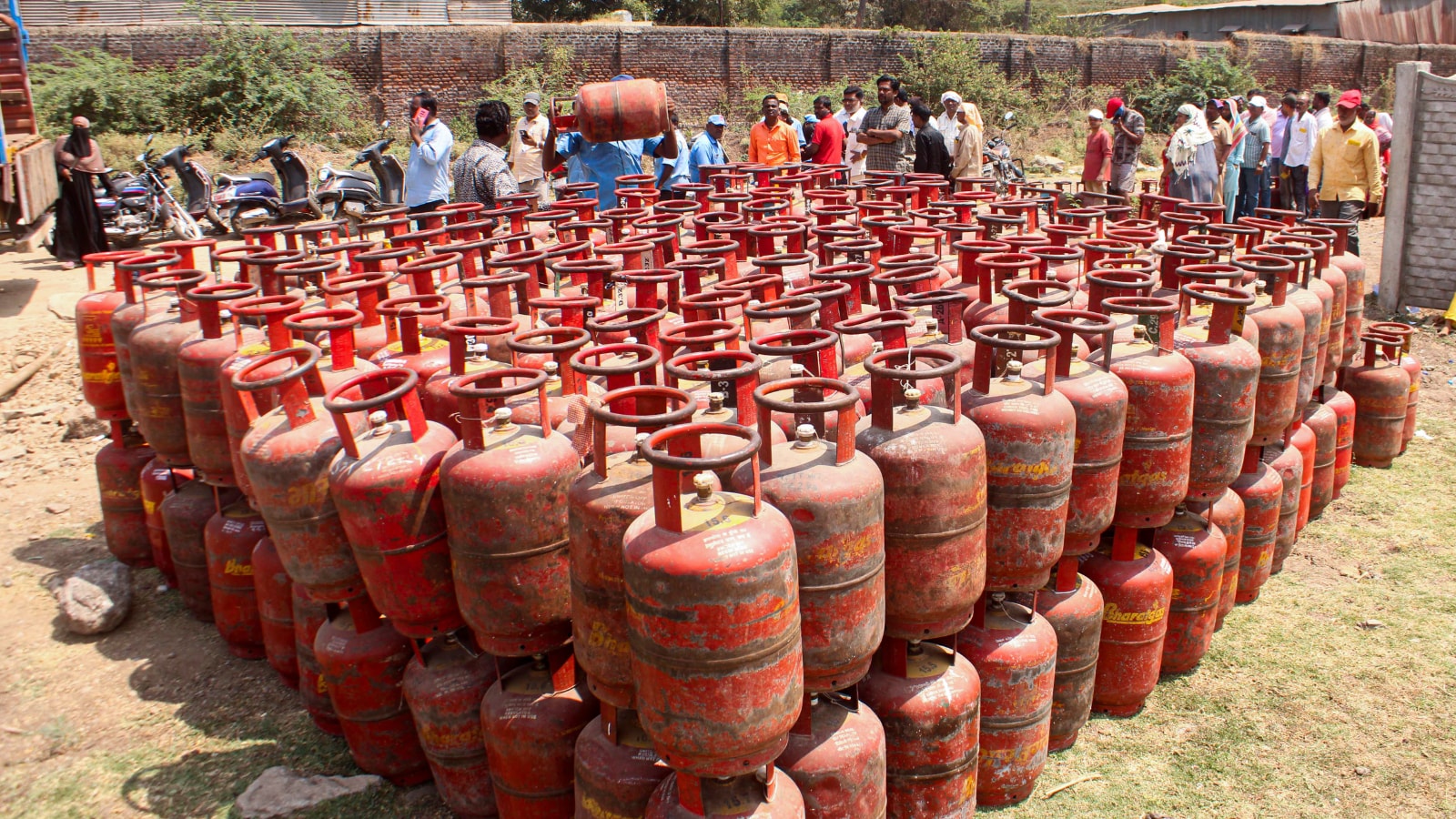
The numbers after the letter refers to the year in which the cylinder is due for testing. For example, B-26 means the cylinder is due for testing between April and June 2026. (File Photo)
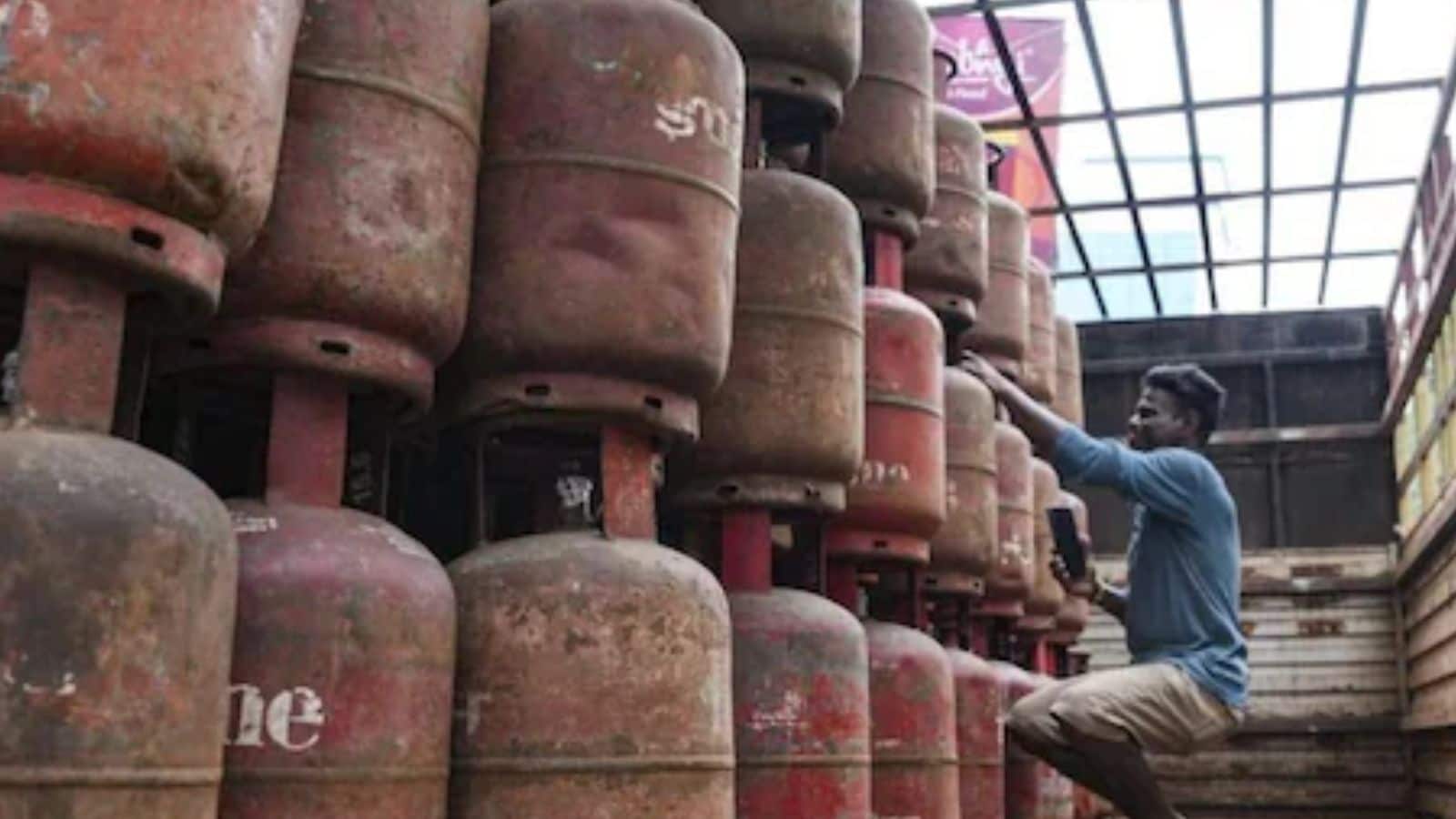
LPG cylinders operate under high pressure, so periodic testing is essential to detect issues such as leaks, corrosion or structural damage. (File Photo)
Using a cylinder that has crossed its testing deadline can increase safety risks. Hence, consumers are advised to check the marking when a new cylinder is delivered. (File Photo)