





4 min readNew DelhiJun 29, 2026 09:00 PM IST
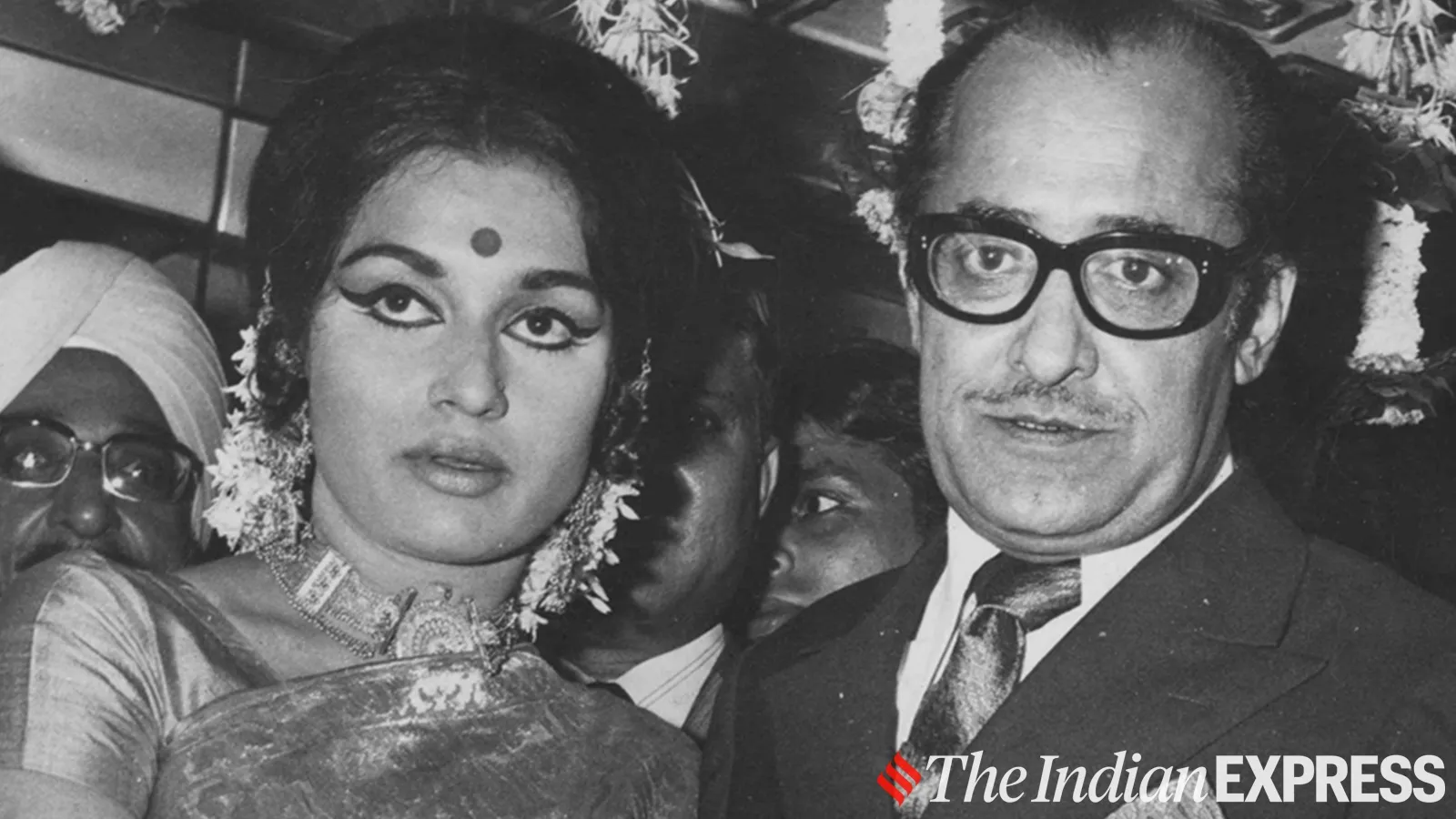
Relationships don’t always follow a conventional path, and not every meaningful emotional connection leads to marriage. Veteran actor Asha Parekh once reflected on her bond with filmmaker Nasir Hussain, describing a relationship that was both deeply personal and widely known in the film industry. Hussain had launched her as a leading actor in Dil Deke Dekho (1959), and the two went on to collaborate on several successful films.
Speaking to journalist Subhash K Jha, Asha Parekh shared that she has always believed in acknowledging love rather than concealing it. “Yes, Nasir Saab was the only man I ever loved. It is not respectful to those whom we love if we don’t acknowledge their presence to the world.”

She added that, for her, expressing her feelings openly has always felt important. “I don’t know about others. And I won’t comment on what others feel about this. For me, it is important to acknowledge my feelings. And, I am proud to do so.”
DISCLAIMER: This article is based on information from the public domain and/or the experts we spoke to.
Addressing long-standing perceptions about their relationship, she clarified that there was no secrecy or conflict involved. “Because I wasn’t! There was nothing secret about our association. Nasir Saab’s wife was in the know. We shared a very warm and cordial equation. I knew there was never going to be marriage or anything. I was just happy to be a small part of his world.”
She also spoke about how she viewed her role in the relationship, firmly rejecting labels often attached to such situations. “I was never a homebreaker. There was never any ill will between me and Nasir Saab’s family. In fact, when my biography (by Khali Mohamed) was launched, I was so happy to see Nusrat (Hussain’s daughter) and Imran Khan (grandson) at my book launch. I feel I’ve lived my life decently and without hurting anyone.”
In a 2019 interview with Verve magazine, she also mentioned: “I know I admitted to being in love with Nasir Hussain in The Hit Girl, but as much as I loved him, I could never consider breaking up his family and traumatising his children. It was far simpler and satisfying to be on my own. Make no mistake, it wasn’t like I didn’t want to get married. In fact, my mother was very keen on it and had even assembled my trousseau in advance. I met my share of boys, but the end result was always the same — they weren’t the right kind of men for me. Over time, my mother also gave up her dream of seeing me as a bride because whoever she showed my horoscope to would say my marriage wouldn’t be a successful one. It was not the kind of thing I believed in, but it did grant me some semblance of peace.”
Story continues below this ad
But why do some people choose to remain in meaningful relationships that do not lead to marriage?
Psychologist Rasshi Gurnani tells indianexpress.com, “Some individuals remain in relationships that do not lead to marriage because the connection fulfils core emotional needs such as companionship, intimacy, validation, and a sense of belonging without the pressures of formal commitment.”
She adds that psychologically, these relationships “can meet attachment needs while allowing personal or situational constraints to remain intact.” For some, the bond itself holds more value than societal definitions of commitment. Such relationships can also offer emotional stability and identity reinforcement, especially when both individuals share mutual understanding.
How can individuals navigate love and attachment while respecting boundaries?
Navigating love and attachment in such contexts requires strong emotional awareness and clear boundaries. Gurnani suggests, “Individuals need to differentiate between emotional needs and realistic expectations, ensuring they do not create internal conflict. Respecting boundaries involves open communication, acknowledging limitations, and avoiding dependency that compromises self-respect.”
Psychologically, she states that it is about maintaining secure attachment while regulating desires that cannot be fulfilled. This balance helps prevent emotional distress and preserves the integrity of the relationship without forcing it into a structure it cannot sustain.
Story continues below this ad
DISCLAIMER: This article is based on information from the public domain and/or the experts we spoke to.