




Last Updated:
The BJP’s assertive use of Hindu identity politics played a key role, alongside long-standing tensions among sections of Assamese Hindu voters toward Bengali Muslims




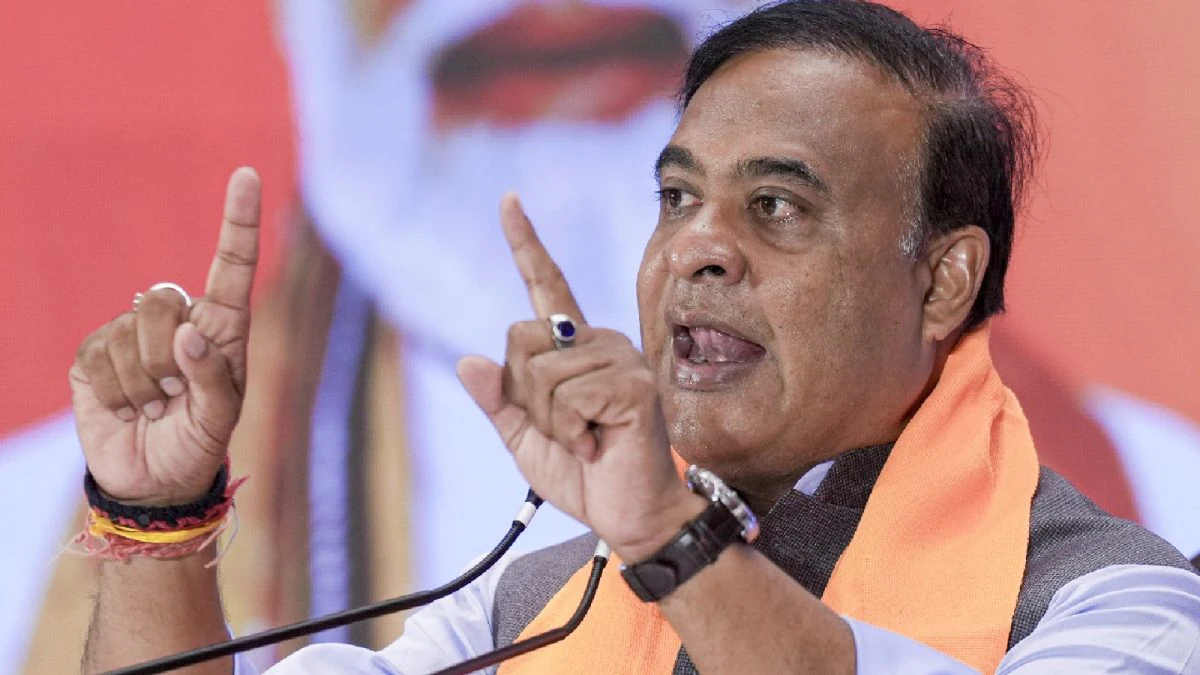
Assam Chief Minister Himanta Biswa Sarma. (File photo)
In Assam’s 2026 assembly elections, the battle for public opinion extended far beyond rallies and traditional campaigning, playing out intensely across social media platforms. A sustained and highly coordinated digital push by the Bharatiya Janata Party (BJP) and its supporters appears to have significantly influenced political narratives, particularly around identity, culture, and party loyalties.
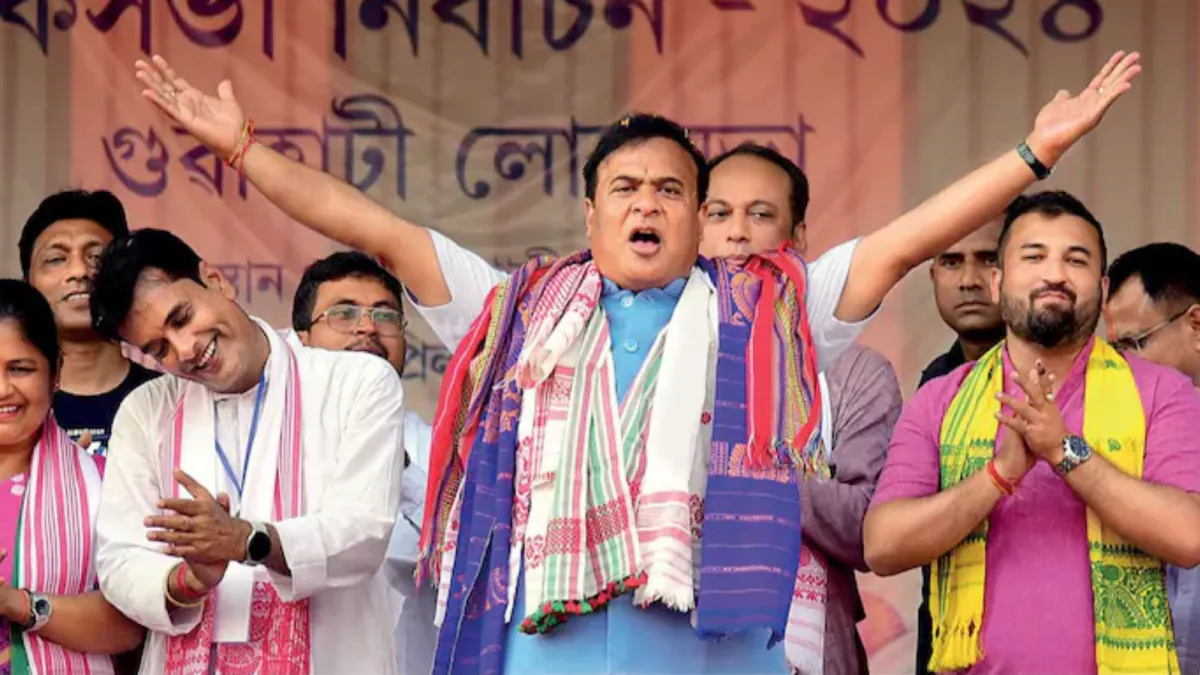
At the centre of this digital ecosystem was chief minister Himanta Biswa Sarma, widely portrayed online as “Mama”—a figure framed as both a guardian of Assamese identity and a leader driving development. Through a steady stream of memes, short videos, and youth-oriented content, pro-BJP handles amplified this image, presenting Sarma as a tireless and decisive leader.
At the same time, the Congress party faced a contrasting portrayal. Across multiple platforms, it was repeatedly labelled a “Miya party”, a term often used in Assam’s political discourse in reference to Bengali-origin Muslims. This framing was reinforced through posts, visuals, and commentary that highlighted allegations of the party’s support for illegal immigrants.
Opposition leaders, including Gaurav Gogoi and Kunki Chaudhary, were frequent targets of these campaigns. Viral content and coordinated messaging sought to undermine their credibility, contributing to a broader narrative that positioned the Congress as out of step with indigenous interests.
The impact of this digital strategy appeared to be reflected in online engagement trends. Pro-government content attracted significant traction, with large volumes of supportive comments and shares. Analysts observing the digital space noted recurring themes: Sarma’s image as a protector figure, rising distrust toward the Congress, and a perception among many users that Assamese cultural identity was under threat.
The election results further highlighted the Congress party’s challenges. The party lost Assam for a third consecutive time and secured only 20 seats, with just one Hindu MLA among them. In many Hindu-majority areas, its support base showed signs of erosion.
Observers point to several factors behind this shift. The BJP’s assertive use of Hindu identity politics played a key role, alongside long-standing tensions among sections of Assamese Hindu voters toward Bengali Muslims. However, the role of digital campaigning has drawn particular attention.
Over the past two years, a network of BJP supporters and affiliated social media accounts, reportedly numbering in the thousands, ran targeted campaigns using smaller platforms, influencers, and anonymous or “shadow” profiles. One such effort, referred to online as the “Paaijan” campaign, focused on Gaurav Gogoi, attempting to associate him with Pakistan. This narrative gained further traction after a state government-led Special Investigation Team reported links between Pakistani entities and Elizabeth, Gogoi’s UK citizen wife.
In parallel, other Congress leaders and commentators were labelled online with terms such as “Miya Lovers” or “Miya IT Cell”. Posts often highlighted images of Muslim attendees at Congress rallies or supportive comments from Muslim users, reinforcing the perception that the party’s backing came predominantly from minority communities.
The issue was further amplified when the chief minister publicly claimed that thousands of Bangladeshi Muslim Facebook accounts were being used in support of the Congress’s digital campaign. Such statements fed into an already active online discourse around identity and political allegiance.
Adding to the narrative were clips, some said to originate from Pakistan, circulated on social media praising Gogoi. AI-generated images and repeated comment campaigns across platforms like Facebook, Instagram, and X (formerly Twitter) contributed to a steady stream of messaging that portrayed the Congress as aligned primarily with Muslim interests.
By the time votes were counted, the cumulative effect of these efforts appeared evident. The BJP’s messaging had not only dominated the digital space but also shaped broader perceptions, raising questions about the growing role of online ecosystems in influencing electoral outcomes.
Assam, India, India
Read More