







Who Are Japan’s Ama Divers?
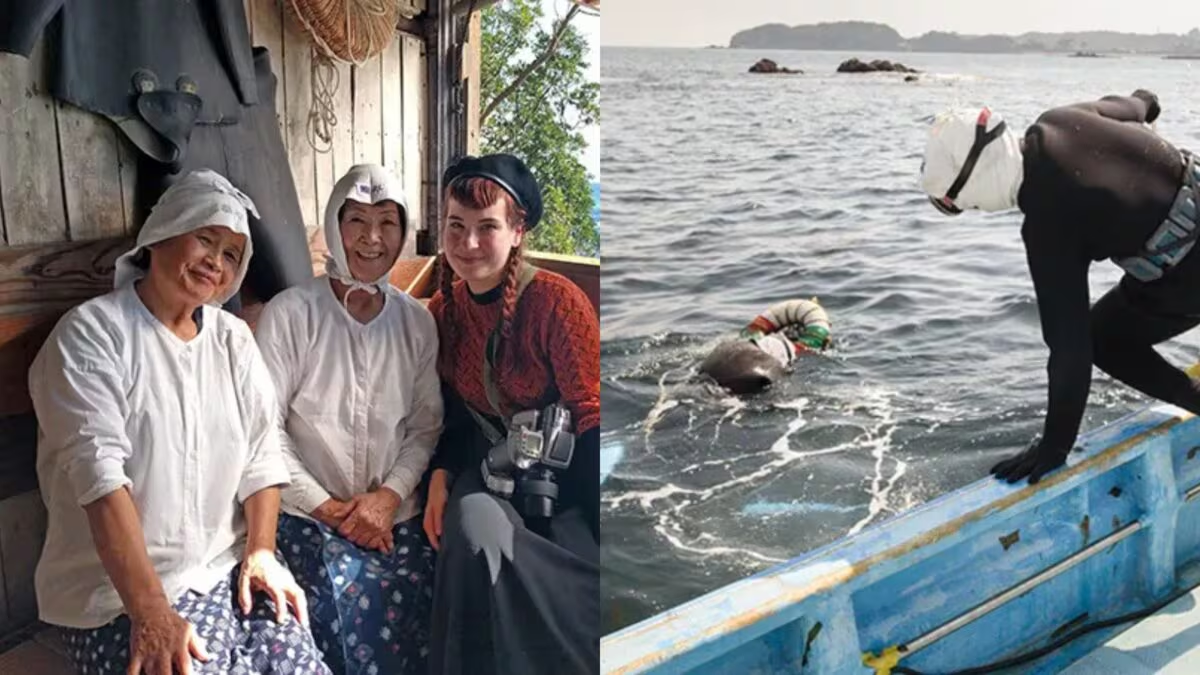
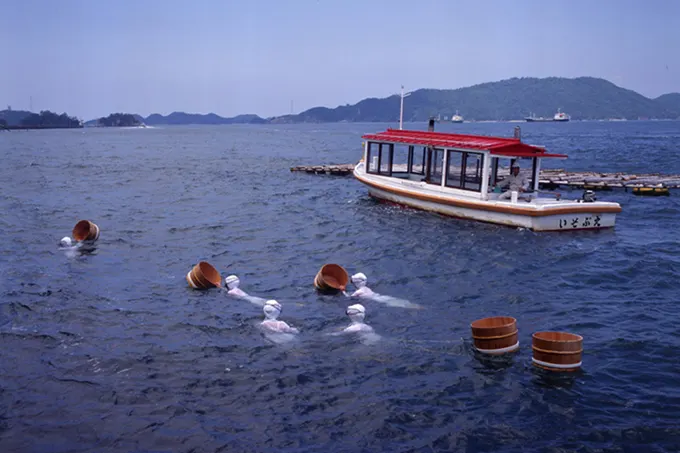
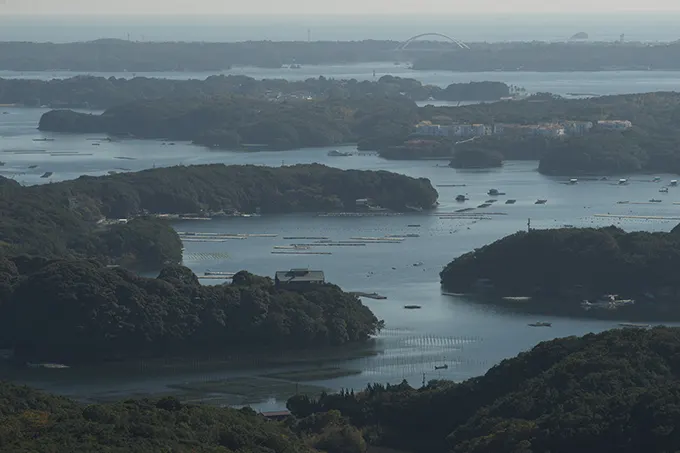
Along the rugged coastline of Japan’s Mie Prefecture lives a remarkable community of women known as ama. For over 3,000 years, these free-diving fisherwomen have plunged into the ocean without oxygen tanks to collect abalone, sea urchins, shellfish and seaweed from the seabed. Credit: Japan. travel
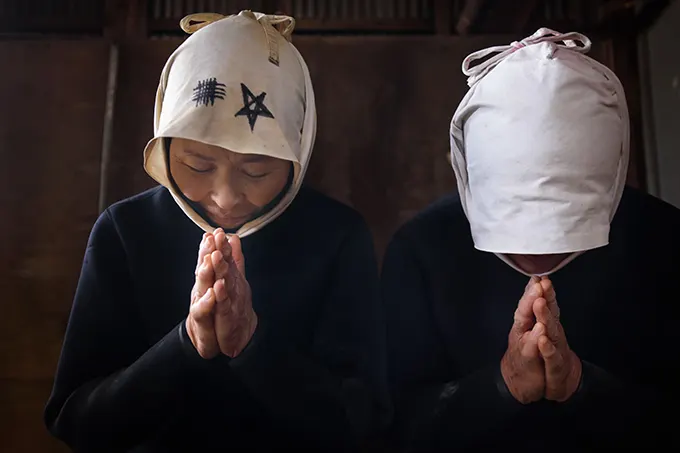
Unlike modern scuba divers, ama rely entirely on lung power. They dive repeatedly into cold coastal waters, harvesting seafood the same way generations before them did. Their skills have been passed down from mother to daughter for centuries. Credit: Japan. travel
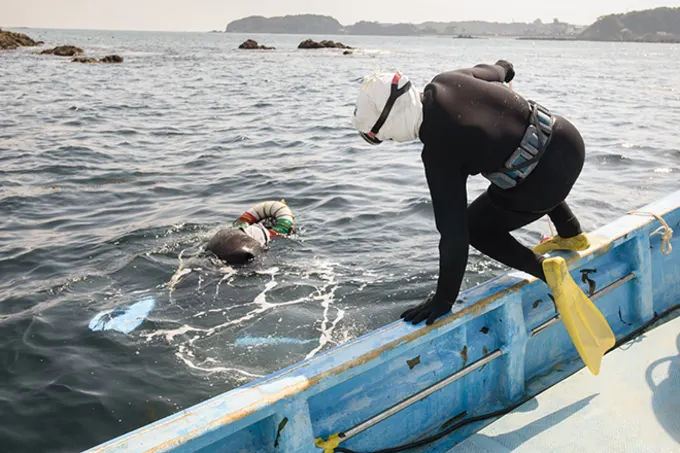
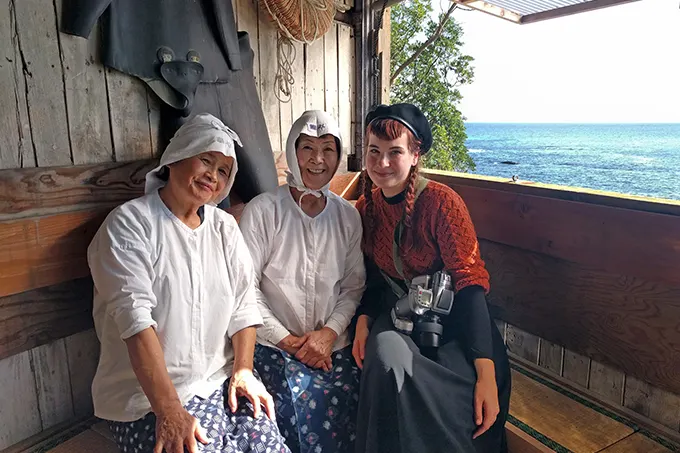
Traditionally, ama wore all-white outfits and headscarves while diving. Today, most wear wetsuits, but many still carry symbolic designs known as seman and doman—protective talismans believed to guard them against dangers at sea, including storms and sharks. Credit: Japan. travel
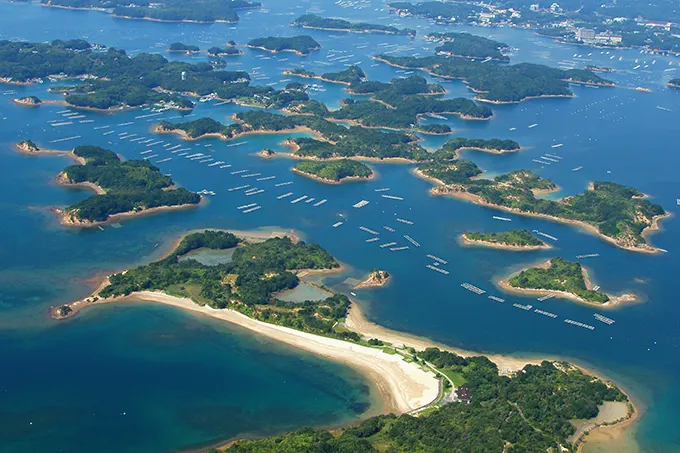
Ama played a crucial role in Japan’s pearl industry. At Mikimoto Pearl Island, visitors can still watch diving demonstrations and learn how these women once helped retrieve and protect pearl oysters, contributing to the world’s first cultured pearl farms. Credit: Japan. travel
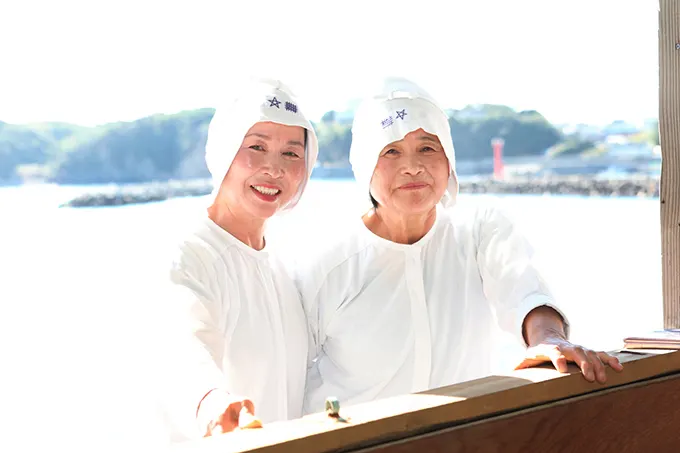
The number of ama has fallen dramatically. Japan had around 9,100 ama in 1978, but only about 2,000 remain today. Younger generations are choosing different careers, leaving one of Japan’s oldest traditions facing an uncertain future. Credit: Japan. travel
Ama are often praised as pioneers of sustainable harvesting. They limit dive times, follow strict seasonal rules and avoid overfishing by relying solely on breath-hold diving. Their traditional methods help protect marine ecosystems and preserve ocean resources. Credit: Japan. travel
Once their work is done, ama gather in small huts called ama goya. These cosy shelters are where they warm up, share meals, exchange stories and pass down centuries of knowledge. For many, the huts are the heart of ama culture—and the key to keeping the tradition alive. Credit: Japan. travel