






Last Updated:
The Indian Army is ushering in new dress regulations, replacing several colonial-era customs with updated uniforms, stricter grooming norms, and formal bandi jackets




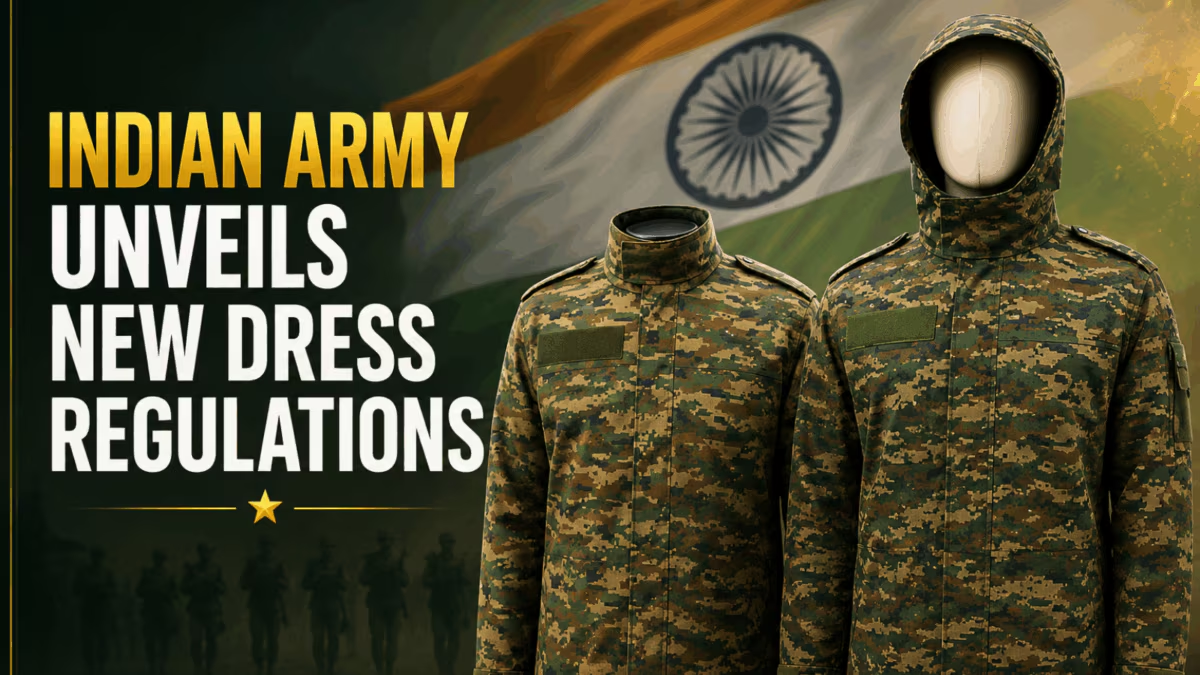
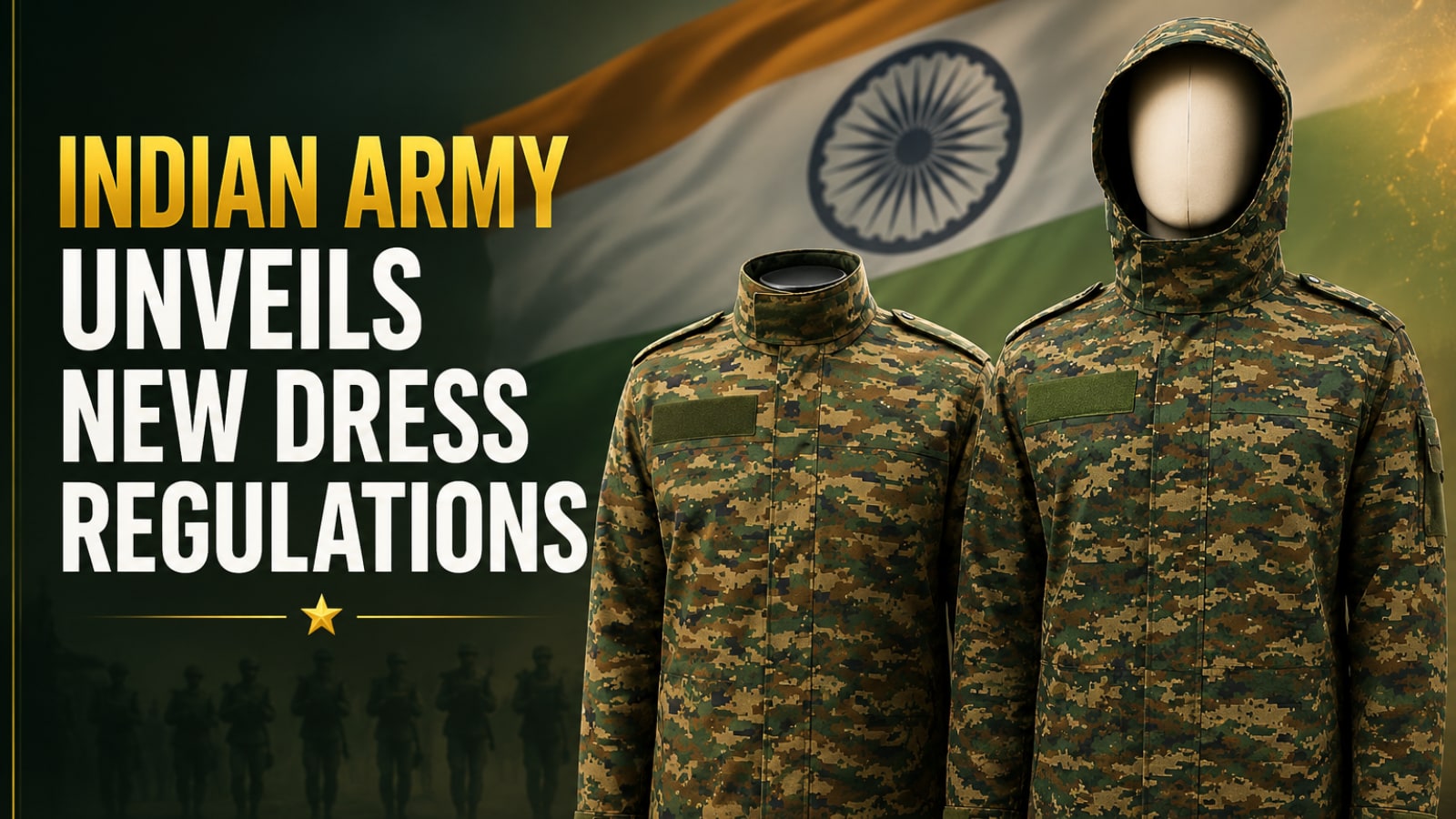
The Indian Army has introduced a fresh dress code that reflects a shift towards a more Indian-centric military identity (Image-AI)
The Indian Army has introduced a fresh dress code framework that reflects a shift towards a more Indian-centric military identity. The changes, outlined in the 174-page Army Uniforms-2026 manual, represent the most extensive update to Army dress rules in nearly a decade and include the removal of several colonial-era practices and symbols.
Among the most notable changes is the inclusion of the closed-neck bandi jacket in the formal dress code for officers. The move is being seen as part of a wider effort to reduce the influence of colonial-era customs and adopt attire that better reflects India’s evolving national identity.
The manual removes ceremonial pouch belts from several formal dress categories and ends the requirement for reviewing officers to carry swords during parades.
According to the Army, the revisions are intended to modernise regulations while preserving operational effectiveness and military traditions. The manual notes that several adjustments have been introduced after reviewing what it describes as “residual colonial-era vestiges,” ensuring that military customs remain relevant to contemporary India.
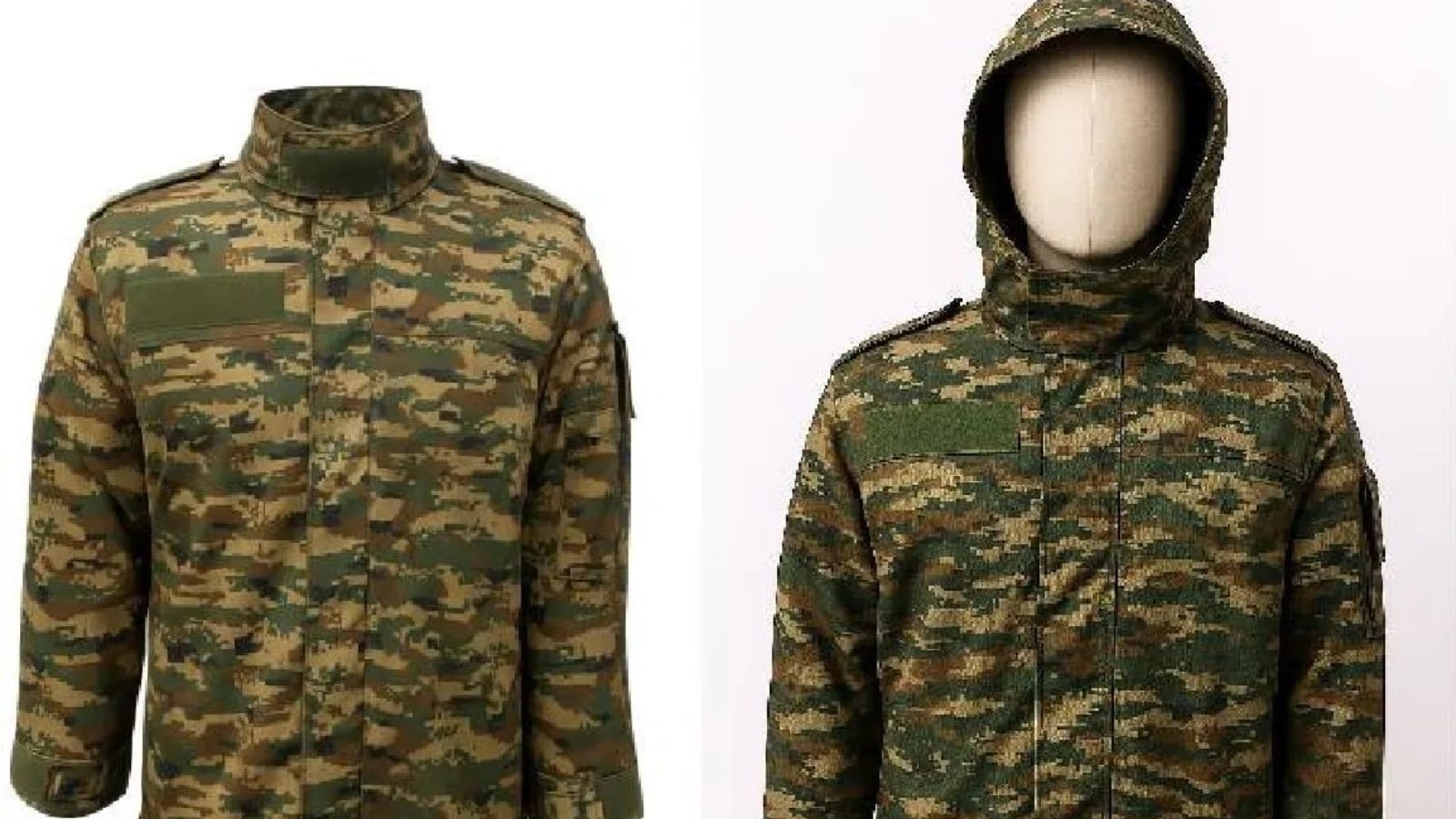
A new winter uniform, designated as Dress 3B, has also been introduced for personnel across all ranks. The ensemble includes an Angola shirt, battle jacket and beret.
Officers are now formally permitted to wear bandi jackets alongside existing ceremonial and formal attire such as bandhgala suits, lounge suits, combination dress or a full-sleeve shirt paired with a tie and formal trousers. The guidelines specify that the jacket should be in a sober, solid colour and worn with matching formal trousers and closed shoes.
The revised regulations further remove colonial-era terminology from official usage, including the word “royal,” which had remained embedded in certain military references.
In the foreword to the manual, Adjutant General Lieutenant General VPS Kaushik described the update as a deliberate effort to align Army dress regulations with contemporary Indian ethos through the gradual removal of outdated colonial practices, accoutrements and terminology.
The reforms come amid a broader push by Prime Minister Narendra Modi’s government encouraging the armed forces to adopt more indigenous traditions and move away from symbols inherited from British rule.
Beyond uniforms, the manual introduces and reiterates strict grooming and appearance standards. Tattoos and body piercings remain prohibited, while soldiers are not allowed to wear bracelets in uniform except for a single sacred thread on the day of a religious ceremony. Religious symbols and markings are generally restricted, with exemptions granted to Sikh personnel.
The regulations also specify that moustaches must not exceed 12 centimetres in length. The use of deodorants and perfumes while in uniform has been prohibited, although after-shave lotions remain permissible.
For women officers, the dress code authorises sober-coloured sarees and kurta-salwar combinations featuring ankle-length straight pants and dupattas. Sleeveless kurtas, palazzo pants and cigarette pants are not permitted.
Cosmetics have also been regulated, with lipstick, coloured nail polish, bindis and nose pins barred while in uniform. Sindoor may be worn, provided it remains concealed beneath a beret or peaked cap.
The changes sparked debate on social media after details of the revised regulations were shared by X user @Indiantechguide. The post quickly gained attention, drawing a wide range of reactions from users.
“To be honest I dont like this uniforms at all. Tatoos should be allowed, its absolutely stupidity to not allow this, Womens should be allowed as well. India needs to give training to every student passing after passing 12th 6 month of training to all of them,” said one user.
“The overall training quality of Indian Army has gone down a bit which needs to be improved. Mostly due to increase in active social media participation and too much political interference. Dress upgrades make no difference, as it is also politically inclined,” said another.
“What is the change only the combat? Like is it change of No. 7 or something else? Can updated one be provided all dress no.?” questioned a third user.
“Tatoo and piercing was always banned and was never allowed. This is required for discipline and anonymity,” wrote another.
“Modernizing while maintaining absolute discipline. A 12cm moustache cap and zero tattoo policy shows the Army isn’t compromising on standards, even while upgrading to more practical combat gear like Category 7A. High standards,” commented one user.
🚨 The Indian Army has introduced its new army uniforms, dropping colonial-era traditions.Grooming rules: Tattoos, body piercings, and certain cosmetics banned; moustaches capped at 12 cm.
Details on new uniform categories:
• Category 7A includes a T-shirt as part of the… pic.twitter.com/fQcT2B8k4Y
— Indian Tech & Infra (@IndianTechGuide) June 14, 2026
Another user observed, “Interesting fact: Many military traditions around the world still trace their roots back hundreds of years. Modernizing uniforms while keeping discipline intact is probably harder than most people think.”
A different commenter argued that the changes were being overstated, writing, “FYI there is nothing new in the new dress code except one addition of a jacket in winter uniform. Rest everything is same as before. There is nothing known as colonial in dress code except trousers, shirt and coat tunics. Would you want a dhoti, kurta and lungi.”
About the Author

A team of writers at News18.com bring you stories on what’s creating the buzz on the Internet while exploring science, cricket, tech, gender, Bollywood, and culture.
Read More