








5 min readNew DelhiApr 13, 2026 04:55 PM IST
There is something quietly grounding about spaces that are not curated for display but shaped by lived experience. Step into Gaurav Gera’s Mumbai apartment in Oshiwara, and you find a home that reflects just that. It is simple, functional and deeply personal. During a candid home tour with Curly Tales, the Dhurandhar actor opened up not just about his home but also about the thought process behind it. From white walls and a neutral palette to indoor plants and a seamless layout, the space feels calm without trying too hard.
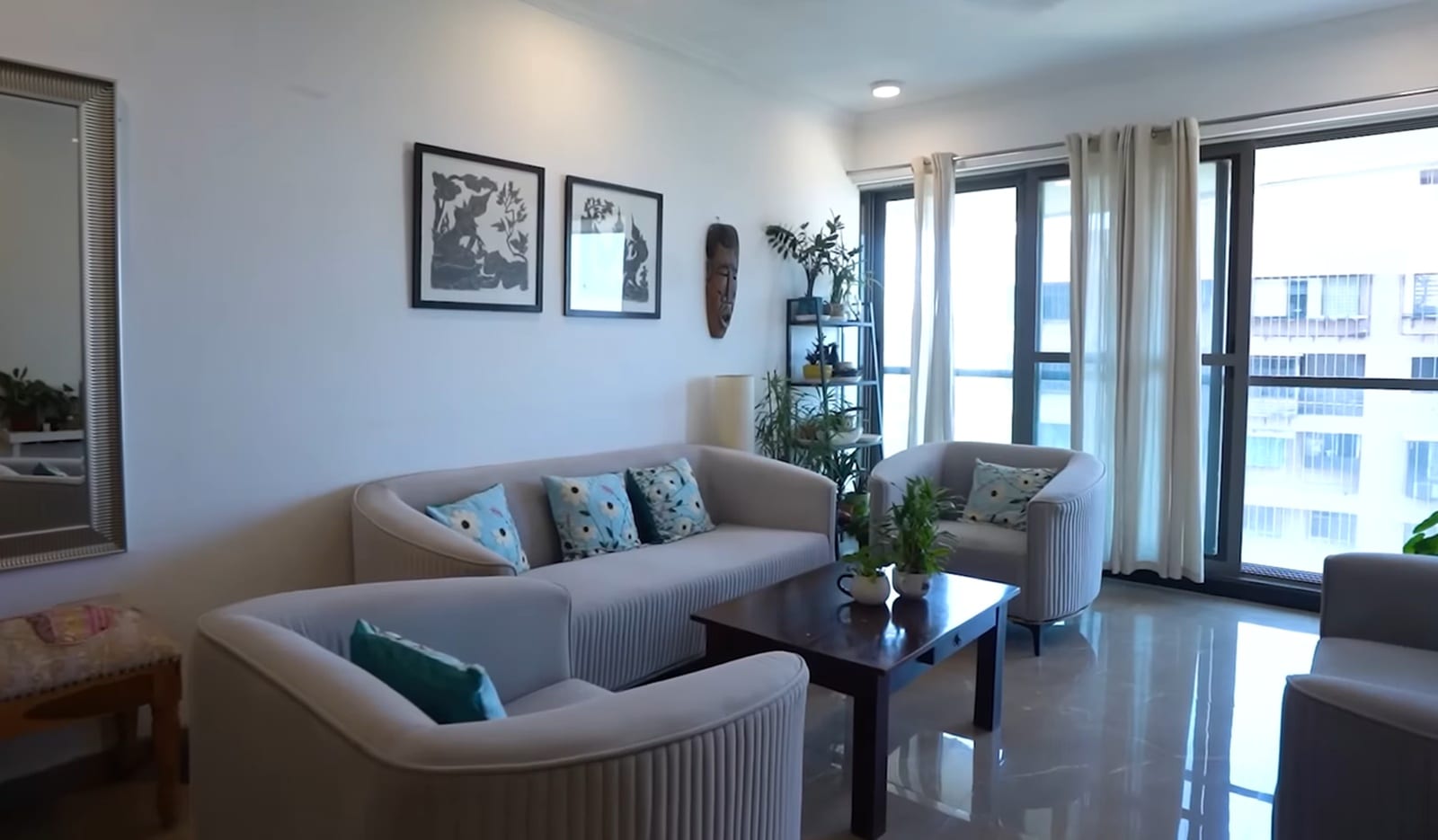 From white walls and a neutral palette to indoor plants and a seamless layout, the space feels calm without trying too hard. (Source: YouTube/Curly Tales)
His connection to the neighbourhood itself is rooted in time and familiarity. “I am here from 1998… So, around 28 years. Since I have come, I have always stayed in Andheri. So, I am familiar with this place… So, this area is, I feel, where I belong,” he shared, reflecting a sense of belonging. The house itself mirrors his personality. Minimal, practical, and free from unnecessary indulgence. As he put it, “I didn’t do much… The things that were there earlier, I put them there. Rest, I changed most of the furniture. IKEA’s, I thought, it was easy… Very practical.”

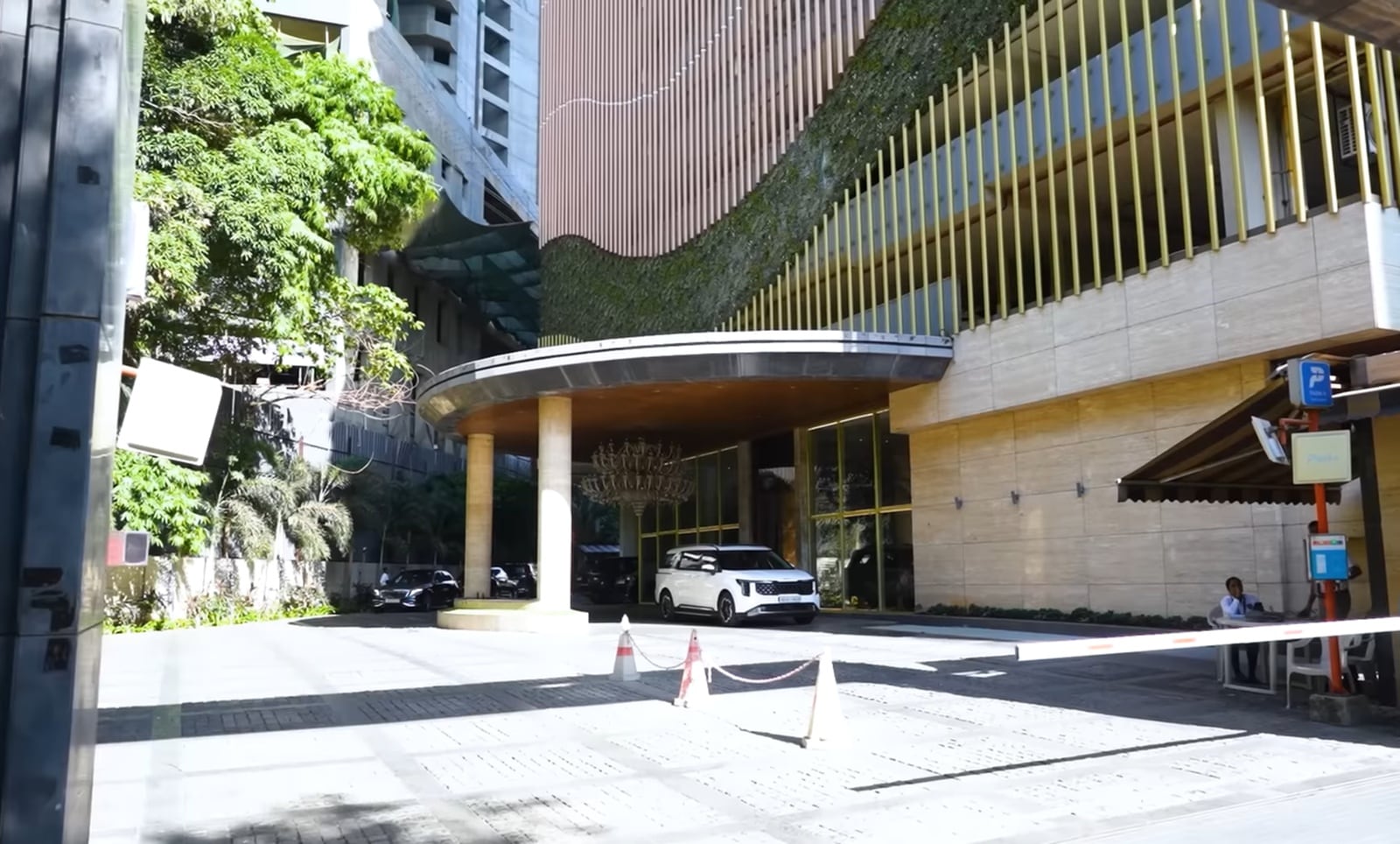 Gaurav Gera’s Mumbai apartment in Oshiwara (Source: YouTube/Curly Tales)
What stands out are the personal details that give the space character without overwhelming it. From fish motifs brought back from Thailand—“Fish is for good luck. So, I wanted it. Fish is pointing upwards. So, I really wanted to bring it”—to repurposed furniture and everyday objects like “utensils with broken handles” that he chooses not to discard, the home reflects continuity and emotional attachment. The environment also supports his need for quiet and focus, with cosy nooks where he likes to spend most of his free time.
At the same time, there is a contrast within the home. While most of it leans towards minimalism, his gadget and content room is filled with technology, reflecting his creative side. “I am very, heavily into gadgets… Rest, I don’t like cars, clothes, anything else,” he admitted. This duality between simplicity and creative stimulation, along with personal corners filled with awards, photographs, and memories, creates a space that feels both functional and emotionally layered.
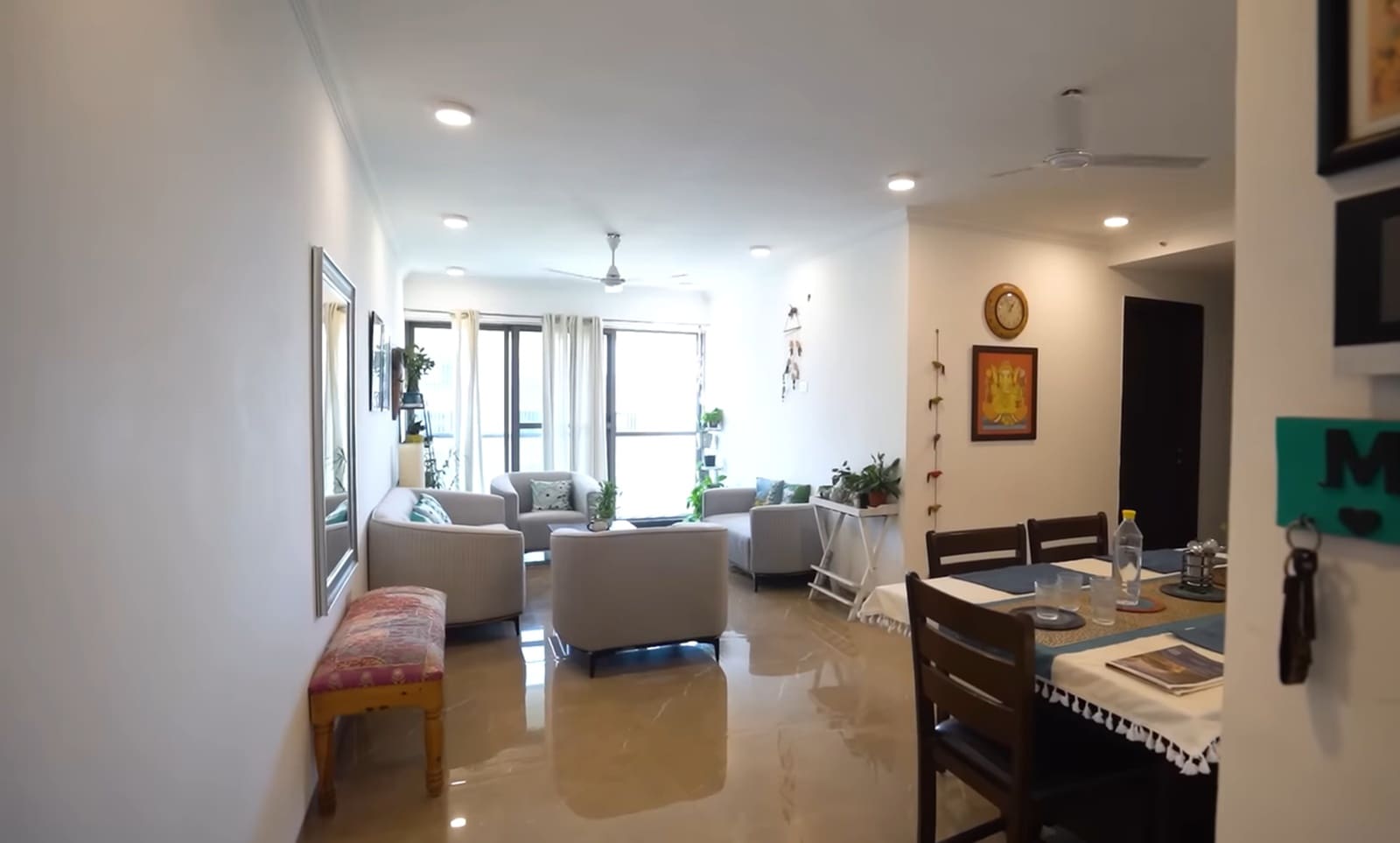 The environment also supports his need for quiet and focus, with cosy nooks where he likes to spend most of his free time. (Source: YouTube/Curly Tales)
Even everyday habits, like cooking his own meals or adapting to lactose intolerance, add to the sense of a home that supports independence while staying rooted in comfort and familiarity. Altogether, the apartment is less about aesthetics and more about emotional ease, identity, and lived experience.
How do minimalist, clutter-free living spaces impact mental clarity, stress levels, and overall emotional well-being?
Neha Cadabam, senior psychologist and executive director, Cadabam’s Hospitals, tells indianexpress.com, “A minimalist, clutter-free environment reduces cognitive overload by limiting constant visual stimuli competing for attention. This allows the brain to process information more efficiently, improving focus and mental clarity.”
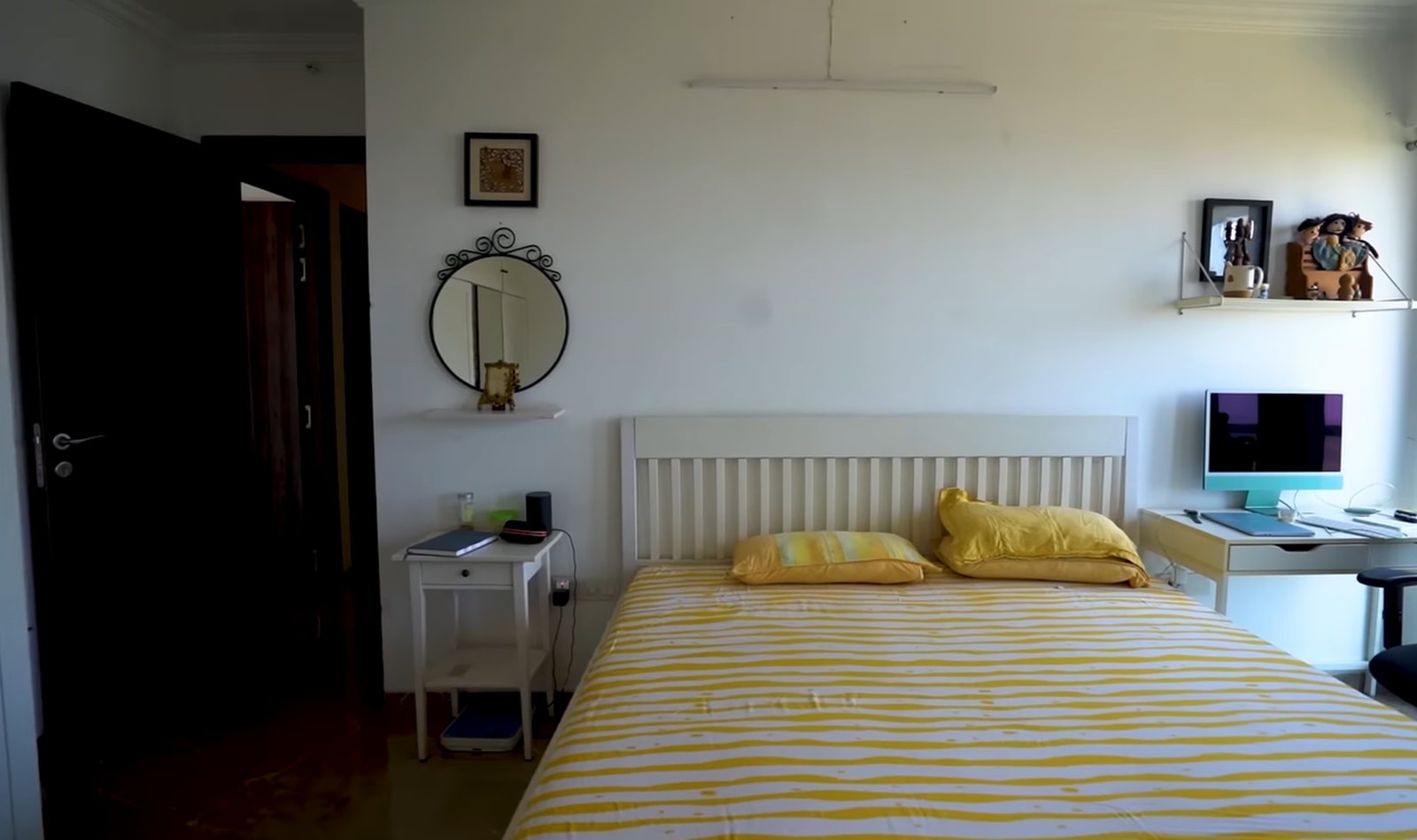 Creating distinct zones within a home helps the brain establish clear contextual boundaries (Source: YouTube/Curly Tales)
From a psychological standpoint, she says, organised spaces are associated with lower cortisol levels, which directly impacts stress reduction. Such environments also create a sense of control and predictability, both of which are essential for emotional stability and overall well-being.
Story continues below this ad
How designing separate zones for work, rest, and creativity within a home support better mental balance
Creating distinct zones within a home helps the brain establish clear contextual boundaries, confirms Cadabam, which is critical for regulating attention and emotional states. When work, rest, and creative activities are spatially separated, it reduces role overlap and mental fatigue.
 From fish motifs brought back from Thailand to repurposed furniture and everyday objects that he chooses not to discard, the home reflects continuity and emotional attachment. (Source: YouTube/Curly Tales)
“This zoning enables more effective switching between focused productivity and relaxation, improving both output and recovery. For individuals in creative fields, dedicated spaces can also act as psychological triggers that enhance flow and ideation,” concludes the expert.