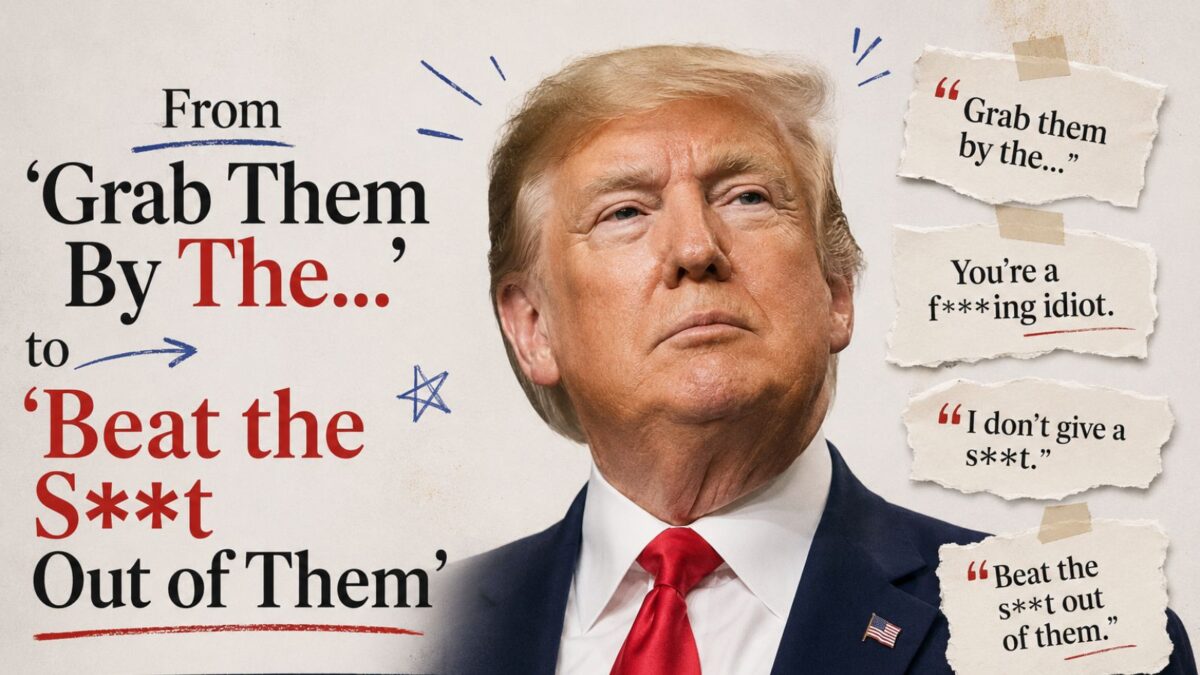
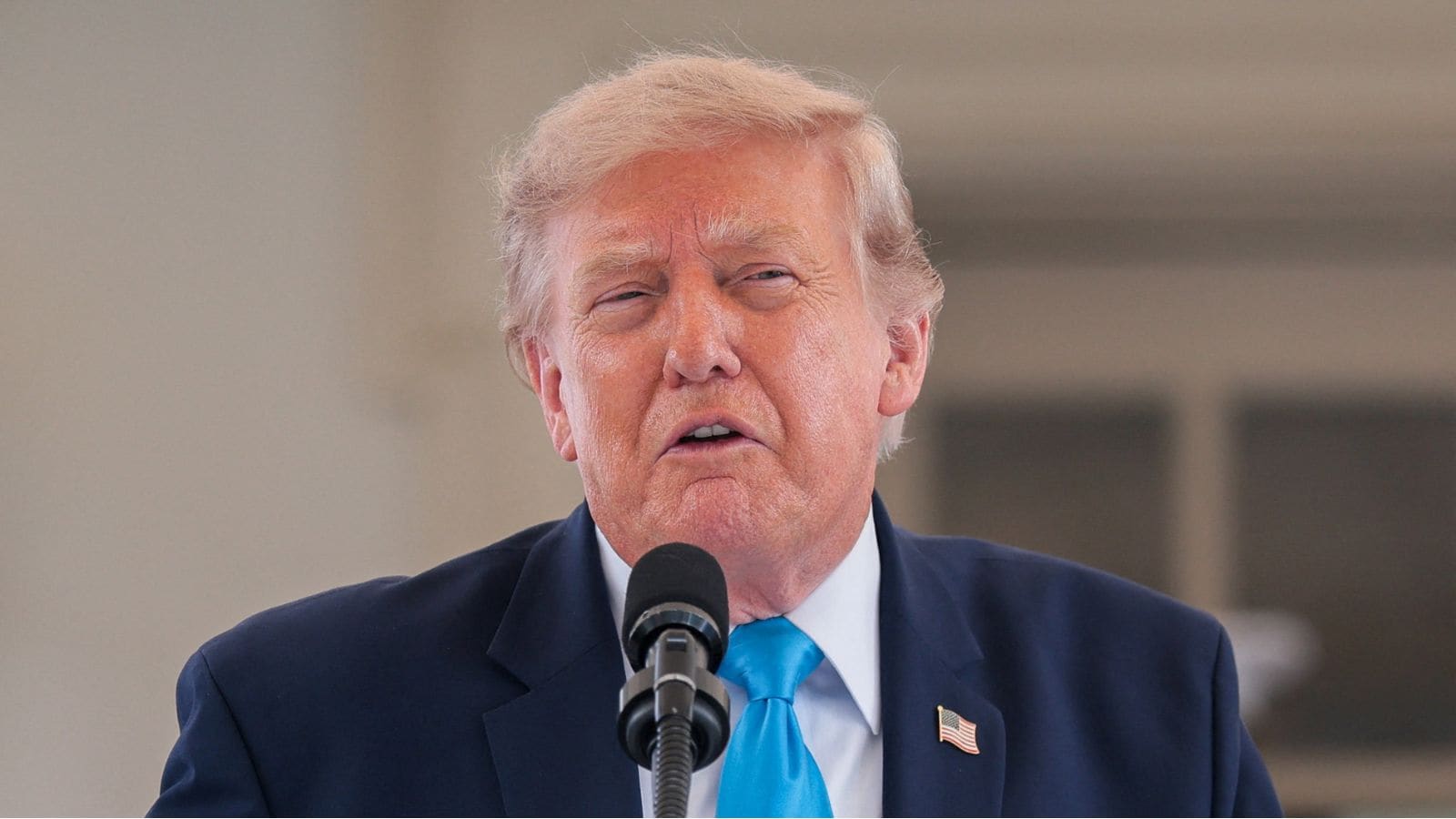
Donald Trump doesn’t do polished. Across a decade in public life, his blunt, expletive-heavy style has generated as many headlines as his policies — and this week’s threat against Iran is only the latest in a long run of viral profanity. Here’s a look back at the moments his language made news.
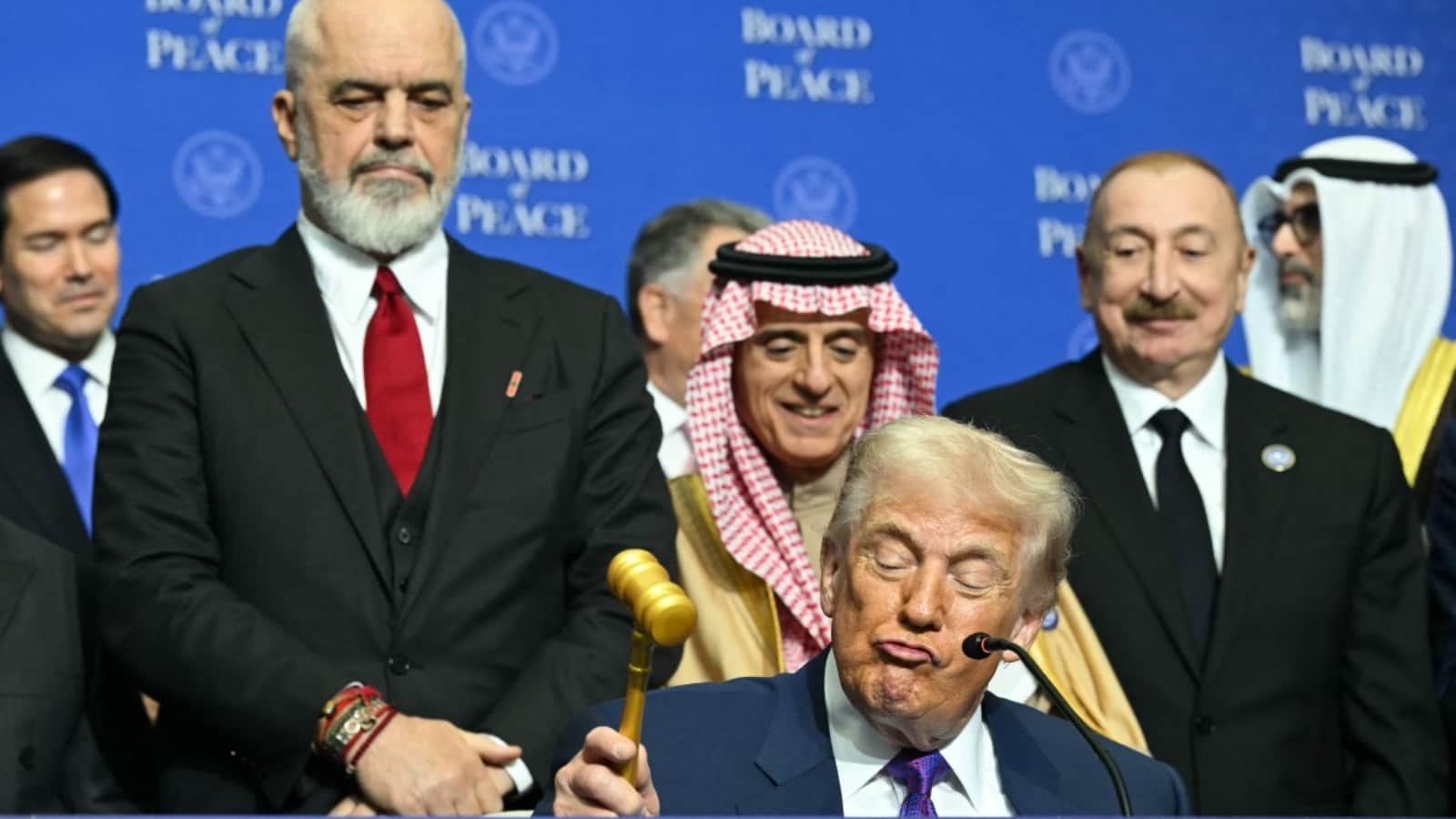
The Access Hollywood tape (2005 / surfaced 2016)
Long before he held office, a leaked recording caught Trump telling television host Billy Bush, “I did try and f*** her. She was married.” The same tape produced arguably his most notorious line ever — “Grab them by the p****” — paired with the claim that fame let him “do anything.” Buried for over a decade, the tape resurfaced during the 2016 campaign and instantly became one of the most damaging moments of his run for office.
‘Sh*thole’ countries (2018)
Inside an Oval Office immigration meeting, several lawmakers present said Trump described Haiti and a number of African nations as “s**hole countries.” Trump pushed back on the exact wording afterward, but multiple people in the room stood by their account, and the remark set off diplomatic backlash from the governments named.
“Get that son of a b**ch off the field” (2017)
At an Alabama rally, Trump took aim at NFL players kneeling during the anthem, telling the crowd that owners should respond with: “Get that son of a b**ch off the field right now. Out! He’s fired.” The line poured fuel on an already heated national debate over athlete protests.
The everyday profanity — “hell,” “bullsh*t,” and beyond
Away from single viral moments, certain words have simply become part of how Trump talks. “Hell” shows up constantly for emphasis — “What the hell is going on?”, “Who the hell knows?” — regardless of subject. “Bullsh*t” is his default dismissal for investigations or unfavorable coverage. He’s also called Hamas leaders “sick b**tards” in 2024 and been reported using “a*****e” for critics, without either becoming a single defining moment the way his other lines have.
The Iran threat (2026)
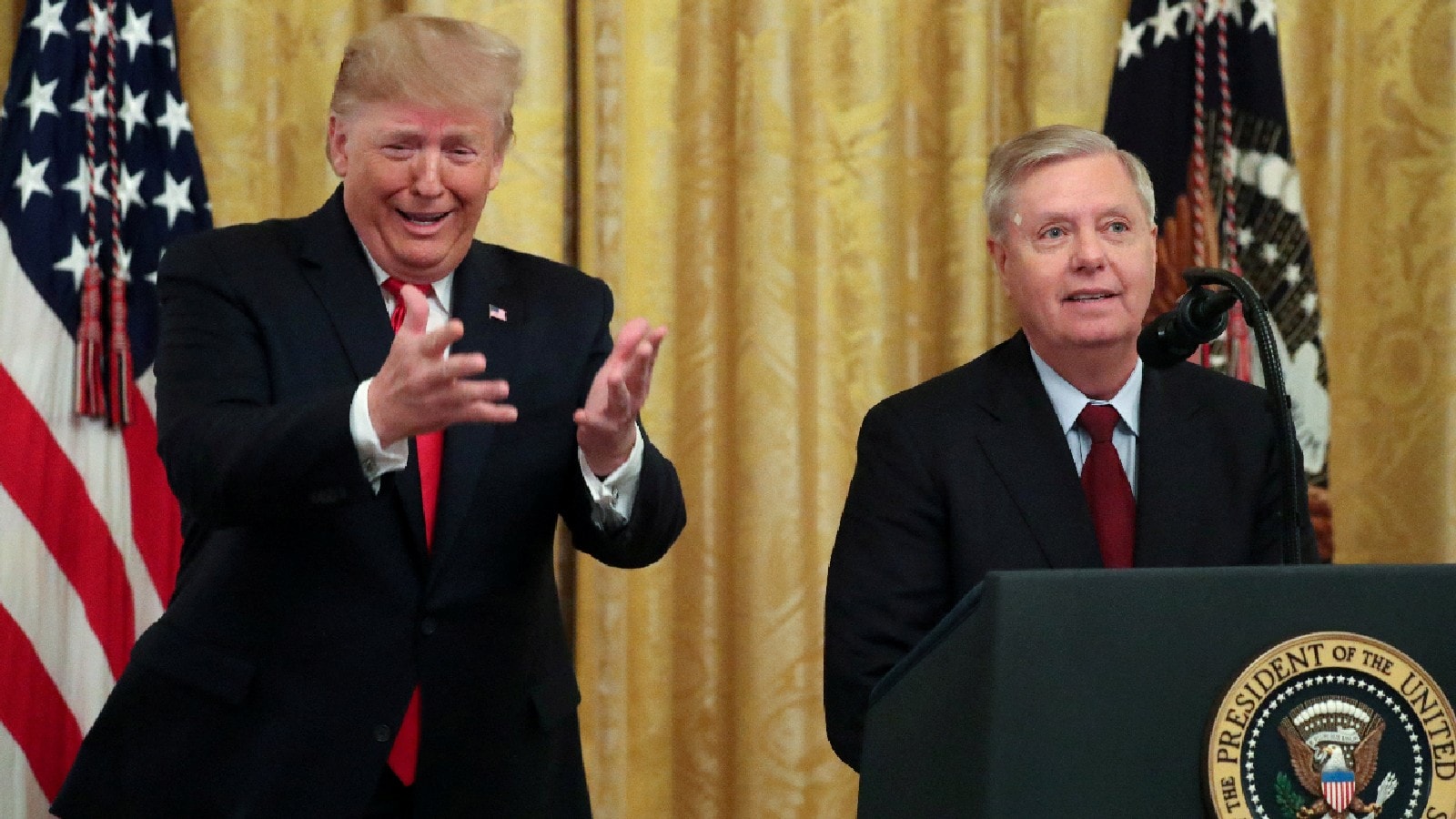
After Iran fired missiles at US positions in Jordan, Trump told Fox News correspondent Trey Yingst the US would “beat the f**king sh*t out of them,” warning that Tehran would “get a beating.” Delivered on camera, in the middle of an active military escalation, it’s a reminder that profanity has become as much a tool of his foreign policy messaging as any formal statement.
Open The F**king Strait
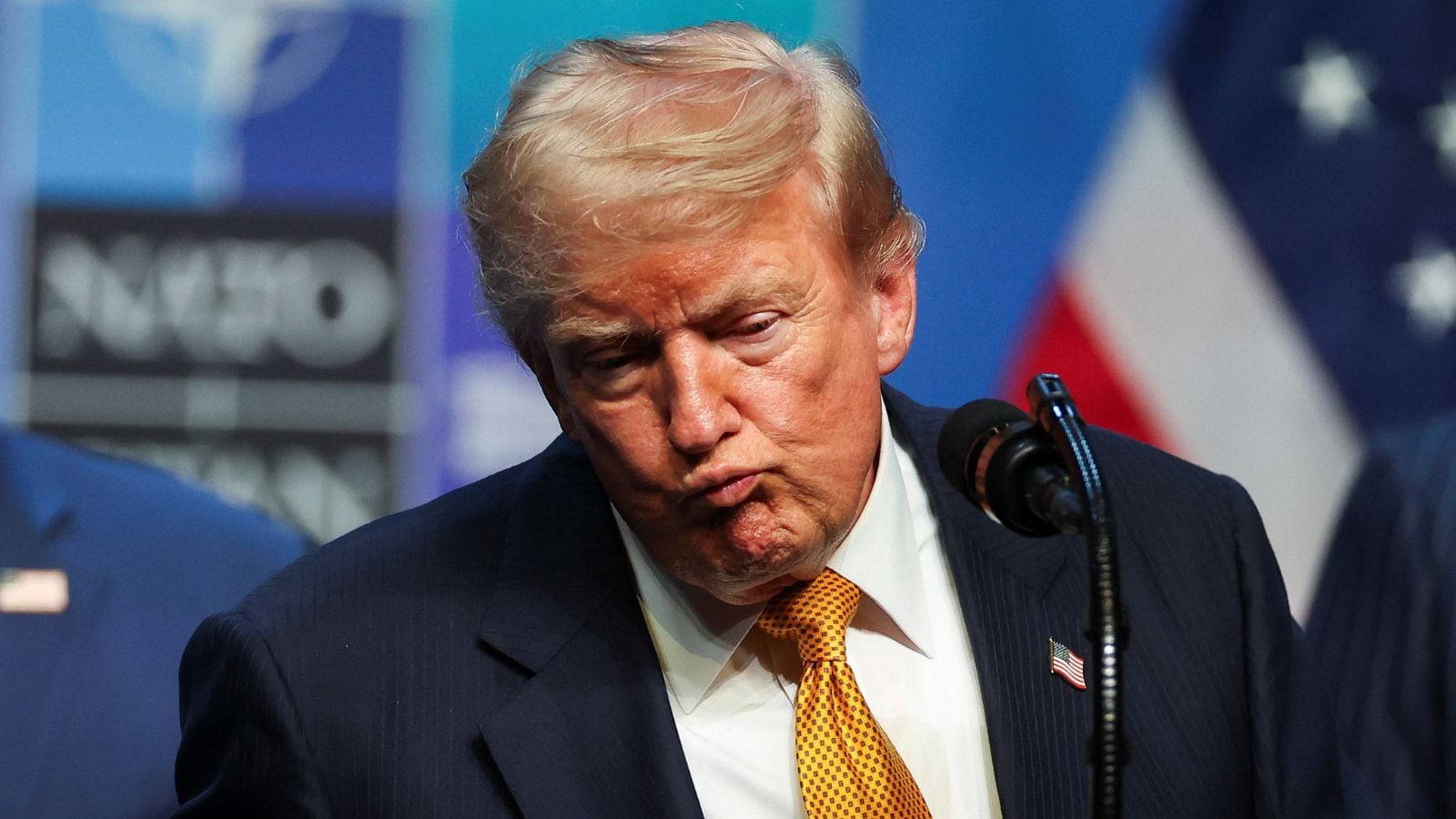
Amid the war with Iran, on Easter Sunday, trump wrote, “Open the F***in’ Strait, you crazy b*****ds, or you’ll be living in Hell — JUST WATCH.” Similarly, while discussing the White House, he told a crowd he’d been advised to tone it down — “I was told by my wife: ‘You have to act presidential, so don’t use foul language.’ I won’t. Therefore, normally, I would have said it was a s* house, but I don’t want to say that” — before effectively saying it anyway.
A documented pattern, not a slip
This isn’t just a collection of one-off outbursts anymore — it’s a measurable shift. A Washington Post analysis of Trump’s speeches and Truth Social posts found that roughly 93% of his second-term speeches have contained at least one vulgar phrase, a sharp jump from 40% during the same stretch of his first term. His use of coarse language on social media has reportedly tripled over the same comparison period.
Presidents have sworn before — just not like this
Profanity in the Oval Office isn’t new. Richard Nixon’s secret tapes were laced with it, Lyndon B. Johnson favored colourful language on private calls, and Joe Biden was caught on a hot mic in 2022 calling a reporter “a stupid son of a b**ch.” What separates Trump is visibility — his profanity plays out on camera, at rallies, in interviews and online, not behind closed doors, making it less an occasional slip than a defining feature of how he communicates as president.