




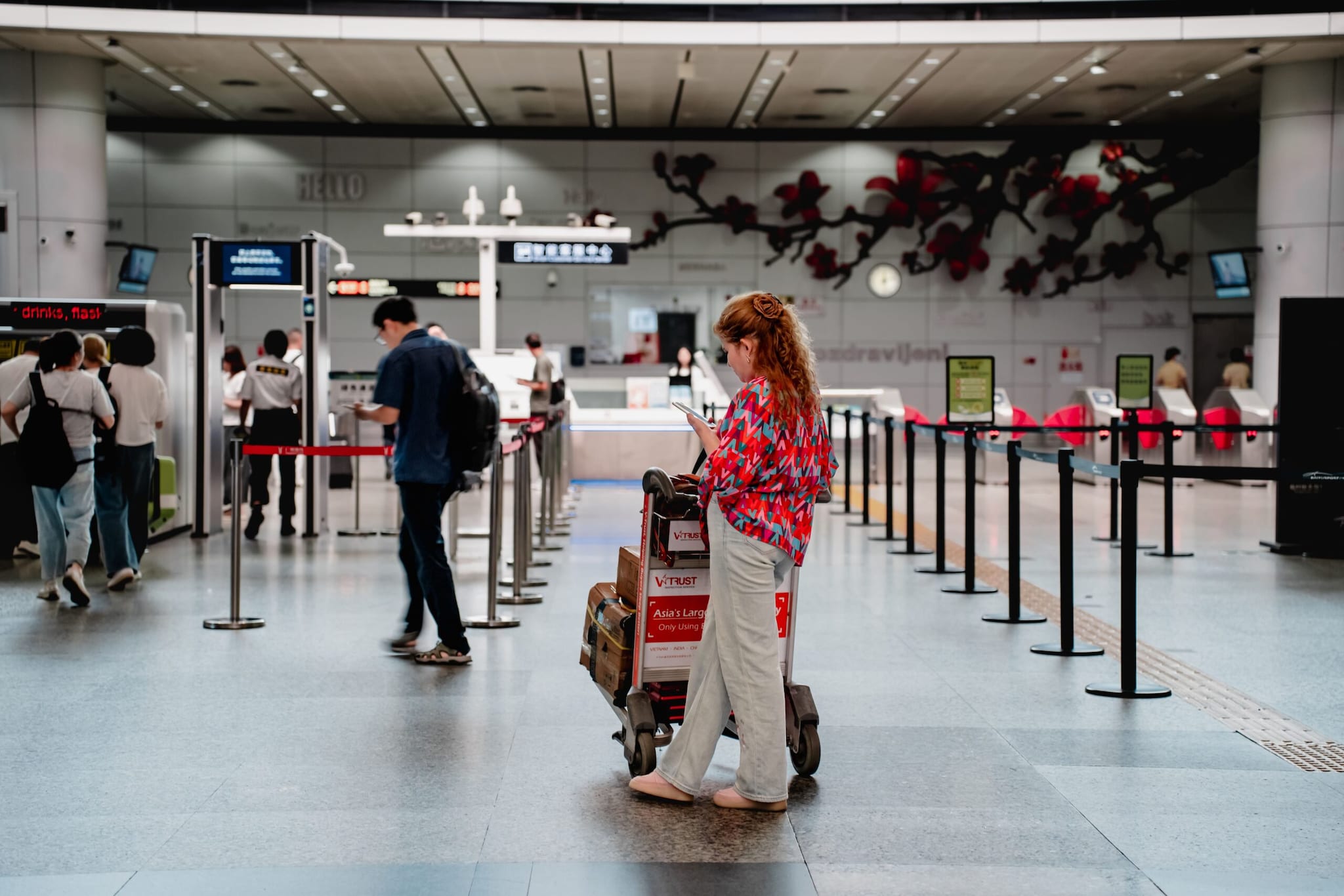
The next time you grab a trolley at the airport, take a closer look at it. Besides the wheels, handle and space for your luggage, you may notice a rather unusual brake mechanism. It can seem strange — after all, you’re pushing the trolley yourself, so why does it need a brake? The answer is surprisingly simple: a fully loaded airport trolley can be heavy, and an unattended one can quickly become a safety hazard.
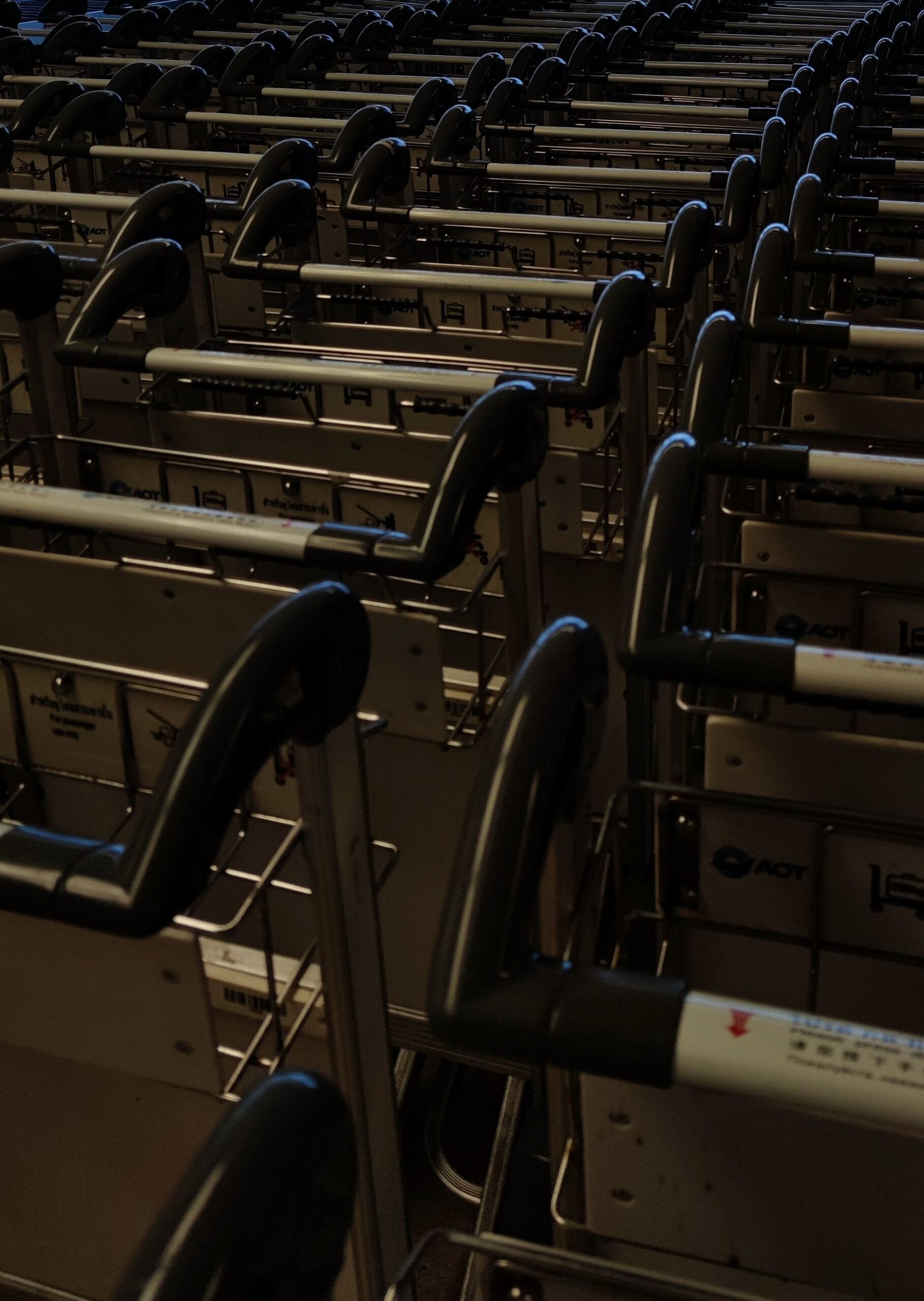
Airport luggage trolleys are built to carry considerably more weight than the average suitcase. India’s Airports Authority of India, for instance, specifies passenger baggage trolleys with brakes in its technical requirements. The brake is essentially a safety feature designed to keep the trolley stationary when it is not being actively moved.

Some Brakes Work In A Rather Clever Way
Not every airport trolley uses exactly the same mechanism. Some designs use a hand-operated brake, while others are designed with automatic or self-adjusting braking systems. Wanzl, a major manufacturer of airport luggage trolleys, describes some of its models as having an automatic, self-adjusting brake. In certain designs, the way you hold or operate the handle determines whether the brake is engaged or released.
Why Does A Trolley Need A Brake At All?
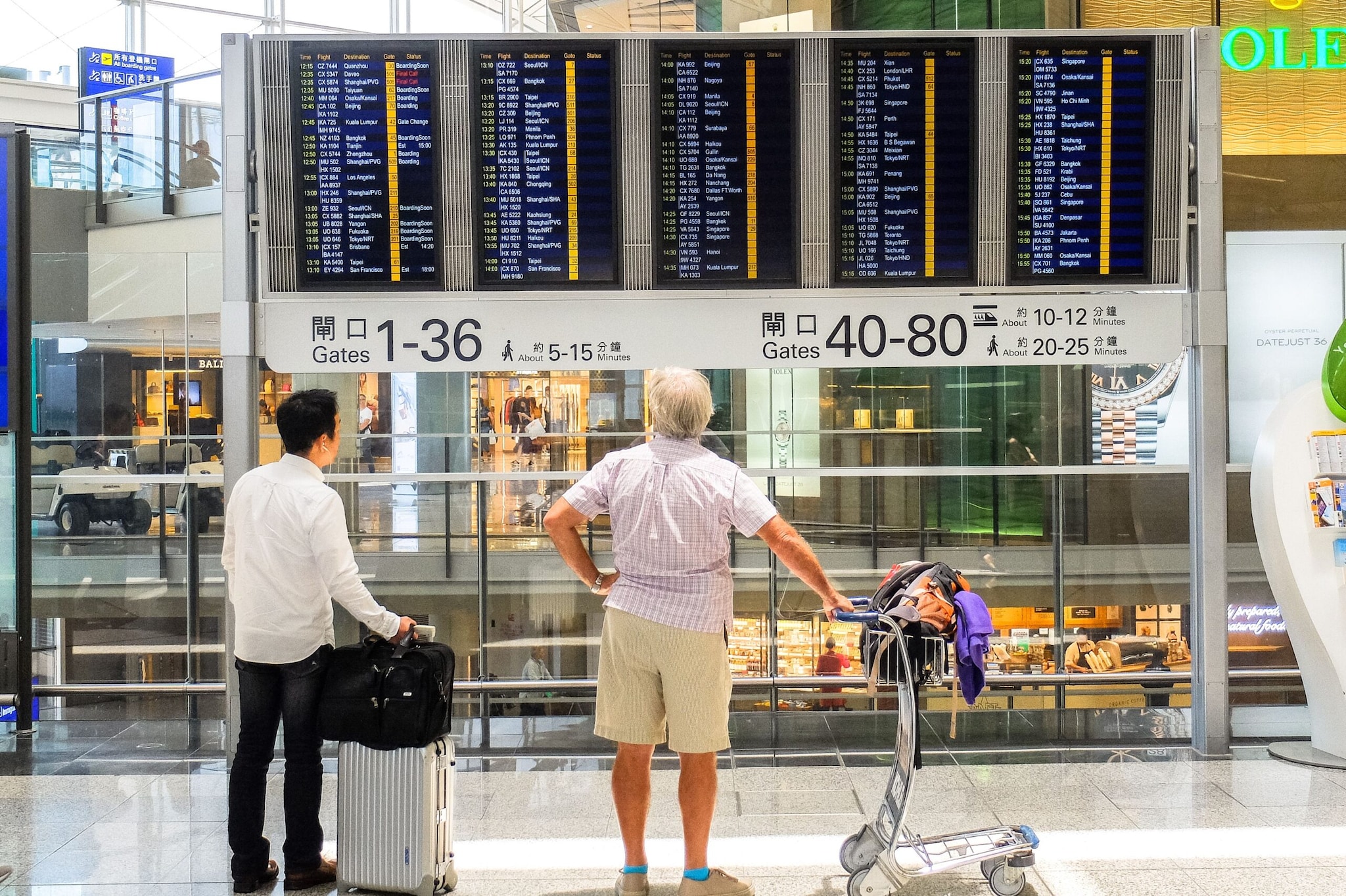
Imagine a passenger loading several heavy suitcases onto a trolley and then briefly letting go to reach for another bag. Without a brake, the trolley could start moving, particularly on a slight slope or uneven surface. In a crowded terminal, that could mean a trolley rolling into another passenger, luggage or airport equipment. The brake provides an extra layer of control when the trolley is stationary.
It Also Protects Your Luggage
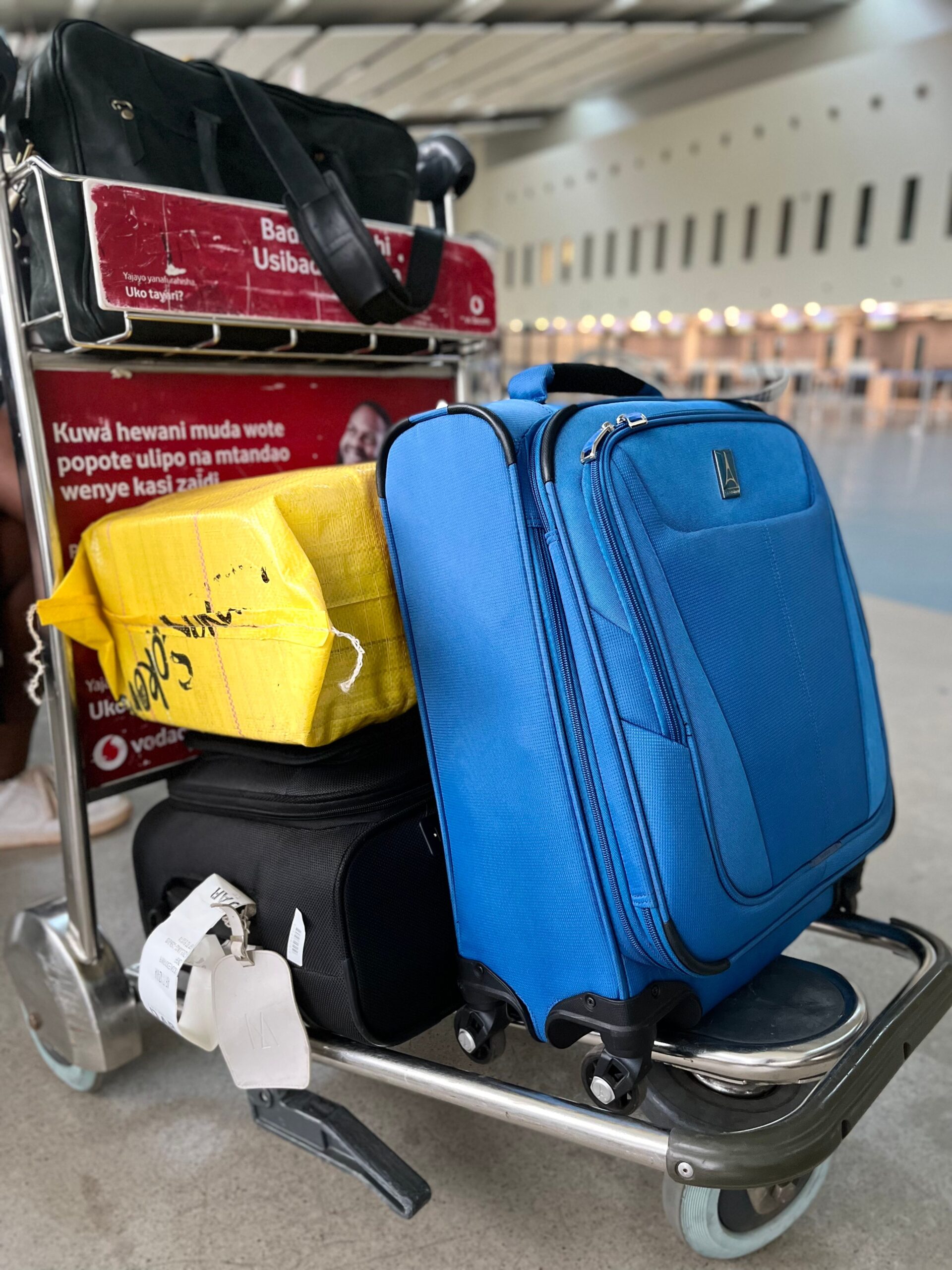
The brake isn’t just about preventing accidents. It can also make loading and unloading easier. A stationary trolley is much easier to manage when you’re lifting a heavy suitcase onto it or removing one. Airport trolley designs can carry substantial loads, so keeping the wheels locked or controlled while bags are being loaded adds stability. Some airport trolley specifications also require the braking system to act on the wheel rim or shoulder rather than directly wearing down the rubber tyre.
The Handle And Brake Can Be Connected
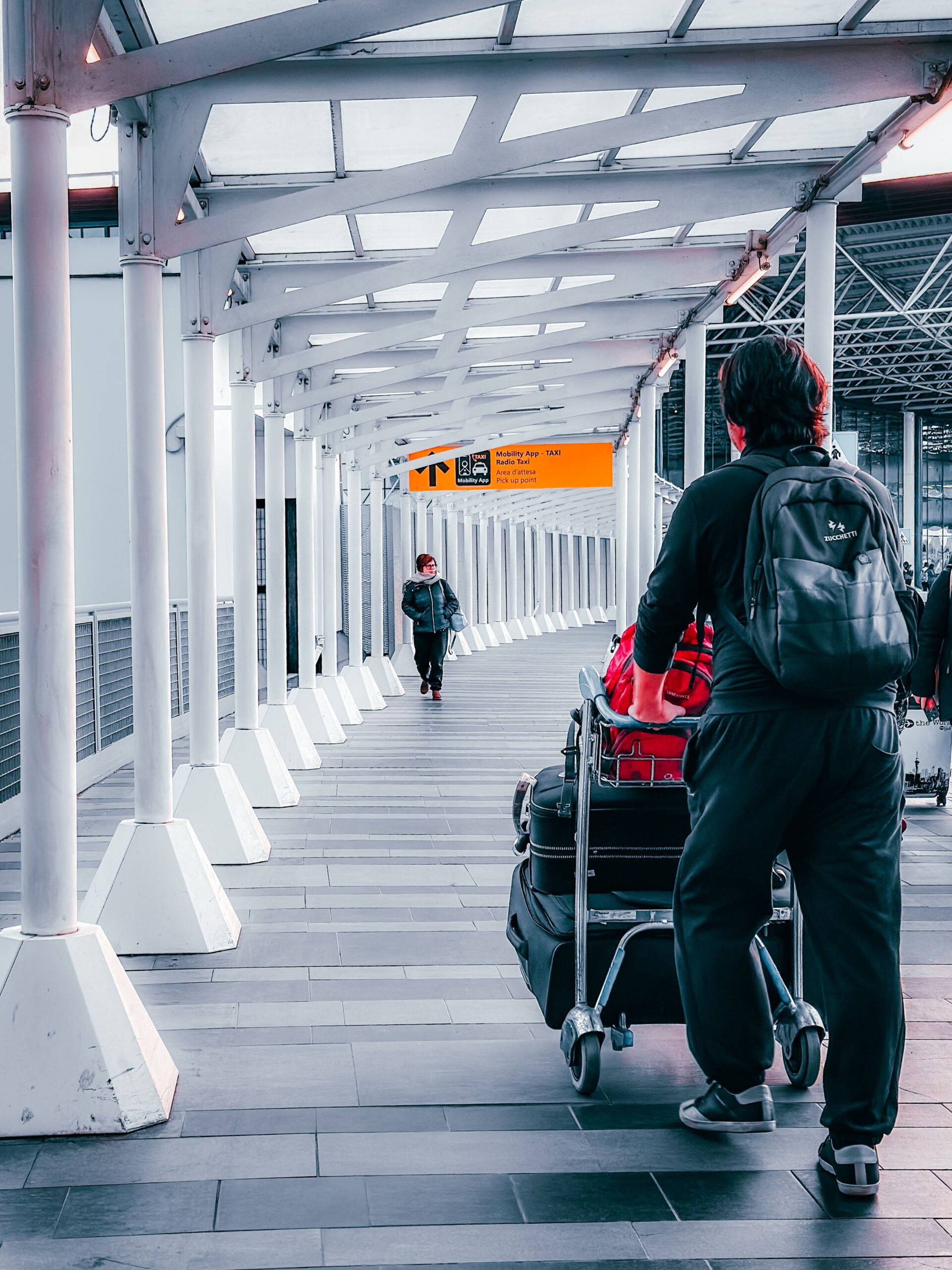
Here’s the part many passengers don’t notice: on some trolley designs, the handle itself forms part of the braking system. Depending on the design, pressing or holding the handle can release the brake so that the trolley can move, while releasing it can allow the brake to engage. This creates a simple form of “move only when you’re controlling it” safety. However, the exact operation varies between trolley models and airports, so not every trolley behaves in precisely the same way.
Why The Design Looks So Odd
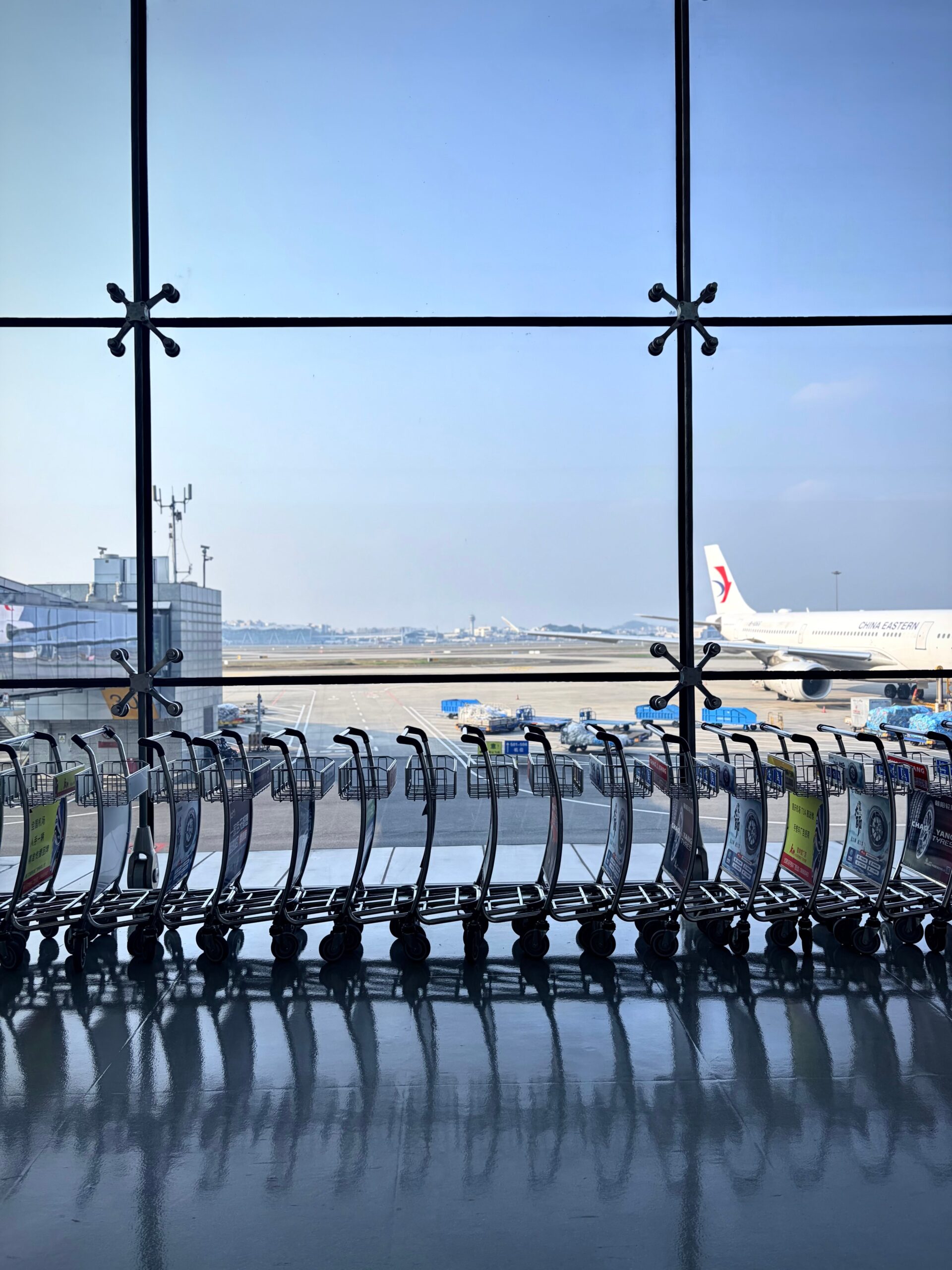
Airport trolleys have to balance several requirements at once: they need to be easy for passengers to push, stable when carrying luggage, compact enough to be nested with other trolleys and safe when left unattended. The brake therefore becomes part of a larger mechanical system rather than an add-on feature. India’s airport trolley specifications, for example, call for the brake mechanism to be protected within the frame and designed so that normal use does not damage the tyre.