

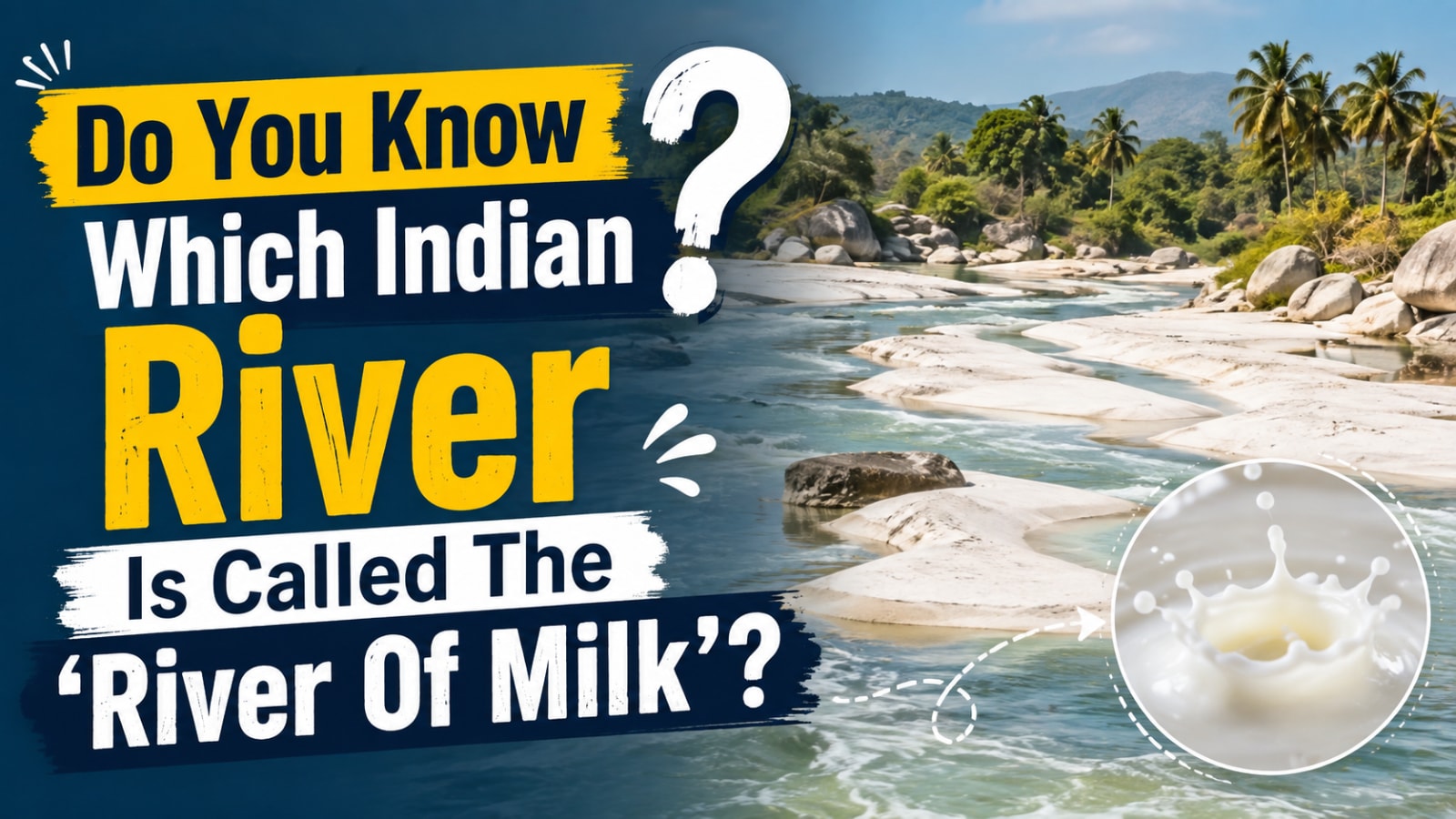
India is home to countless rivers, many of which get their names from their appearance, geography, cultural significance or local beliefs. But one river in South India has a particularly unusual identity. Known as the ‘River of Milk’, the Palar River is associated with its striking white sandy landscape and the way much of its water moves beneath the surface. (Image-AI)
Originating in Karnataka’s Chikkaballapur district, the river’s name comes from two Tamil words, ‘pal’, meaning milk, and ‘aaru’, meaning river. The name therefore literally translates to ‘River of Milk’. The Palar rises in the Nandi Hills and flows through parts of Andhra Pradesh before entering Tamil Nadu. It eventually drains into the Bay of Bengal. The river stretches for roughly 348 kilometres. (Image-Canva)
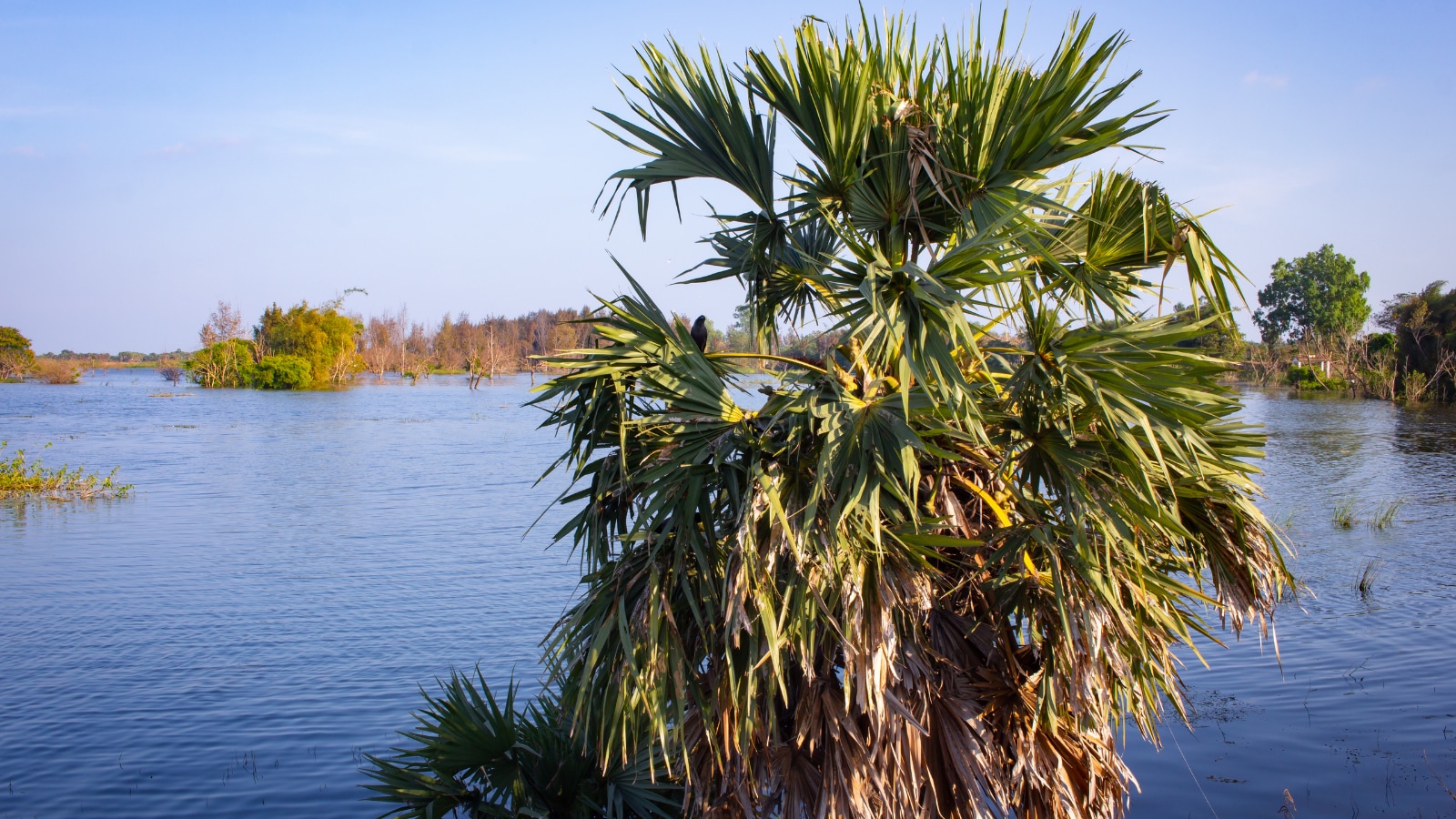
The river gets its distinctive nickname from the colour and composition of its sandy bed. Large quantities of pale or white sand and quartz can be found along parts of the river. When sunlight falls on the sandy riverbed, the bright white surface can appear almost milky from a distance. During the monsoon, flowing water carries the light-coloured sand along with it, further enhancing the river’s unusual appearance. (Image-Canva)
Originating in Karnataka’s Chikkaballapur district, the river’s name comes from two Tamil words, ‘pal’, meaning milk, and ‘aaru’, meaning river. The name therefore literally translates to ‘River of Milk’. The Palar rises in the Nandi Hills and flows through parts of Andhra Pradesh before entering Tamil Nadu. It eventually drains into the Bay of Bengal. The river stretches for roughly 348 kilometres. (Representative Image)
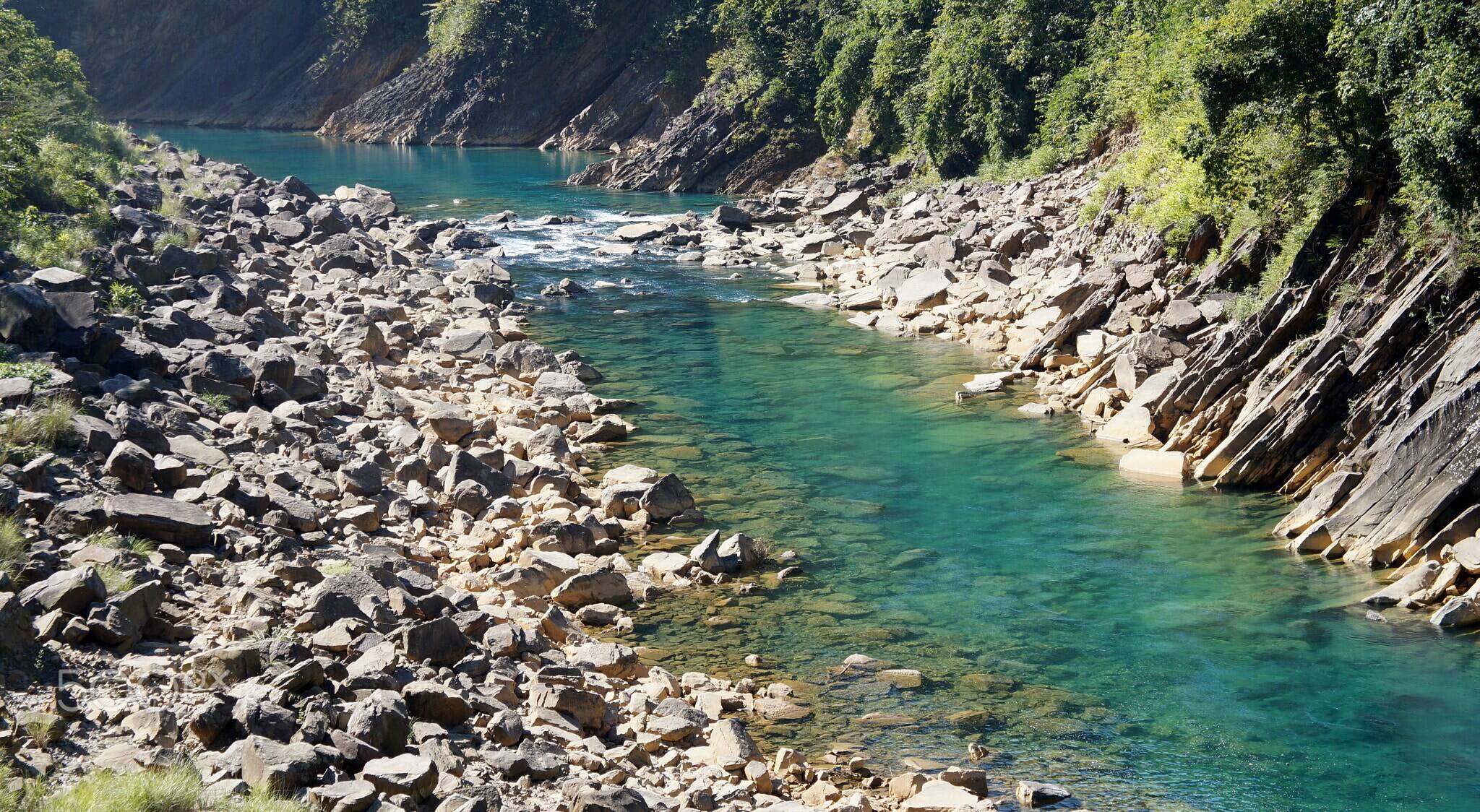
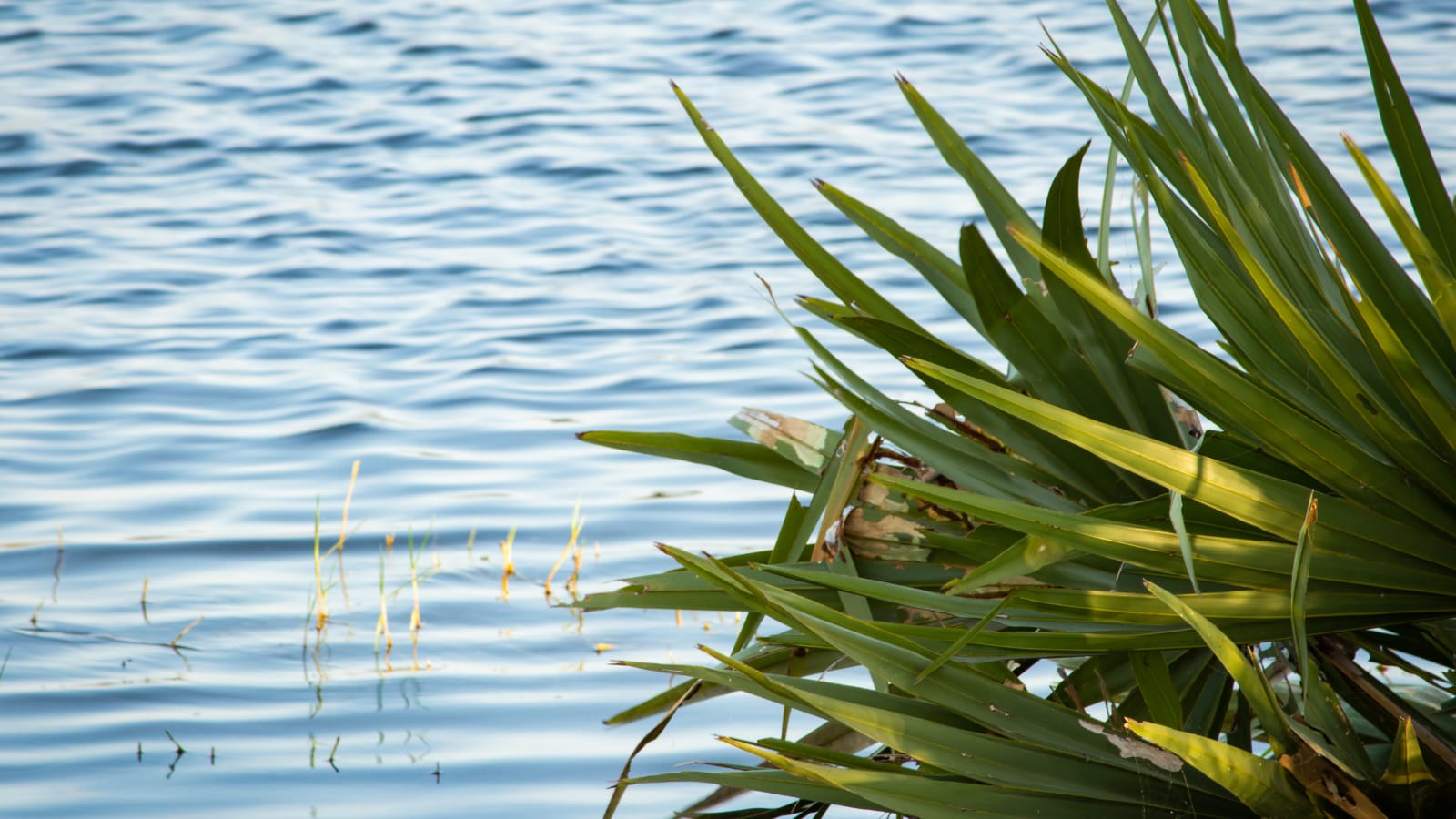
One of the most fascinating features of the Palar is that its water does not always remain visible above ground. In several stretches, water flows through thick layers of sand beneath the surface, making the river difficult to see with the naked eye. (Representative Image)
This characteristic has also led to the river being associated with the term ‘Guptagamini’, referring to a watercourse that flows unseen. During the monsoon, however, rising water levels can bring the river back to the surface, emerging through the white sand. (Representative Image)
Beyond its unusual appearance, the Palar plays an important role in the lives of people living in parts of Tamil Nadu. Areas including Vellore, Ranipet and Kanchipuram depend significantly on groundwater associated with the river. The Palar may not always be visible, but its presence beneath the sand makes it one of South India’s more intriguing rivers, earning it a name that makes its story even more fascinating: the ‘River of Milk’. (Representative Image)