







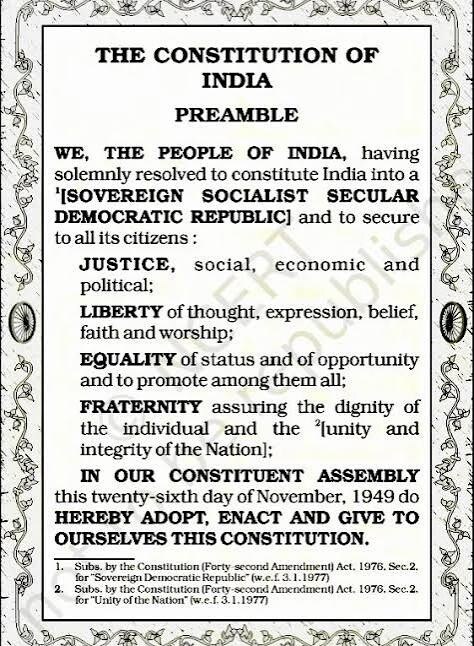
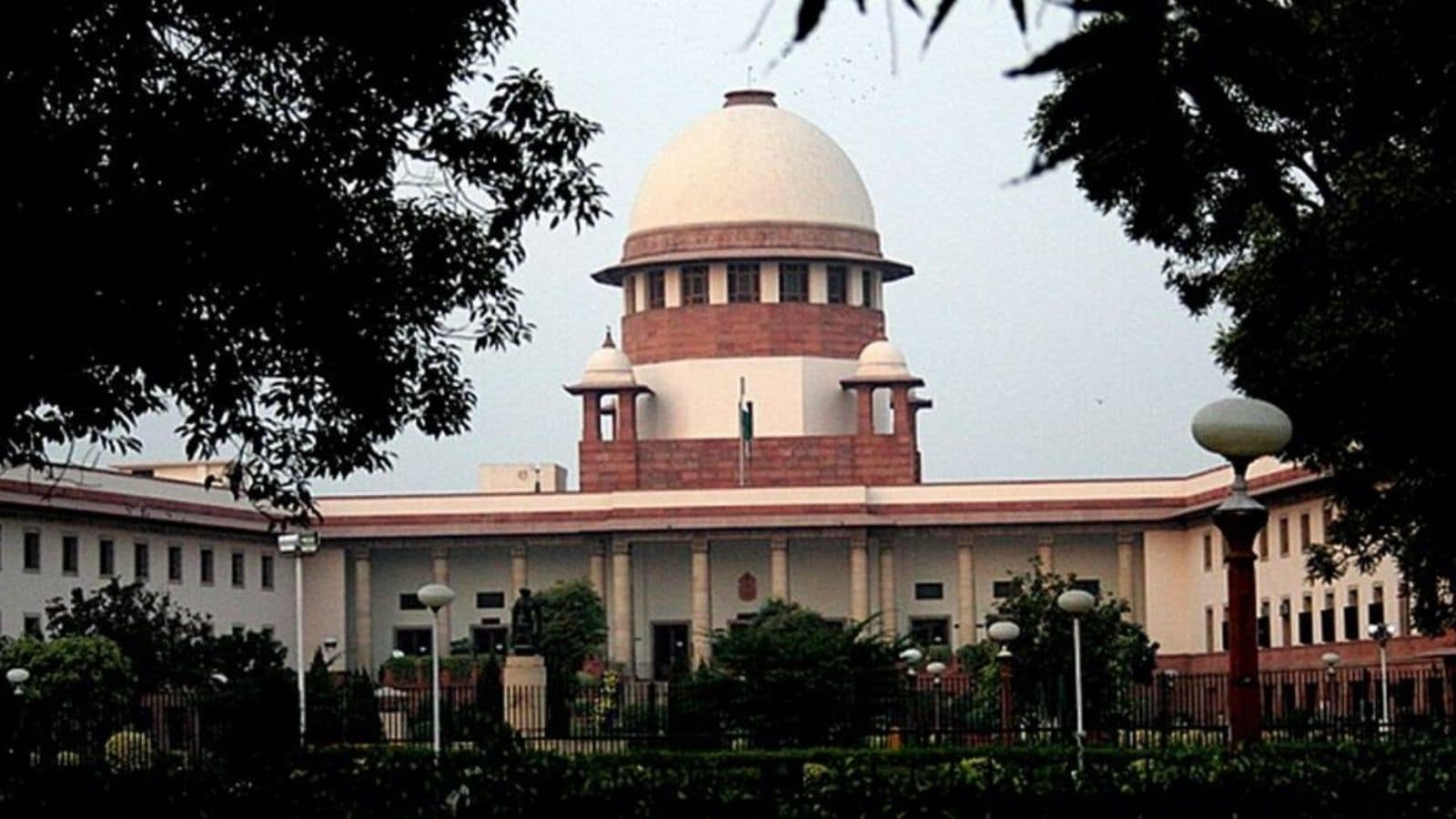
The Constitution of India, the cornerstone of the world’s largest democracy, is the supreme law of the land. Every major constitutional institution, from the Supreme Court and High Courts to the offices of the President, Governors, Prime Minister, Chief Ministers, Parliament, State Legislatures, and the Election Commission, derives its authority from this historic document.
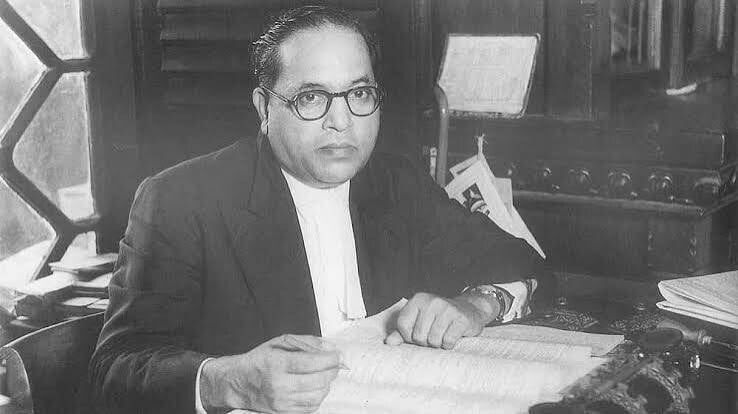
Recognised as the world’s longest written Constitution, the document was drafted under the chairmanship of Dr B.R. Ambedkar. While preparing the Constitution, the Drafting Committee drew inspiration from several countries, including the United States for fundamental rights and Ireland for aspects of the presidential election process, adapting these principles to suit India’s unique social and cultural diversity.
The drafting process was a monumental task, taking exactly 2 years, 11 months, and 17 days to complete. When it came into force, the Constitution contained 395 Articles, 22 Parts, and 8 Schedules, making it one of the most comprehensive constitutional documents ever created.
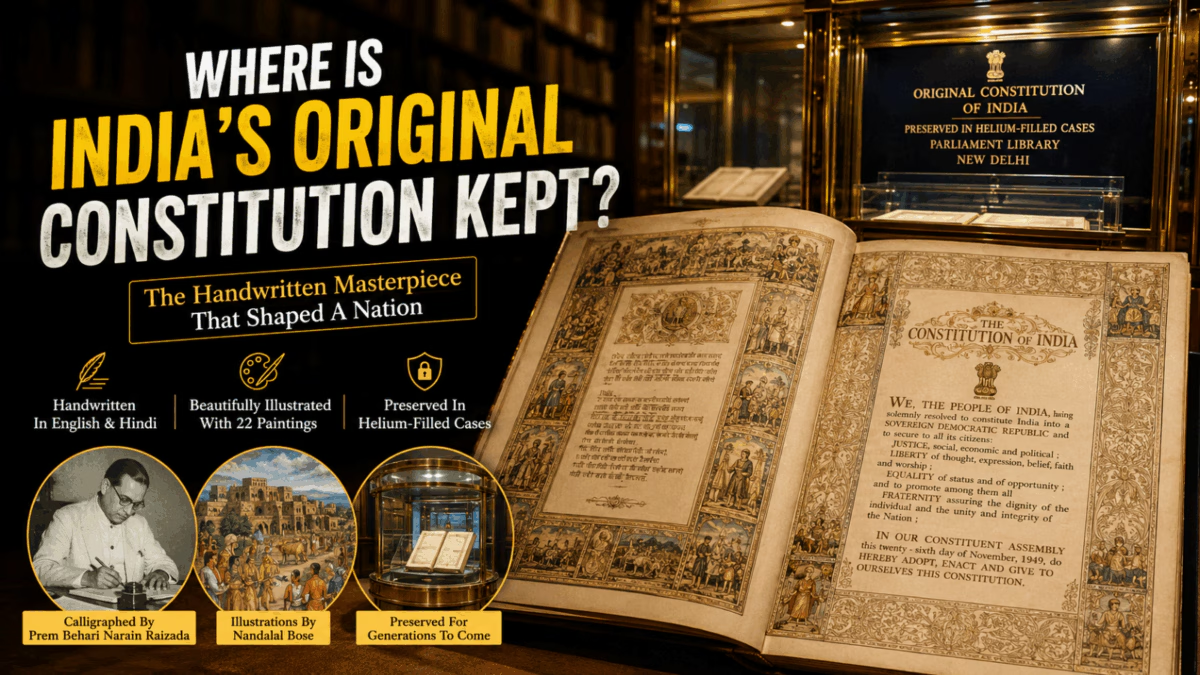
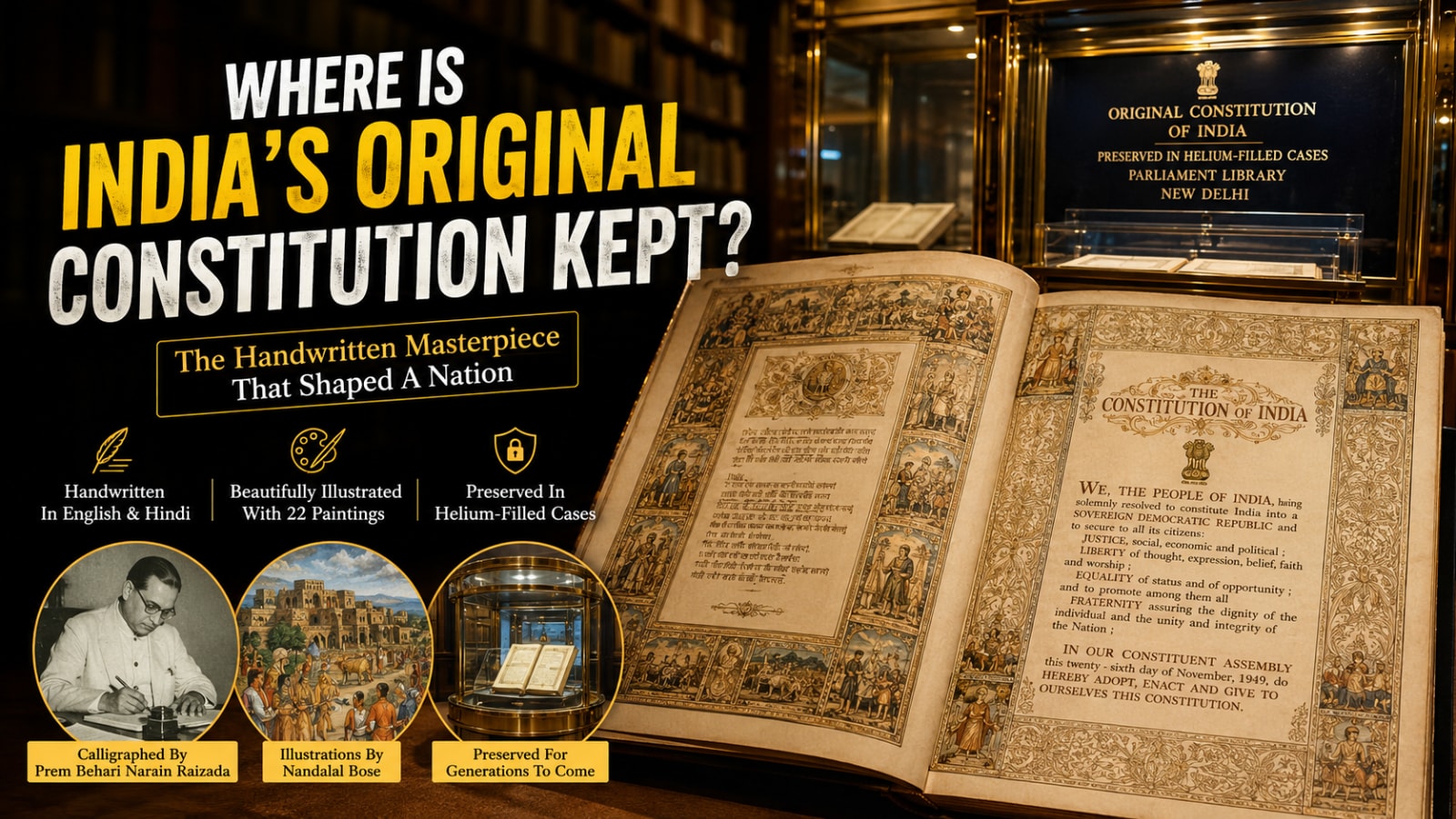
One of the most remarkable aspects of the original Constitution is that it was not printed using a press. Instead, it was meticulously handwritten in both English and Hindi. The English version was beautifully calligraphed by Prem Behari Narain Raizada, who penned nearly 90,000 words on high-quality parchment-like paper known as Milborne paper. Completing this extraordinary work reportedly took him around 154 days, or just over five months.
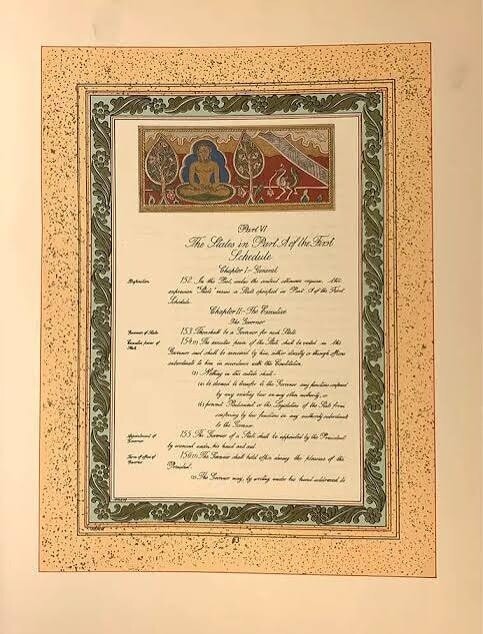
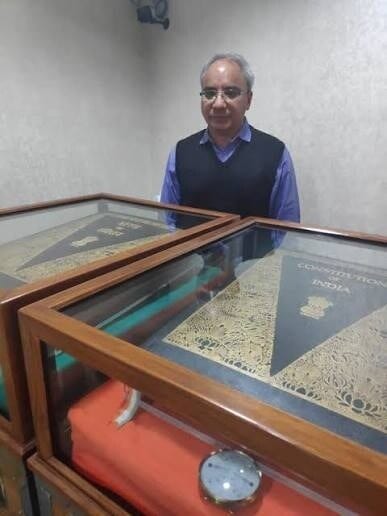
Today, the original English and Hindi manuscripts are preserved with exceptional care inside the Parliament Library in New Delhi. To protect them from deterioration, they are stored in specially designed helium-filled cases, ensuring that these priceless national documents remain intact for future generations. Their maintenance and preservation are the responsibility of the Parliament Secretariat.

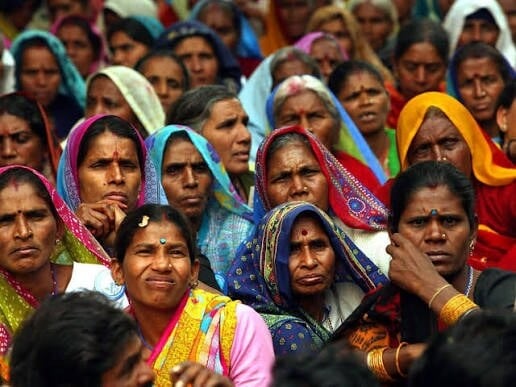
The Indian Constitution is also notable for incorporating provisions aimed at promoting social justice. It provides for affirmative action and reservation policies to improve the representation of SC, ST, and OBC’s in public employment and educational institutions.
Constitutional provisions such as Articles 15(5) and 16(4) empower the State to make special arrangements for historically disadvantaged communities. These provisions are often regarded as distinctive features of India’s constitutional framework, reflecting the country’s commitment to inclusive development and equal opportunity.
More than seven decades after its adoption, the original Constitution remains a symbol of India’s democratic ideals, blending legal brilliance, artistic excellence, and a vision of social equality into one extraordinary handwritten manuscript.