




For generations of India’s old-money families, bureaucrats, industrialists and political elites, getting into the right club has never just been about leisure. It is about access. About inheritance. About belonging to a world where power quietly circulates over gin-and-tonics, polo stories and Sunday brunches. Across cities like Delhi, Mumbai, Kolkata, Bengaluru, Hyderabad and Chennai, some of India’s most exclusive clubs still maintain waiting lists stretching years (sometimes even decades) making membership feel less like a subscription and more like social citizenship.
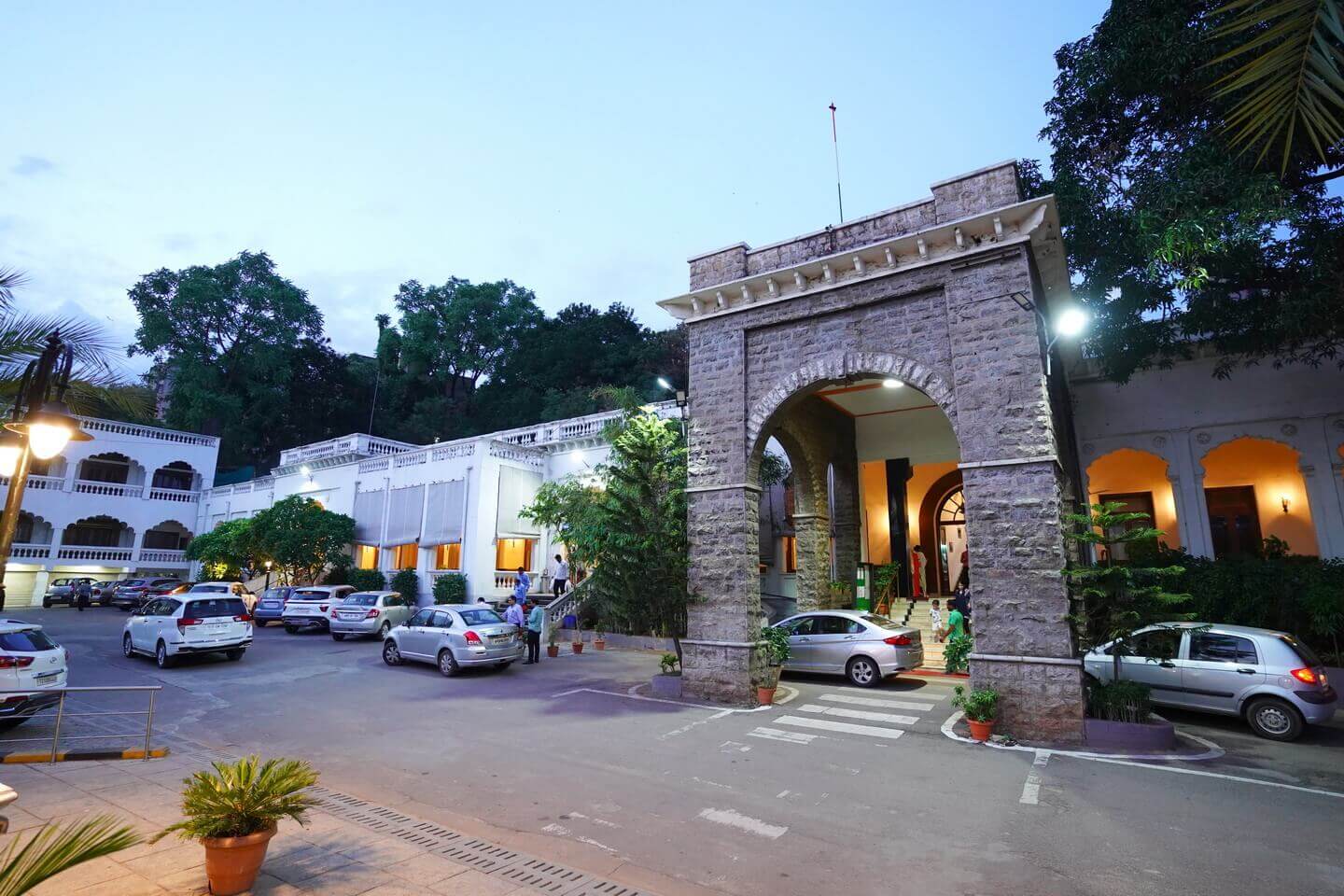
Nizam Club, Hyderabad
In Hyderabad, Nizam Club offers a striking contrast to British-founded institutions. Established in 1884 by Nawab Mahbub Ali Khan of the Asaf Jahi dynasty, the club emerged partly because the Secunderabad Club primarily catered to British officers. Unlike the distinctly European aesthetic of many colonial clubs, the Nizam Club embraces Deccani architecture and Hyderabadi culture. Its legendary biryani, Khatta Mutton and extravagant New Year buffets are now almost as famous as its elite membership. Over the years, it has hosted politicians, aristocrats and sporting legends like Sania Mirza, who reportedly trained there during her early years.
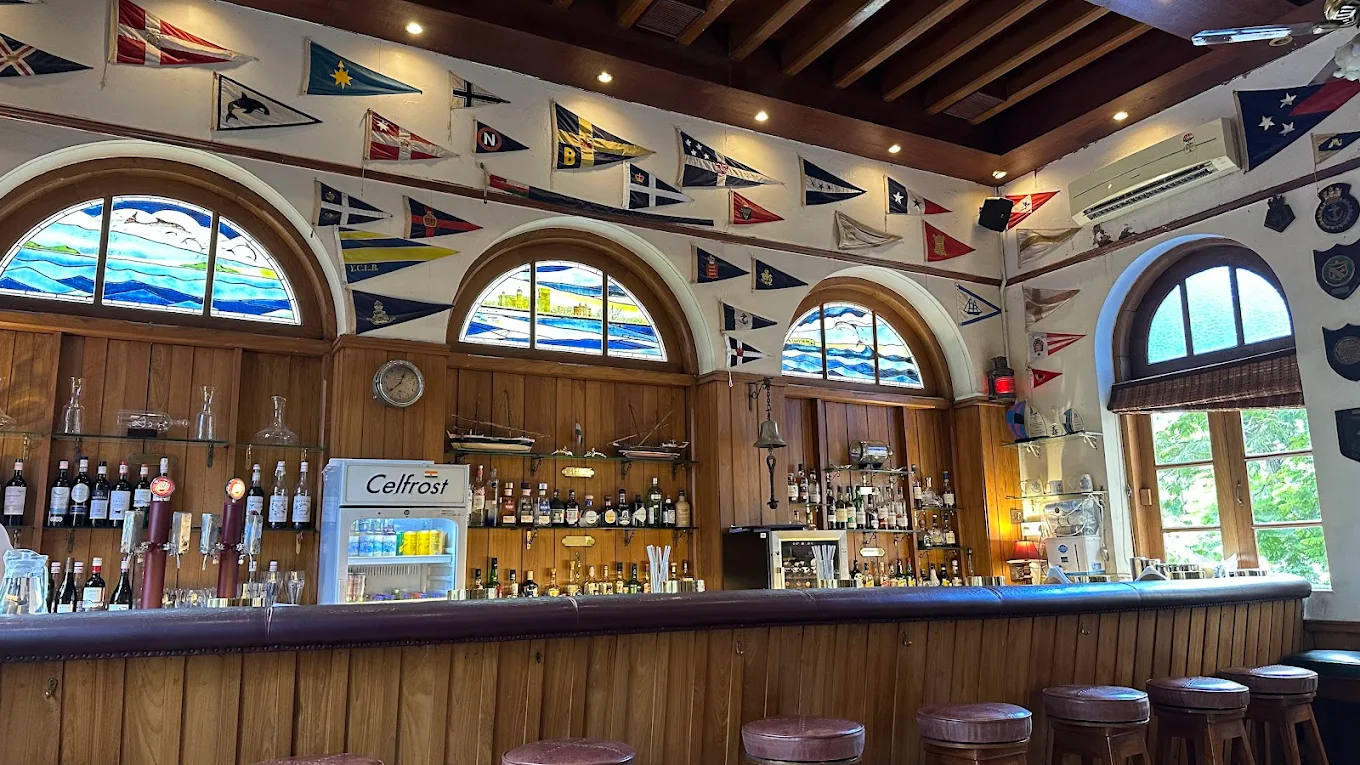
Royal Bombay Yacht Club
Mumbai’s Royal Bombay Yacht Club meanwhile represents peak colonial extravagance. Overlooking the Gateway of India, the UNESCO-recognised structure remains one of the city’s most visually striking institutions. Membership here is notoriously difficult unless one is born into an existing club family or belongs to elite sailing circles. The club’s stories are equally legendary. Field Marshal Bernard Montgomery was once reportedly asked to leave after dancing on tables post-whiskey, proving that even decorated military icons were not exempt from the club’s rules. Despite modern Mumbai transforming around it, the Yacht Club continues to preserve rituals, dining traditions and dress codes that feel lifted straight out of another century.
(Credit: Wikimedia)
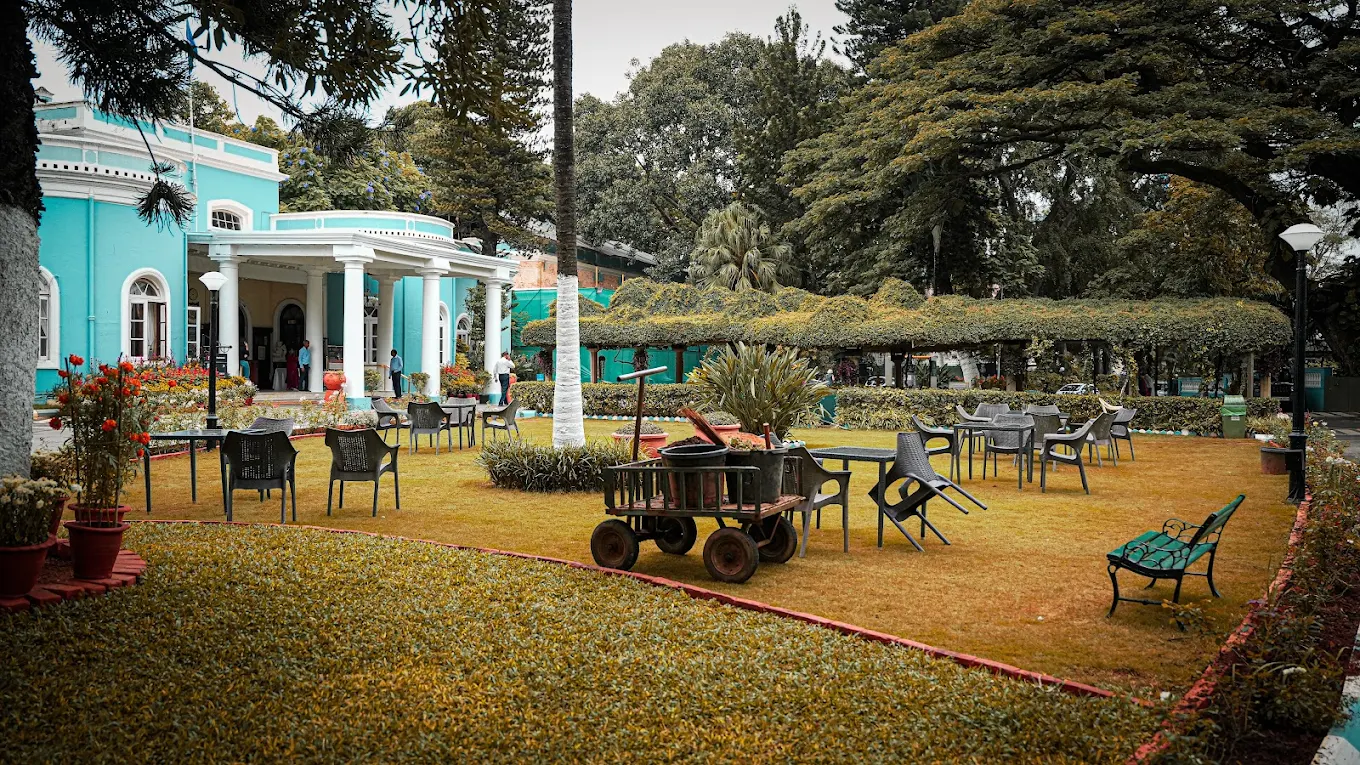
The Bangalore Club
Further south, Bangalore Club has built a reputation around exclusivity bordering on absurdity. Founded in 1863, the club famously took nearly half a century to admit its first non-royal Indian member. Winston Churchill himself once held membership here and reportedly owed the club ₹13 in unpaid dues during his military years in India. Today, however, the real legend surrounding the Bangalore Club is its membership queue. Insider accounts suggest the waiting period can stretch close to 25 years. Applicants reportedly face steep fees and even interviews with club committees before securing entry into Bengaluru’s most powerful old-money circle.
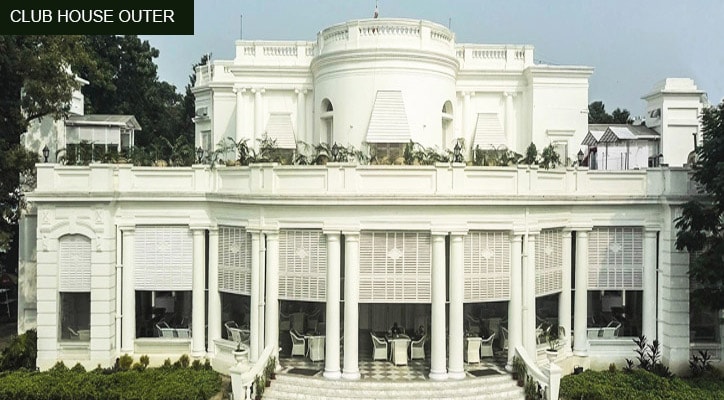
In Kolkata, Tollygunge Club represents a different flavour of elite nostalgia. Established in 1895, the club is deeply tied to Bengal’s bhadralok culture and remains one of the last surviving worlds of old Calcutta gentility. The property itself once housed members of Tipu Sultan’s exiled family before being transformed into a colonial-era club. High ceilings, arched hallways and polished wooden floors continue to define the atmosphere. The club has long attracted fiercely protective members who see it not just as a social institution but as a cultural relic worth defending from modernity.
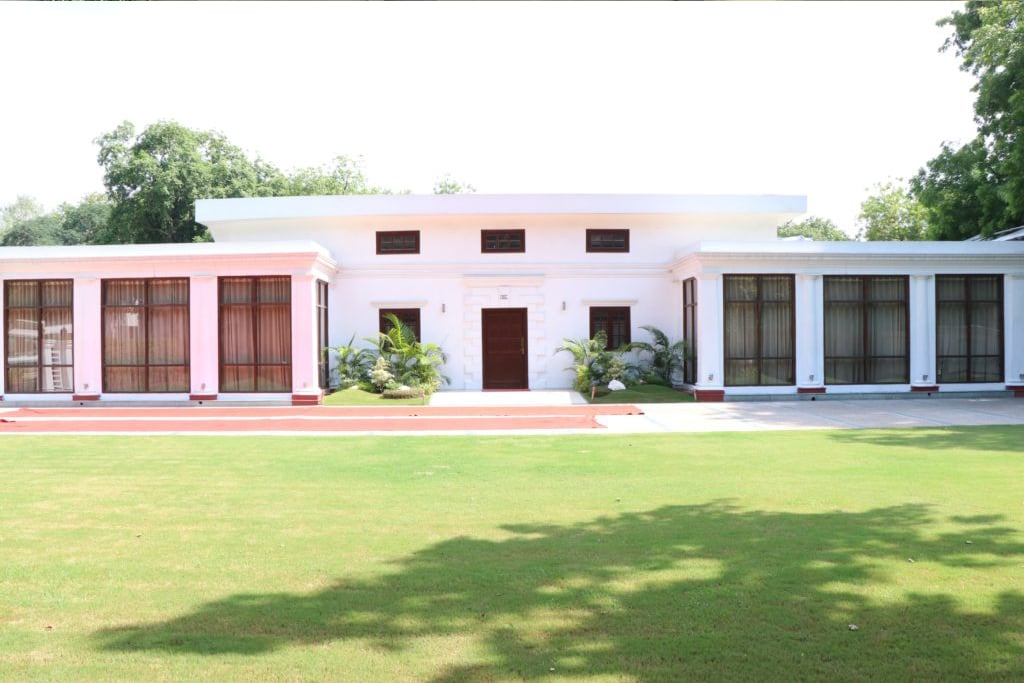
Delhi Gymkhana Club: At the centre of this old-world ecosystem sits Delhi Gymkhana Club, one of the country’s most iconic and fiercely guarded institutions. Originally founded as the Imperial Delhi Gymkhana Club in 1913 during British rule, the club dropped the word “Imperial” after Independence but retained much of its old-world aura. Designed by architect Robert Tor Russell — the same man behind Connaught Place and Teen Murti House — the sprawling club became synonymous with Delhi’s power circles. Its colonial architecture, gravel pathways, manicured lawns and legendary bars still evoke a Lutyens-era fantasy where bureaucracy, politics and inherited privilege casually overlap. Even today, a membership remains one of Delhi’s most coveted social badges.
Madras Club
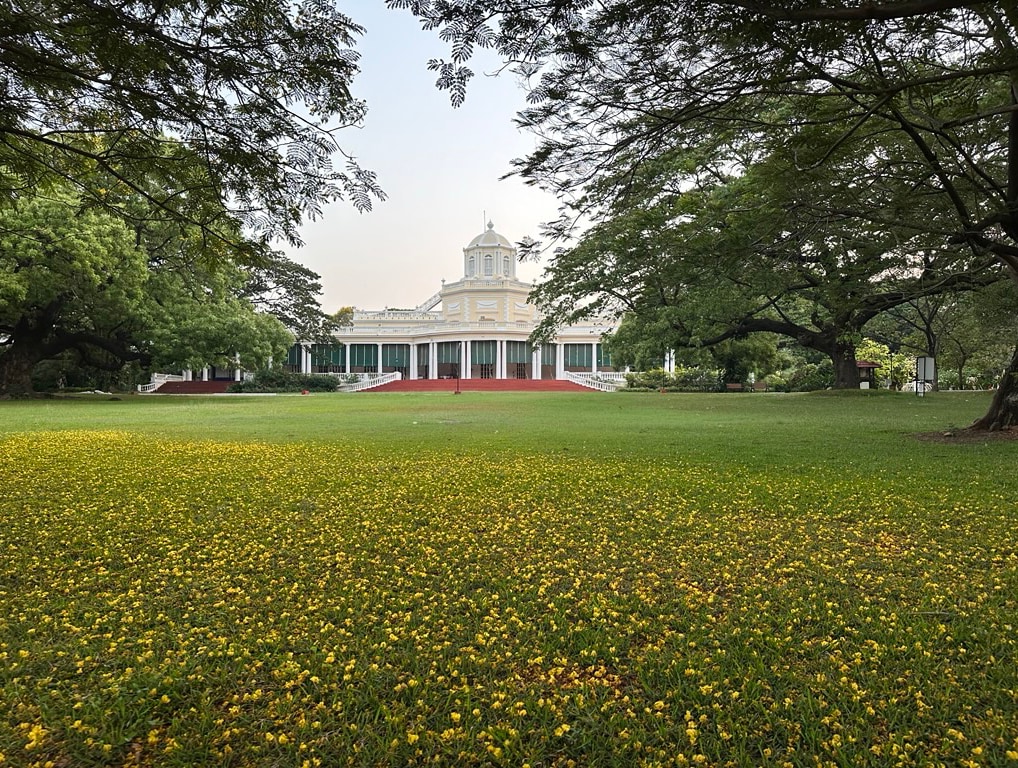
Then there is Madras Club, among the oldest clubs in India, dating back to 1832. Housed within the stunning Mowbrays Cupola, the club still retains an atmosphere of polished colonial quietness. Stories surrounding it range from haunted barber shops to staff once hired solely to keep birds from disturbing British officers’ sleep. The club is also credited by some food historians as the birthplace of mulligatawny soup, blending Tamil culinary roots with colonial dining traditions. Even today, its preserved architecture and carefully maintained interiors continue to attract members who see these clubs not as outdated relics, but as living museums of India’s layered social history.
Credit: Wikimedia/Nichefinder