









Before home pregnancy kits became widely available, people relied on various household ingredients and folk methods to determine whether they were expecting. From sugar and salt to toothpaste and baking soda, these traditional tests have been passed down through generations. While they may be interesting to know about, it’s important to remember that none of these methods are scientifically proven and should not replace a medical pregnancy test. (Image: Pinterest)
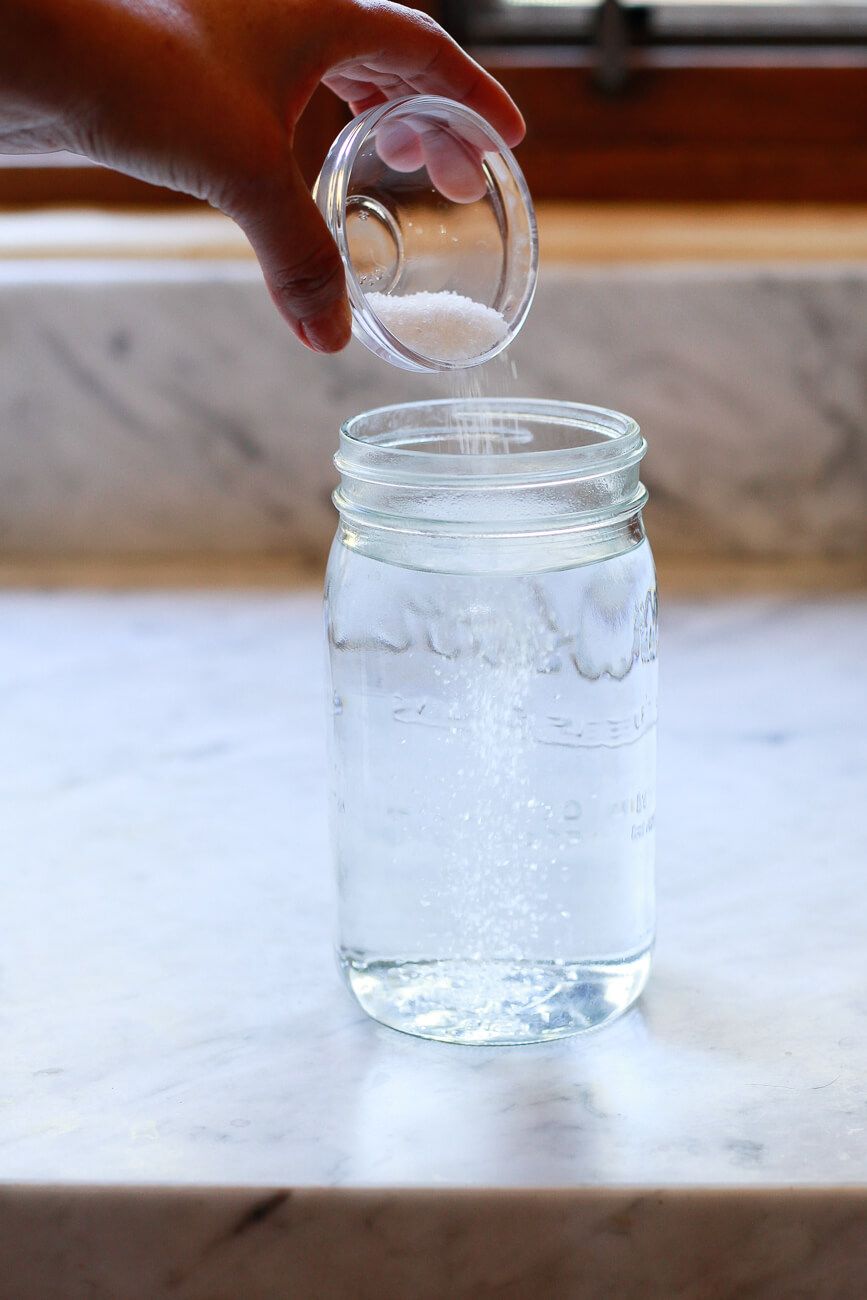
Salt Test
What you need: Salt, a clean container, and first-morning urine.
How it works: Add a pinch of salt to the urine sample and wait for a few minutes.
Traditional belief: If creamy white clumps or a fizz-like reaction appears, it is considered a sign of pregnancy. (Image: Pinterest)
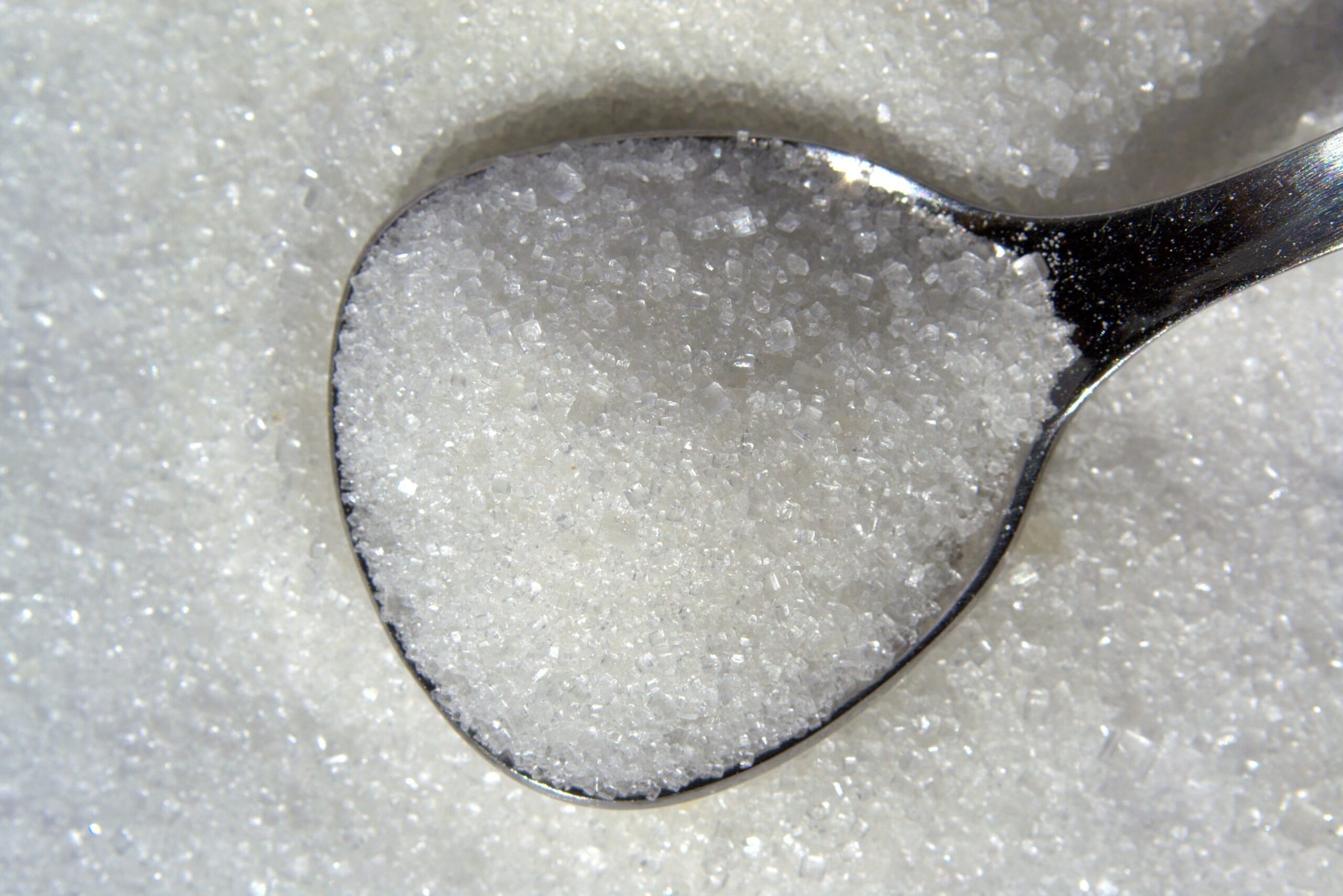
Sugar Test
What you need: One tablespoon of sugar and urine sample.
How it works: Pour urine over the sugar and leave it undisturbed.
Traditional belief: If the sugar forms clumps instead of dissolving, it is believed to indicate pregnancy. (Image: Pexels)
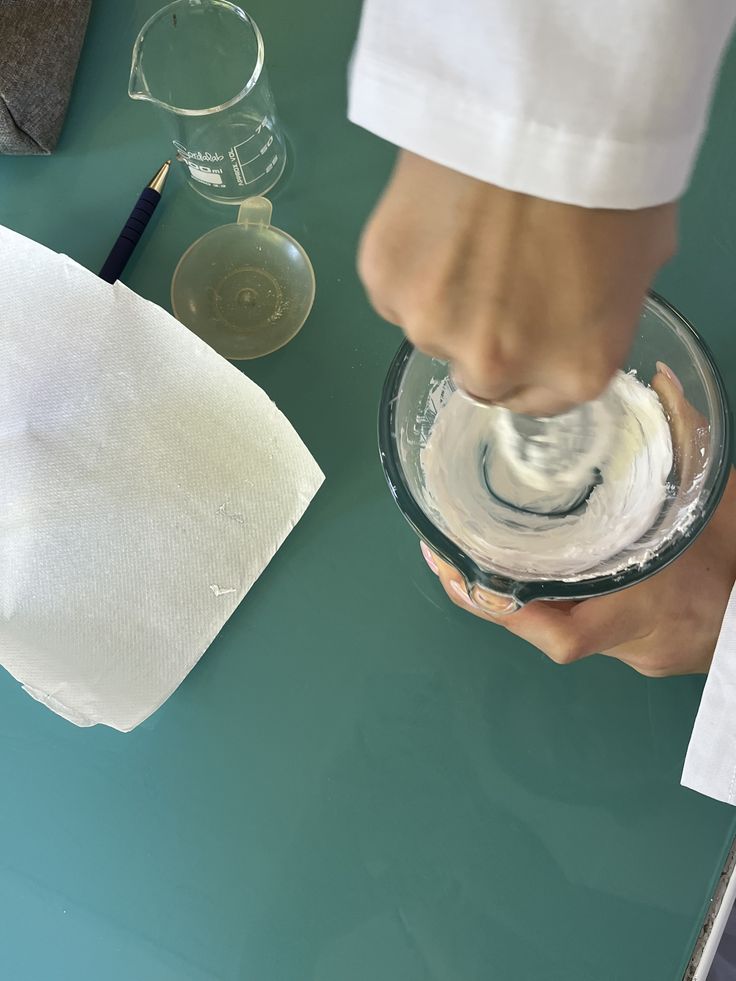
Baking Soda Test
What you need: Baking soda and urine sample.
How it works: Add a teaspoon of baking soda to the sample.
Traditional belief: A fizzing reaction similar to soda bubbles is believed to be a positive sign. (Image: Pinterest)
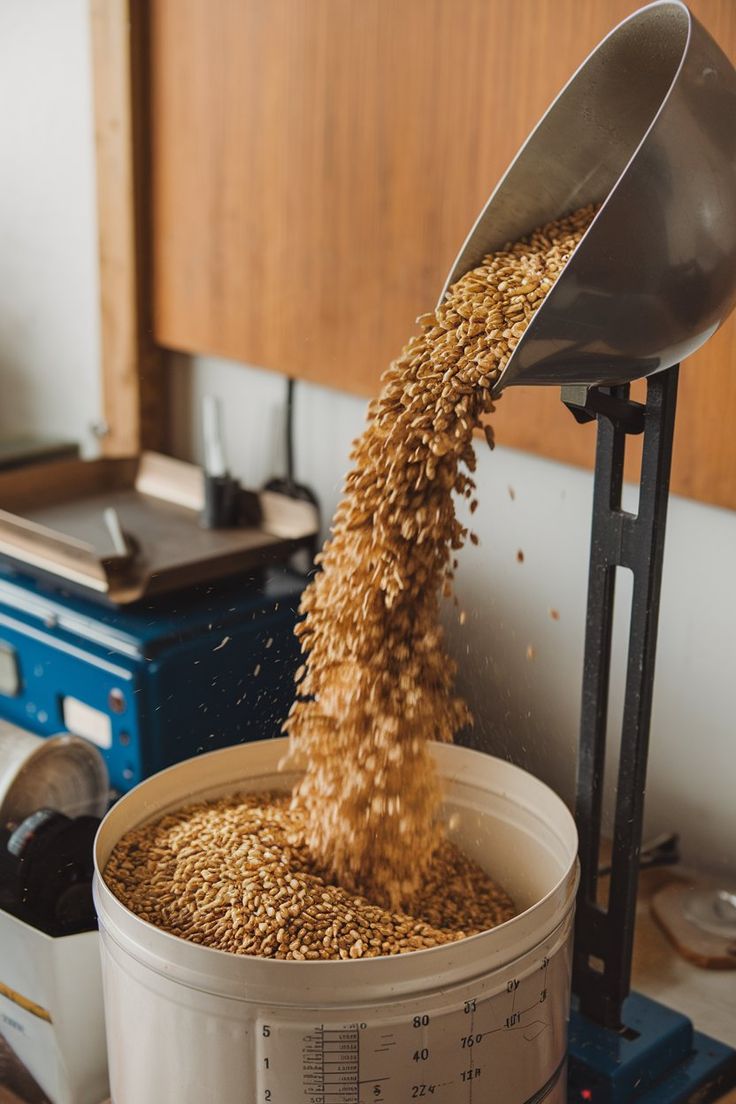
Wheat and Barley Test
What you need: Wheat or barley grains and urine samples.
How it works: Soak the grains in urine and leave them for a few days.
Traditional belief: If the grains sprout, it is traditionally interpreted as a sign of pregnancy. (Image: Pinterest)
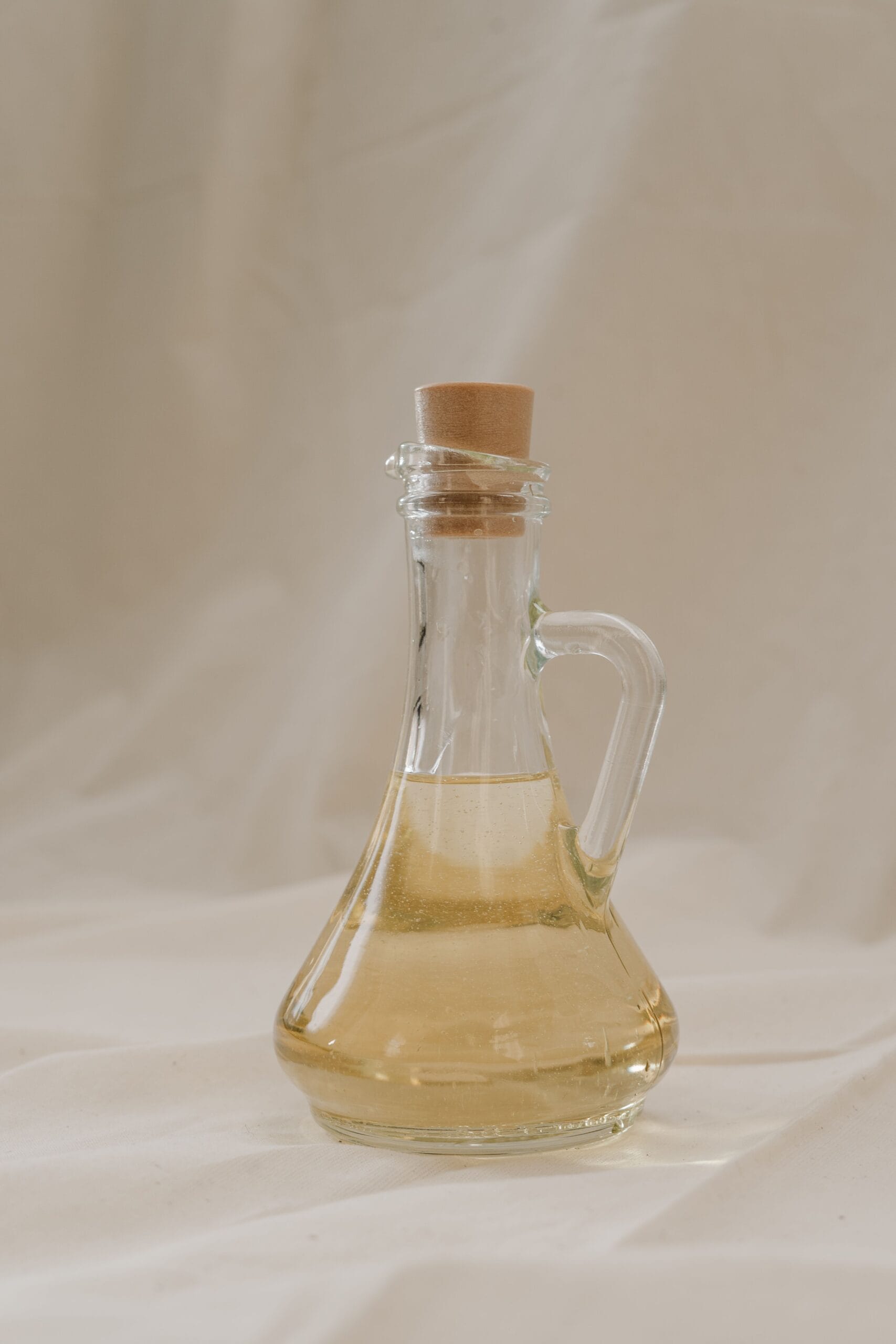
White Vinegar Test
What you need: Distilled white vinegar and urine.
How it works: Mix both ingredients and wait for a few minutes.
Traditional belief: Bubbling or a change in colour is believed to indicate pregnancy. (Image: Pexels)

Soap Test
What you need: A small piece of soap and urine.
How it works: Pour urine over the soap and observe the reaction.
Traditional belief: Formation of bubbles or foam is considered a positive sign. (Image: Pinterest)

Stored Urine Test
What you need: A clean glass jar and first-morning urine.
How it works: Store the sample undisturbed for 24 hours.
Traditional belief: The appearance of a thin film or layer on top is thought to suggest pregnancy. (Image: Pinterest)

Disclaimer: These home remedies were based on traditional beliefs and are not scientifically proven methods for confirming pregnancy. Reactions can vary due to several factors unrelated to pregnancy. For accurate results, use a certified home pregnancy test kit or consult a healthcare professional. (Image: Pinterest)