








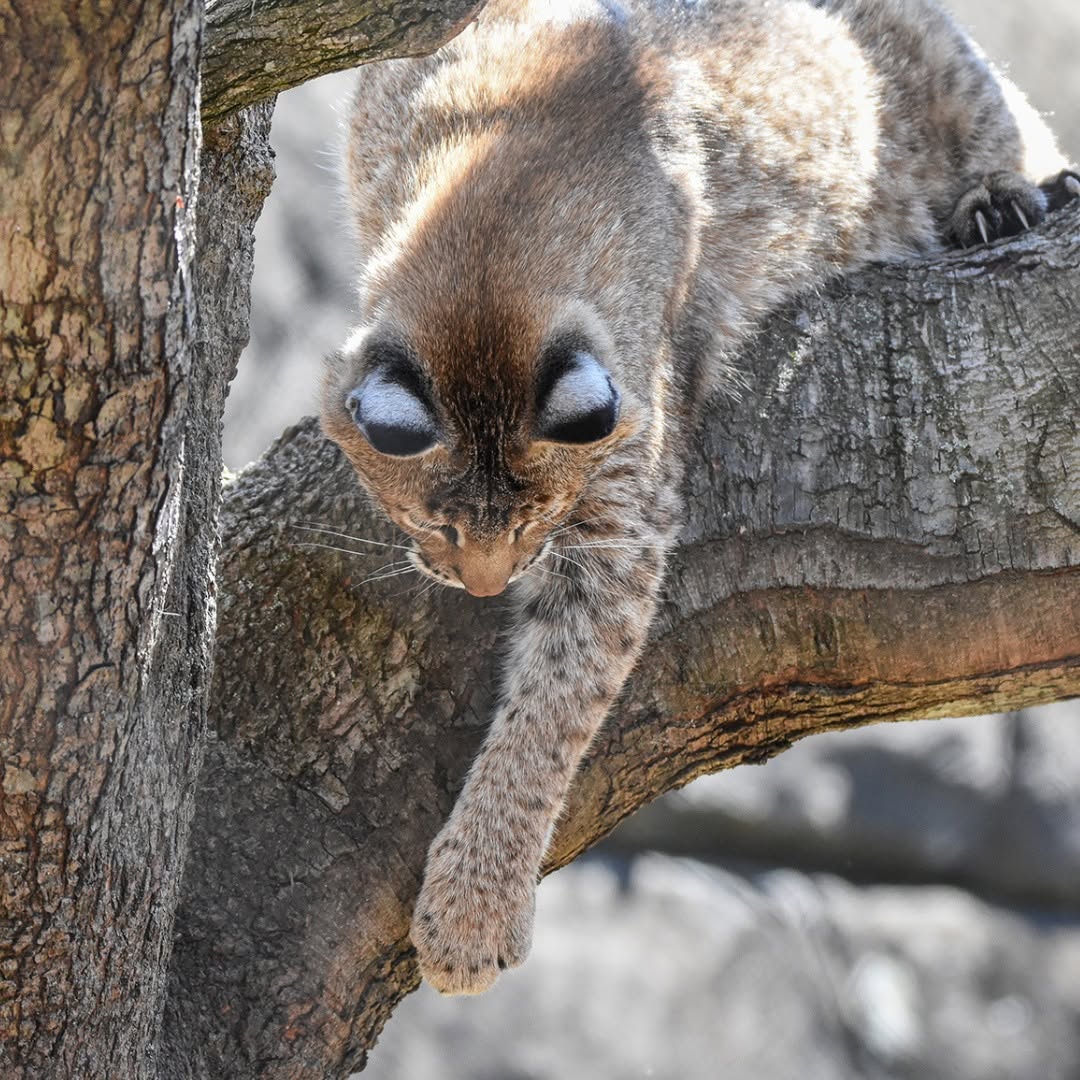
In the wild, survival often depends on deception. Some animals have evolved fascinating markings that look like eyes, known as “eyespots,” to scare predators, confuse attackers, or make themselves appear larger than they really are. From butterflies to fish, these fake eyes are one of nature’s smartest defence mechanisms. (Image: Wikimedia Commons)
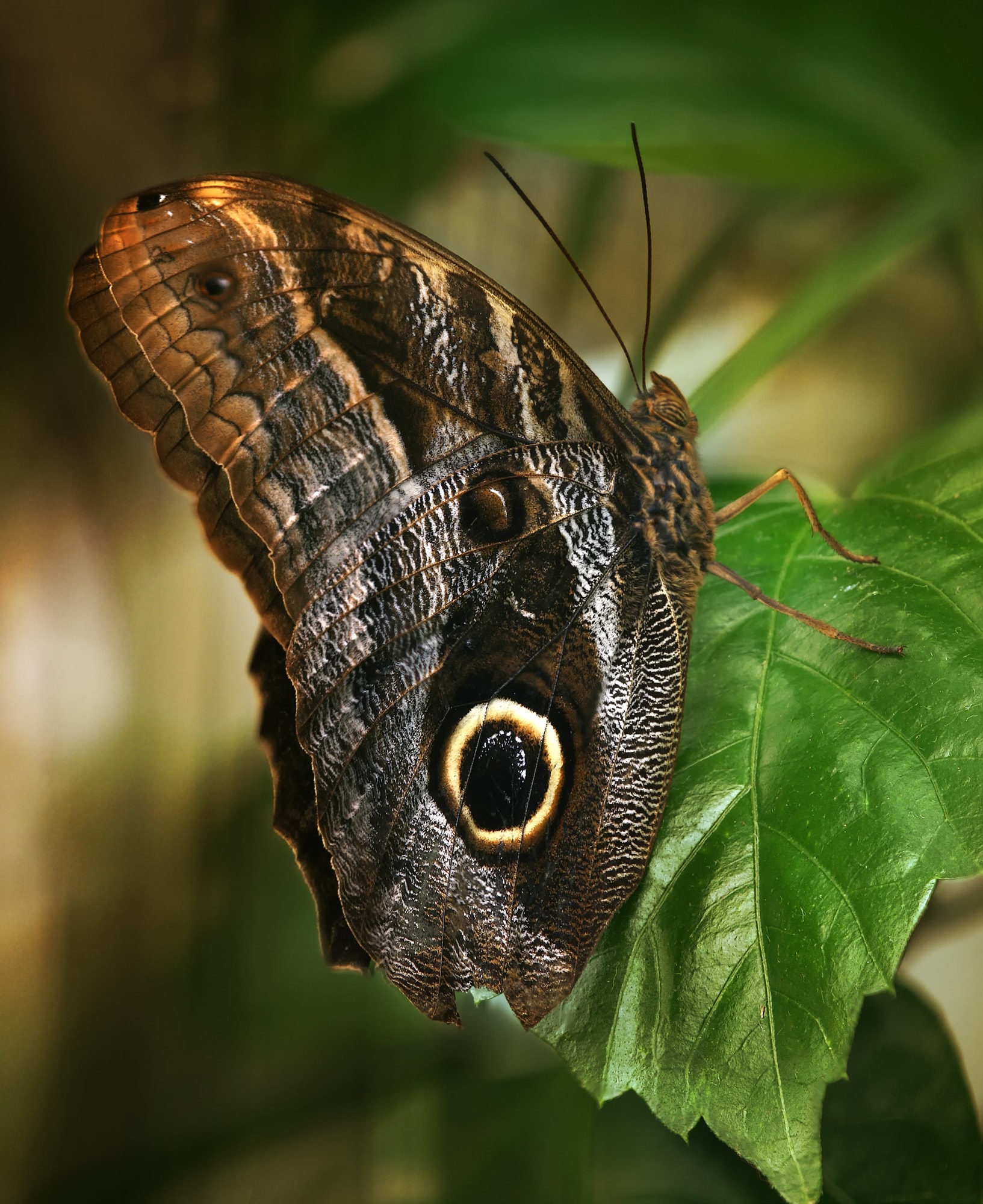
Owl Butterfly: The owl butterfly is famous for the giant eye-like patterns on its wings that resemble an owl’s eyes. When threatened, it opens its wings to startle predators like birds and lizards, giving the illusion of a much larger animal. (Image: Wikimedia Commons)
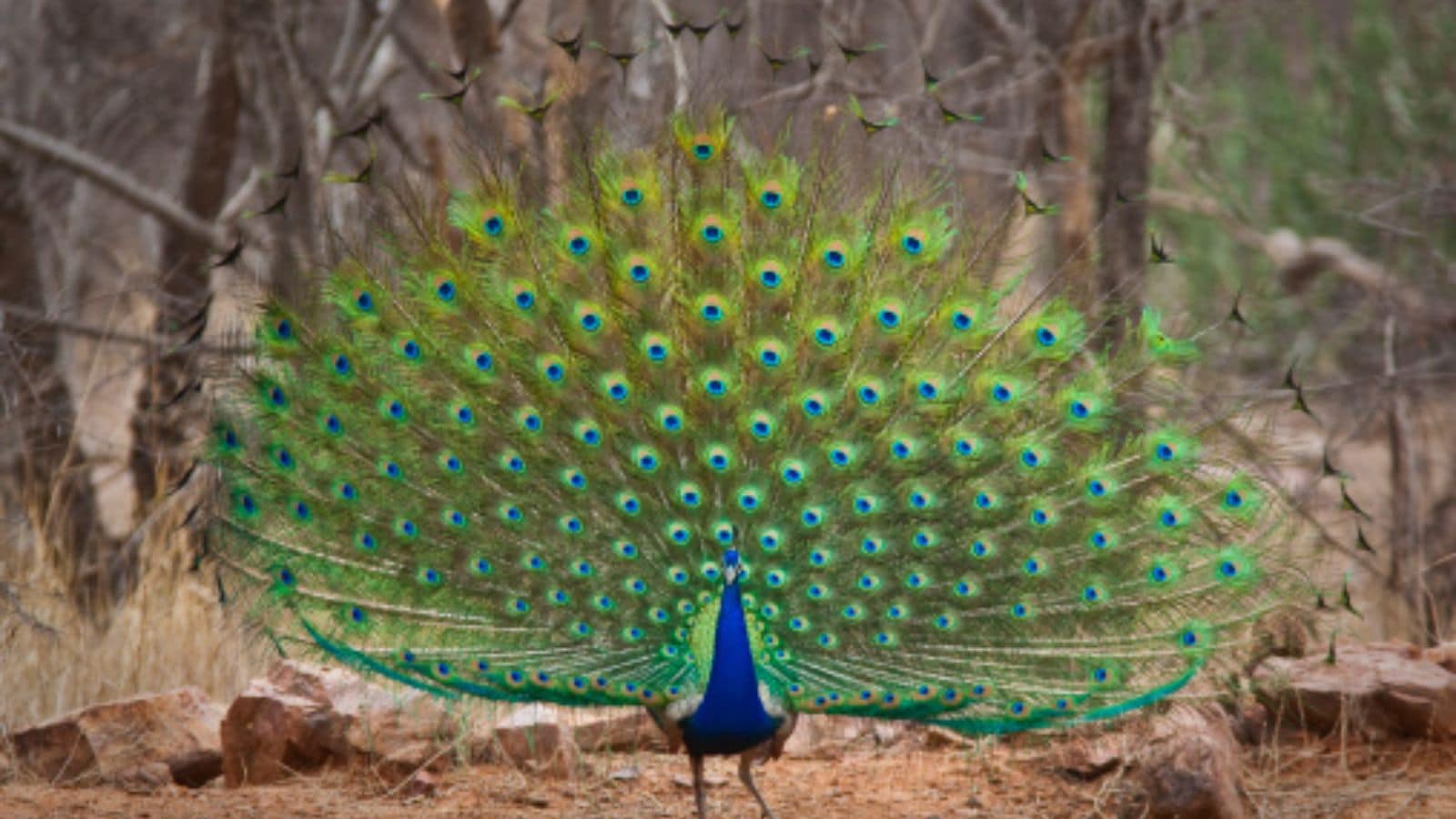
Peacock: A peacock’s colourful tail feathers contain striking eye-shaped patterns called ocelli. These are mainly used to attract mates, but they may also help intimidate predators by creating the appearance of multiple staring eyes. (File Photo)
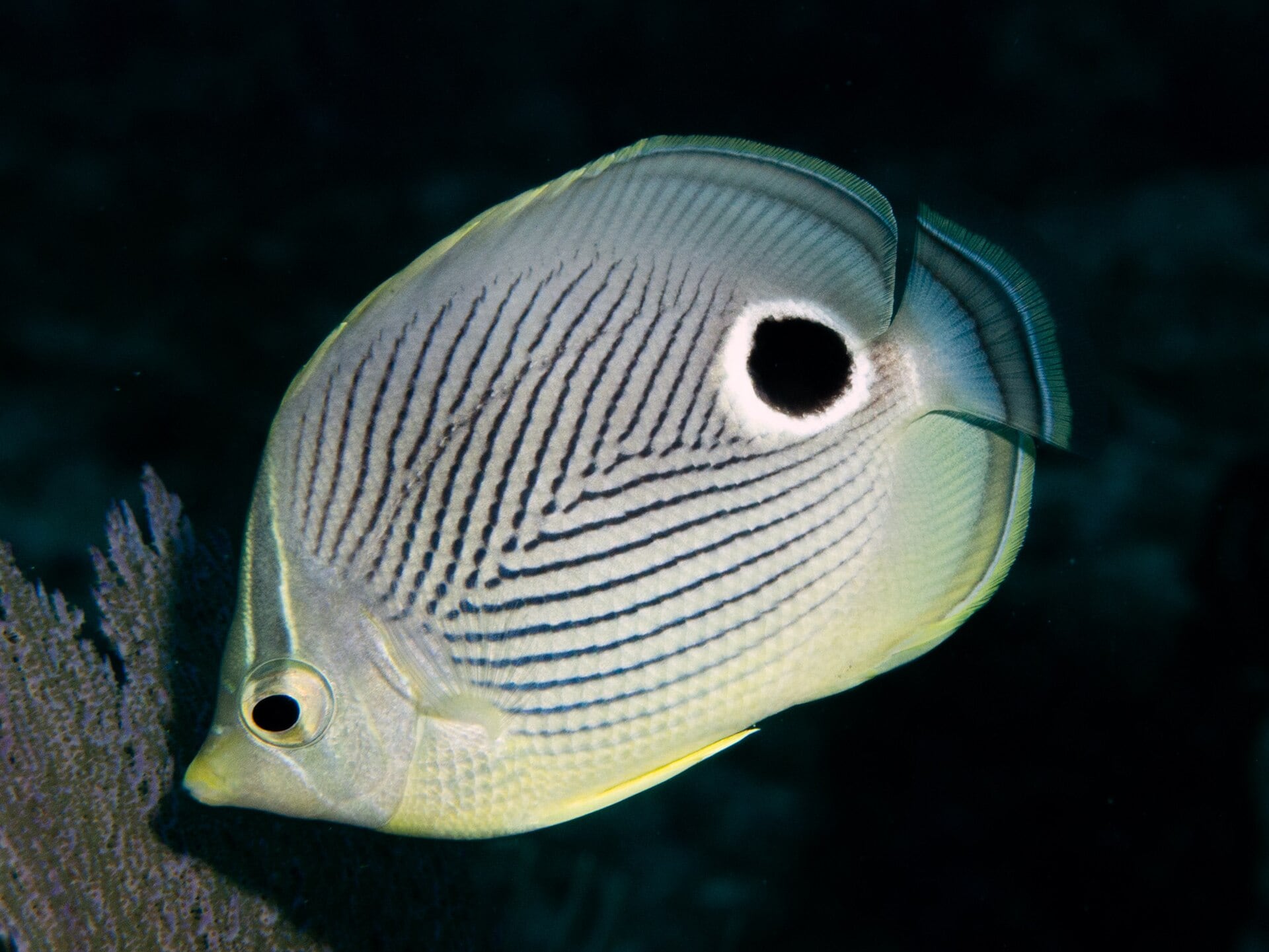
Four-Eyed Butterflyfish: This tropical fish has a fake eye near its tail while its real eye is hidden by a dark stripe. Predators often attack the wrong end, giving the fish a better chance to escape. (Image: Wikimedia Commons)
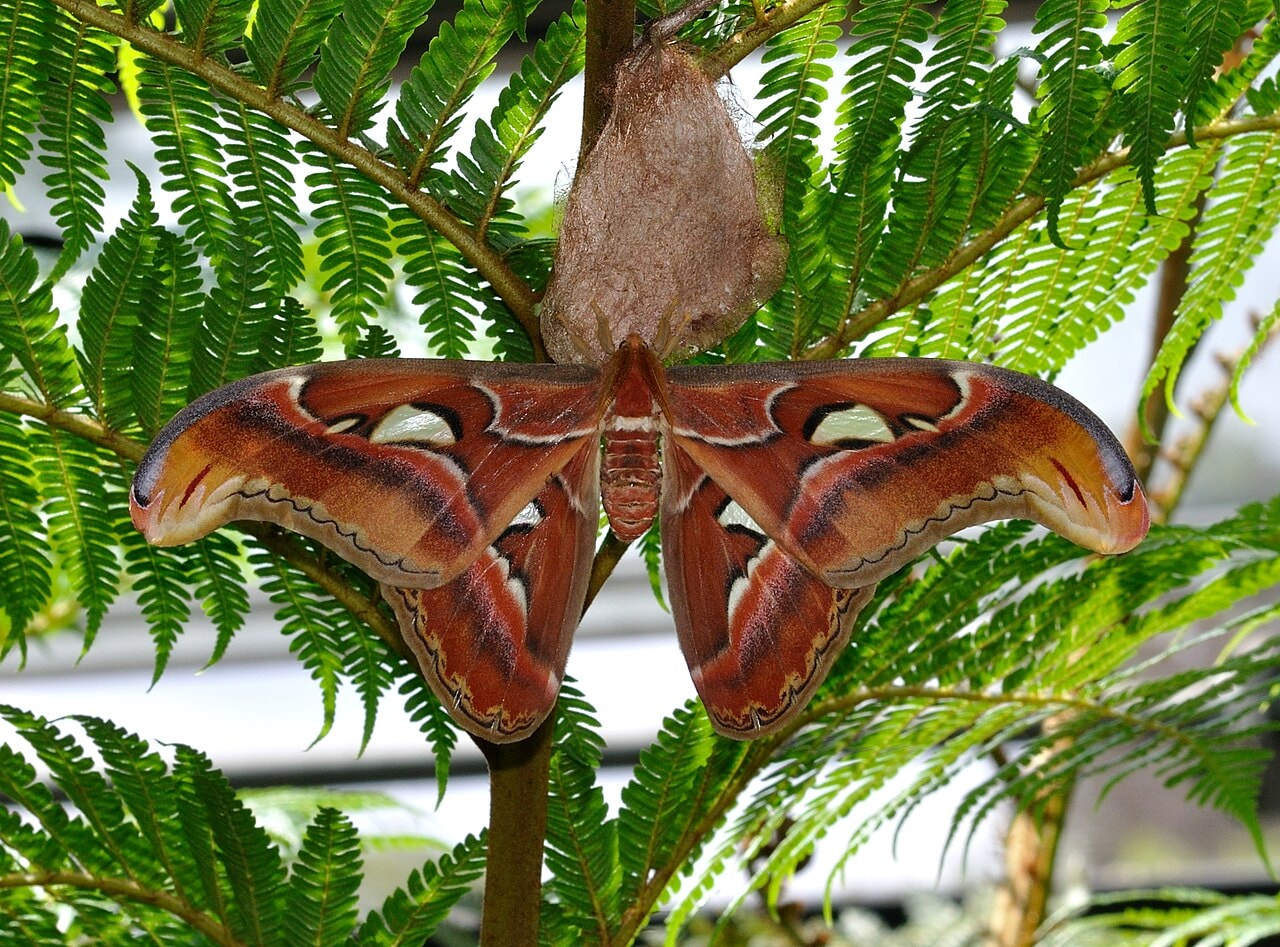
Atlas Moth: One of the world’s largest moths, the atlas moth has wing patterns that resemble snake heads with eye-like markings. These intimidating designs help scare away predators. (Image: Wikimedia Commons)
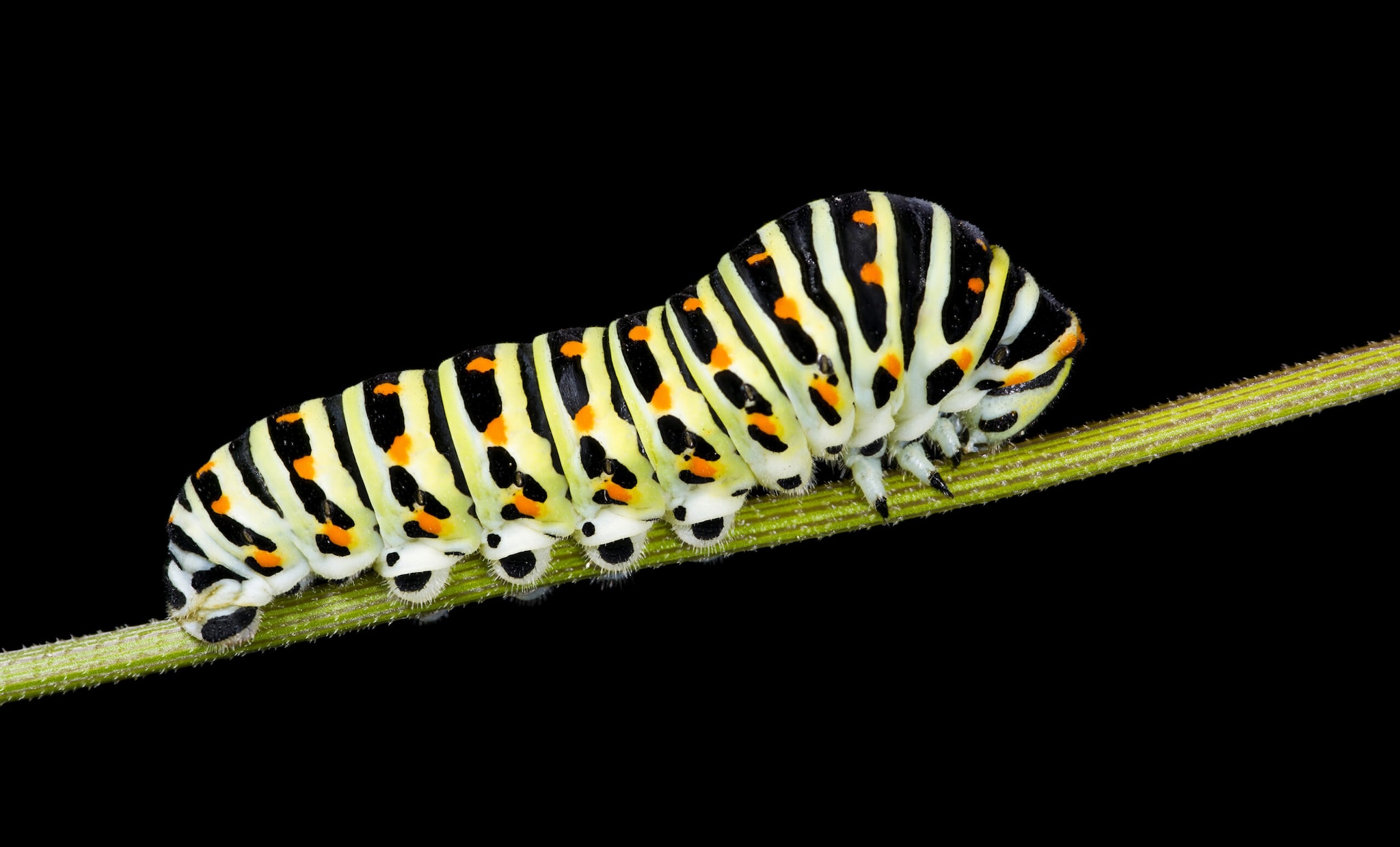
Caterpillar: Many caterpillar species display fake eye patterns on their bodies. Some even puff themselves up when threatened, making them look like snakes to frighten birds and other predators. (Image: Wikimedia Commons)
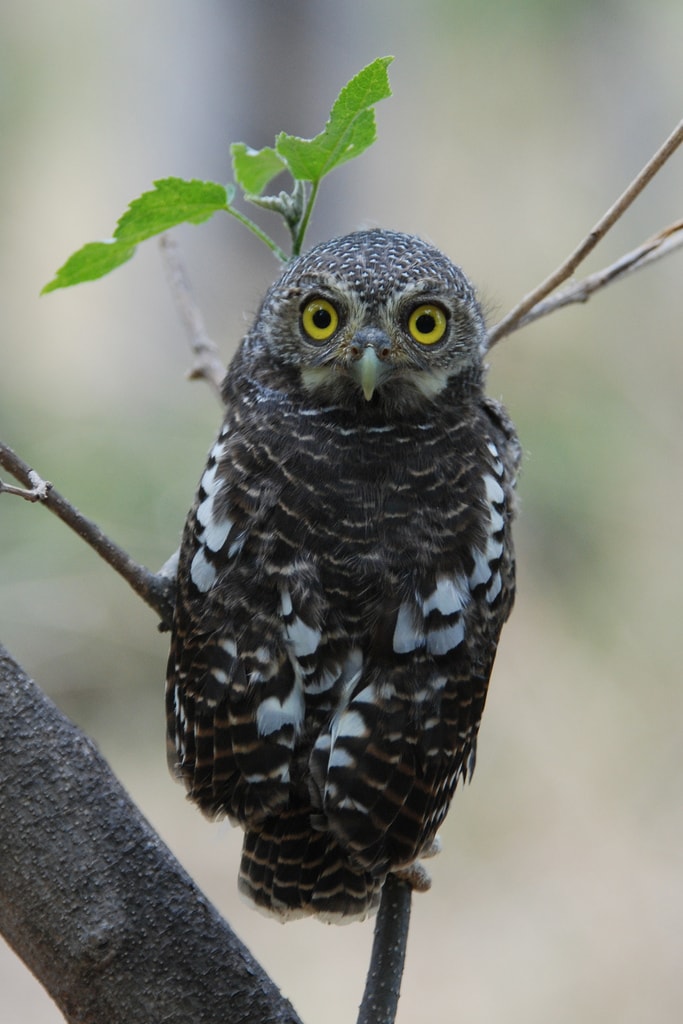
Pygmy Owl: The pygmy owl has dark spots on the back of its head that resemble eyes. Scientists believe these markings may reduce attacks from other birds by making it look like the owl is always watching. (Image: Wikimedia Commons)
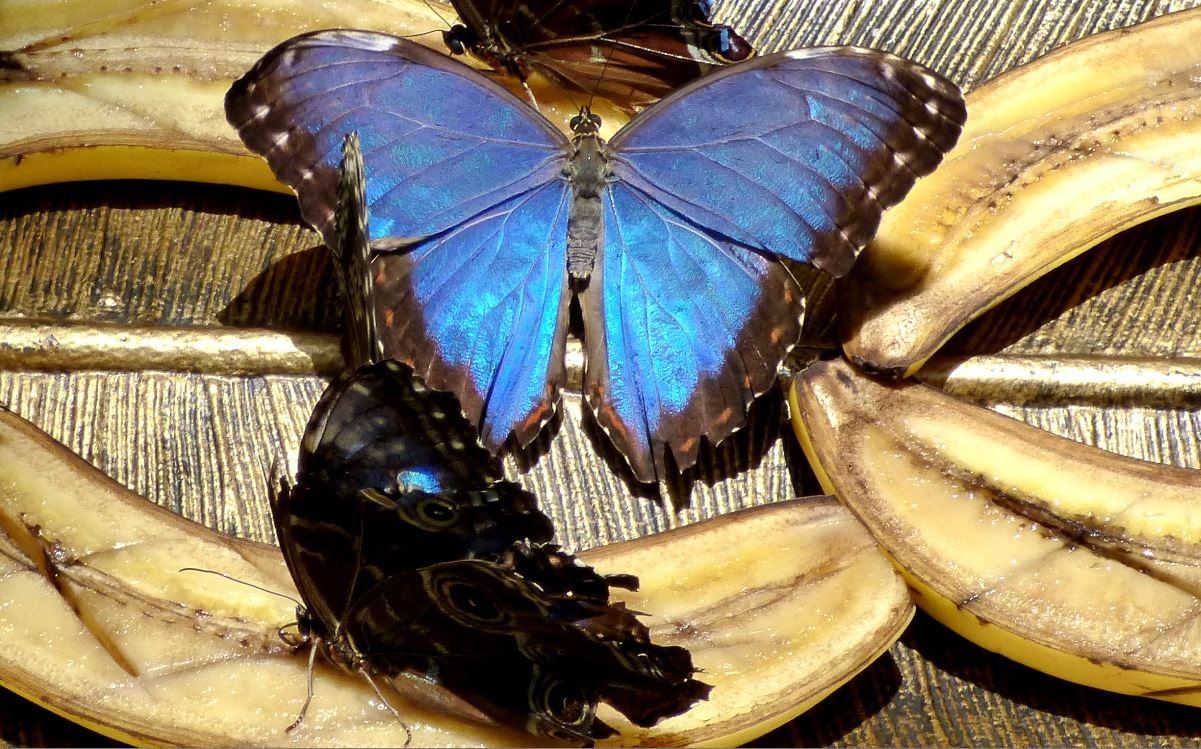
Blue Morpho Butterfly: Some species of morpho butterflies have eye-like wing markings that become visible when they flap their wings. These sudden flashes can confuse predators and help the butterfly escape. (Image: Wikimedia Commons)
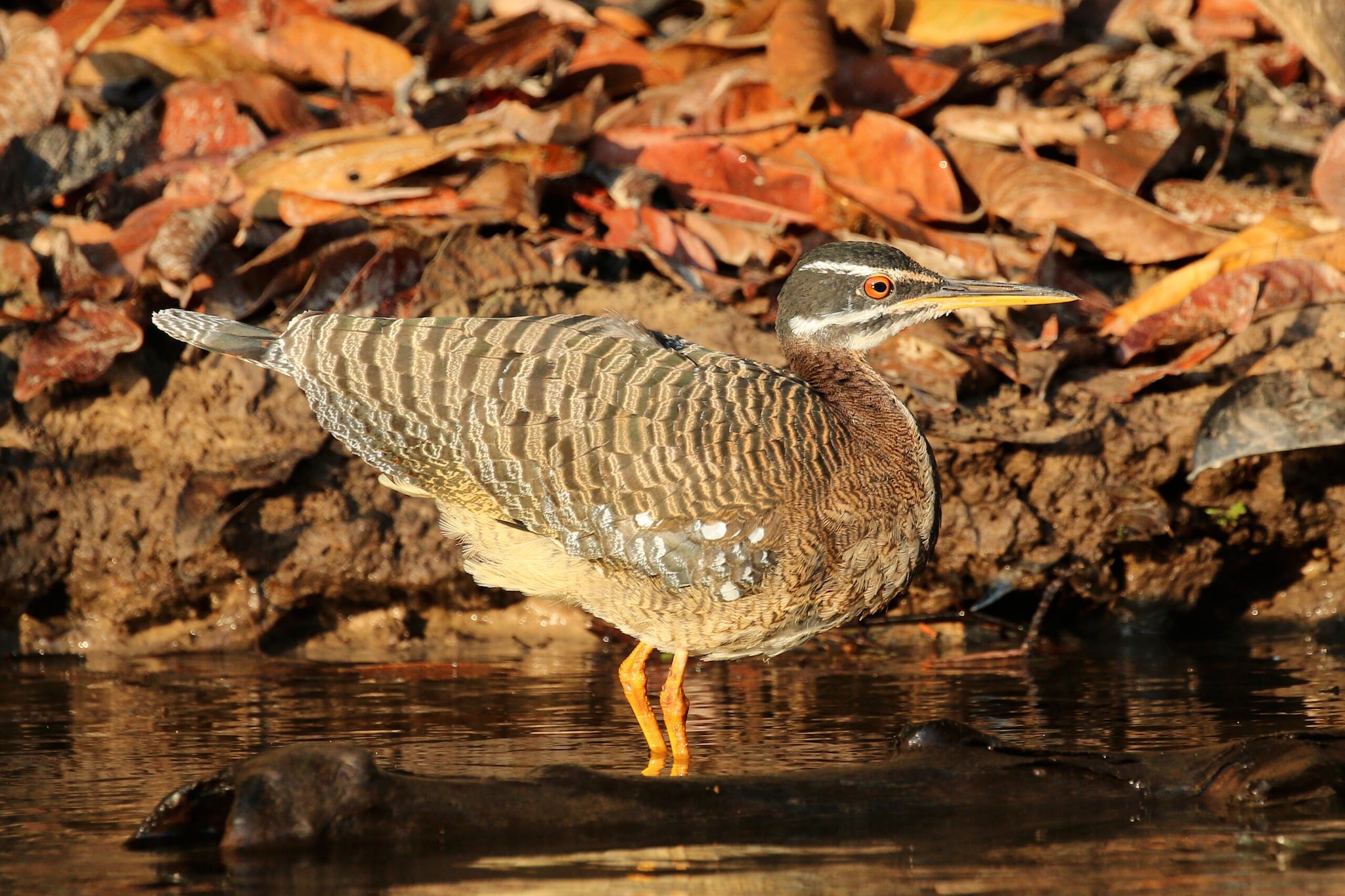
Sunbittern: This unusual bird reveals dramatic eye-like patterns on its wings when threatened. The display makes it appear much larger and more intimidating to predators. (Image: Wikimedia Commons)
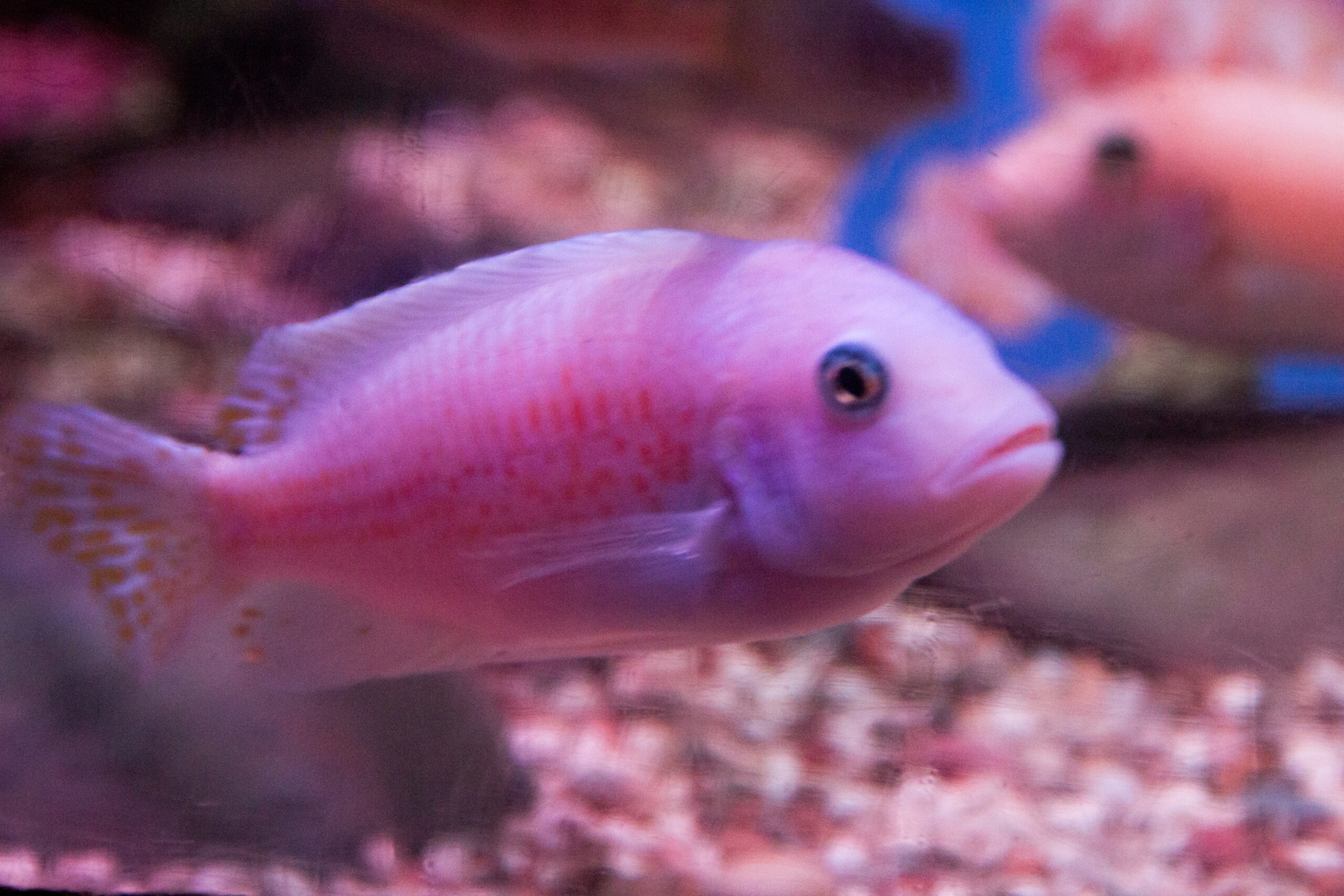
Cichlid: Several cichlid fish species have fake eye spots near their tails or fins. These markings can distract predators and sometimes even play a role in mating behaviour. (Image: Wikimedia Commons)
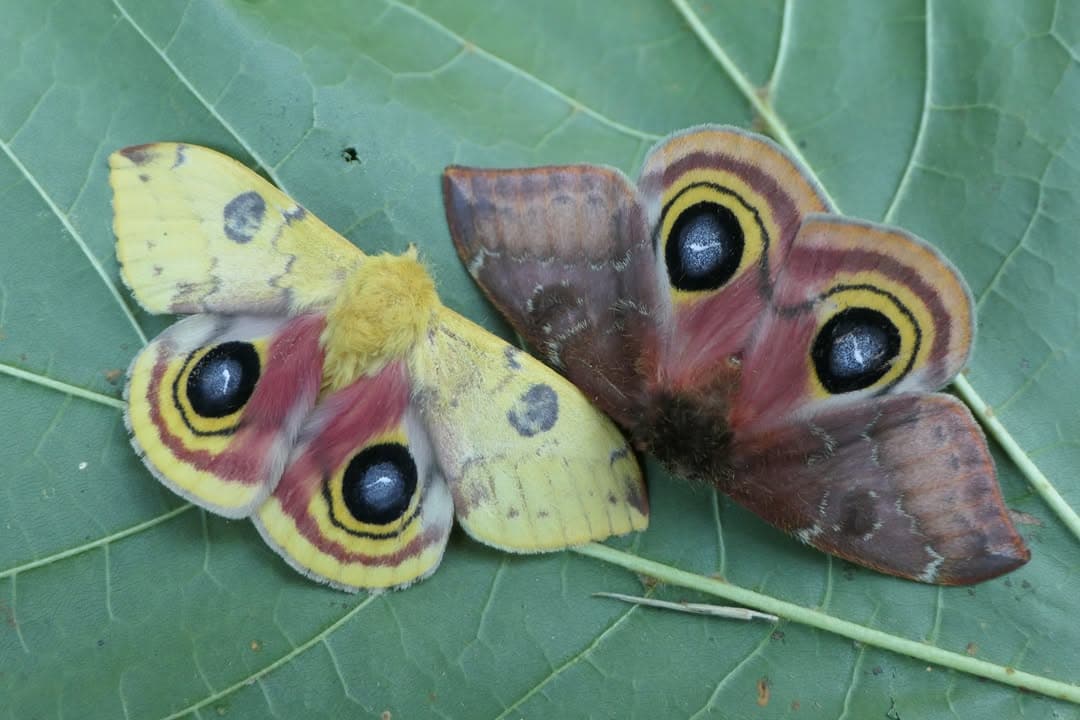
Io Moth: The io moth hides large eye-like markings on its hindwings. When disturbed, it suddenly flashes these “eyes” to startle predators long enough to escape. (Image: Instagram)