





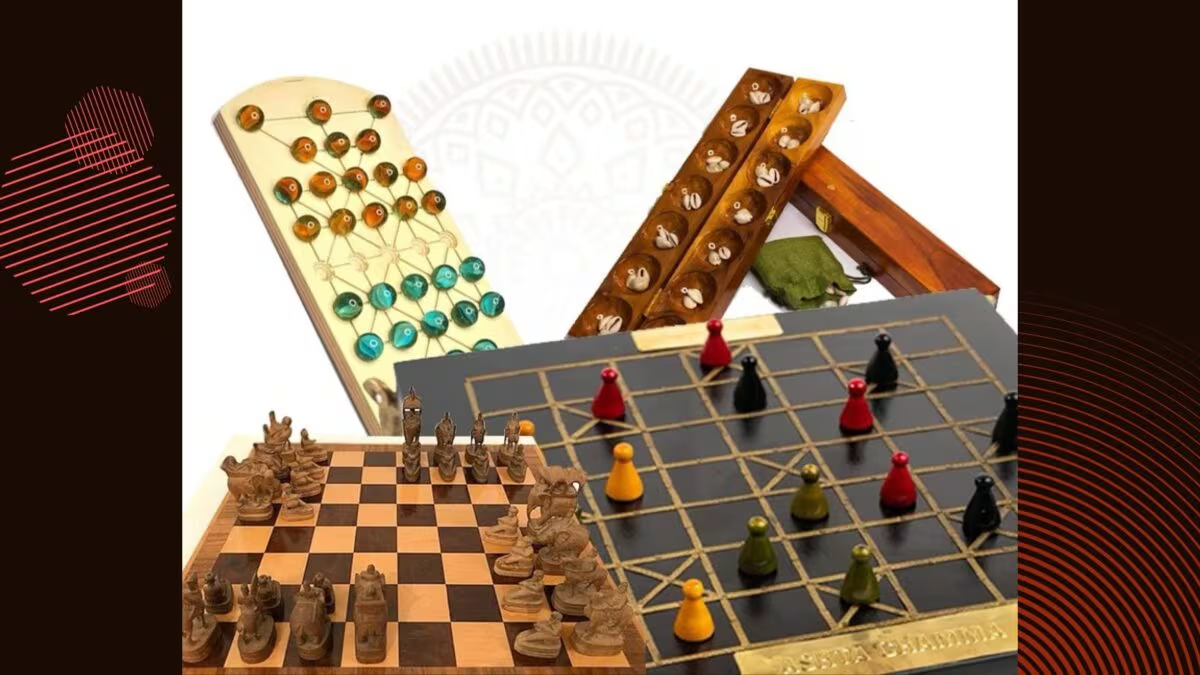
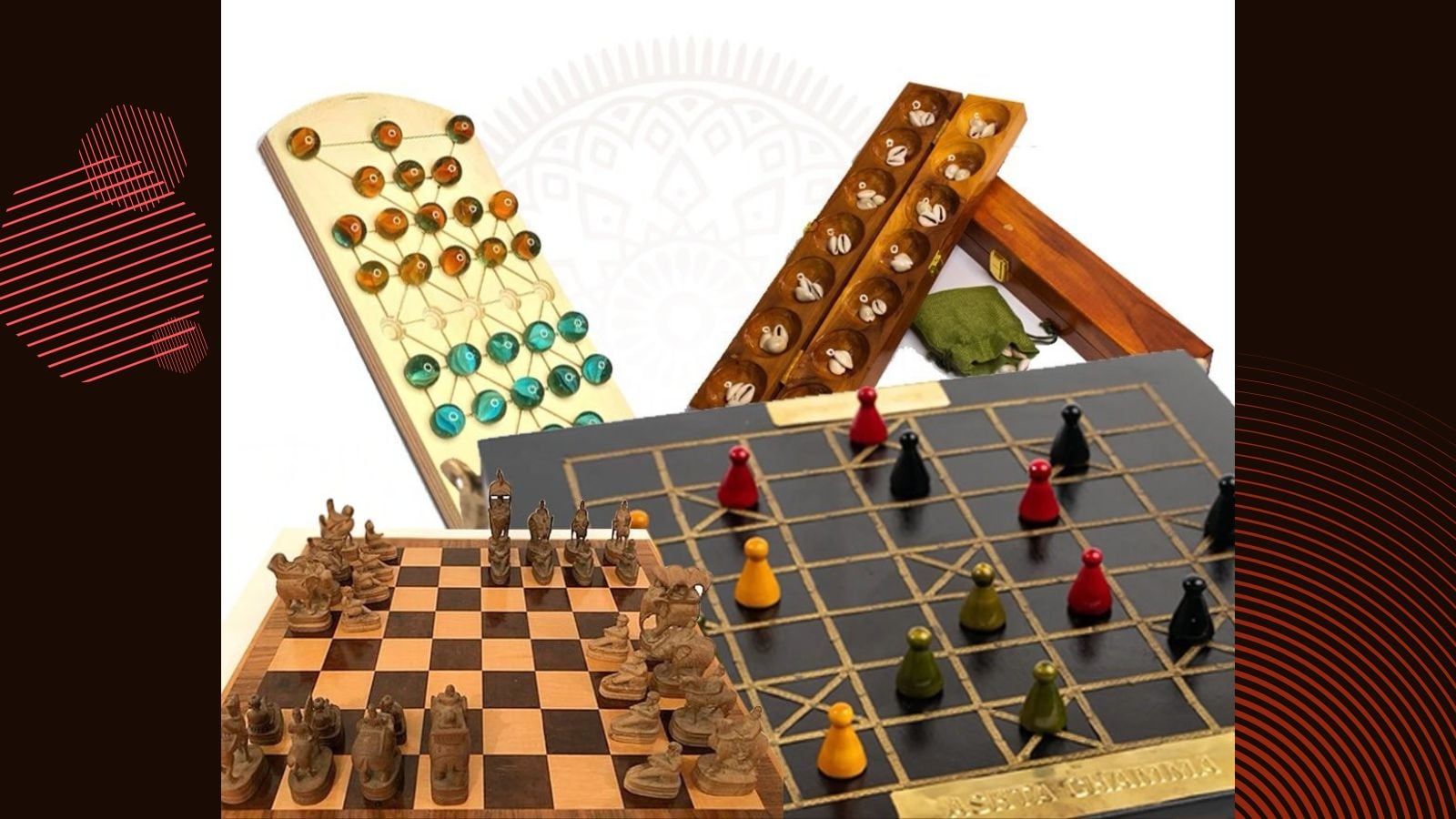
Before smartphones and video games, India’s homes and royal courts came alive with fascinating board games that blended fun with strategy, storytelling and life lessons. From chess-inspired battles to games teaching morality and logic, these ancient classics continue to influence modern gaming culture even today.
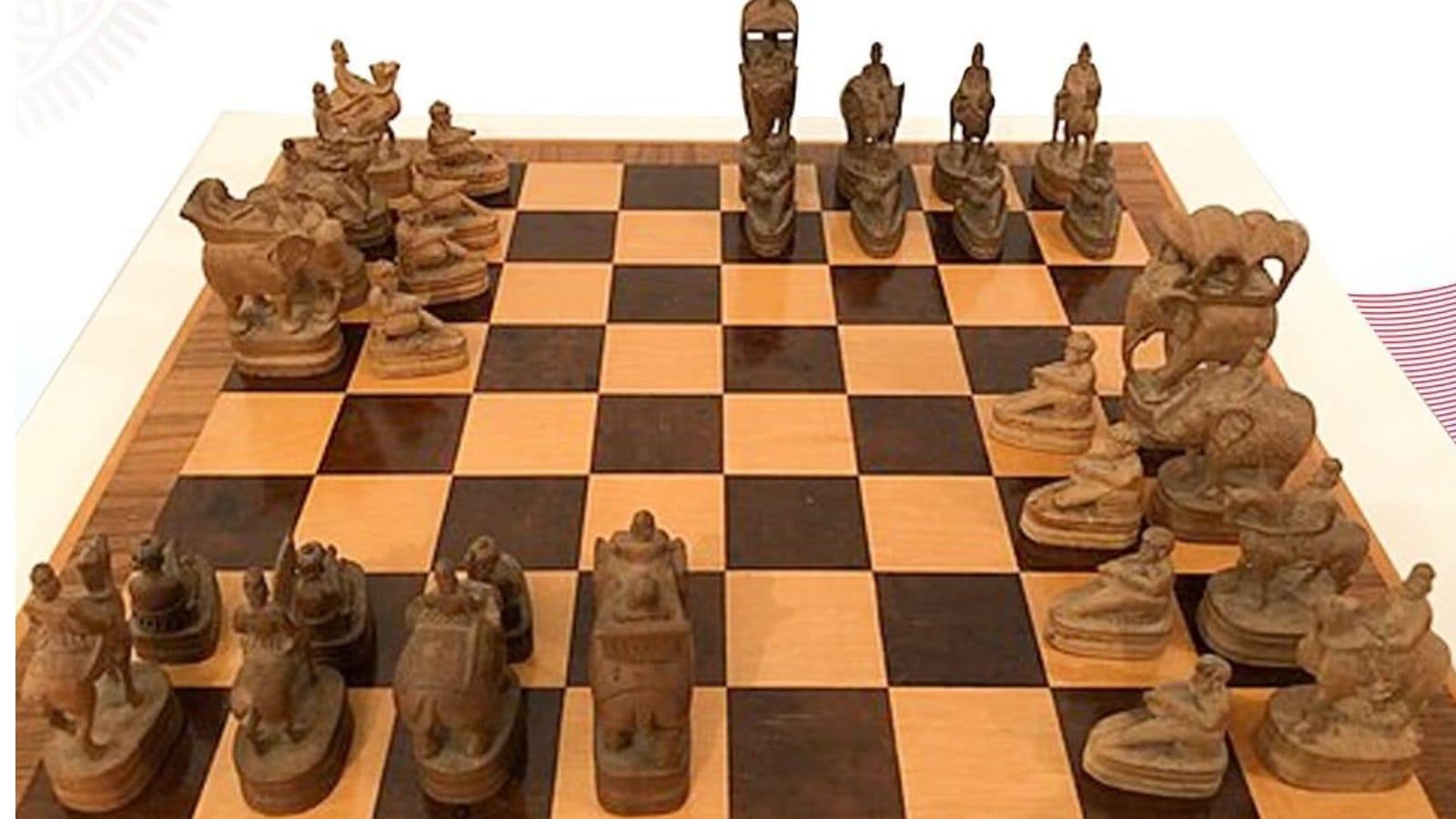
Chaturanga: Chaturanga is considered the ancient predecessor of modern chess. Originating in India around the 6th century, the game featured infantry, cavalry, elephants and chariots representing military divisions. Over centuries, it evolved into the chess played across the world today.
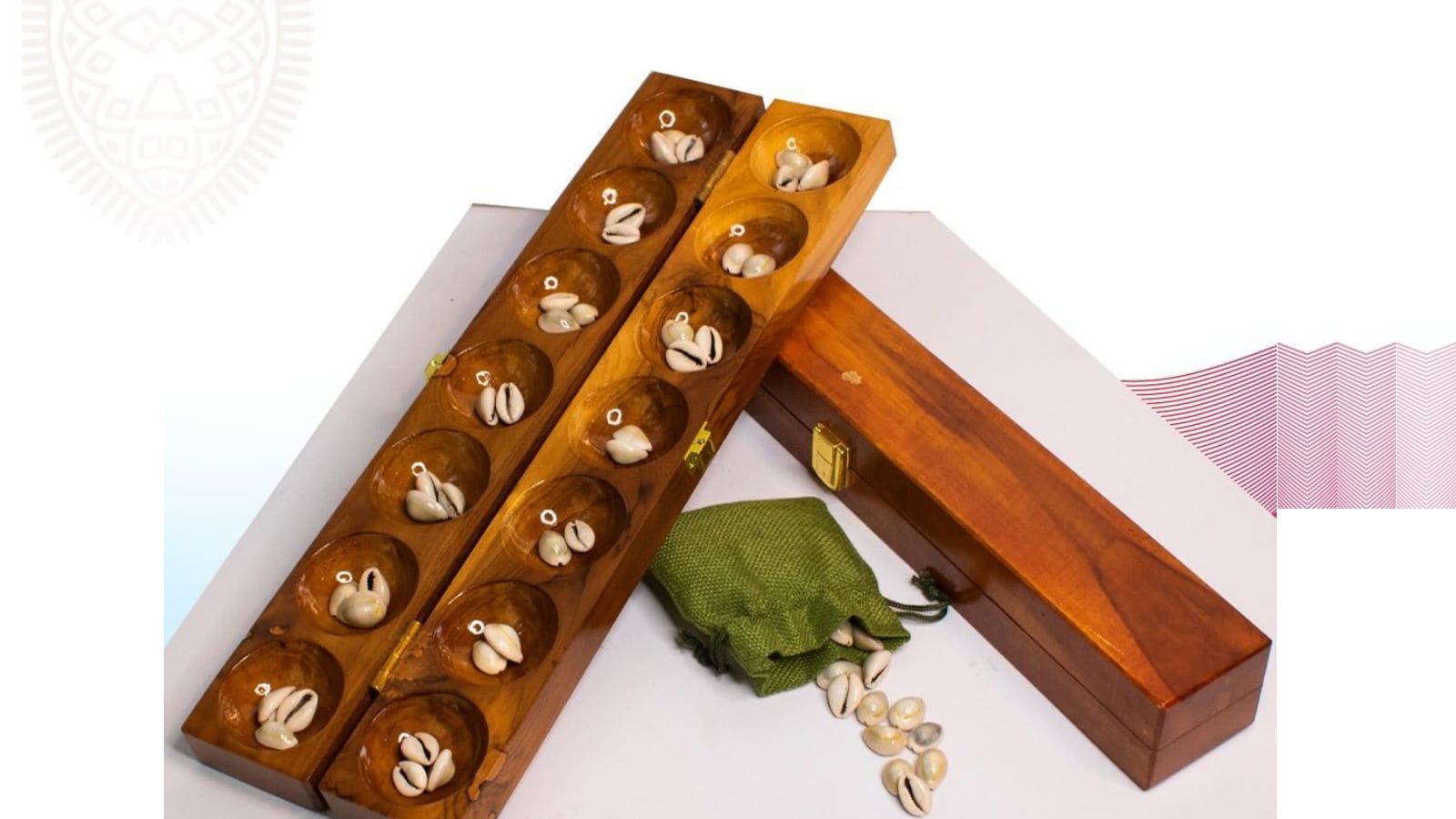
Pallanguzhi: Pallanguzhi is a popular traditional game from South India played on a wooden board with small pits filled with seeds or shells. The game improves counting skills, concentration and strategy. It has been passed down through generations, especially among women and children.
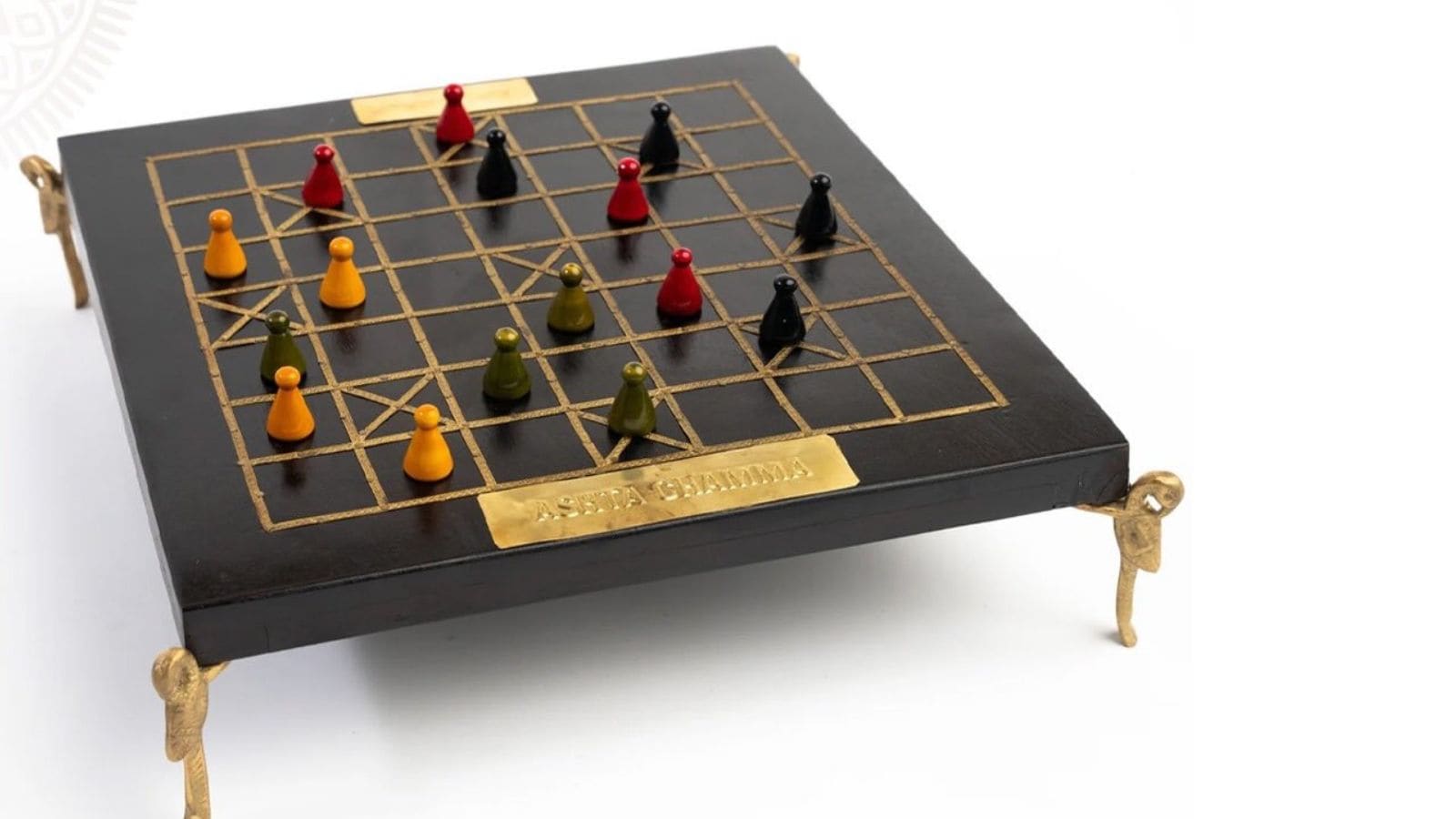
Ashta Chamma: Ashta Chamma is a traditional dice game from Andhra Pradesh and Karnataka that inspired modern games like Ludo. Played with cowrie shells instead of dice, the game requires players to move tokens across a cross-shaped board while planning strategic moves to defeat opponents.
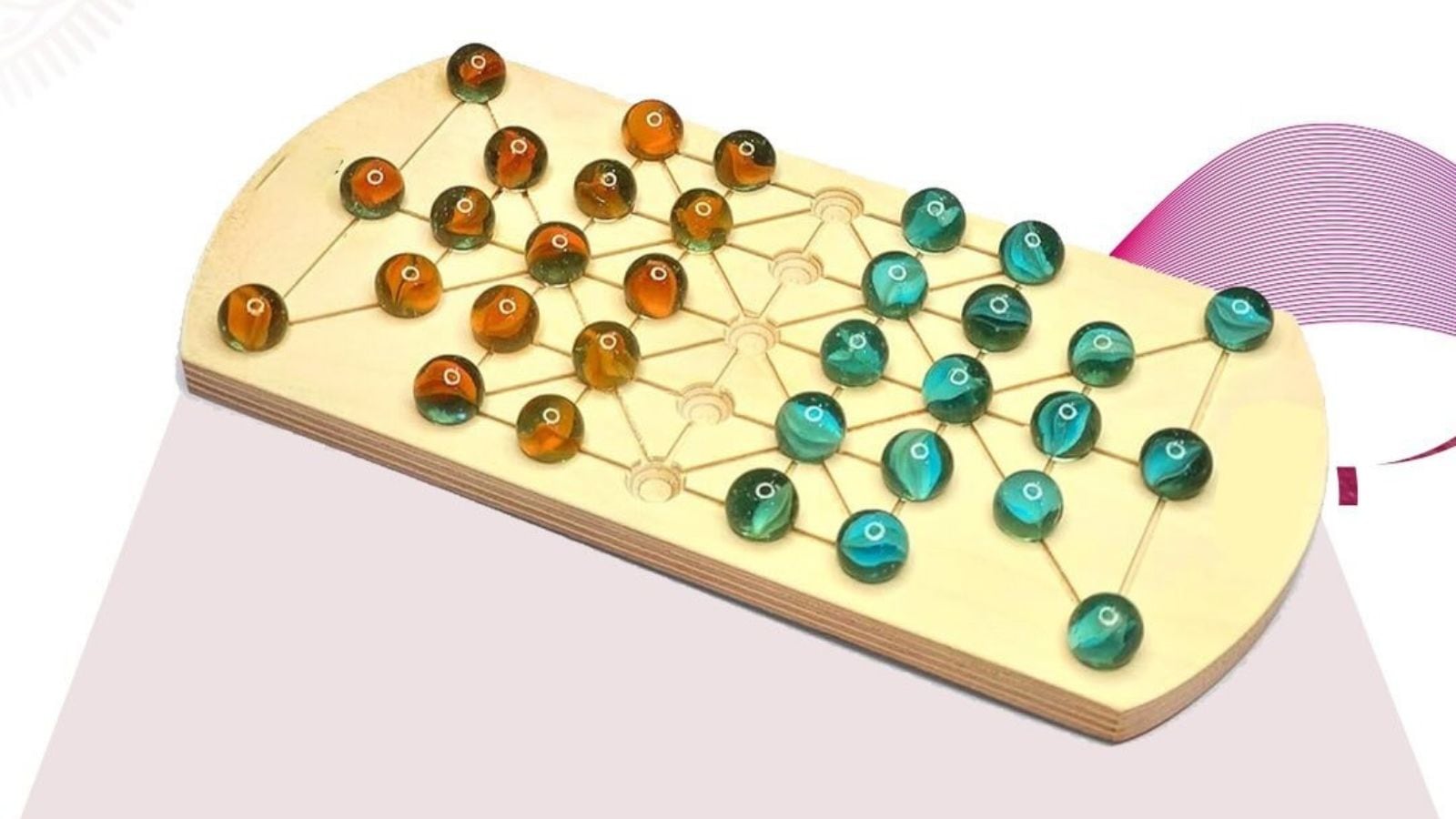
Solah Seedi: Solah Seedi, meaning “16 steps,” is believed to be one of the oldest race-style board games from North India. Players move pieces across marked squares using dice or shells. The game tests strategic thinking and careful planning while keeping the excitement alive till the very end.
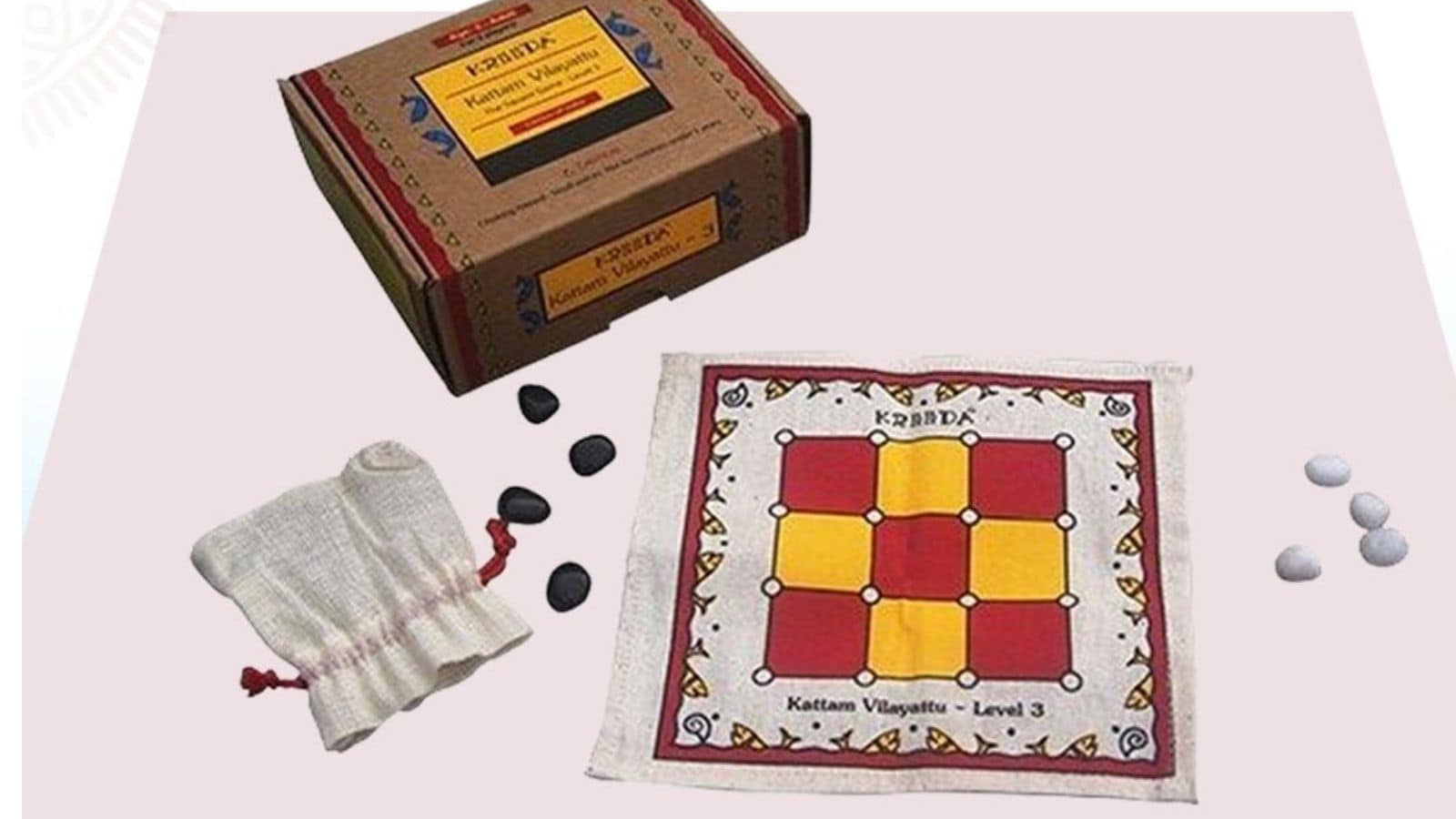
Kattayam-Vilayattu is a traditional board game from Kerala that combines luck and strategy. Played with cowrie shells and tokens, the game was popular in households and social gatherings. Its colourful board and competitive gameplay made it a favourite among all age groups.
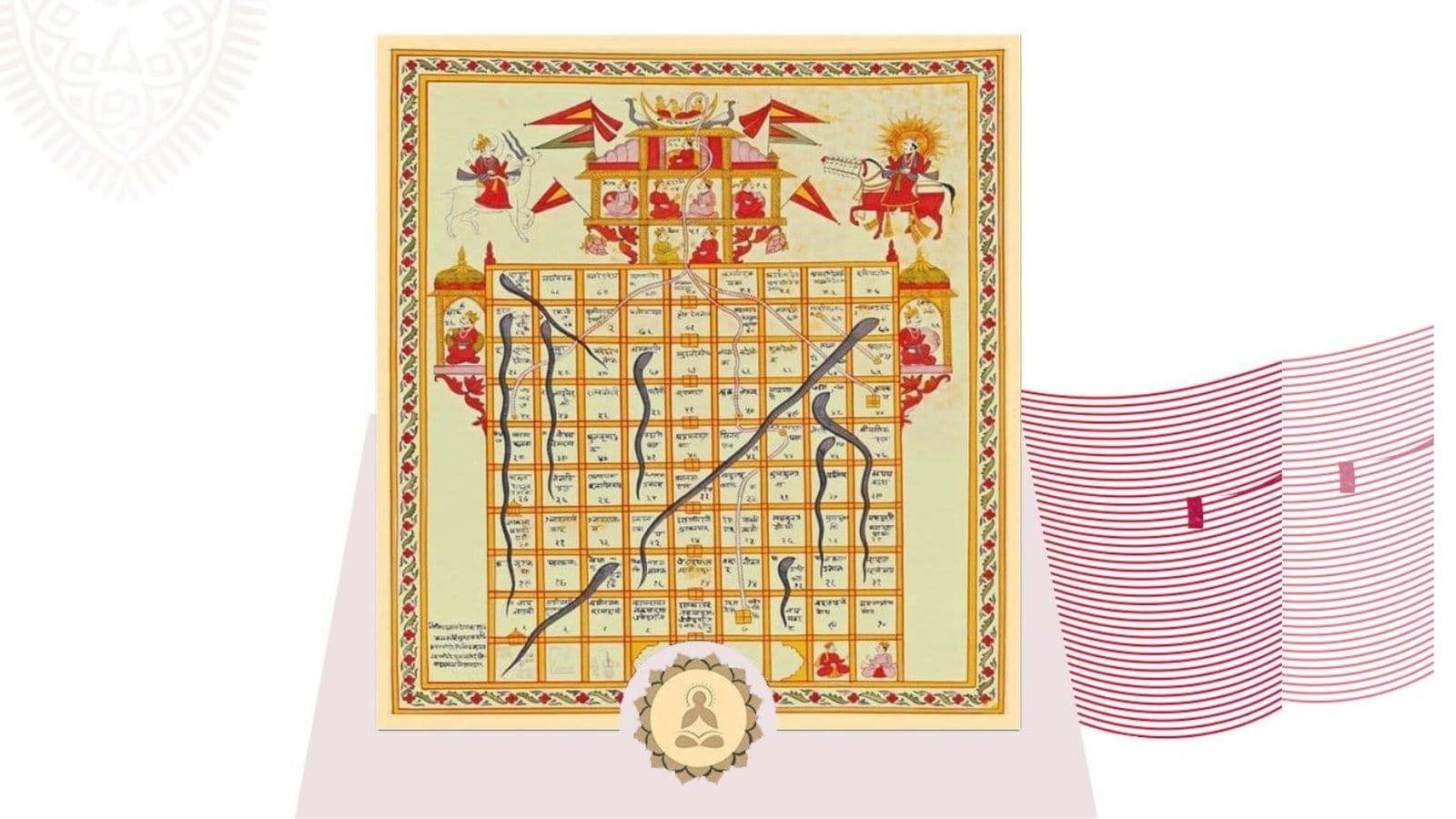
Mokshapatam: Mokshapatam is the ancient Indian game that later inspired Snakes and Ladders. Created to teach morality and spirituality, the game linked ladders to virtues and snakes to vices. The goal was not just winning, but achieving “moksha” or liberation. (All Images: Instagram/@ministryofculturegoi)