Data centers in the US are expected to use around 20% of the country’s electricity by 2035, up from 5.9% today, according to BloombergNEF. By 2030, data centers are expected to consume about 12% of US electricity before rising further to 20% by 2035. States like Virginia and Texas, where many data centers are located, are expected to see an even bigger share of their electricity being used by these facilities.
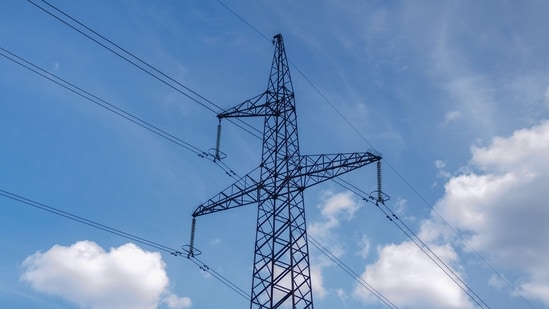
The biggest reason behind this sharp rise is the rapid growth of artificial intelligence (AI), which needs huge data centers to process and store information. BNEF estimates that US data center power demand will reach 194 gigawatts (GW) by 2035. The 194 GW forecast is 83% higher than BNEF’s previous estimate made in December because more AI projects are now expected to be built over the next decade.
Why AI data centers need more electricity
One gigawatt of electricity is roughly equal to the power capacity of one traditional nuclear reactor, according to Bloomberg. The fast-growing demand from AI data centers is putting heavy pressure on US electricity grids, which are struggling to supply enough power after nearly two decades of slow electricity demand growth. Data center companies are now looking for new ways to generate electricity for their large campuses because the existing power grid is under strain.
Many new data center projects are also facing delays because of local government permit freezes and opposition over their high electricity use and environmental impact. BNEF analyst Lloyd Arnold said that by 2035, one out of every five units of electricity generated in the US could be used by data centers. Arnold said this means less electricity will be available for other needs such as powering electric vehicles, homes and cities.
How US power grids are coping
The electricity grids run by PJM Interconnection and the Electric Reliability Council of Texas (ERCOT) are expected to see especially high demand from data centers by 2035. PJM covers 13 US states, including Northern Virginia, which is home to the world’s largest concentration of data centers, often called “Data Center Alley,” according to Bloomberg. Arnold said the electricity grid is already struggling to keep up with rising demand, forcing changes in how new facilities connect to the power system.
BNEF said the highest amount of new data center capacity ever connected to the US grid in one year is 7.1 GW. Even if that record pace continues every year, the US could still face a power shortfall of about 19 GW by 2035 under BNEF’s base-case forecast. BNEF said this estimate includes additional on-site natural gas power generation for data centers.
US electricity demand keeps rising
US electricity use hit a record high in 2025 and is expected to keep rising in 2026 and 2027, according to the US Energy Information Administration (EIA). Experts say the AI boom is now the biggest reason for the increase, as large data centers need huge amounts of power.
The EIA expects data centers to become the main driver of long-term electricity demand, while Goldman Sachs estimates their power use will more than double from 31 GW in 2025 to 66 GW by 2027. The rapid growth is raising concerns about higher electricity prices and whether the US power grid can meet future demand.
What it means for the future
Ember analyst Nicolas Fulghum said electricity markets across the US are increasingly depending on solar energy to meet rising power demand. Solar power and battery storage made up 91% of all new electricity generation capacity added to the US grid in the first quarter of 2026, according to the Solar Energy Industries Association (SEIA) and Wood Mackenzie.
States won by President Donald Trump accounted for 74% of new solar capacity installed during the first quarter of 2026. Texas remained the fastest-growing solar power market in the US during the first quarter of 2026.
Overall, experts say the AI boom is reshaping the US electricity sector, with data centers becoming one of the biggest consumers of power and forcing major changes in energy generation, grid planning and infrastructure, according to BNEF, the EIA, Goldman Sachs, Ember and SEIA.