




On August 16, 1990, then-Congress leader Mamata Banerjee was left fighting for her life after being attacked in broad daylight on the streets of Kolkata.
Two blows landed on her head, and before a third could strike — one that doctors later said might have proved fatal — she raised her hand to block it before collapsing to the ground and blacking out in a pool of blood.
As the 35-year-old battled for survival, the incident single-handedly cemented her image as a street fighter and earned her the moniker “Didi”.
Following her recovery, Mamata won the Kolkata South Lok Sabha seat the following year and went on to become a minister in the cabinet of PV Narasimha Rao.
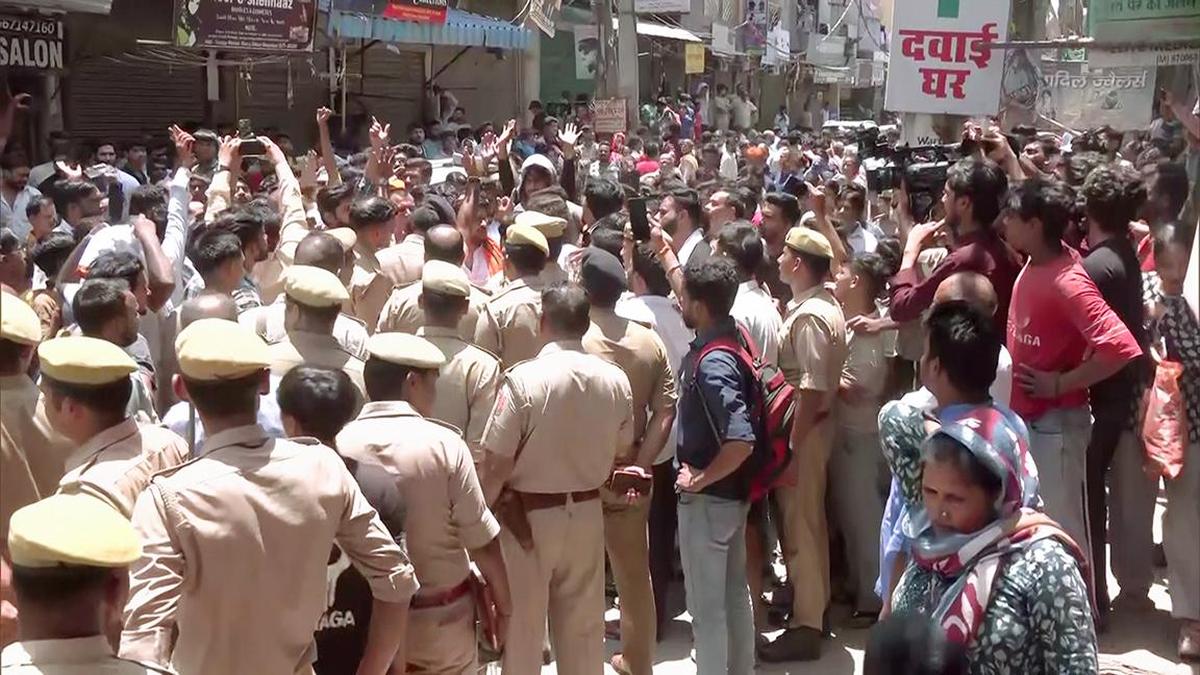
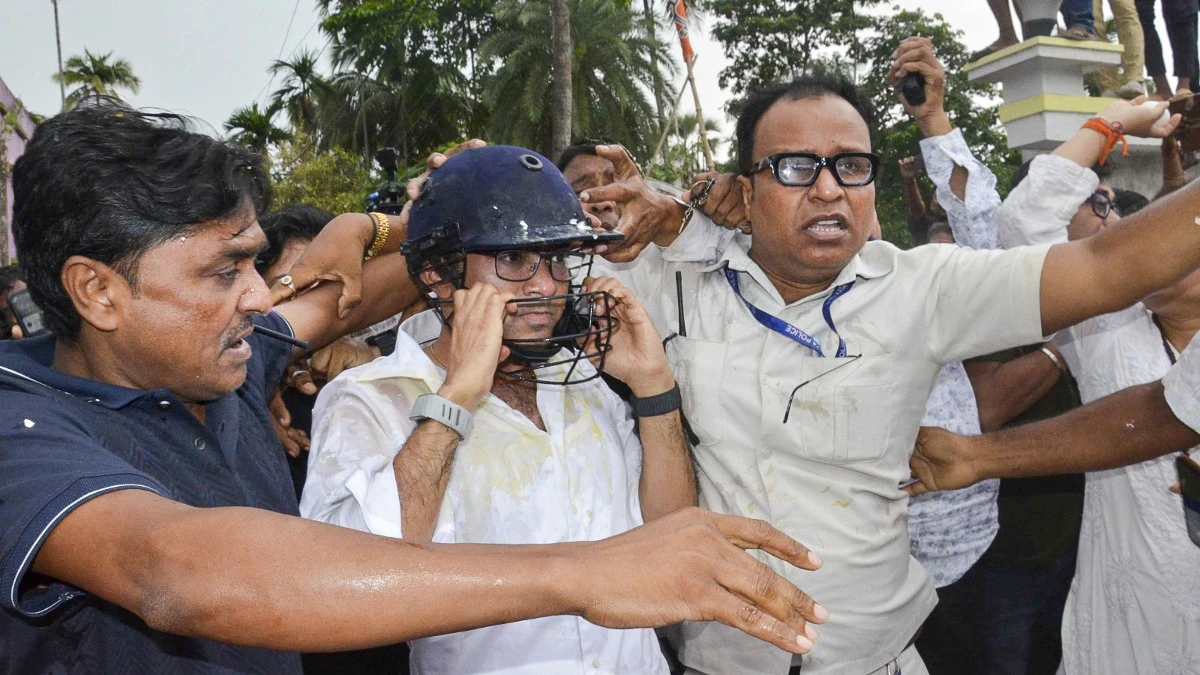
Thirty-five years later, the party she founded in 1998 is facing an existential crisis after its rout in the Assembly elections. It suffered another blow when her nephew, Abhishek Banerjee, was slapped and punched on camera and pelted with stones and eggs.
A helmet may have spared him a fate similar to the one his pishi (aunt) faced when he was barely three years old.
But unlike in 1990, when Mamata was an insurgent battling the establishment, she now finds herself leading a party confronting its deepest political crisis since coming to power.
Resignations have piled up across the Trinamool Congress, from senior leaders to municipal chiefs and councillors. The aura of invincibility that once surrounded the party has been punctured, raising questions about both its immediate future in Bengal and Mamata’s influence on the national stage.
On Sunday, as images emerged of Abhishek breaking down after the attack and being moved from one hospital to another — first in a wheelchair and later on a stretcher — Mamata stood firm. Her tone remained combative as she alleged that BJP leaders had pressured the hospital to discharge him.
Yet amid the political turmoil, support arrived from an unlikely quarter.
For years, Mamata insisted there was little room for her INDIA bloc ally, the Congress, in West Bengal. The Trinamool Congress built much of its political dominance by eating into the Congress’s support base, often positioning itself as the principal alternative to both the BJP and the Congress in the state.
Now, as her party grapples with its worst setback in years, some of the strongest words of support have come from Congress leaders.
Leading that show of solidarity was Leader of Opposition Rahul Gandhi, who called the attack “extremely condemnable” and described it as an assault not just on an individual parliamentarian but on democracy itself.
Mamata revealed that Rahul had personally called to enquire about Abhishek’s condition and had even offered assistance, including shifting him to Hyderabad for treatment if required.
Congress president Mallikarjun Kharge also condemned the attack, calling it an example of the BJP’s politics of “vendetta and persecution”. Samajwadi Party chief Akhilesh Yadav and Rajya Sabha MP Kapil Sibal similarly reached out to express concern.
Cutting across political lines, leaders reached out in support. AAP chief Arvind Kejriwal commended Abhishek “for standing strong” and said the incident laid bare what he described as a “worrying breakdown of law and order” in Bengal. RJD leader Tejashwi Yadav also denounced the incident, calling it a “cowardly attack sponsored by the BJP-led regime.”
Many viewed the Bengal Assembly election as an existential battle not just for the BJP and the Trinamool Congress, but also for the future of the Opposition’s challenge to the Centre.
A TMC victory would have strengthened Mamata’s claim to a larger role within the INDIA bloc and revived her long-held ambition of expanding her influence beyond Bengal.
Instead, defeat diminished her leverage. Yet politics often creates opportunities in unexpected ways.
Just days after the election results, Akhilesh Yadav travelled to Kolkata to stand by Mamata, telling her: “Didi, you have not lost. You fought very well.”
The attack on Abhishek has now prompted a wider display of Opposition solidarity, even as rivalries within the INDIA bloc continue to persist.
Whether that solidarity evolves into a more durable political partnership remains uncertain. The INDIA bloc is still constrained by state-specific contradictions and competing ambitions. But with 28 Lok Sabha MPs, the Trinamool Congress remains too significant a force to be ignored.
Thirty-five years ago, political violence helped transform Mamata Banerjee from a young Congress leader into one of India’s most formidable politicians.
Whether the attack on Abhishek Banerjee becomes a similar turning point — for a weakened Trinamool Congress or a fractured Opposition searching for common cause — may determine the next chapter of both Bengal and national politics.
– Ends