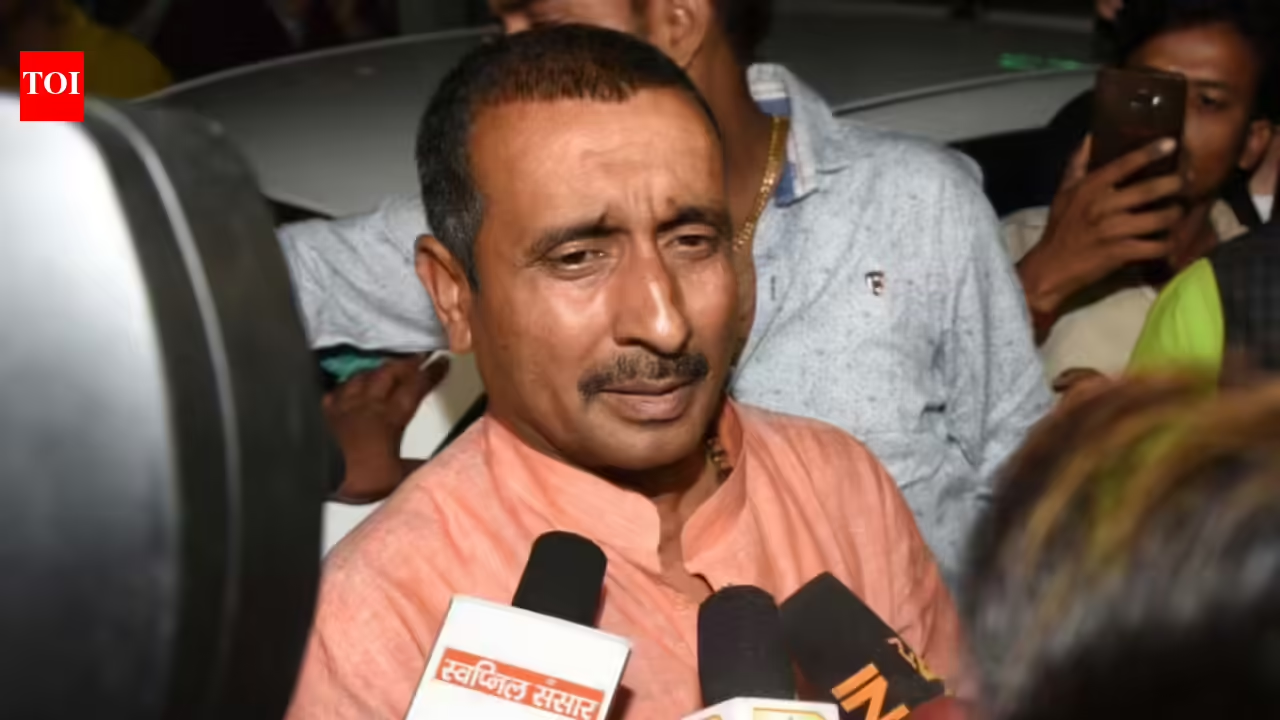





The BJP on Thursday mounted a strong defence of the Rs 3 per litre hike in petrol and diesel prices, arguing that India recorded the lowest increase among major economies despite a sharp surge in global crude oil prices triggered by the West Asia conflict and the closure of the Strait of Hormuz.
BJP IT cell convenor Amit Malviya, in a detailed post comparing fuel prices across countries, argued that India recorded the smallest increase among major economies, while nations such as the US, UK and UAE witnessed steep hikes.
The response comes after opposition parties launched a sharp attack on the Centre, accusing it of burdening the common man with the fuel price hike and calling it a predictable move after the polls.
“… Across the world, consumers have felt the impact directly at fuel stations. But India stands out as a striking exception,” Malvya wrote on X.
“Between 23 February and 15 May 2026, nearly every major economy saw sharp increases in petrol and diesel prices. In several countries, the rise has been staggering India recorded the smallest material increase among all major economies,” the BJP leader added.
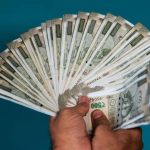
Oil marketing companies on Friday hiked petrol and diesel prices by Rs 3 per litre each, marking the first increase in more than four years. The hike came amid soaring global oil prices triggered by the war in West Asia and was announced days after the Assembly elections concluded.
According to the price chart shared by Malviya, Myanmar recorded the highest jump in fuel prices, with petrol prices rising by 89.7 per cent and diesel by 112 per cent. In Pakistan, petrol and diesel prices increased by 54.9 per cent and 44.9 per cent, respectively.
Major economies such as the US witnessed a 44.5 per cent rise in petrol prices and a 48.1 per cent increase in diesel prices. The UK saw hikes of 19.2 per cent in petrol and 34.2 per cent in diesel. Even a major oil producer, the UAE, recorded increases of 52.4 per cent in petrol and 86.1 per cent in diesel, he argued.
India’s increase, by comparison, was limited to 3.2 per cent for petrol and 3.4 per cent for diesel, Malviya underscored.
“Among major market economies, India has effectively experienced the lowest increase. This did not happen by accident,” Malviya argued, saying that India’s public sector oil marketing companies kept prices largely unchanged despite rising global crude costs.
“Instead of immediately passing on the burden to citizens, they absorbed substantial under-recoveries at the refinery gate,” despite daily losses soaring nearly Rs 1,000 crore,” he added.
The Opposition, led by Congress, meanwhile launched a sharp attack on the Centre, alleging that the public was now being forced to bear the burden.
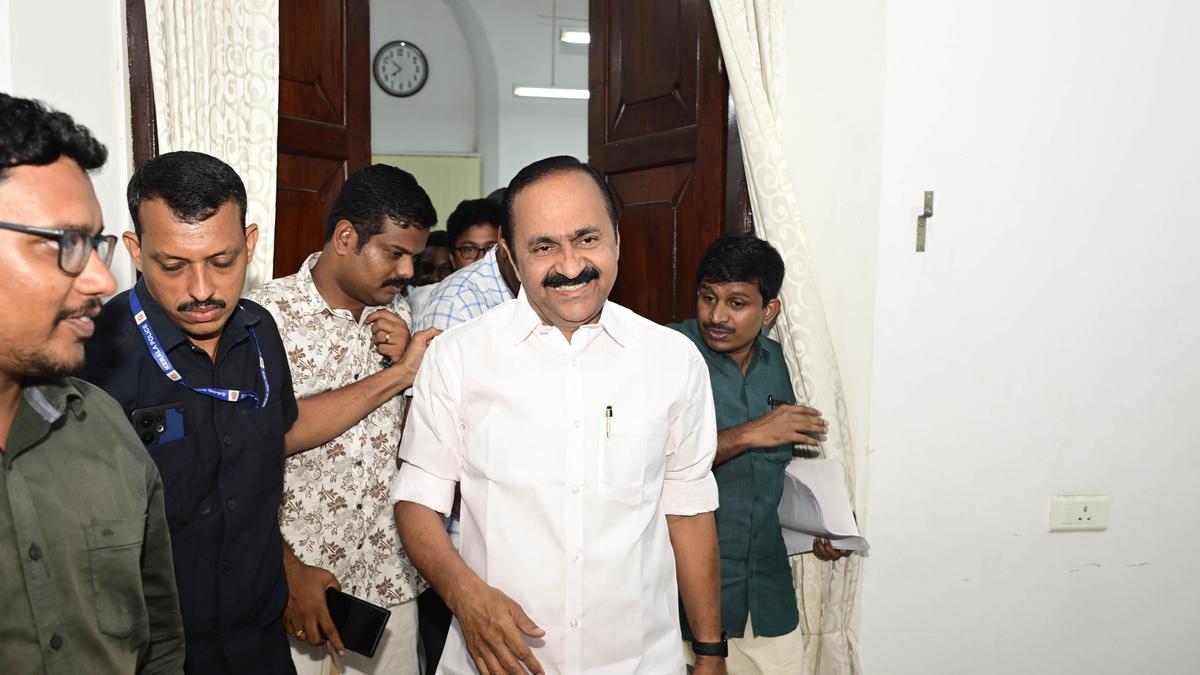
“Welcome to Amrit Kaal, mitron! When global crude oil prices plummeted, the Modi Government pocketed billions in profits, and now – 3 months after a completely predictable crisis – the public is being forced to absorb the pain,” Congress general secretary KC Venugopal wrote.
The Congress also dubbed Prime Minister Narendra Modi as “Mehangai Man Modi” over the fuel price hike.
The basket of crude oil that India imports averaged USD 69 per barrel in February before the war in West Asia broke out. It averaged around USD 113-114 per barrel in the subsequent months.
– Ends