






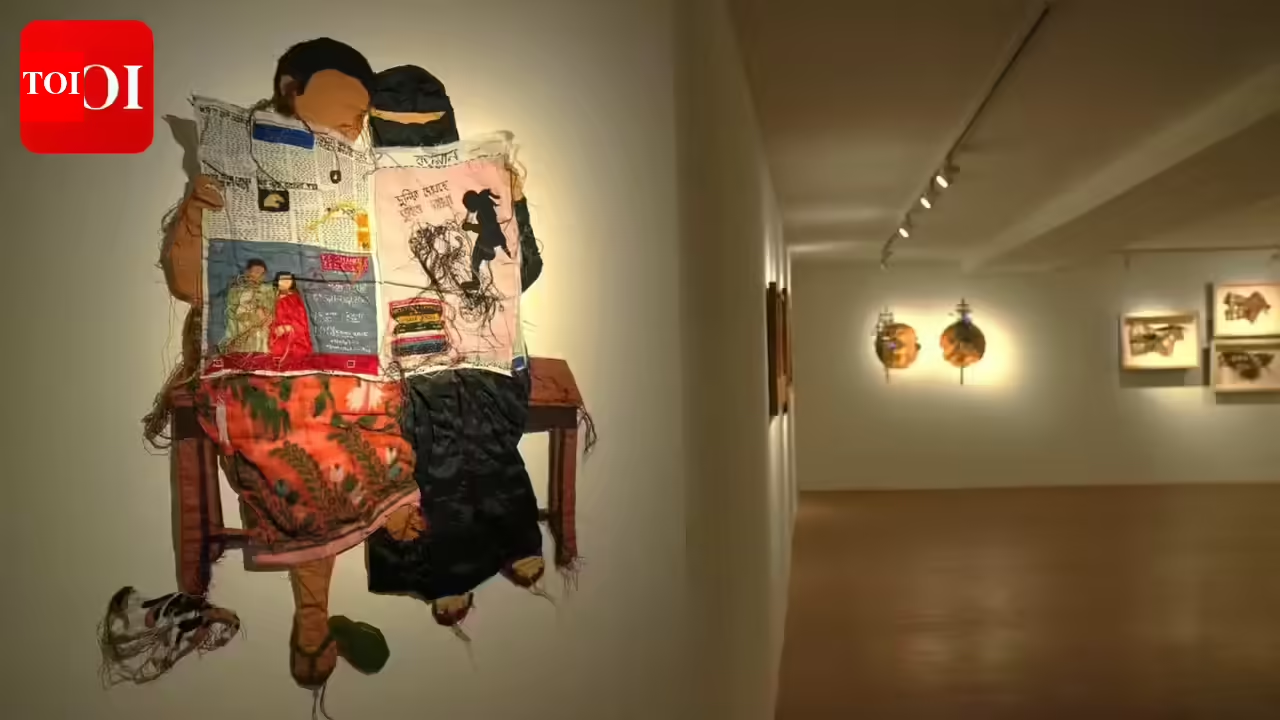
Fragments of terracotta, discarded textiles, electrical blueprints and tangled wires come together in the fifth edition of Triloka, an annual exhibition that brings together three emerging artistic practices within a shared space. Featuring works by Moumita Basak, Nayanjyoti Barman and Nirmal Mondal, the exhibition moves through domestic spaces, ecological systems and inherited architectural histories, while examining how personal and collective experiences are remembered and carried forward.
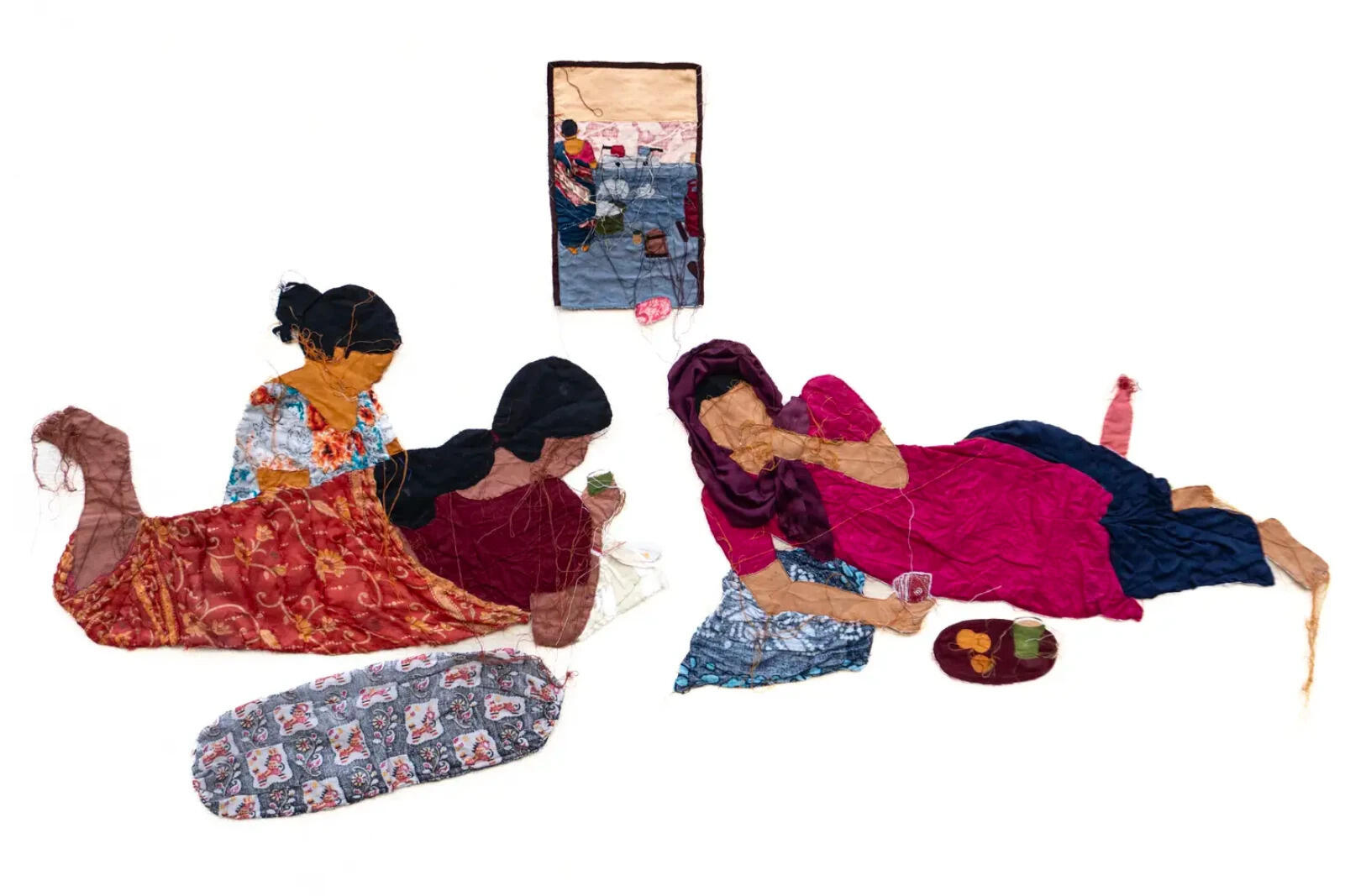
Moumita Basak’s works incorporate hand stitching, machine embroidery, waste cloth and yarn on cloth
Lives stitched in fabricWorking with embroidery threads and recycled fabrics, Moumita Basak’s practice is rooted in the realities of women’s lives within domestic and public spaces in rural West Bengal. Through stitching, layering, and appliqué, she transforms materials traditionally associated with women’s labour into visual meditations on gender, movement, and agency.
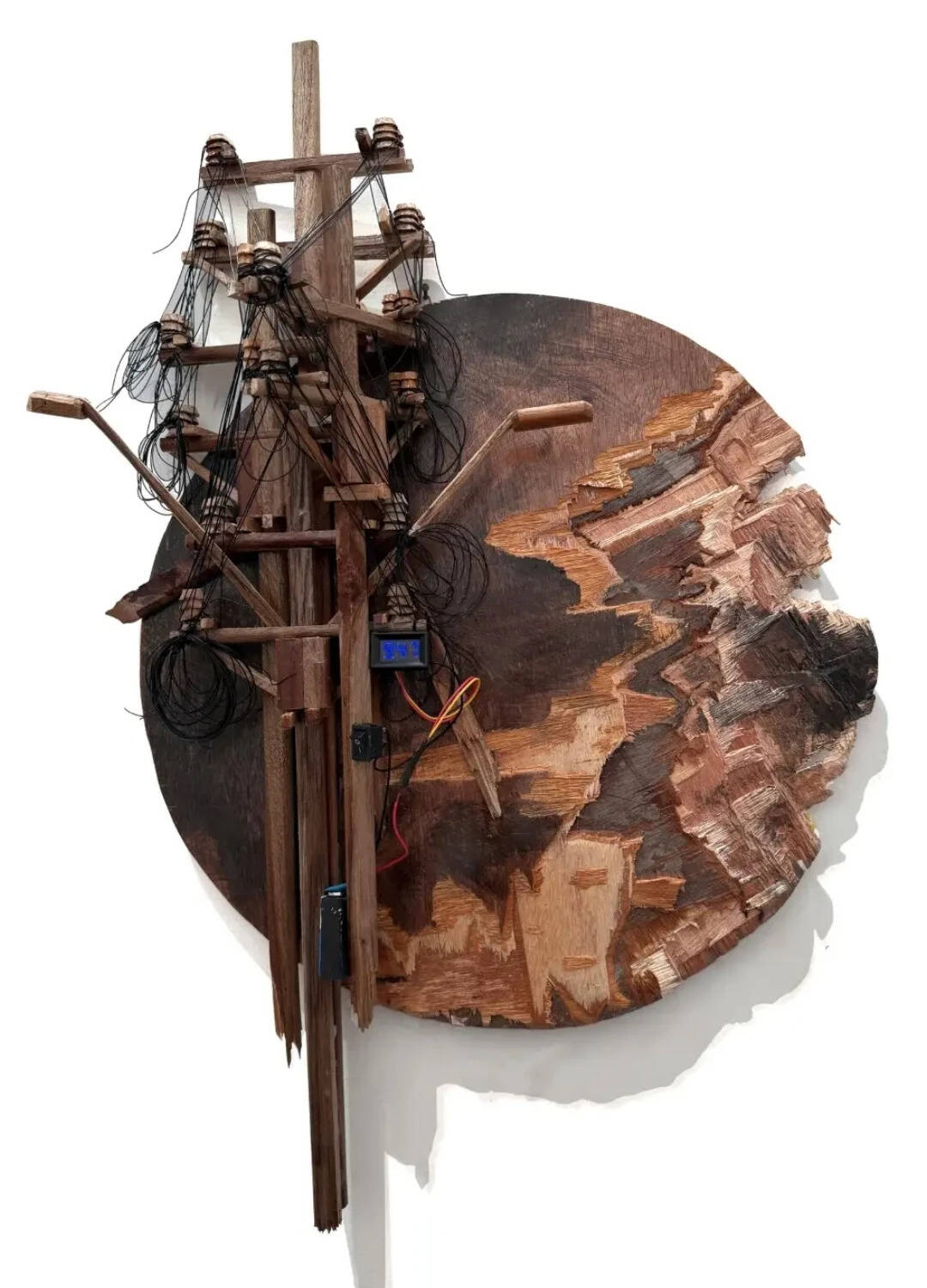
Nayanjyoti Barman works with plywood, digital meter and wire among other materials
Where technology meets ecologyDrawing from memories of growing up around electric power plants in Assam, Nayanjyoti Barman’s practice explores the intersections between nature, technology, and urban systems. Working largely with paper, cardboard, drawing, and sculptural installations, he transforms discarded materials into complex visual structures that reflect ideas of ecological imbalance, industrialisation, and displacement.Stories etched in clayBased in Santiniketan, ceramic artist Nirmal Mondal draws from the architectural and spiritual heritage of Bengal, particularly Murshidabad, to create sculptural forms that reflect inherited stories, faith, and collective memory. Working primarily with clay and terracotta, Mondal’s practice revisits temple and mosque architecture, using fragments and eroding forms to speak about continuity, loss, and belonging.
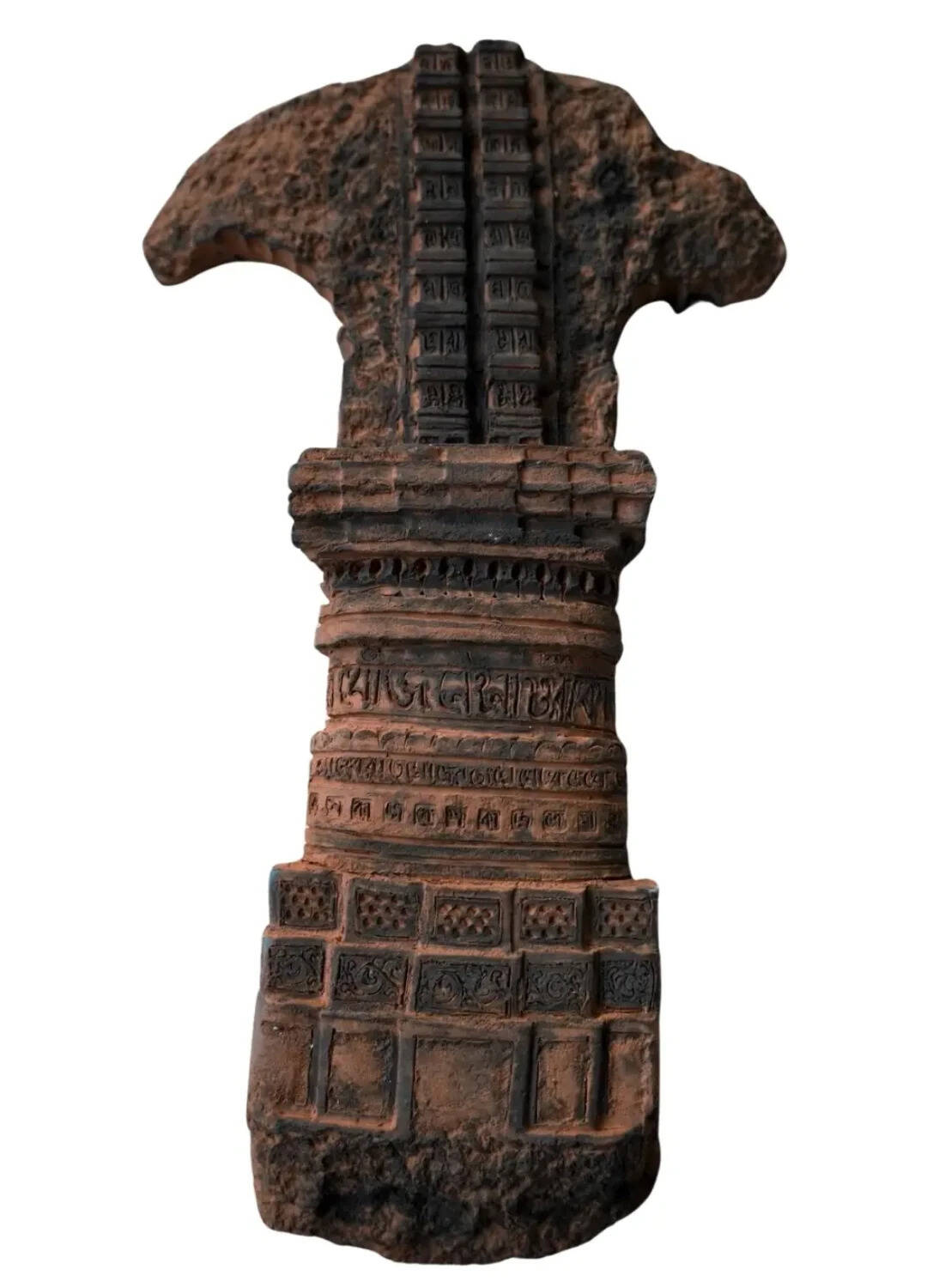
A teracotta piece by Nirmal Mondal
‘These are works that stay with you’“What made the combination especially exciting curatorially was that, although all three artists work with very different materials and visual languages, they are each engaging with ideas of memory, everyday life, and lived experience,” says curator Lakshmi Nambiar. “Artists are now digging much deeper into experiences that have shaped them personally. That is where themes like belonging, migration, and the idea of home become so significant,” she adds.