




4 min readMay 25, 2026 03:47 PM IST
First published on: May 25, 2026 at 03:47 PM IST
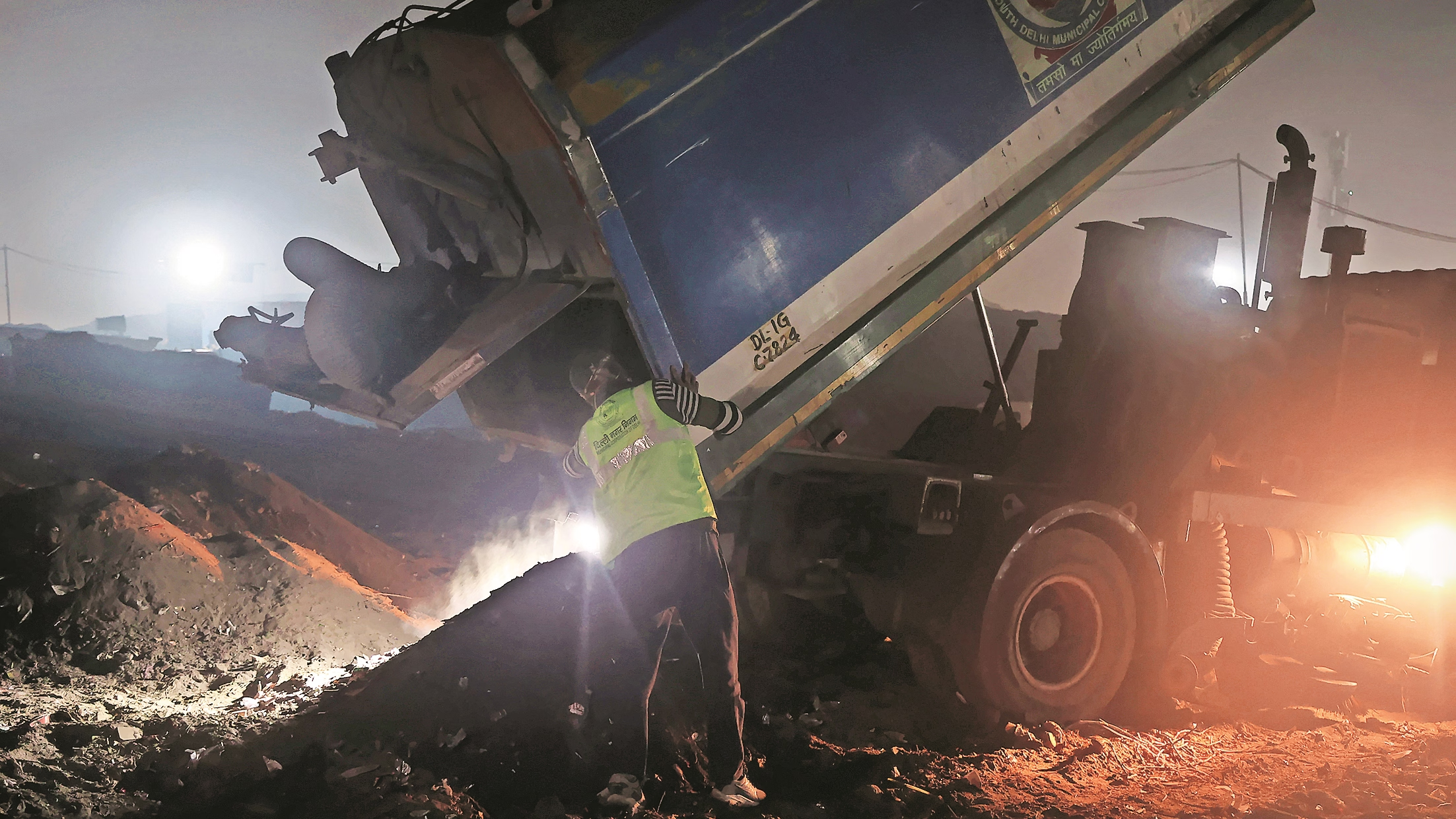
Rampant urbanisation, poor infrastructure, and neglect have pushed Delhi to face an unprecedented air quality crisis in recent years. The struggle of night-time road-sweeping workers reveals how far we still have to go. Every night, a fleet of mechanical road-sweeping machines travels through the streets, clearing dust from the roads of the capital. A recent investigation by The Indian Express (‘Delhi’s killer dust’, May 25) into the functioning of these machines and their operations brought to light the challenges faced by these vehicles and their drivers in the battle for clean air.
Street-cleaning machines are countered by poor roads and unfinished construction projects. Many roads in Delhi are uneven, blocked or under construction, creating difficulties. During high-pollution seasons, dust accumulates quickly and gets churned up by passing vehicles. Workers have to constantly get out of the machine, clear debris manually, and direct the machine through blocked or congested routes. While Delhi continues expanding its Metro network and encouraging electric vehicles, these measures have not kept up with the needs of an ever-increasing population.

Rapid urbanisation within the city has increased vehicular traffic and construction activities, while natural ecosystems that once helped cleanse the air have been steadily lost. Pollution and construction regulations are ineffective or poorly applied. Action taken by authorities to control air pollution is not systematic, and risks are addressed only when a situation becomes critical. Strict building codes and periodic environmental controls are needed to prevent the impact of construction dust. Then, there are the workers who operate the machines at night, who have the arduous job of cleaning the streets. They have no special protective gear. Many suffer dizziness after work, struck by the consequences of toxic pollution that their city has been ignoring for years.
To effectively combat the problem of air pollution, Delhi must make a concerted effort not only to ascertain its immediate causes, but also to invest in better urban infrastructure. In addition to developing efficient public transport, there is an immediate need to construct better roads, drainage systems, and green belts that can contribute to cleaner air. There is a need to instil a sense of responsibility among developers, businesses, and government agencies in terms of not only adhering to environmental laws but also adopting sustainable and environmentally friendly practices. Regular audits, disclosures, and public involvement in city planning can provide accountability and awareness about responsible and sustainable practices to protect air quality.
Our mantra for air pollution in Delhi: Hit the reset button and start to see empowerment instead of despair. It’s time to galvanise communities in monitoring and advocacy for cleaner air. Innovative tools like a mobile app that tracks air quality will enable citizens to learn more and do more in their own lives.
The battle against the air crisis in Delhi cannot be won simply by deploying machines to sweep roads. What is required is a radical change in the ethos of urban development, investment in infrastructure and a refocussing of governance to protect the health and lives of communities.
The writer is a professor of Public Policy at Flame University, Pune. He was a lead author in the IPCC’s Special Report on Climate Change and Cities