










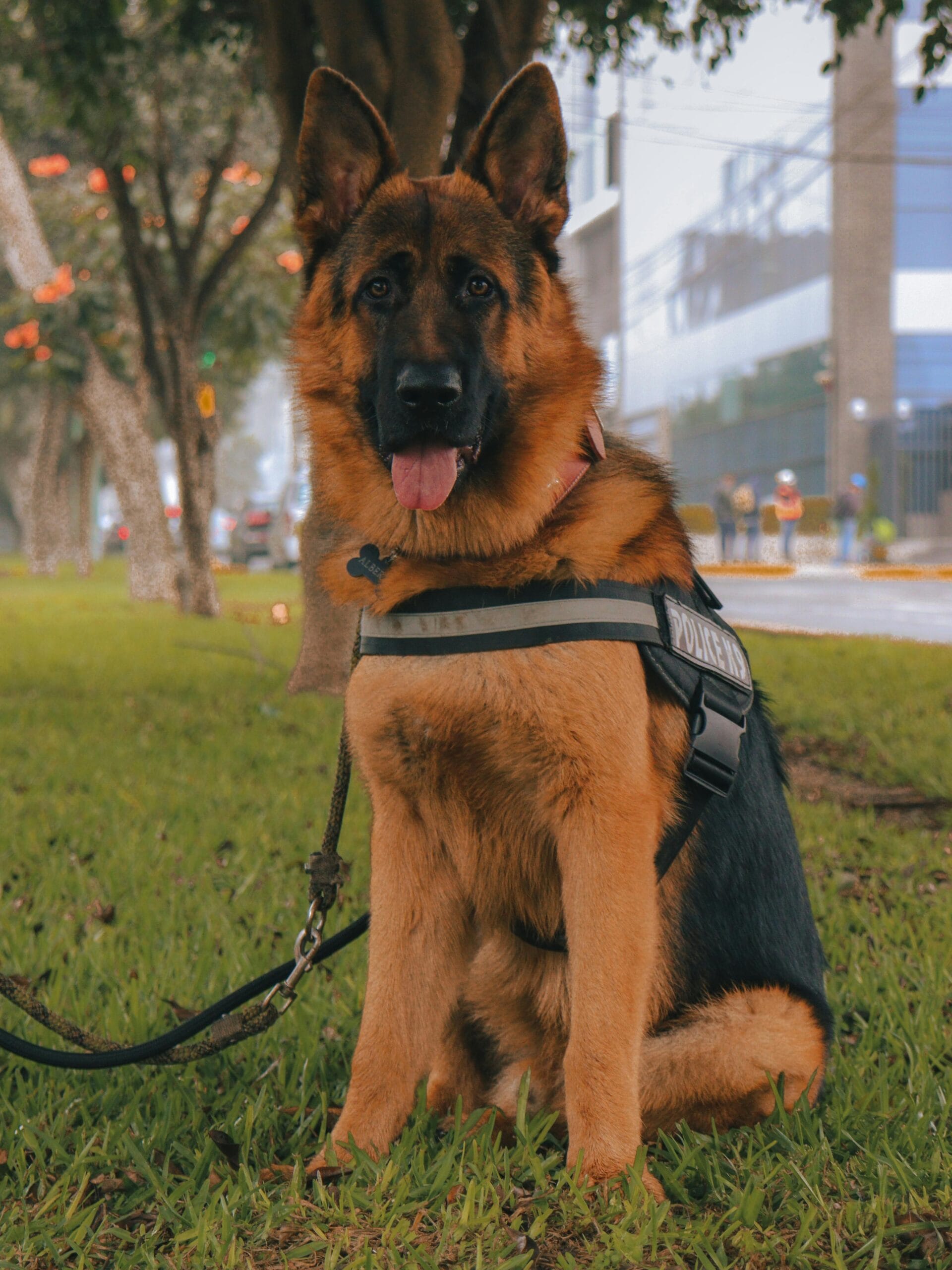
German Shepherd: Renowned for intelligence and courage, German Shepherds are devoted “nanny” dogs when raised with kids. They are highly trainable and naturally watchful, forming a protective perimeter around their family while remaining playful and affectionate companions during relaxed hours at home. (Image: Pexels)
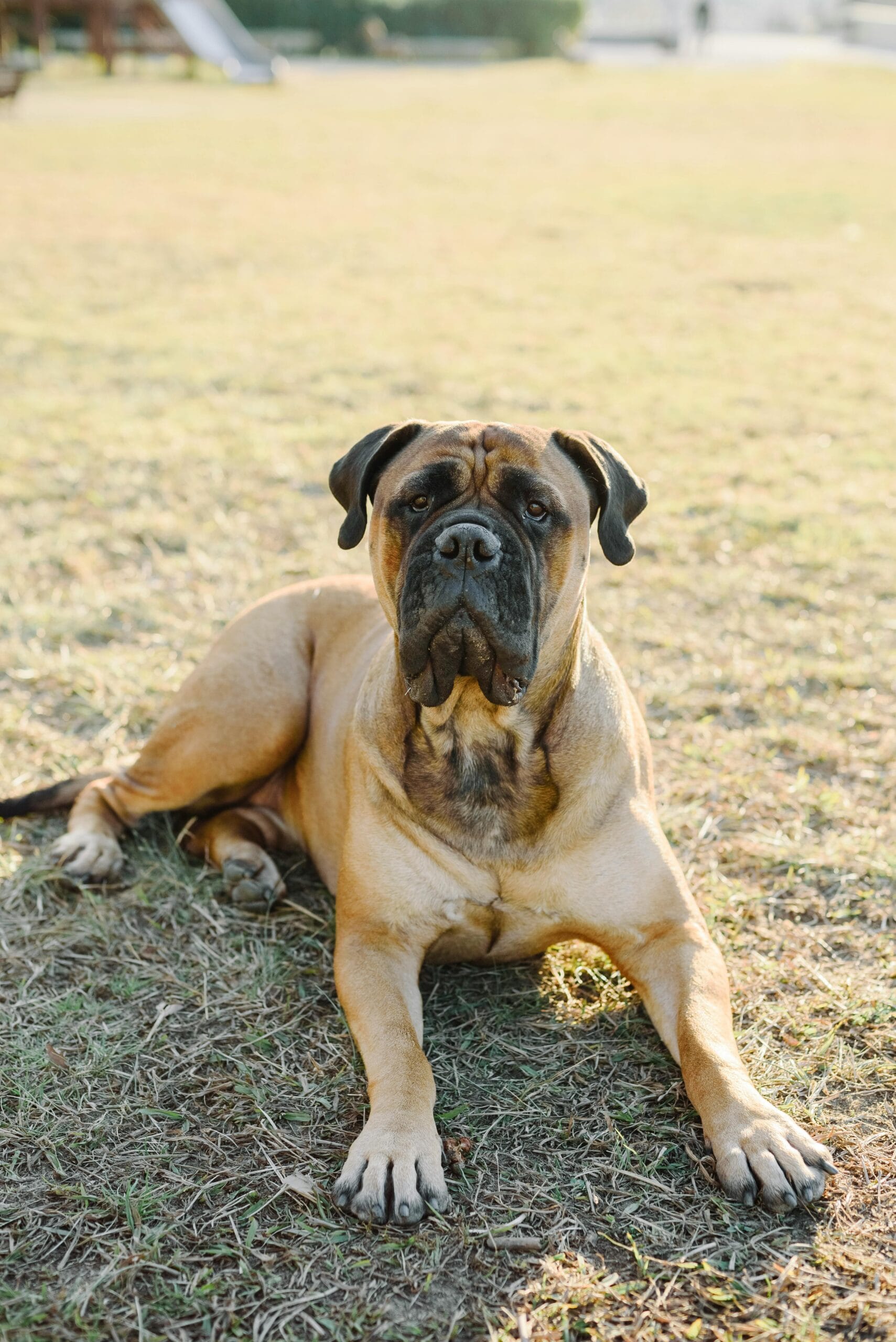
Bullmastiff: Often called the “Gentle Giant,” the Bullmastiff is a formidable guardian that rarely barks. They use their massive size to physically block intruders. Despite their intimidating look, they are famously docile and incredibly patient with even the most energetic children. (Image: Pexels)
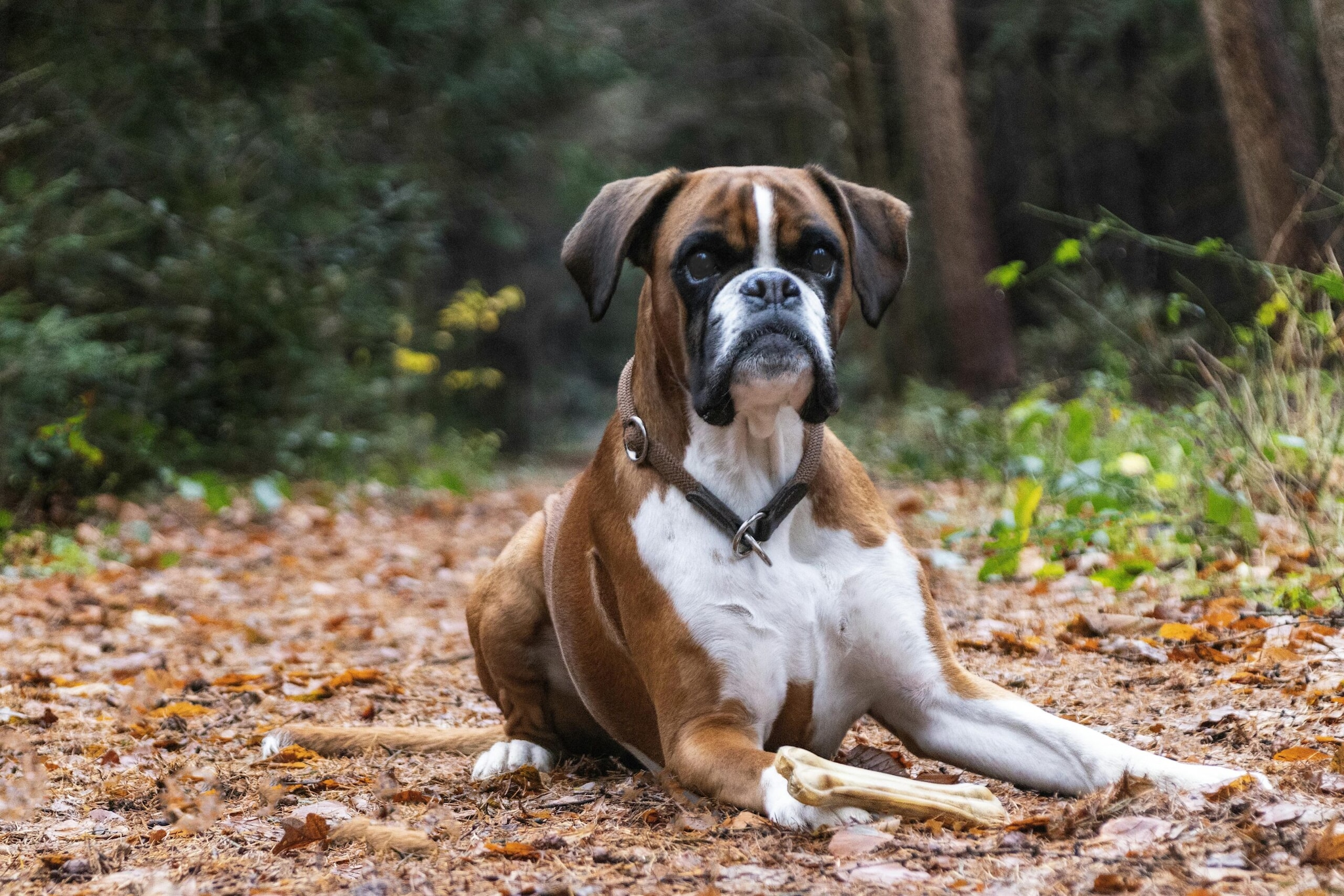
Boxer: Boxers are high-energy protectors that thrive on human interaction. They possess a natural instinct to guard their “pack” and are known for their watchful eye over toddlers. Their playful spirit makes them excellent playmates who transition quickly into alert protectors. (Image: Pexels)

Rottweiler: When properly socialized, the Rottweiler is a calm, confident protector. They are deeply loyal to their immediate family and tend to act as a shadow for children. Their inherent desire to work and protect ensures your home remains a sanctuary. (Image: Pexels)
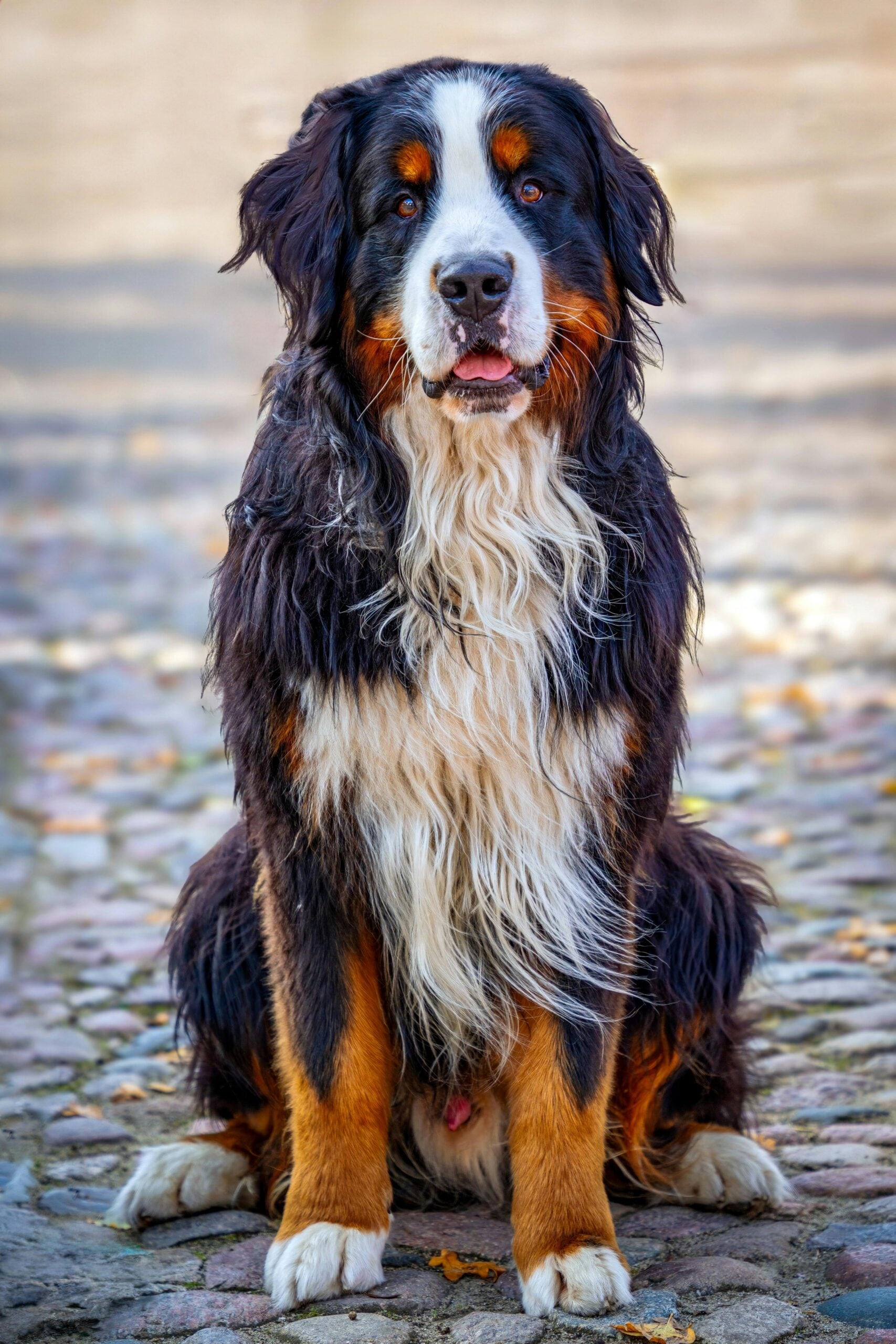
Bernese Mountain Dog: These sturdy giants are more “watchful” than aggressive. They are exceptionally gentle with small children, often acting as a soft pillow. Their large presence and deep bark are usually enough to deter strangers, while they remain sweet-tempered family members. (Image: Pexels)
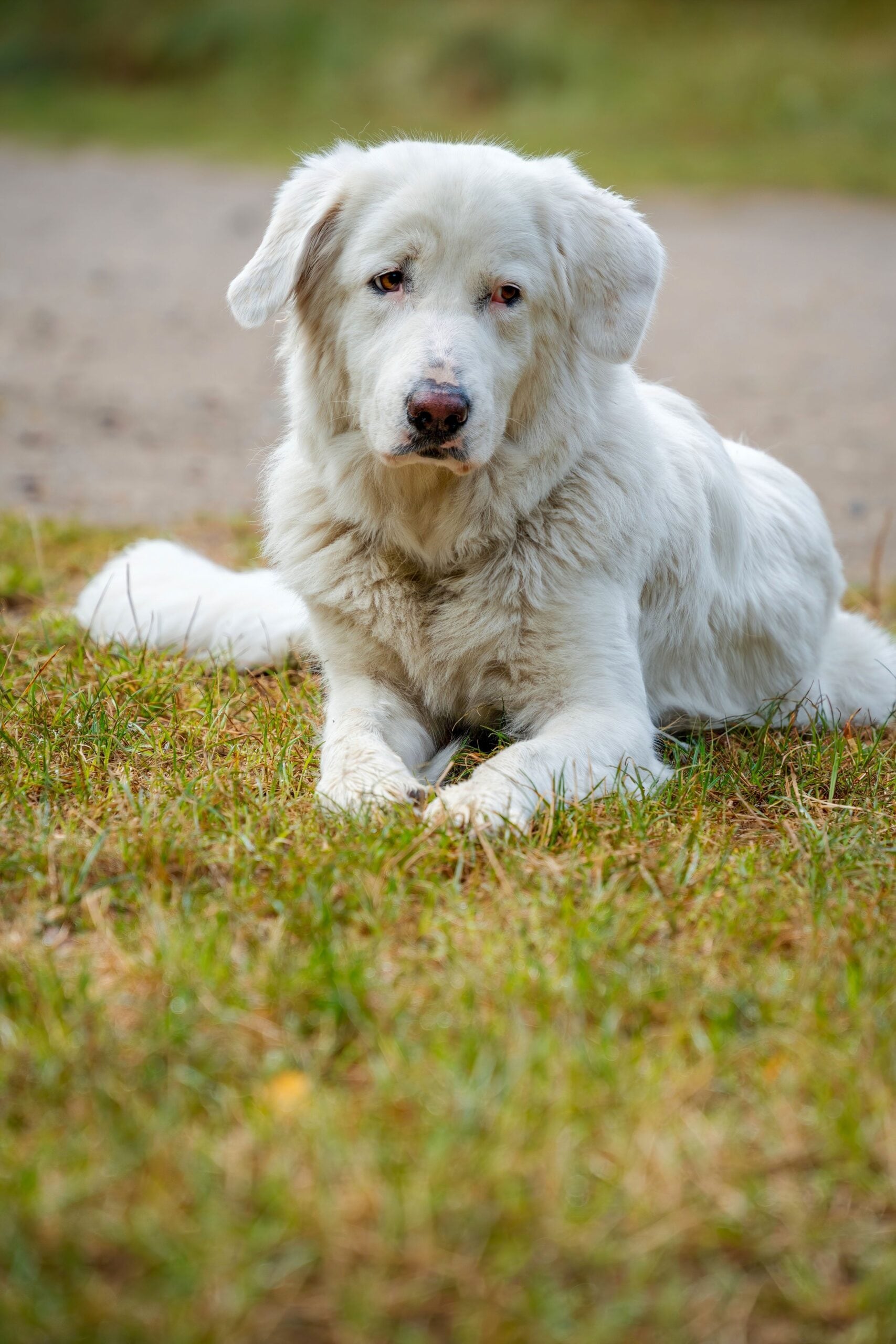
Great Pyrenees: Originally bred to protect livestock from wolves, this breed considers children part of its flock. They are independent and Zen-like indoors but remain constantly vigilant. Their thick white coats and massive size provide a comforting, protective presence in any household. (Image: Pexels)
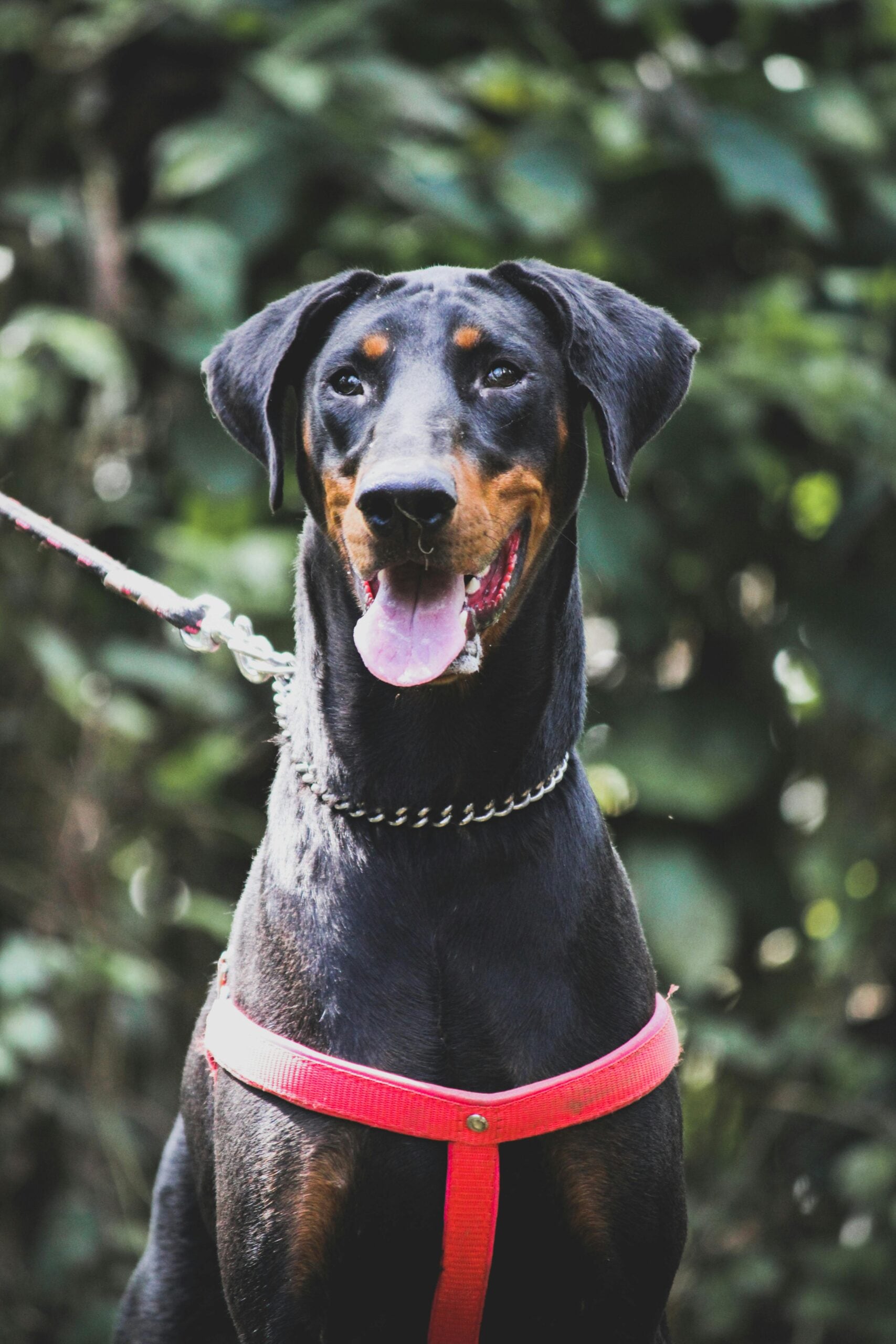
Doberman Pinscher: The Doberman is one of the world’s most capable protection dogs. While they are sleek and fast, they are incredibly sensitive and “velcro-like” with their family. They are highly intuitive, often sensing a child’s distress before the parents do. (Image: Pexels)