








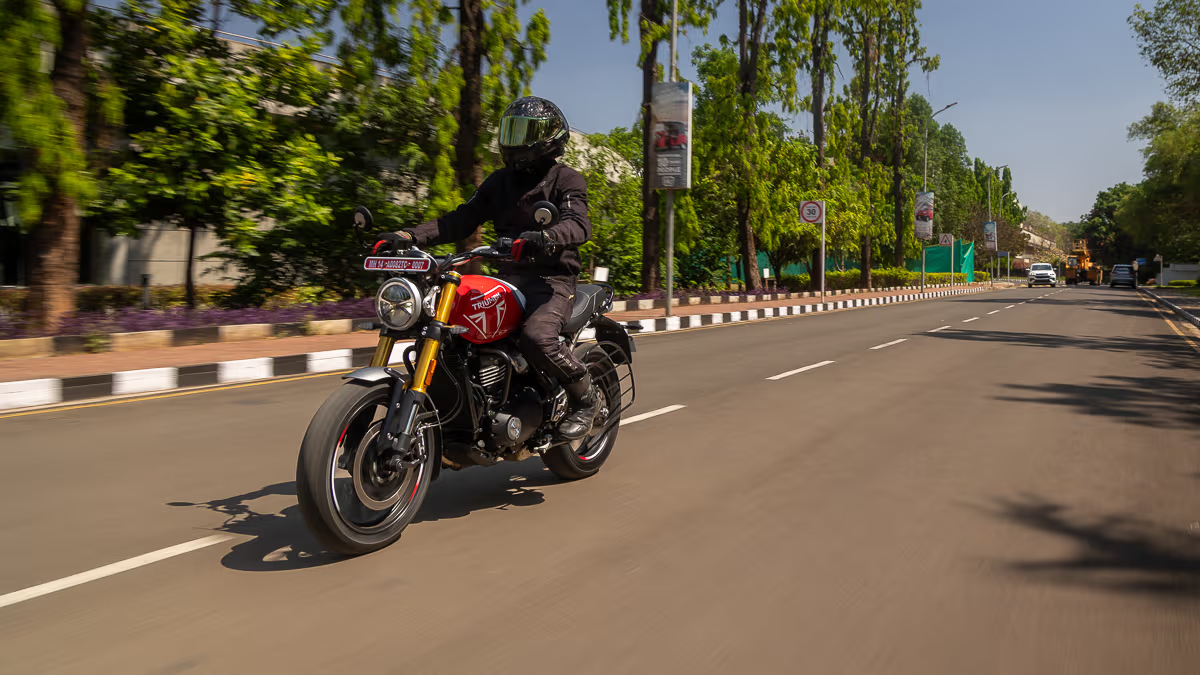
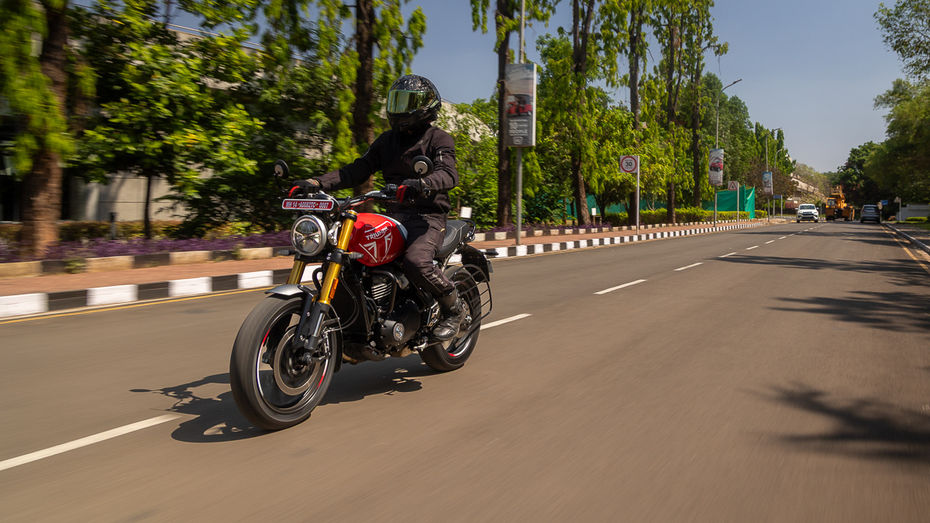
Triumph recently launched the 350cc Speed 400 in India at Rs 2,31,140 (ex-showroom). Here’s the new Triumph Speed 400 detailed through some detailed images.
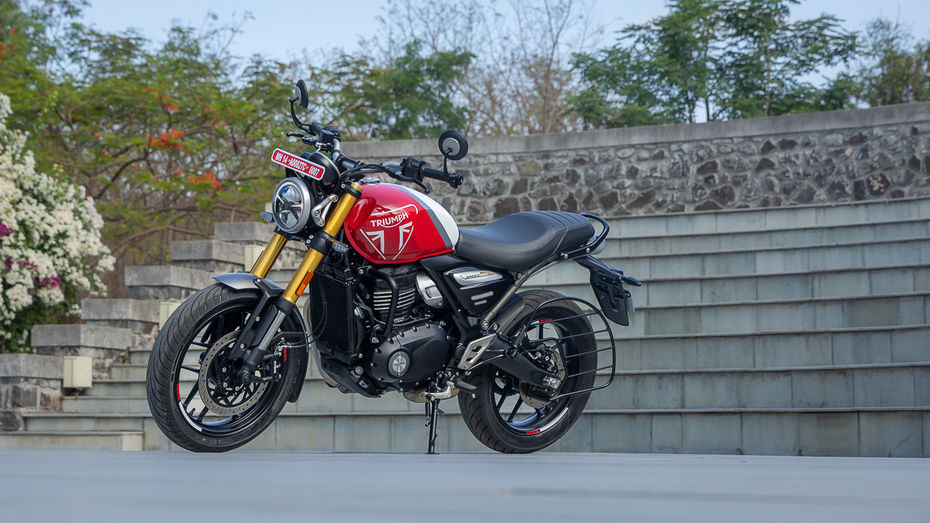
The Triumph Speed 400 is an absolute looker, and it’s still a very good-looking bike with clean, uncluttered lines. If there’s one brand that does neo-retro right, it’s Triumph, and the British brand has definitely gotten this one right. With its golden-coloured fork, attractive colourways, great proportions, fantastic finish levels, and an overall minimalist approach, the Speed 400 ticks all the boxes that a neo-retro bike should. If we had to complain about something, it might be that the bike is physically quite small.
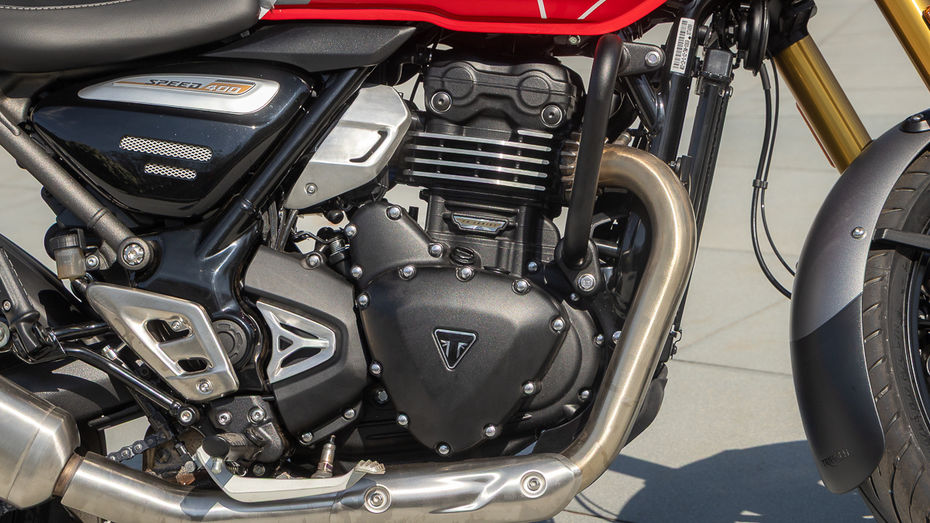
The new 349cc liquid-cooled engine is the new bike’s highlight, and honestly, we quite like it. It makes 37PS at 8,500rpm and 32Nm at 7,000rpm. While those figures are lower than before, what it has done is smoothen and relax the bike out. The bike now feels smoother than before and we think this is exactly what it should’ve been from day 1. The bike’s new engine finally has a bit of that retro feel, and we quite enjoyed riding it.
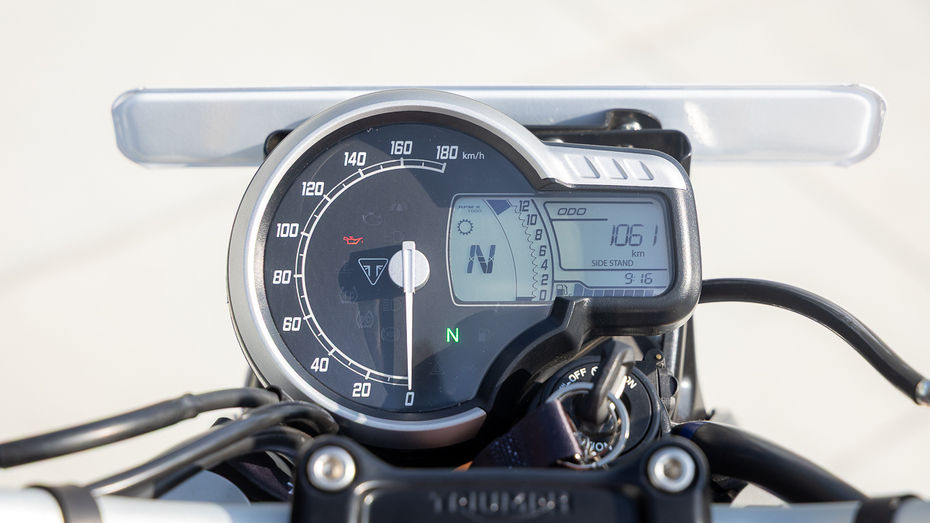
Staying true to its retro roots, the Speed 400 has never been a feature-loaded bike. There’s a semi-digital console, and while that’s fine, what we’re not a big fan of is that Triumph has switched things up. What that means is that Triumph has made the speedometer analogue, and the tachometer is on the digital side. The issue is that the tachometer is too small to be read on the go.
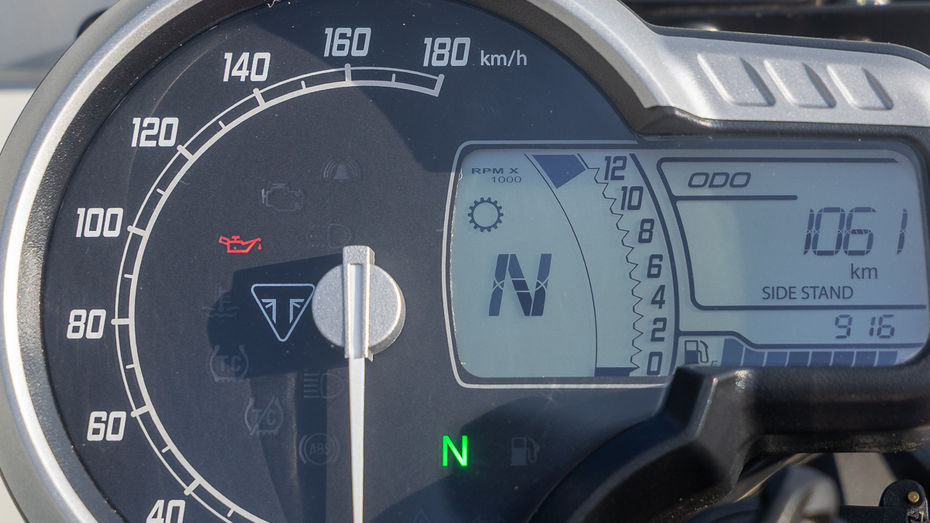
Apart from that, there’s an odometer, a tripmeter as well as a fuel gauge. The Triumph Speed 400 still doesn’t have Bluetooth connectivity.
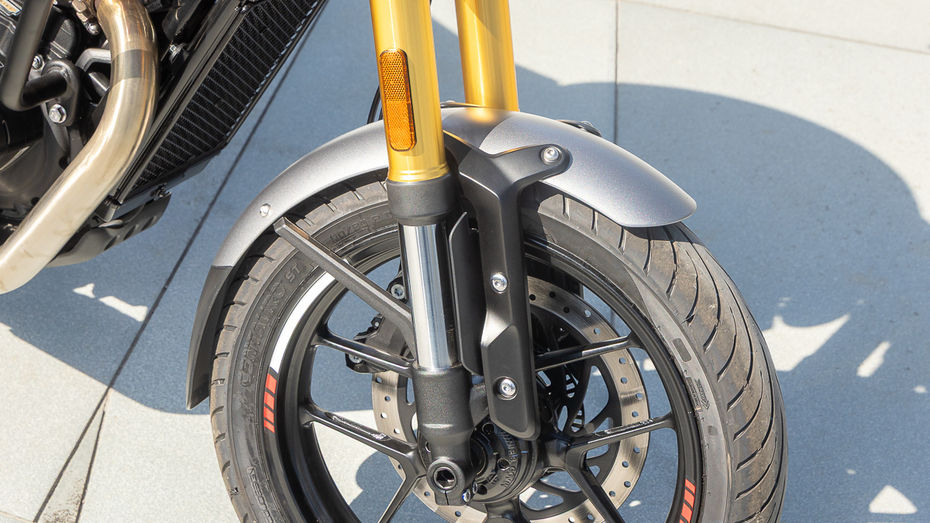
Its suspension setup has arguably been the best thing about the Speed 400, and that’s still the case. Triumph has tuned it incredibly well, for the Speed 400 feels quite comfortable for what is a roadster, at the end of the day. The 43mm inverted fork and preload-adjustable monoshock handle our road imperfections delightfully well, and you might be surprised with how comfortable the bike actually turns out to be. There’s 130mm of suspension travel at the front and 120mm wheel travel at the rear – not fantastic numbers, but definitely adequate to handle our bad roads.
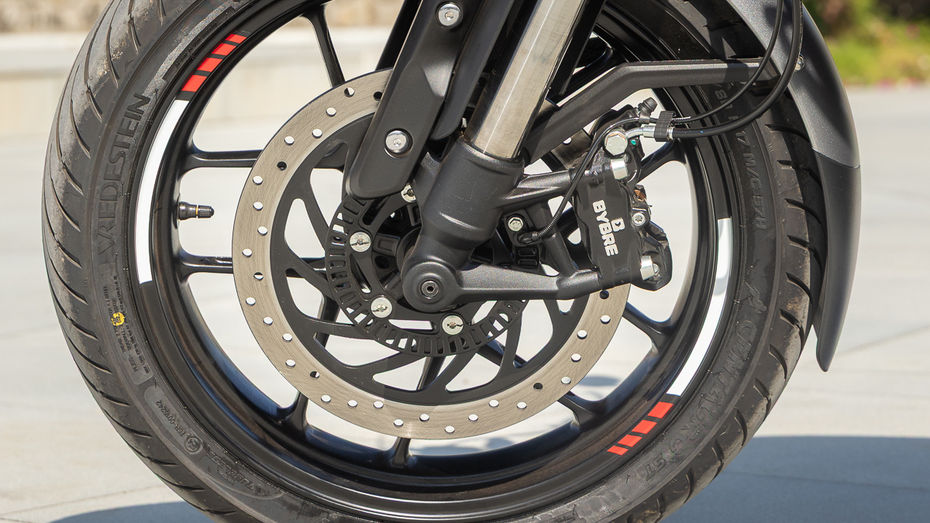
The Speed 400 is quite sorted out in terms of its hardware too. There’s a 300mm disc at the front and a 230mm disc at the rear, both ByBre units. They have enough stopping power and, at no point did we ever feel like the bike needed more bite from the brakes. The 17-inch wheels make the bike feel agile and light and the fact that it just weighs 179kg helps as well. The wheels are also shod with grippy tyres and we have had pretty much no complaints with regard to them.
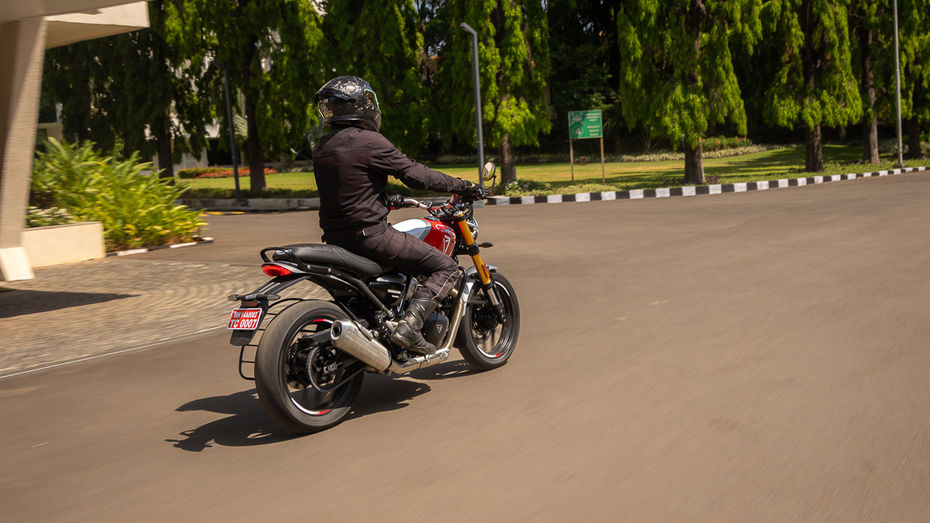
For a neo-retro bike, the Triumph Speed 400 is also a lot of fun in the corners, and if you like your weekend rides to the nearby ghats, you will not be disappointed. Being so light, the Speed 400 flicks from one side to the other with minimal effort, and the adequate grip from the tyres means that you can actually have a lot of fun on it. There’s dual-channel ABS and traction control watching your back as well, in case things go wrong.
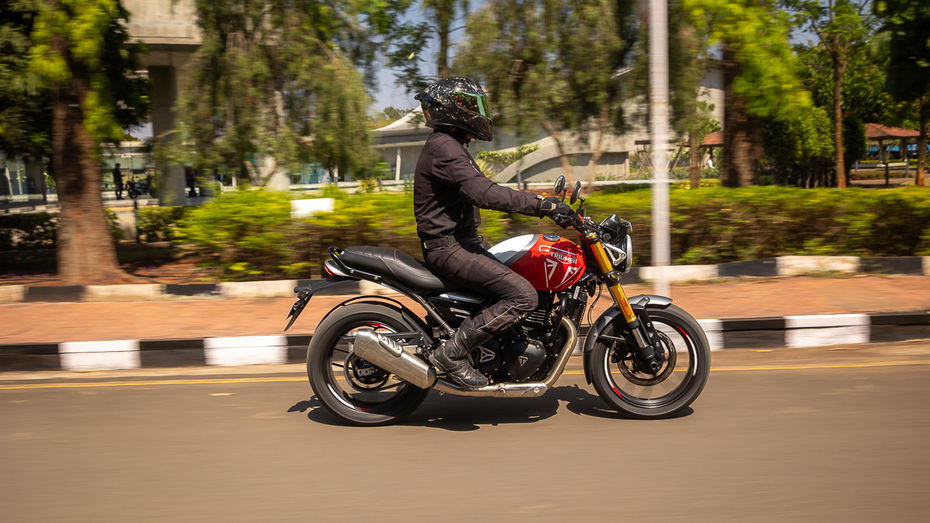
All in all, the new 350cc Speed 400 might actually be an even sweeter bike than the older, bigger Speed 400. The smaller engine has made the bike feel a bit nicer to ride, along with bringing a reduction in its price tag, which is always a win. We quite like it, and we think that if you’re looking for a gentle, easy-to-ride yet capable neo-retro bike under 400cc, it doesn’t get much better than the Speed 400, especially with the premium Triumph badge on its tank.