



Last Updated:
The slow and strategic approach to reaching the numbers needed for Constitutional amendments shows the government no longer needs to build a new coalition to flex its muscle



NDA’s path appears easier in the Rajya Sabha than in the Lok Sabha. (AI-Generated Image)
For much of Narendra Modi’s third term, the BJP-led NDA has had a comfortable majority but not the kind of overwhelming numbers needed to alter the Constitution at will. That equation may now be changing.
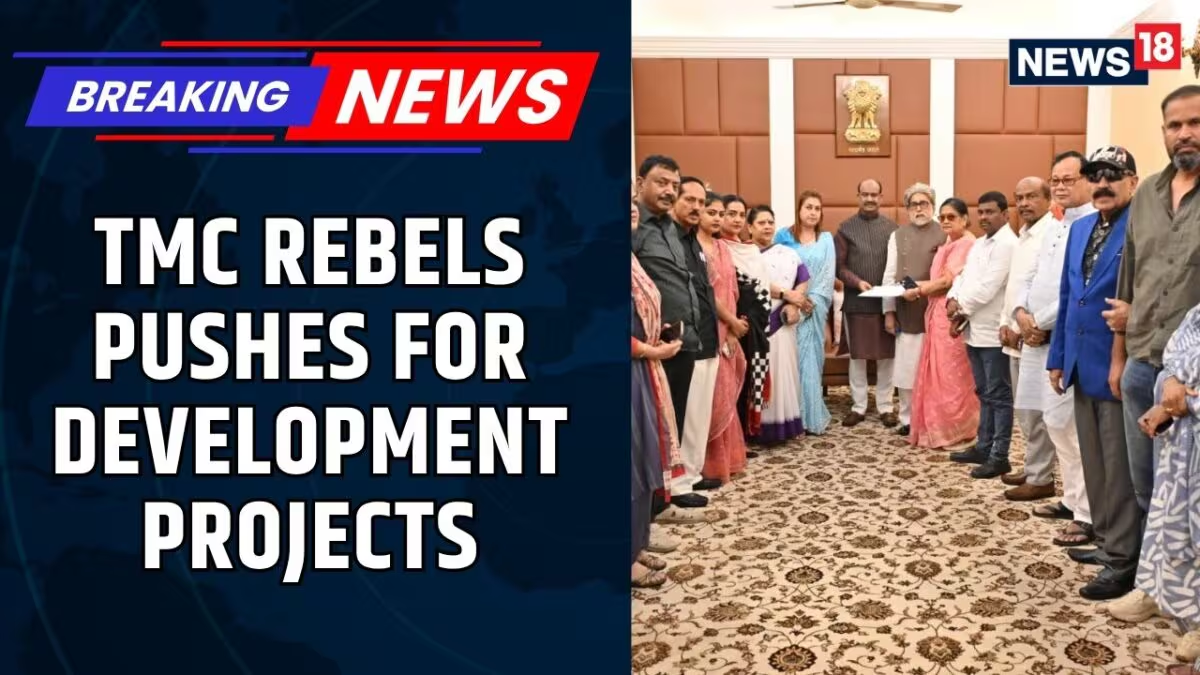
A series of political developments—the rebellion within the Trinamool Congress (TMC), fresh fissures in the opposition, the possibility of further splits in regional parties, and speculation over issue-based support from the DMK—have triggered intense discussion in political circles about whether the NDA is gradually positioning itself for the one thing it has lacked since 2024: a workable path to the two-thirds majority required for Constitutional amendments.
The key question is no longer whether the NDA is the dominant coalition in Parliament. It is whether it is inching closer to acquiring the numbers needed to pass contentious Constitutional measures such as delimitation.
Why The Two-Thirds Mark Matters
Ordinary legislation can be passed with a simple majority, but constitutional amendments are different.
ALSO READ | RS Polls: 3 Candidates, 2 Seats And 1 Wild Card. Why Jharkhand Is The Only Real Contest Today
Under Article 368, most Constitutional amendment bills require a majority of the total membership of each House and support from at least two-thirds of members present and voting. For politically contentious amendments, governments generally seek a comfortable two-thirds cushion in both Houses.
That is where the current political churn becomes significant.
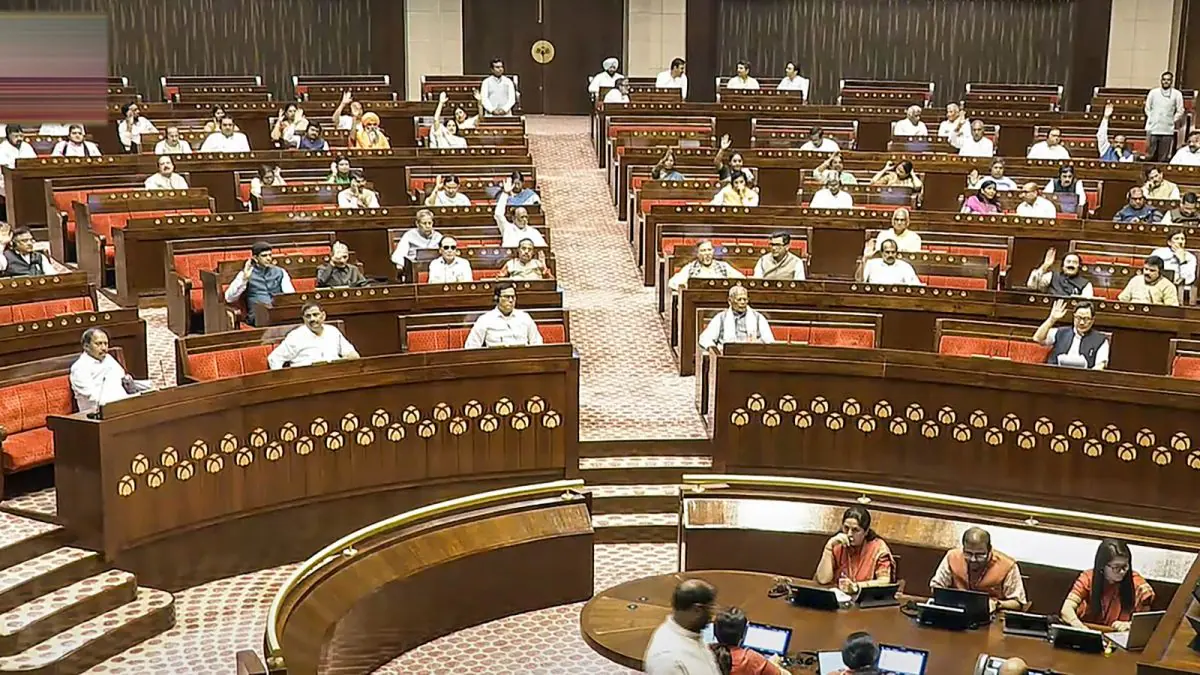
The Rajya Sabha Battle
Ironically, the NDA’s path appears easier in the Rajya Sabha than in the Lok Sabha.
According to Business Standard, the NDA is now actively assessing parliamentary numbers as it prepares for a possible revival of the Delimitation Bill, which was defeated earlier this year in the Lok Sabha. Government sources speaking to the newspaper indicated that the Centre could even consider a special Parliament session once the required numbers are in place.
The Indian Express puts the context in numbers. The NDA’s strength in the Rajya Sabha currently stands at 148 and is set to rise further in the ongoing round of elections to the Upper House. With NDA-backed independents set to win one seat each in Jharkhand and Mizoram, the alliance is expected to add three members, taking its tally to 151.
The numbers could improve even more. Following the resignation of three Trinamool Congress MPs, the NDA is likely to secure all three seats in the ensuing bypolls, pushing its strength to 154, the report said. That would leave the ruling alliance just nine seats short of the two-thirds majority mark of 163 in the 245-member Upper House.
Add to this the latest churning in the Samajwadi Party, especially in the run-up to the 2027 UP elections. On Wednesday, Uttar Pradesh minister and SBSP chief Om Prakash Rajbhar claimed that a major split was imminent in the party. He also alleged that SP veteran Ram Gopal Yadav had written to Union Home Minister Amit Shah and suggested that parts of the party were prepared to move towards the BJP camp.
The Samajwadi Party remains one of the Opposition’s key players in the Rajya Sabha, with a significant presence in the Upper House anchored by veterans such as Ram Gopal Yadav. Any loss of MPs would not only hurt the bloc’s chances in the Rajya Sabha but also bolster the strength of the NDA faction.
Business Standard also noted that government strategists are counting on support or abstentions from parties outside both the NDA and INDIA bloc, including the YSRCP, BJD, BSP and others. There is also a possibility that the DMK’s Rajya Sabha MPs could abstain on a delimitation-related vote.
The DMK has historically opposed delimitation proposals that could reduce the South’s relative parliamentary weight. But the mere fact that Delhi is discussing the DMK as a potential swing player shows how dramatically the arithmetic has changed.
The Game Plan
The BJP’s parliamentary strategy increasingly appears to be following a long-game approach.
Instead of relying solely on elections, the NDA’s numbers are being strengthened through Rajya Sabha gains, opposition defections, party splits, strategic abstentions, issue-based support from regional parties, and weakening cohesion within the INDIA bloc.
The slow and strategic approach to reaching the numbers needed for Constitutional amendments shows that the government no longer needs to build an entirely new coalition to flex its muscle.
About the Author

Apoorva Misra is a News Editor at News18.com with a keen interest in politics and current affairs. She loves uncovering fresh angles and telling stories through long-form features and explainers. Foll…Read More
Read More