









A tender and bittersweet exploration of love, friendship and missed chances, Love Letters traces five decades of emotional connection through the exchange of deeply personal letters
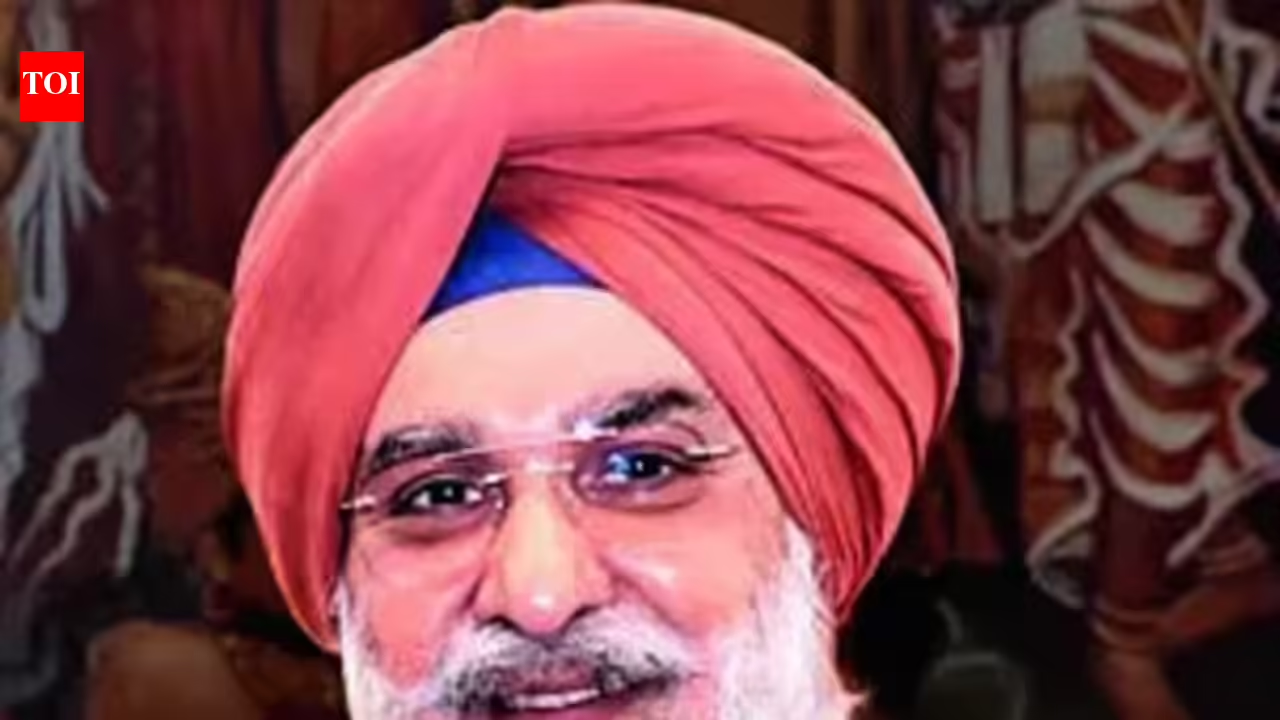
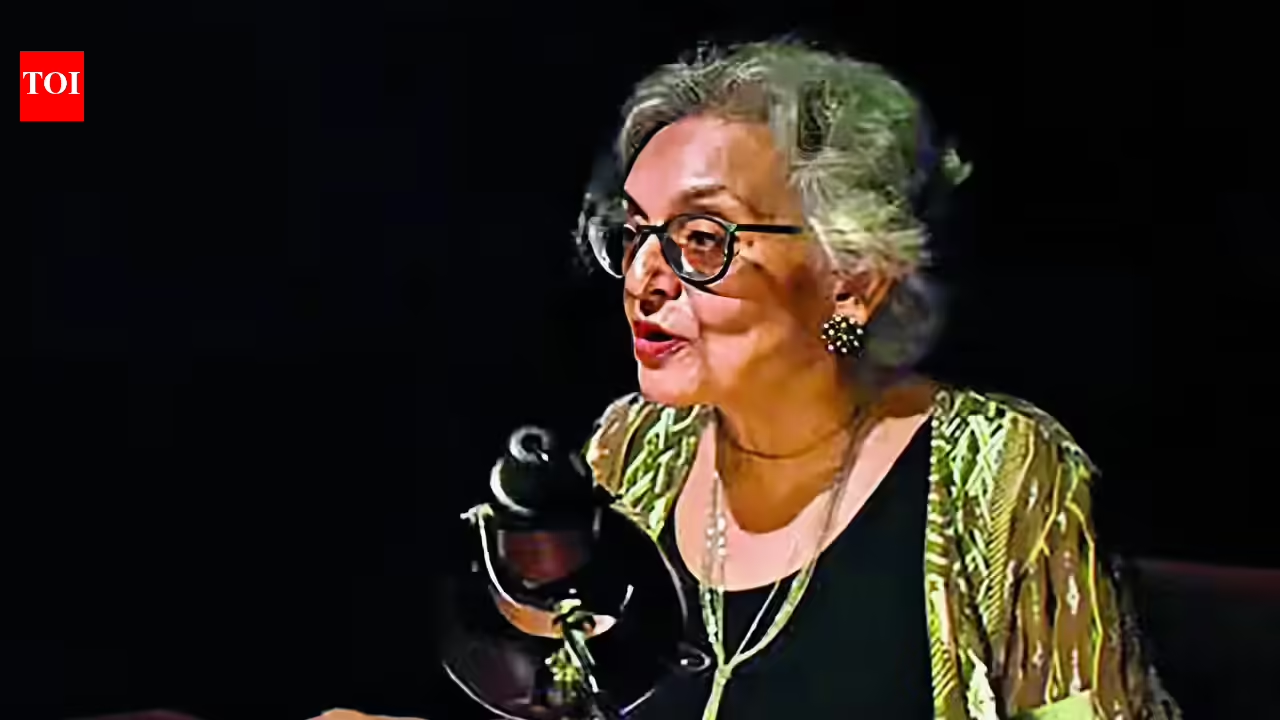
AR Gurney’s internationally celebrated theatrical hit Love Letters is exactly that — a heartfelt ode to the art of letter writing. This deeply moving two-character play traces the lives of Andrew (Andy) Makepeace Ladd III and Melissa Gardner from 1937 to 1985, following them from childhood and adolescence to adulthood.The friendship between these two individuals with contrasting temperaments evolves over nearly 50 years, unfolding through an extensive exchange of letters. What begins as children with a birthday invitation and thank you notes matures through various phases. Playful, flirtatious scribbles about youthful crushes give way to conversations around hopes and despair. And through it all, Andy and Melissa become each other’s confidants, with Andy’s shy, gentle demeanour acting as the perfect foil to Melissa’s rebellious streak.Sunit Tandon as the poised Andy and Sohaila Kapur as the free spirited Melissa breathe life into the lead characters through dramatised readings of their letters, some brief season’s greetings marking the passage of time, others detailed chronicles of their lives. Although Andy and Melissa are separated by geography, on stage, the two actors sit side by side at their desks, reading aloud the letters exchanged by the protagonists. Tandon and Kapur had first staged the play for the Indian audience almost three decades ago.From Dean Martin’s That’s Amore to Donna Summer’s Love to Love You Baby, with a sprinkling of Christmas carols, the play beautifully captures shifts in time and mood through a carefully curated selection of songs that fill the silences between the actors’ readings of the letters.The play’s most intense moments unfold in the second half, as Andy and Melissa, burdened by the weight of their choices, navigate the complexities of their lives. When they briefly reconnect, sparks fly. But Andy has his reputation and political career to protect, while Melissa, a flamboyant painter, slowly slips into loneliness and depression. At its heart, this almost romance is about missed opportunities and lingering what ifs, masterfully told in the epistolary format. It leaves the audience aching for the in-between love that hurts the most because it never had a chance to fully bloom or truly end.

Love Letters