





The Pennine hills are likely to become ground zero for combating climate change. In northern England’s peatland bogs, thousands of strategically made holes, called “scallop bunds,” are aiding in bringing back destroyed peatlands to life, sequestering carbon, and restoring wetlands. Researchers at The University of Manchester and conservation organisations such as The National Trust claim that these efforts can contribute greatly to reducing carbon emissions, improving biodiversity, and decreasing the risk of wildfires. As Britain sees increasing temperatures, droughts, and rains, it is likely that peat bogs in the Pennines, which contain carbon, will be among the UK’s best bets against climate change.
How the Peatlands in the Pennines are vital for the climate
Although peatlands appear wild and deserted, they actually represent one of the most vital sources of carbon sequestration in nature. These peatlands are created over many millennia due to the formation of partially decayed plants, which results in an accumulation of massive quantities of carbon below ground.Research by scientists at The University of Manchester, UK, shows that there are more than three billion tons of carbon contained within peatlands worldwide, which is ten times greater than the amount of carbon stored in all the forests in Britain.Once damaged, however, peatlands can become detrimental to climate change rather than beneficial. Peatlands that are drained or dried begin to release greenhouse gases instead of sequestering them underground. It is estimated that about 15% of peatlands on Earth have been drained at present.During the period of the Industrial Revolution, the Pennines took quite a beating. Coal fires and industrial pollution left poisonous elements like lead and arsenic on the hills, thus destroying any vegetation growing on them and causing the peat to be eroded. Gullies were made in the area, making it look like a moonscape.
Sphagnum Moss is at the heart of Peatland restoration
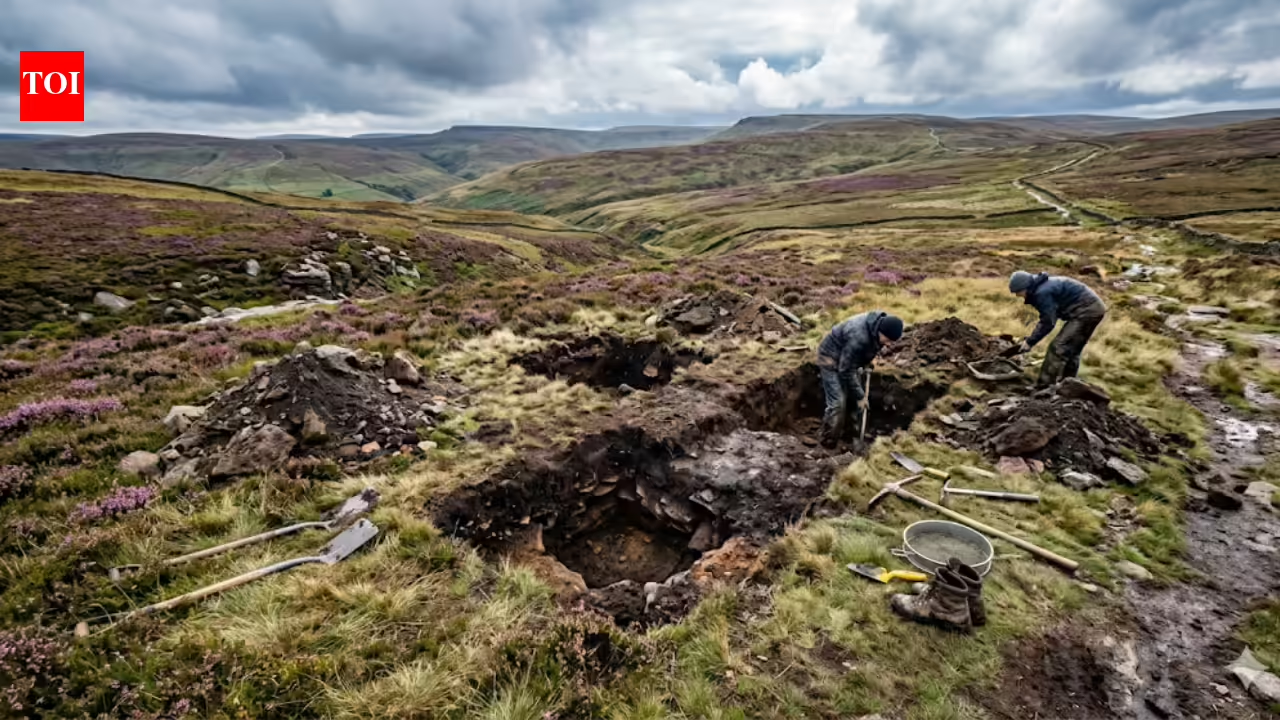
At the core of this reclamation project is an incredible species of moss known as sphagnum. Sphagnum moss, which holds as much as twenty times its weight in water, retains moisture in peat bog ecosystems and prevents the decomposition of peat moss, thereby continuing the carbon storage process.According to the original article from The University of Manchester, “Sphagnum moss is the primary ecosystem engineer in peatland ecosystems.”In order to facilitate the growth of sphagnum, restoration crews have been carving thousands of small crescent pools called “scallop bunds” into Holcombe Moor, which is situated in the West Pennines. In 2021, there were roughly 3,000 bunds built on the moor, and in 2024, another 700 will be established as part of Natural England’s Nature for Climate Peatland Grant Scheme (NCPGS). The presence of these bogs slows down rain runoff and provides more moisture at the soil surface for sphagnum to thrive.
Climate change is making peatland recovery more important
So far, the project has proven to be very effective. After only five years of creating the first bunds, a significant number of ponds are now covered by grass and well-developed sphagnum moss.During the monitoring of these locations in the exceptionally dry summer of 2025, the team of researchers observed that the newly-created pools remained moist longer than other, untreated patches of peatlands. With the ongoing climate change causing more and more severe heatwaves across Britain and making wildfires much more likely to occur in uplands, this might prove crucial.However, the research collaboration between The National Trust and The University of Manchester will be looking at ways to assess the long-term impact of such measures on water retention and carbon capture.According to hydrologist John Holden, who participated in previous research on blanket peatlands, water movement and erosion are vital for the peatlands’ survival; thus, future climatic changes may cause their degradation to intensify.In any case, all of these pools that have been created on the Pennines seem to offer hope for a natural way to solve the problem of the environmental crisis in Britain.